
RoRo Fire Protection: EV Fire Detection

Ro-ro fire protection rests on SOLAS detection and fixed suppression. For EV fires the gap is finding the vehicle early. A layer-by-layer guide.
Fire protection on a ro-ro vehicle deck is built in layers: SOLAS smoke and heat detection, video monitoring on passenger ships, fixed CO₂ or drencher suppression, and operating rules on charge, stowage and patrols. For electric vehicles, detection is the layer that matters most and is least settled. A failing EV battery gives off heat and gas before it makes smoke, and the rules still largely detect smoke.
What does SOLAS require on a vehicle deck?
Smoke and heat detection, ventilation, controlled ignition sources and a fixed extinguishing system, with passenger ships held to a higher standard than cargo ships. SOLAS chapter II-2, regulation 20, sets the rules, and the amendments in MSC.550(108) took effect on 1 January 2026.
- New passenger ships need an individually identifiable system giving smoke and heat detection throughout vehicle, special category and ro-ro spaces. It must be tested under normal ventilation, with detection sections matching the drencher sections. Linear heat detection may be accepted for the heat function.
- Existing passenger ships must add smoke and heat detection throughout by the first survey on or after 1 January 2028.
- New cargo ships, including car carriers, need detection to the FSS Code that can detect the onset of fire rapidly, placed with the effects of ventilation in mind and tested under normal ventilation.
- Passenger ships need continuous video coverage with immediate playback, kept for 7 days on new ships and 24 hours on existing ones, with each camera mapped to a drencher section.
- Fixed suppression follows the FSS Code. A CO₂ system must hold at least 45% of the gross volume of the largest sealable space, with two-thirds discharged within 10 minutes. Drenchers follow MSC.1/Circ.1430/Rev.3, at 5, 10 or 15 mm/min depending on deck height.
None of this is EV-specific. IMO's Sub-Committee on Ship Systems and Equipment is drafting interim guidelines for car carriers carrying new-energy vehicles and for video monitoring and detection. SOLAS amendments that follow from that work are not expected to enter into force before 1 January 2032. Until then, the EV layer is guidance, class notations and owner choice.
Why do EV fires test that floor?
Because the early signs of a battery failure are not the ones the floor is built to see. A lithium-ion cell going into thermal runaway first heats, then vents a flammable, toxic mix of electrolyte vapour, hydrogen and carbon monoxide, and only then ignites. The pack sits under the car's floor, so the heat and gas begin low down and hidden between closely parked vehicles.
Ceiling detectors wait for that to reach the deckhead. A heat detector under the FSS Code operates between 54 °C and 78 °C at its own location, several metres above the source. A smoke detector needs smoke that has risen and survived ventilation, which on a closed deck must change the air at a set rate. The Vehicle Carrier Safety Forum notes that a vehicle fire, petrol or electric, reaches peak heat release in about 6 to 10 minutes. Anything that delays the alarm comes straight out of the time the crew has to decide.
This is a detection problem more than an EV problem. Most proven car-deck fire causes are ordinary 12-volt faults and engine fires, not traction batteries. But an EV fire is harder to put out once it is established, so detecting it early matters more.
What are the EV fire detection options?
There are roughly seven, and they differ mainly in what they sense and where they sense it.
- Point smoke and heat detectors (FSS Code chapter 9). These are the regulatory baseline: proven, approved and fitted everywhere. They sense the space at the deckhead, so they report a fire once it has left the vehicle.
- Aspirating smoke detection (FSS Code chapter 10). It samples air through pipes and is very sensitive. SOLAS allows it in closed spaces but not in open ro-ro, open vehicle or special category spaces.
- Linear heat detection, such as fibre-optic cable. It gives continuous temperature along a line and is accepted for the heat function on new passenger ships. It is still at the deckhead.
- Flame detectors (UV/IR). They react quickly to open flame in line of sight. Rows of high-sided vehicles block the view, and flame comes late in a battery failure.
- Video and AI video smoke detection. CCTV is required on passenger ships, and analytics can flag smoke. They need light and line of sight, and they see smoke, not heat.
- Thermal imaging, from fixed cameras or the portable imagers MSC.1/Circ.1615 recommends for patrols. They see surface heat. Car bodies and stowage density hide the battery, and a patrol only sees the deck every so often.
- Gas sensing for hydrogen, carbon monoxide and electrolyte vapour. It is the earliest physical sign of a cell venting, but it is sensitive to placement, ventilation and false sources such as exhaust during loading.
A newer category combines thermal and gas sensing at the level of each parked vehicle rather than the space. It aims at the first two signs of runaway, heat and vent gas, close to where they start. Equipment of this kind sits above the SOLAS floor. Detection fitted on top of the required system, and not credited towards any requirement, falls outside the type-approval rules for required equipment. Its installation, electrics and any link to the fire alarm panel still need class or flag sign-off, and it must never degrade the required system.
How do detection and suppression fit together?
Detection decides where and when the fixed system is used, so the two have to be designed and drilled as one. The 2026 rules already link them: on passenger ships, detection sections, drencher sections and camera views must match, so an alarm points to the section that will be flooded. The weak link is the release decision. The VCSF's Fire Drill Guidelines, published by Britannia P&I in October 2026, set an objective of deploying the fixed system within 15 minutes of the alarm. The fastest documented car-carrier CO₂ release, on Honor in 2017, took 37 minutes.
Most of that time goes on confirming the fire's location and extent, mustering everyone, and sealing the space before gas goes in. A CO₂ ship cannot release until everyone is accounted for. Detection that names the deck, bay and vehicle shortens the first step and lets the rest start sooner. Detection that only names a zone sends someone to look.
Which operating measures complete the protection?
The ones that cut the chance of a fire and make it easier to find. The main ones:
- Charge levels. EMSA recommends a displayed 20–50% for EVs at sea and notes that an actual charge below 30% makes thermal runaway very unlikely. Air cargo has made 30% mandatory for vehicles since January 2026.
- Condition checks. Damaged or defective EVs should not be loaded unless the battery is removed, per EMSA guidance and the UK's MGN 653. Flood-damaged and recalled vehicles need their own screening.
- Stowage for access. EMSA asks for alternative-fuel vehicles to be stowed so patrols can reach them and cameras can see them.
- Patrols with thermal imaging. MSC.1/Circ.1615 recommends portable imagers on rounds and a firefighting plan for alternatively powered vehicles.
- Drills. The VCSF's six scenarios, at sea and in port, should be timed against the 15-minute objective, with shore fire services involved where possible.
Where should an operator start?
With an honest map of what the ship can see, and when. In practice:
- Confirm which version of SOLAS II-2/20 applies to each ship: new or existing, passenger or cargo, and the survey date for any retrofit.
- Check that detection sections, drencher sections and camera views line up, and that the bridge display shows them unambiguously.
- Look at how the system behaves during loading, when doors are open, engines are running and detection is often desensitised.
- Time a full alarm-to-release drill and see where the minutes go.
- Ask whether any layer would see a vehicle that is heating or venting before smoke reaches the deckhead. If none would, that is the gap to close, through a pilot on one deck before any fleet decision.
How RoRoSAFE helps
The SOLAS floor detects a fire once it reaches the deckhead; an EV fire starts low, hidden and as gas. RoRoSAFE adds the missing layer, with infrared thermal and battery-vent gas sensing under each parked vehicle and tiered bridge and shore alerts that name the deck and bay before visible smoke. It installs alongside the berth with no drydock and no vehicle modification. It complements SOLAS detection and suppression; it replaces neither.
Pilot: one deck · installed alongside the berth · no drydock · 6 months of dashboard access
Sources
- 1. IMO, SOLAS chapter II-2, regulation 20, as amended by Resolution MSC.550(108), in force 1 January 2026: §20.4.1.1–.3 (individually identifiable smoke and heat detection, linear heat accepted for the heat function, sections aligned with deluge sections, alarm presentation); §20.4.1.5 (new cargo ships, FSS Code detection, onset detected rapidly, tested under normal ventilation); §20.4.1.6 (existing passenger ships by the first survey on or after 1 January 2028); §20.4.4 (video monitoring with 7-day or 24-hour retention, cameras mapped to drencher sections).
- 2. IMO, International Code for Fire Safety Systems (FSS Code): chapter 5 (CO₂ at 45% of the gross volume of the largest sealable vehicle or ro-ro space, two-thirds within 10 minutes); chapter 9 (heat detectors operating between 54 °C and 78 °C); chapter 10 (sample extraction systems, not permitted in open ro-ro, open vehicle or special category spaces under SOLAS II-2/20).
- 3. IMO, MSC.1/Circ.1430/Rev.3: deluge densities of 5, 10 and 15 mm/min for decks up to 2.5 m, 2.5–6.5 m and 6.5–10 m high. IMO, MSC.1/Circ.1615 (June 2019): portable thermal imaging for fire patrols, firefighting plans for alternatively powered vehicles, and lighter-than-air gases under deckheads.
- 4. IMO Sub-Committee on Ship Systems and Equipment (SSE): interim guidelines for vehicle carriers carrying new-energy vehicles and for video monitoring and detection, in development; consequential SOLAS amendments not before 1 January 2032.
- 5. EMSA, 'Guidance on the carriage of AFVs in ro-ro spaces', version 1.2 (28 April 2025): §1.4.3.1 on damaged or defective batteries, §2.2.3 on stowage for patrol access, and §3.2.3 on state of charge (displayed 20–50%; actual below 30% makes runaway very unlikely). UK MCA, MGN 653(M) Amendment 1 (7 August 2023), section 5 on damaged EVs.
- 6. Vehicle Carrier Safety Forum, 'Fire Response – High Level Guidelines' (15 April 2025): peak heat release in about 6 to 10 minutes. VCSF, 'Fire Drill Guidelines for Vehicle Carrying Vessels', version 1.0 (June 2026; published by Britannia P&I on 19 October 2026): fixed-system deployment objective of within 15 minutes of the alarm.
- 7. NTSB, Marine Accident Brief NTSB/MAB-18/07, 'Fire on board Vehicle Carrier Honor': 37 minutes from pre-warning alarm to CO₂ release.
- 8. IATA, 'Lithium Batteries and Sodium-ion Batteries Guidance Document – 2026': PI 952, vehicles with batteries over 100 Wh at 30% or less state of charge, or 25% or less indicated, from 1 January 2026.
Questions, answered
What fire detection does SOLAS require on a ro-ro vehicle deck?+
Since 1 January 2026, new ro-ro passenger ships need individually identifiable smoke and heat detection throughout vehicle spaces, matched to drencher sections, plus video monitoring. Existing passenger ships must add smoke and heat detection by their first survey after 1 January 2028. New cargo ships, including car carriers, need FSS Code detection able to detect the onset of fire rapidly under normal ventilation.
Can ordinary smoke detectors detect an EV fire?+
Eventually, but late. A battery in thermal runaway heats and vents gas before it makes smoke, and it does so low under the car. Ceiling smoke and heat detectors respond once smoke or heat reaches the deckhead, after dilution by ventilation. They meet SOLAS, but they report an EV fire once it has left the vehicle rather than while it is starting.
What is the best way to detect an EV fire on a ship?+
Layers, with at least one that watches the vehicle rather than the space. The SOLAS floor covers smoke and heat at the deckhead. Thermal sensing and gas sensing for hydrogen, carbon monoxide and electrolyte vapour can catch the earlier signs of a battery failure, ideally close to each parked vehicle and linked to the ship's alarm and drencher sections.
Are there IMO rules specific to EV fires on ships?+
Not yet in force. IMO's Ship Systems and Equipment Sub-Committee is drafting interim guidelines for car carriers carrying new-energy vehicles and for video monitoring and detection. Resulting SOLAS amendments are not expected before 1 January 2032. In the meantime, EMSA guidance, the UK's MGN 653, class notations and industry guidelines from the VCSF and IUMI fill the gap.
Continue the thread
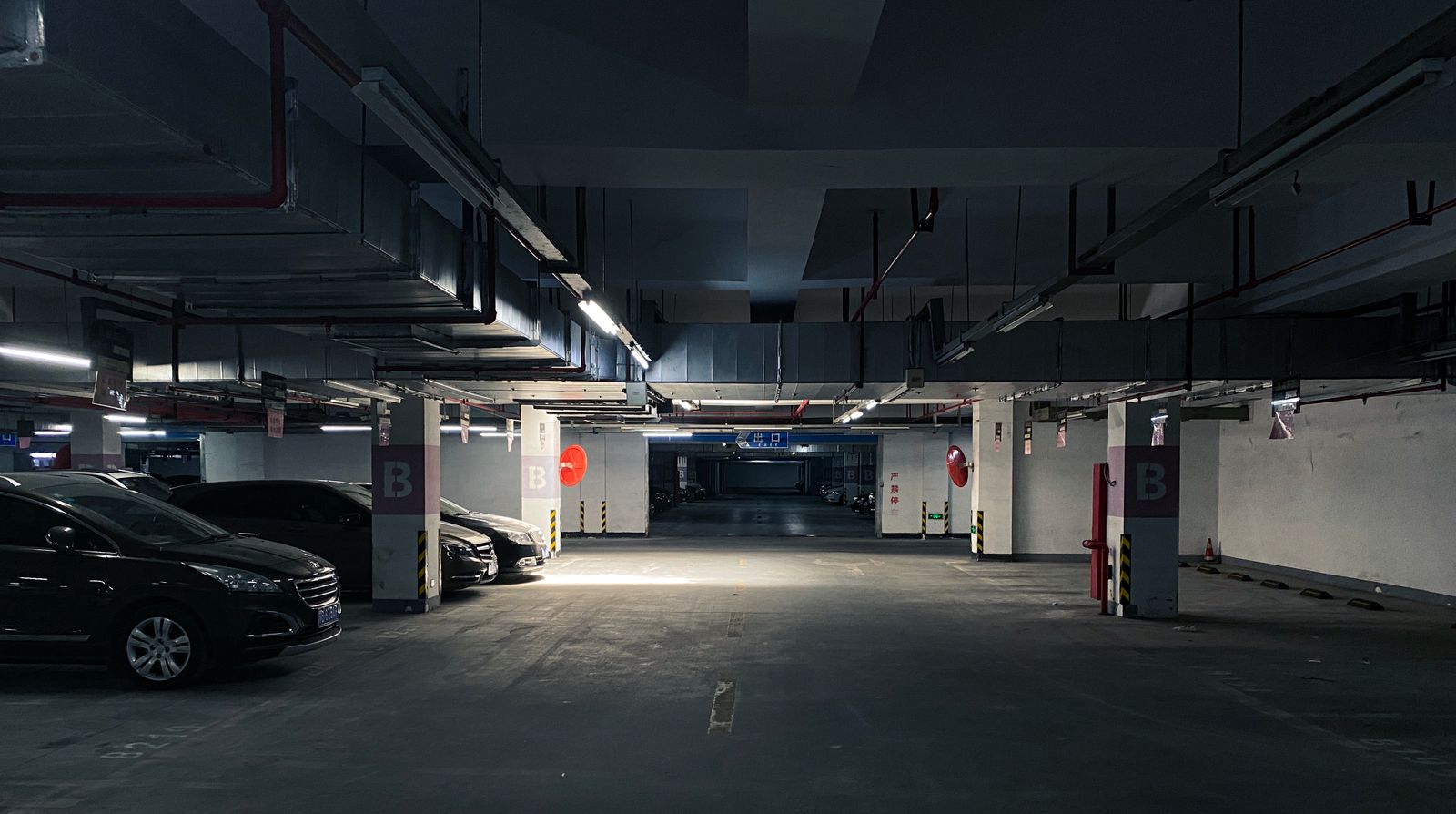
Why Fire Detection Is Difficult on Ro-Ro Vehicle Decks
Ventilation dilutes the smoke, cargo hides the source, loading mutes the detectors, and a fire can spread car to car in about 20 minutes. Here is why.
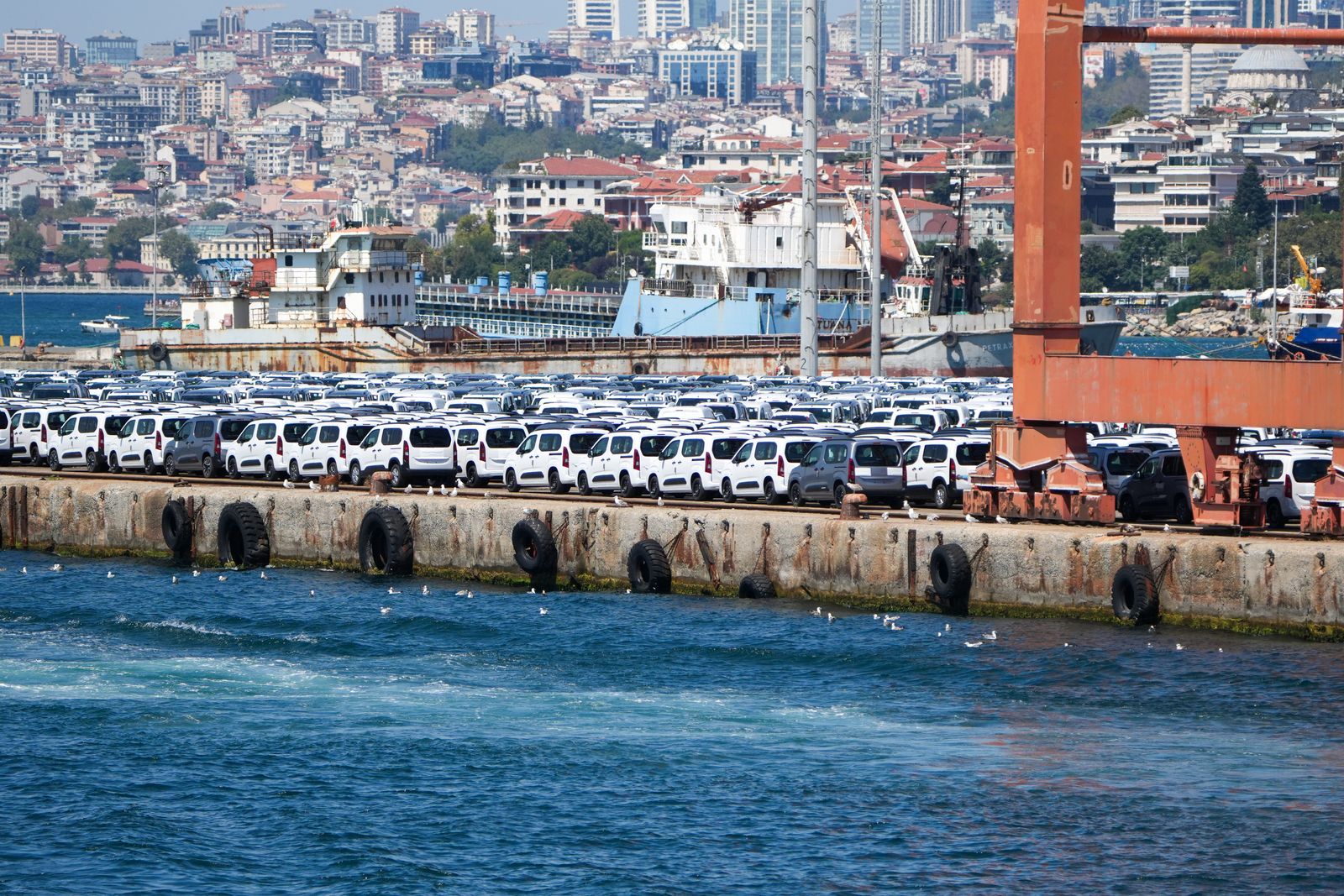
How to Evaluate Fire Detection for a PCTC
Judge PCTC fire detection on five things: how early it alarms, proven coverage on a loaded deck, false-alarm data, approvals and installation downtime.

What Does SOLAS II-2/20 Ask of a Car Carrier?
Almost all of the 2026 amendment is written for passenger ships. A cargo ship gets one detection paragraph; the car-carrier package is still in draft.
Car-Carrier Fire Risk: Detection, Not EVs
The powertrain debate misses the point. On an enclosed car deck the variable that decides a total loss is how early a fire is caught — not EV share.

Thermal Anomaly Detection vs Smoke Alarms
Smoke detectors trip on a fire that already exists. Thermal anomaly detection flags the heat rise before smoke — containment versus total loss.

Can Gas Sensors Detect a Lithium-Ion Fire First?
A failing EV cell vents gas minutes before it burns. Gas detection can catch that window — but ventilation and cargo background decide what survives.

When Does a Heat Detector Alarm on a Car Deck?
Once the fire is real. Ceiling gas must reach 54 °C: about 330 kW of fire on a 2.5 m deck, 1.6 MW on a 6.5 m one. A venting battery gives neither.

What Should a Car-Carrier Fire Drill Test?
Whether the fixed system goes in within 15 minutes. New VCSF guidelines swap the routine monthly drill for six fire scenarios of rising severity.

Does Extra Fire Detection Need Class Approval?
Not as a SOLAS system if it replaces nothing. But it must never degrade required detection, and its wiring and interfaces still need class sign-off.