
Car-Carrier Fire Risk: Detection, Not EVs
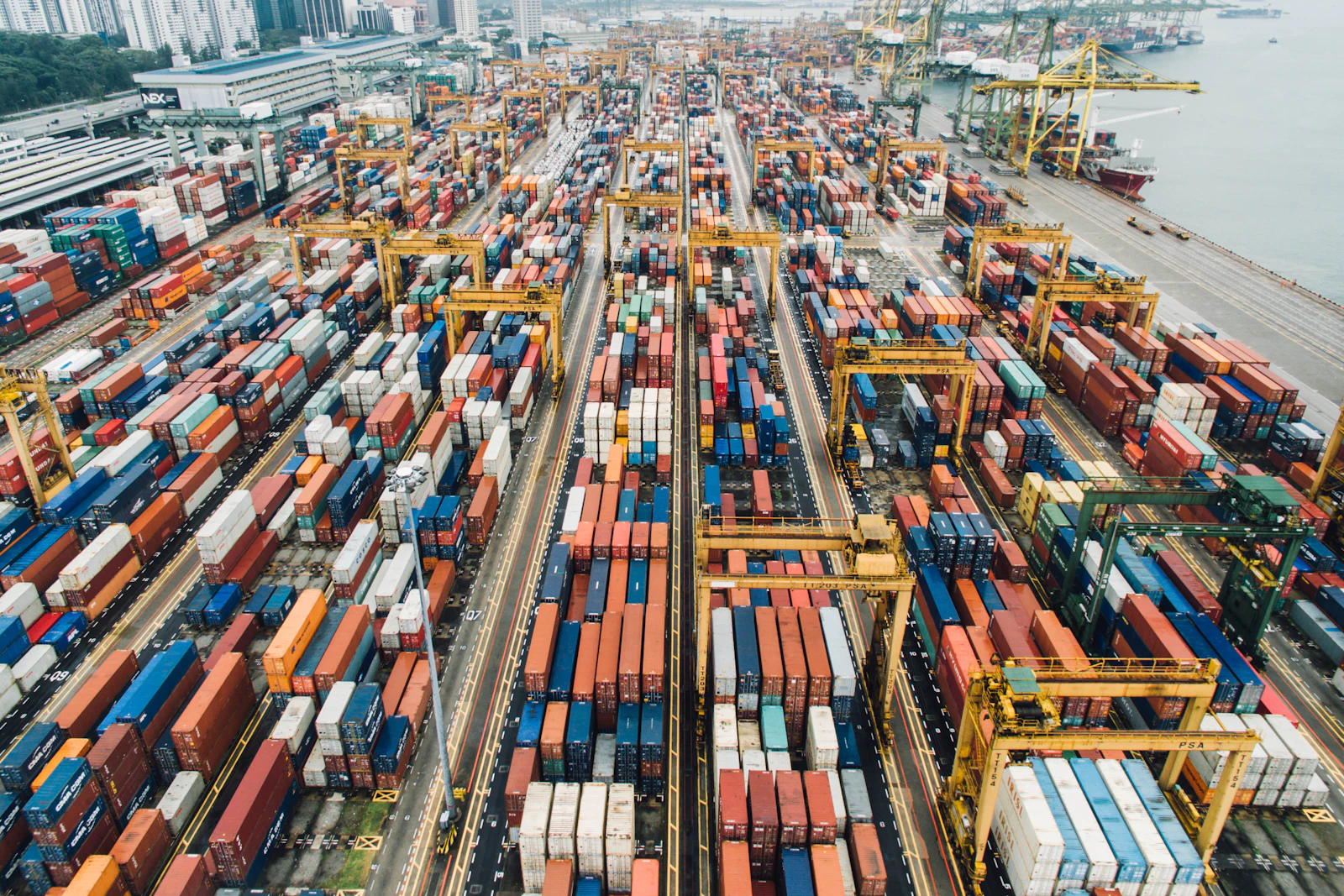
The powertrain debate misses the point. On an enclosed car deck the variable that decides a total loss is how early a fire is caught — not EV share.
Car-carrier fire risk is set by detection and suppression, not by how many EVs are aboard. The recent total losses share one feature: a fire on a fully-laden, enclosed deck that nobody caught early enough to contain. Whether the manifest is 5% or 30% electric, the variable that decides the outcome is whether a developing fire is detected in its pre-smoke window — and that is a detection problem, not a powertrain one.
Why detection, not powertrain, sets the risk
Every recent car-carrier total loss is a detection-and-response failure before it is anything else. Morning Midas sank in the North Pacific on 23 June 2025 after burning for three weeks; Fremantle Highway burned in July 2023 with investigators finding the crew did not know where the EVs were stowed and lacked suitable extinguishing means; Felicity Ace was lost in 2022 with an estimated cargo value above $400 million. In none of these did the powertrain mix decide the outcome — the inability to locate and contain the fire early did.
What the research says about EVs
The data does not support EVs being the dominant fire risk — which is exactly why the powertrain debate is a distraction. IUMI Secretary-General Lars Lange stated in September 2023 that 'fires in battery EVs are not more dangerous than fires in conventional vehicles, nor are they more frequent,' citing the EU-funded Lash Fire project, the Danish Institute of Fire and Security Technology, and NFPA data showing fewer fires from EVs over the same distance driven and no increase in total heat released. Blanket EV surcharges are hard to justify on those grounds. The exposure that remains is detection.
What actually changes with more EVs
The fire-frequency case for EVs is reassuring; the suppression case is where a higher EV mix bites. A lithium-ion fire in thermal runaway resists conventional agents, can reignite hours later, and emits an off-gas phase before visible flame — a signal that fixed deck smoke detectors are not built to catch. So the established ICE-oriented suppression playbook fits the lithium-ion failure mode poorly. The answer is not arguing about EV percentages; it is catching the event during off-gas, before flame, when crew still have a contained problem.
What it means for owners and underwriters
For shipowners, the spend that moves loss outcomes is earlier detection and EV-appropriate suppression — not re-litigating the cargo mix. For underwriters, the Lash Fire evidence undercuts blanket EV surcharges but makes detection capability the rateable feature: the meaningful difference between two vessels is whether each can flag a developing fire in its pre-smoke window, regardless of how many EVs are on the manifest. That is the variable RoRoSAFE is built to change.
How RoRoSAFE helps
If detection timing sets the size of the loss, the fix is earlier detection on every vehicle, whatever its powertrain. RoRoSAFE observes each parked vehicle directly with infrared thermal and battery-vent gas sensing, and alerts the bridge before a fire has grown enough to reach a ceiling detector. It sits alongside the ship's SOLAS detection and suppression, and installs alongside the berth without drydock.
Pilot: one deck · installed alongside the berth · no drydock · 6 months of dashboard access
Sources
- 1. IUMI / Lars Lange on EV vs ICE fire risk, citing EU Lash Fire project, Danish Institute of Fire and Security Technology, NFPA (September 2023) — maritime-executive.com
- 2. Morning Midas — ~3,000 vehicles incl. ~800 EV/hybrid, burned three weeks, sank 23 June 2025 ~360 nm off Alaska — gcaptain.com, maritime-executive.com
- 3. Fremantle Highway (3,783 vehicles / 498 BEVs, crew unaware of EV stowage, 2023) and Felicity Ace (~$400M cargo, 2022) — Dutch Safety Board/EMSA, commercial.allianz.com, gcaptain.com
Questions, answered
What is the biggest fire risk on a car carrier?+
Late detection of a fire on a fully-laden, enclosed vehicle deck — not the powertrain mix. Recent total losses like Morning Midas (2025), Fremantle Highway (2023), and Felicity Ace (2022) were detection-and-response failures: by the time the fire was located, suppression options had collapsed to containment and abandonment. The decisive variable is catching the event in its pre-smoke window.
Are electric vehicles more likely to catch fire than petrol or diesel cars?+
On the available evidence, no. The EU-funded Lash Fire project and data cited by IUMI found fewer fires from EVs than from conventional vehicles over the same distance driven, and no increase in total heat released versus an ICE-vehicle fire. That is exactly why the powertrain debate is a distraction from the real exposure: early detection on enclosed decks.
So does a higher EV share change anything for a car carrier?+
Yes, but on suppression, not frequency. A lithium-ion fire in thermal runaway resists conventional agents, can reignite hours later, and emits off-gas before flame that fixed deck detectors miss. The ICE-oriented suppression playbook fits this failure mode poorly, so the priority is detecting the event during off-gas — before flame — regardless of whether EV share is 5% or 30%.
What should owners and underwriters actually invest in?+
Earlier detection and EV-appropriate suppression, not arguments about cargo mix. The Lash Fire evidence makes blanket EV surcharges hard to justify, but detection capability is rateable. The meaningful difference between two vessels is whether each can flag a developing fire in its pre-smoke window — the variable that separates a contained incident from a constructive total loss.
Continue the thread

The First Ten Minutes After an EV Alarm
Detection buys time only if the crew knows what to do with it. On a vehicle carrier the decisive variable isn't the alarm — it's the rehearsed response.

Multi-Modal Fusion: Heat, Gas, and Smoke
Each sensor modality has different blind spots. Multi-modal fusion is not a buzzword — it is the only architecture that survives the marine failure modes.

Do Pure-EV Car Carriers Change the Risk?
Carmakers like BYD now run near-fully-electric car carriers — BYD Shenzhen holds 9,200 vehicles. That concentrates the fire load, but also the knowledge.

Are Hybrids the Overlooked Fire Risk?
Morning Midas carried 681 hybrids to 65 EVs. A hybrid pairs a Li-ion pack with a fuel tank — a dual fire load that stowage and detection often miss.
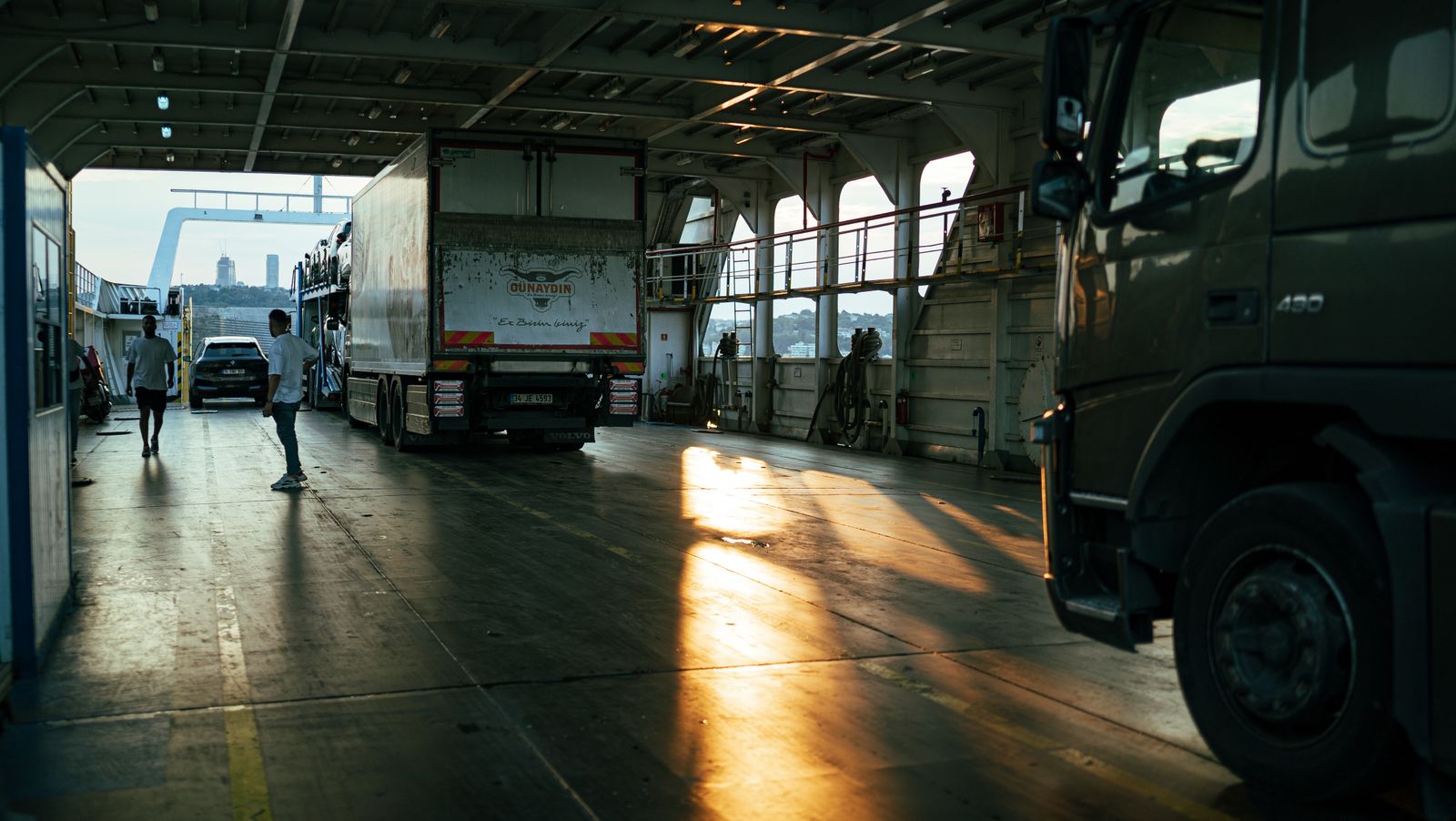
Is a Car Deck's Stow Plan a Fire Plan?
On a packed car deck, crews can't reach an established fire — which is why 'fixed first' exists. Where an EV is stowed decides what can be fought.