
Why Fire Detection Is Difficult on Ro-Ro Vehicle Decks
Ventilation dilutes the smoke, cargo hides the source, loading mutes the detectors, and a fire can spread car to car in about 20 minutes. Here is why.
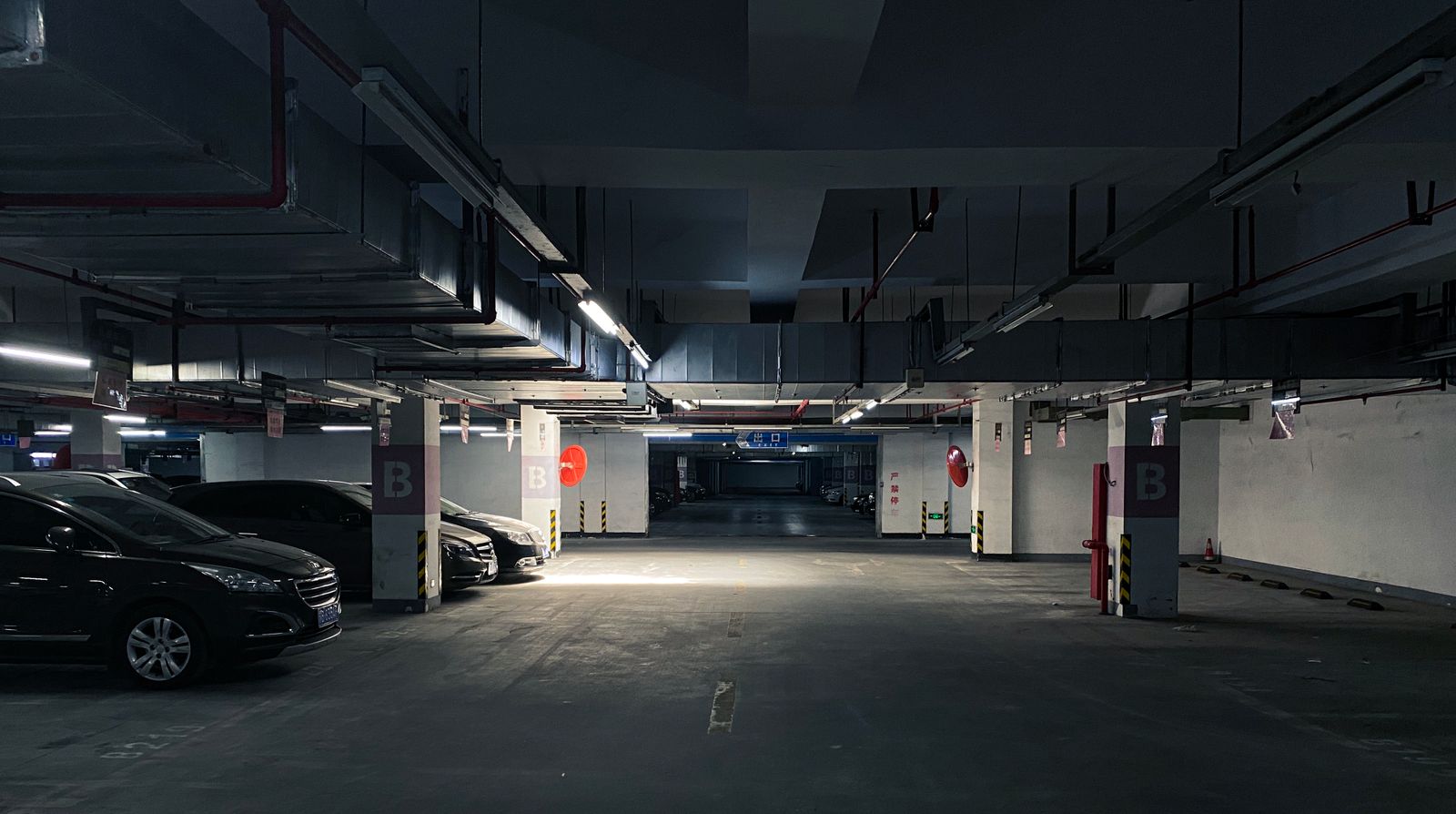
Fire detection is hard on a ro-ro vehicle deck because nearly every assumption behind a building's smoke detector fails there. The air is forced through the space at 6 to 10 changes an hour, the source sits under or inside a parked car far below the deckhead, loading fills the deck with hot exhaust while smoke sections are muted, and a fire can reach the next car in about 20 minutes.
None of these problems is new, and none is caused by electric vehicles. They explain why ro-ro fires keep being found late even on ships whose detection passed survey and worked as designed. For an owner, they are also the questions that decide whether any detection upgrade is worth paying for.
Why doesn't ordinary smoke detection work well on a car deck?
Because a vehicle deck is ventilated hard enough to thin the smoke before it reaches a detector. SOLAS II-2/20.3.1.1 requires closed ro-ro and vehicle spaces to be ventilated at 10 air changes an hour on passenger ships carrying more than 36 passengers and in special category spaces, and 6 on cargo ships. That airflow is there for good reason, to clear exhaust and flammable vapour, but it carries early smoke and battery off-gas along the deck and dilutes it on the way.
The regulation itself recognises the conflict. The same regulation tells the Administration to account for ventilation when it approves detector type, spacing and position, and to test the installed system under normal ventilation. EMSA's FIRESAFE II study named ventilation as the factor that both delays and displaces an alarm: the smoke arrives later, and it arrives at a detector that may not be above the fire. Land codes treat this as a limiting condition. NFPA 72 flags air velocity above about 1.5 m/s as a problem for spot smoke detectors.
Why does the cargo hide the fire?
Because the fire starts where no detector can see it: under a car, inside an engine bay, or inside a sealed battery pack. Every car-deck fire with a proven cause so far began in a vehicle's conventional electrics, the NTSB's finding of arcing in a parked car's ABS module on Courage being a typical case. FIRESAFE II notes that electrical fires on ro-ro decks typically start smouldering, with an incipient stage that can last from minutes to hours before flame.
A traction battery hides its early stage even better. An EV pack is sealed, typically to IP67, and is designed to release gas only through a calibrated vent path, so the earliest chemical warning is held inside the pack and then diluted by deck airflow once it escapes. Meanwhile the cargo itself blocks the view. FIRESAFE II observed that the coverage of camera, flame and infrared detectors is 'strongly dependent on the position of mounting' and on whether 'their field of view is blocked by the cargo'. On a deck stowed bumper to bumper, it usually is.
Why is loading the hardest hour?
Because loading produces the most false signals at the moment the ship is least protected. Hundreds of vehicles drive aboard with hot engines and exhausts: a just-parked car's exhaust can exceed 400 °C, and its bonnet keeps warming for several minutes after the engine stops. Smoke detectors respond to exhaust, so operators routinely disconnect smoke sections during cargo operations. The 2026 FSS Code amendments now formalise this for new ro-pax ships, allowing smoke detectors to be disconnected during loading while requiring heat detection and manual call points to stay live.
The cost of that muting is measurable. FIRESAFE II found that one in four reported ro-ro fires started in port or shortly after departure. And any detector sensitive enough to see an early fire risks seeing the loading instead: in the same study's shipboard trial, a thermal-imaging detection system recorded 935 alarms in four days, every one during loading or unloading, every one caused by truck exhausts. The NTSB's report on Höegh Xiamen, which burned in port at Jacksonville in 2020, found no procedures to limit how long detection stayed deactivated.
Why do crews stop trusting the alarm?
Because a vehicle deck produces nuisance alarms often enough that a real one can look like another fault. On Commodore Clipper in 2010, a reefer-plug fire set off 81 alarms from 16 detectors; the crew, used to faults, silenced and reset them for about 17 minutes. The deck CCTV showed haze minutes before the first smoke alarm, and nobody read it as fire. This is a design problem as much as a training one. A system that cannot tell exhaust from a failing battery teaches crews to ignore it.
Verification is the second half of the problem. On a packed deck, confirming an alarm means sending someone into a space that may be filling with smoke and toxic gas. IUMI's 2025 best-practice paper asks for detection and verification to be treated as 'one single step', with the time between them 'reduced to the shortest possible period', and for fixed systems to be used early, with manual firefighting as a last resort. A zone alarm with no picture of what is burning fails that test.
Why is there so little time to get it right?
Because the fire spreads faster than the detection chain can run. Full-scale vehicle fire tests put spread to an adjacent car at around 20 minutes, with two cars fully involved at about 29, and car decks are stowed tighter than the test spacing. An EV in thermal runaway adds jetting flame and radiant heat. Within that window the system has to detect, the crew has to verify and decide, and the fixed system has to be released into the right section, often while the deck is still being ventilated.
Once that window closes, the fixed system is defending a fire it was never likely to extinguish. CO2 suppresses a conventional vehicle fire but cannot stop a lithium cell that produces its own oxygen, and it only works if the space can be sealed in time. Every minute taken out of detection is a minute given back to the crew for the decision that matters.
What makes detection work better on a vehicle deck?
Measuring closer to the source, comparing like with like, and keeping watch through loading. The difficulties above suggest what a better design does, whoever builds it:
- Sense near the vehicle, not only at the deckhead, so ventilation has less distance in which to dilute the signal.
- Judge each reading against a baseline and against neighbouring vehicles rather than a fixed threshold, so hot exhaust and ambient changes are not mistaken for a fault.
- Use more than one physical signal, such as heat and vent gas, so a nuisance on one channel does not trip the bridge and a weak signal on one is caught by the other.
- Stay live through loading with settings for each operating mode. The 2026 weather-deck rule already permits different settings for loading and voyage to reduce false alarms.
- Locate the alarm to a vehicle or bay, not just a section, so verification and suppression can go straight to the right place.
None of this replaces the SOLAS system a ship must carry. It is the layer that closes the gap between a fault starting under a car and the fixed detection noticing it. That gap is what the loss record keeps pointing to.
How RoRoSAFE helps
RoRoSAFE is designed around these difficulties. A thermal and battery-vent gas cell sits under each parked vehicle, so the signal is read at the source before deck airflow dilutes it. Each vehicle is judged against its own baseline and its neighbours, the two signals are fused before an alarm, and alerts name the bay before visible smoke. It installs alongside the berth without drydock and works alongside the ship's SOLAS detection.
Pilot: one deck · installed alongside the berth · no drydock · 6 months of dashboard access
Sources
- 1. SOLAS Chapter II-2, Regulation 20, as consolidated: 20.3.1.1 ventilation capacity (passenger ships: special category spaces 10 air changes per hour; closed ro-ro and vehicle spaces 10 where more than 36 passengers, 6 where not more than 36; cargo ships 6); 20.4.1 fixed detection 'capable of rapidly detecting the onset of fire', detector type, spacing and location to the satisfaction of the Administration taking into account the effects of ventilation, tested under normal ventilation conditions — imorules.com.
- 2. IMO Resolution MSC.555(108), FSS Code Chapter 9 paragraph 2.5.1.4, in force 1 January 2026: smoke detectors on new ro-ro passenger ships may be disconnected during vehicle loading and unloading; heat detection and manual call points may not. MSC.550(108): weather-deck detection may use different settings for loading, unloading and voyage to reduce false alarms.
- 3. EMSA FIRESAFE II — 'Detection and Decision' (Final Report v1.1) and 'Detection systems in open ro-ro and weather decks' (v2.2), Bureau Veritas / RISE / Stena, December 2018: one in four of 39 reported fires in port or just after leaving; ventilation as the core detection problem; electrical fires typically start as smouldering fires, with an incipient stage of 'minutes up to several hours'; coverage of video, flame and infrared detectors dependent on mounting position and cargo obstruction; thermal-imaging system recording 935 alarms between 26 and 30 August during loading and unloading, caused by truck exhausts and mufflers.
- 4. NFPA 72, National Fire Alarm and Signaling Code, §17.7: air velocity above 300 ft/min (about 1.5 m/s) as a limiting condition for spot smoke detection.
- 5. NTSB — Courage fire report (arcing in a parked vehicle's ABS module named as cause); NTSB MAR-21/04, Höegh Xiamen, Jacksonville, 4 June 2020: no procedures to minimise detection-system deactivation time. As analysed in the companion case studies.
- 6. UN Global Technical Regulation No. 20 (Electric Vehicle Safety): sealed rechargeable energy storage with no venting in normal operation, release through a designed vent path.
- 7. Just-driven vehicle temperatures: exhaust above 400 °C and bonnet warming for about five minutes after engine-off — Bastan, Yap & Chau, arXiv:1804.10805 (2018), and US EPA 'Review of Catalyst Overheating Issue' (1983) via TCEQ summary.
- 8. MAIB Report No 24/2011 — Commodore Clipper, 16 June 2010: 81 alarms from 16 detectors silenced and reset for about 17 minutes; CCTV hazing before the first smoke-detector alarm.
- 9. IUMI — 'Risk mitigation for the safe ocean and short-sea carriage of electric vehicles', September 2025: detection and verification as 'one single step', time between them 'reduced to the shortest possible period'; fixed systems early, manual firefighting a last resort.
- 10. Full-scale vehicle fire tests — Energies (MDPI) 2019, 12(8):1465: spread to the adjacent car ~20 minutes, two cars fully developed ~29 minutes.
- 11. Companion RoRoSAFE analyses — 'Does Deck Ventilation Delay Fire Detection?', 'Does a Just-Driven Car Look Like a Runaway?', 'Is Fire Detection Off While the Ship Loads?', 'Commodore Clipper: The Alarm Reset 7 Times', 'How Fast Does a Car-Deck Fire Spread?' and 'How to Evaluate Fire Detection for a PCTC'.
Questions, answered
Why is fire detection harder on a ro-ro deck than in a building?+
Because the deck is ventilated at 6 to 10 air changes an hour, which dilutes smoke before it reaches a ceiling detector; the fire usually starts under or inside a vehicle, out of sight; loading fills the space with hot exhaust while smoke sections are muted; and the cargo is packed so tightly that a fire can reach the next car in about 20 minutes.
Are smoke detectors switched off during loading on ro-ro ships?+
Often, yes, because vehicle exhaust sets them off. The 2026 FSS Code amendments allow smoke detectors on new ro-ro passenger ships to be disconnected during loading and unloading, but require heat detection and manual call points to remain active. EMSA's FIRESAFE II found one in four ro-ro fires starts in port or just after leaving.
Why do crews ignore vehicle deck fire alarms?+
Because nuisance alarms from exhaust, dust and humidity teach crews that alarms are usually faults. On Commodore Clipper in 2010 a real fire produced 81 alarms that were silenced and reset for about 17 minutes. Detection that fuses more than one signal and locates the alarm to a vehicle is designed to earn back that trust.
Do electric vehicles make deck fire detection harder?+
Somewhat. An EV battery pack is sealed and vents through a designed path, so its early warning gases are held inside and then diluted by deck airflow. But the underlying difficulties of ventilation, cargo obstruction, loading and spread speed apply to every vehicle, and every proven car-deck fire cause so far has been in conventional vehicle electrics.
Continue the thread
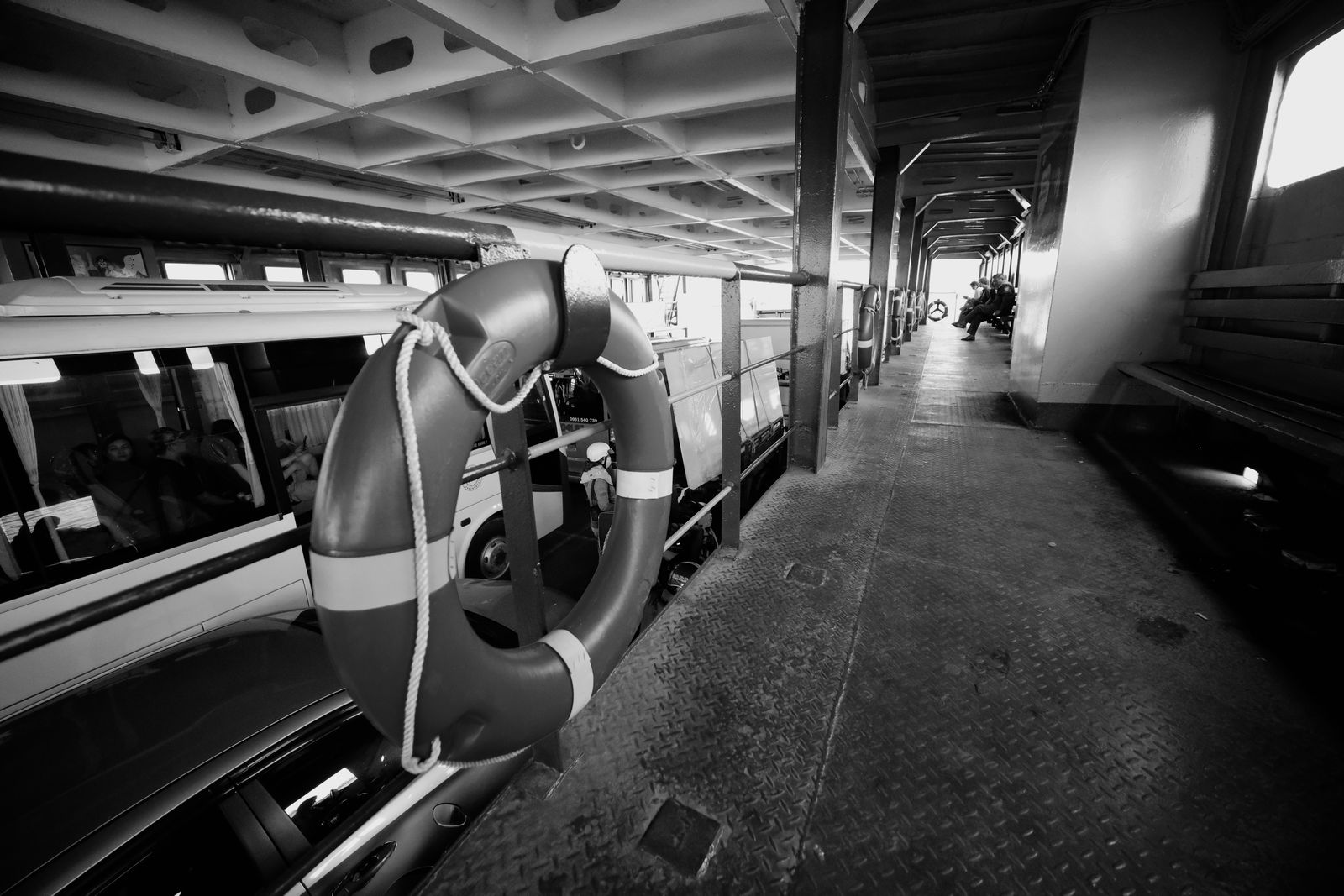
Does Deck Ventilation Delay Fire Detection?
Yes. SOLAS II-2/20 mandates continuous ventilation on closed vehicle decks, and that airflow dilutes smoke and off-gas before detectors see it.

Does a Just-Driven Car Look Like a Runaway?
For a few minutes, yes. A just-parked car's exhaust can top 400 °C and its bonnet warms for ~5 min; slope, not temperature, tells it from a runaway.
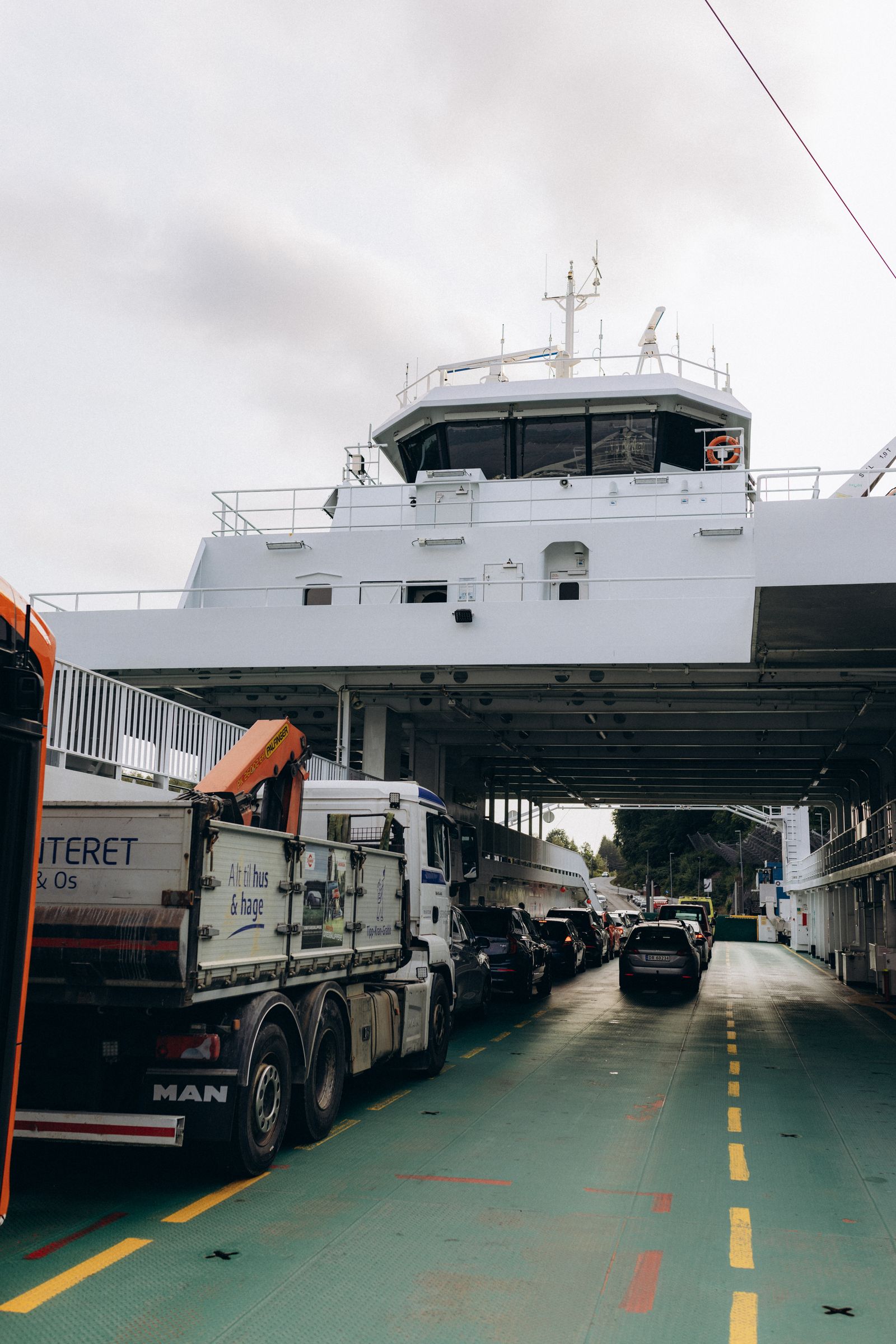
Is Fire Detection Off While the Ship Loads?
Usually, yes — smoke sections are muted while loading. From 2026 the FSS Code allows it but keeps heat detection on; 1 in 4 ro-ro fires start in port.
Commodore Clipper: The Alarm Reset 7 Times
A reefer plug ignited on a Condor ro-pax in 2010. Detection worked — 16 sensors, 81 alarms. The crew read a fault, silenced it, and lost 17 minutes.
How Fast Does a Car-Deck Fire Spread?
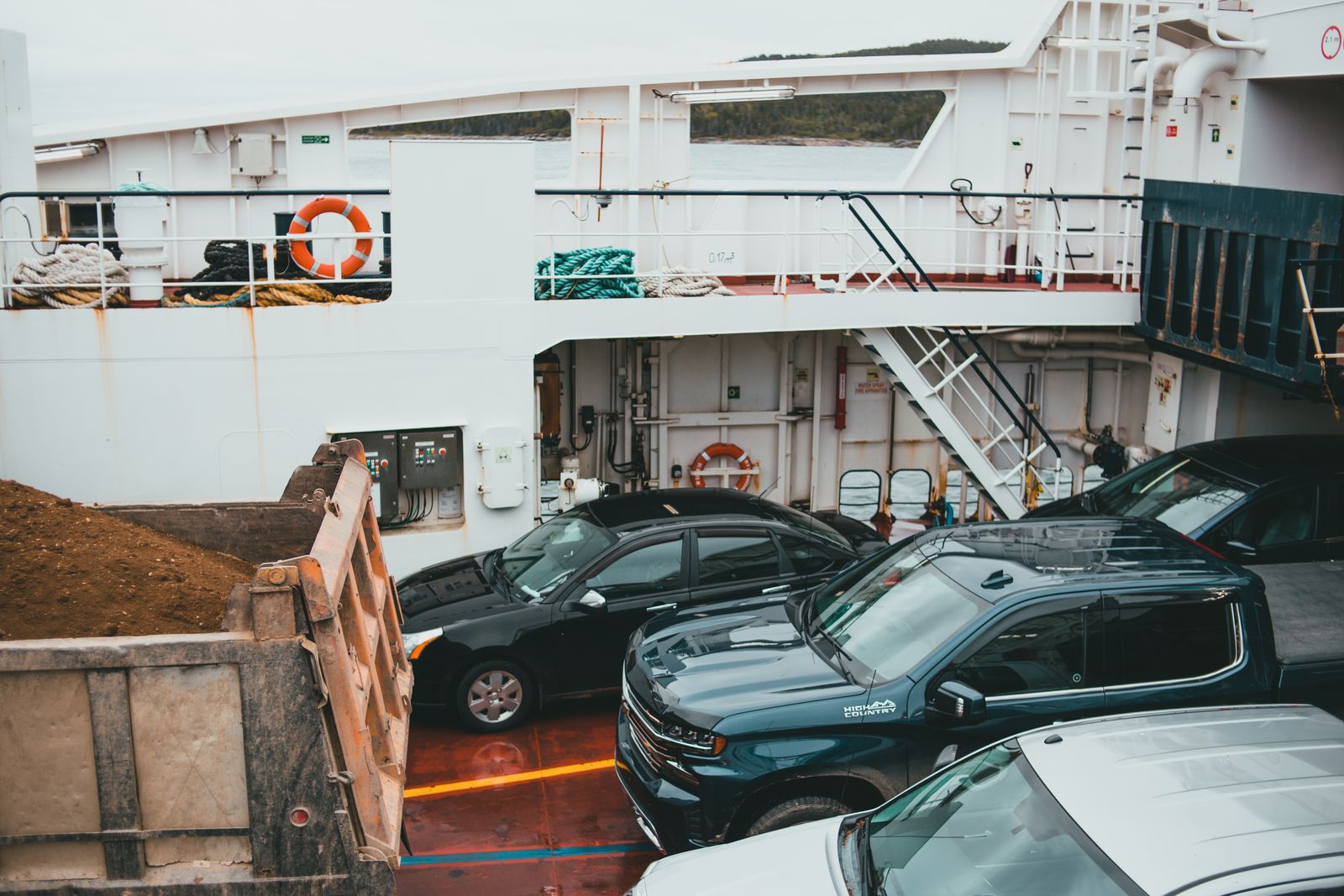
Full-scale tests show fire reaches the next car in ~20 minutes, and deck spacing is tighter than a parking lot. That spread time is your detection budget.
Does the Off-Gas Ever Leave the Battery Pack?
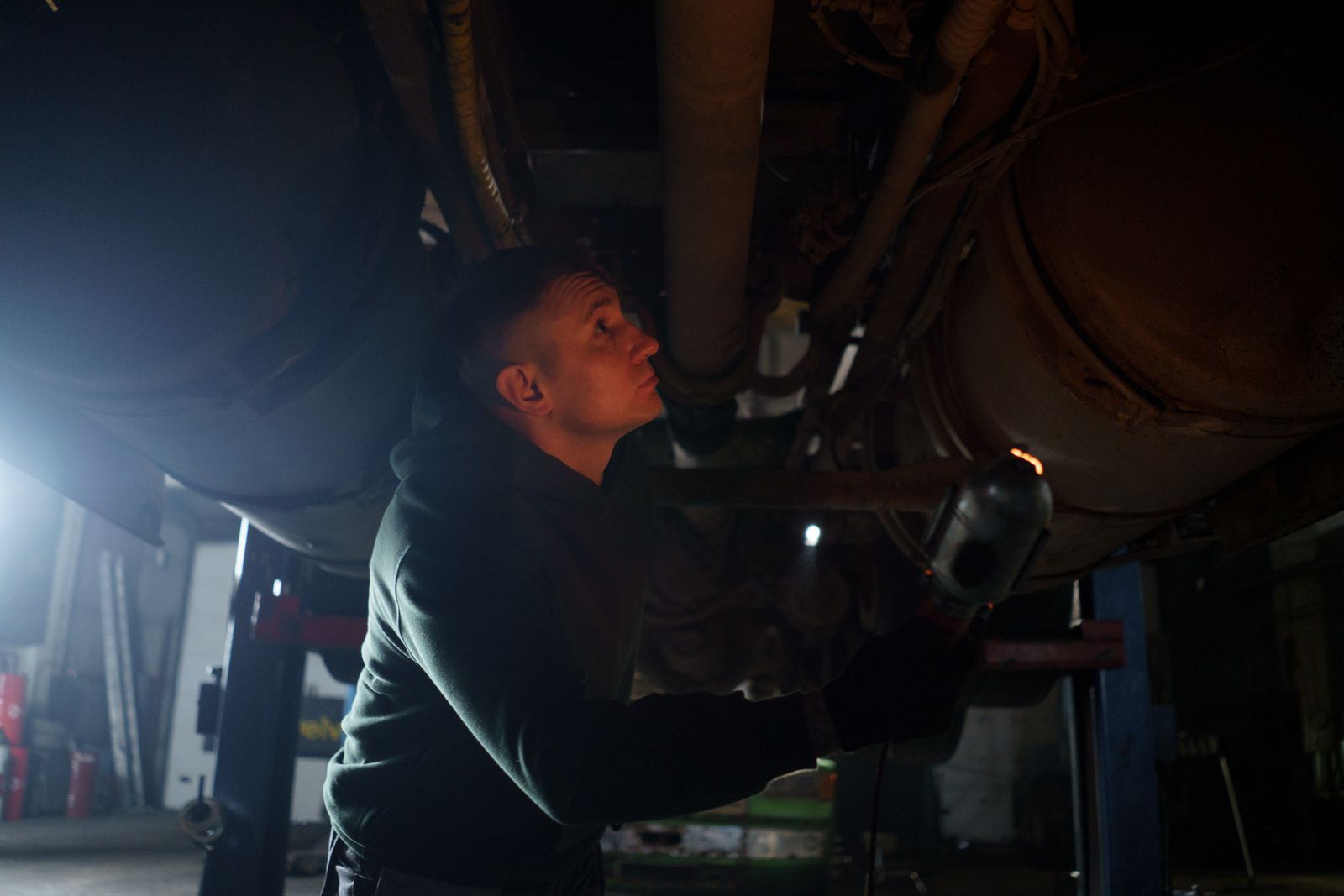
An EV pack is sealed to IP67 and releases only through a calibrated burst path. A deck sensor sees what survives that path, then dilution.

How to Evaluate Fire Detection for a PCTC
Judge PCTC fire detection on five things: how early it alarms, proven coverage on a loaded deck, false-alarm data, approvals and installation downtime.
What 24 Months of Sensor Ageing Showed
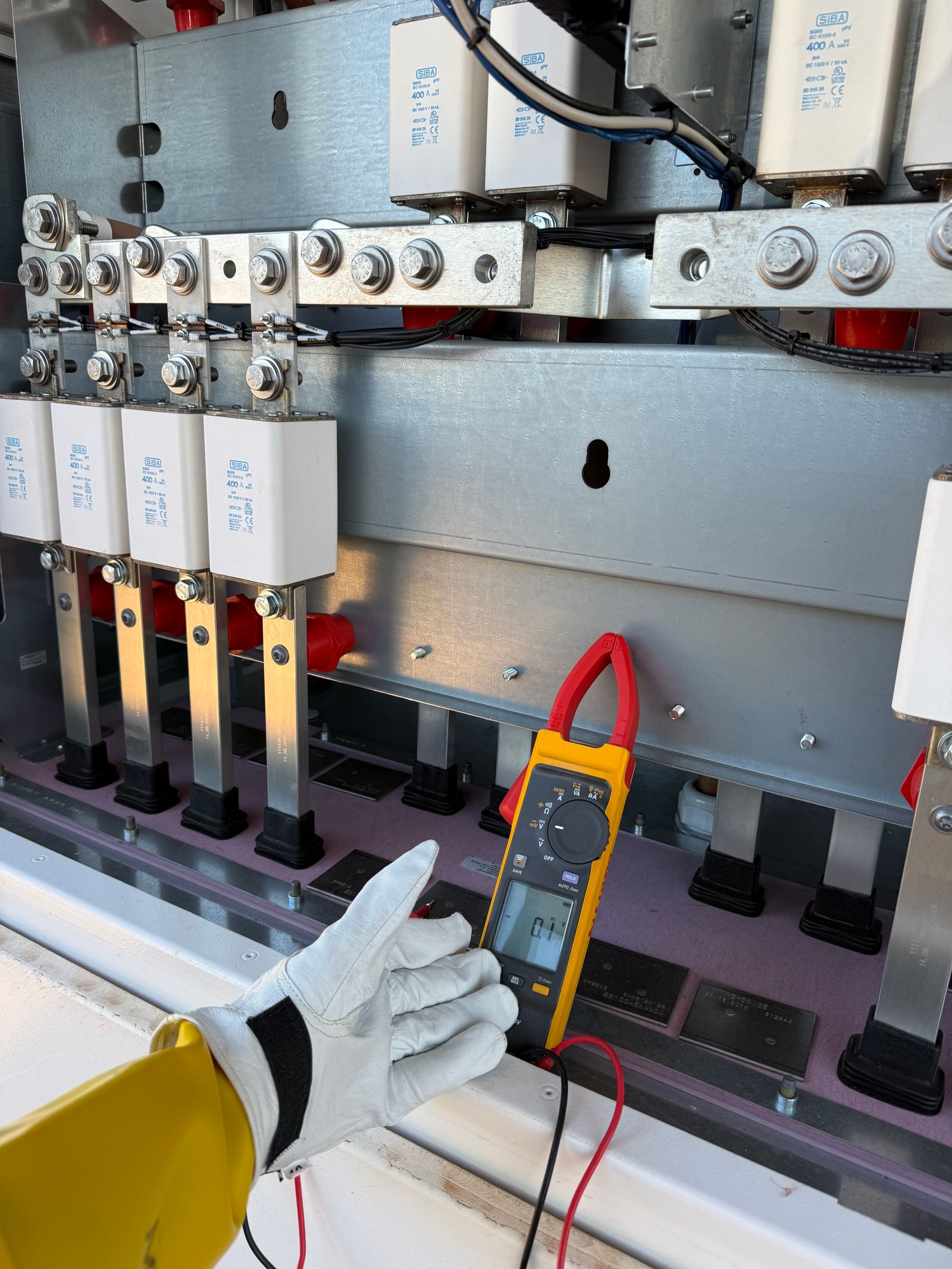
A fleet tracked gas-sensor drift for ~24 months. It was not uniform, so a single fleet-wide replacement interval was either wasteful or unsafe.