
Was the June Aster Fire an EV Fire?

No, on the evidence so far. Fire investigators point to bleaching powder mixed with asphalt cargo, and neither inquiry has implicated the EV.
No, on the evidence published so far. Two investigations have reported preliminary lines, and neither points at the electric car. On 4 October, the Maritime Industry Authority (MARINA) named loose lithium-ion batteries in contact with seawater among its strongest theories. On 16 October, the Bureau of Fire Protection went further: calcium hypochlorite, a bleaching powder, broke loose in rough seas and mixed with asphalt stowed beside it, and the mixture ignited. The operator bans that followed the fire were built on an EV cause that has not been shown.
What MARINA has said so far
That the hold held more than one battery hazard, and that the cargo was handled badly. On 4 October, MARINA's maritime safety investigation chief, Luisito delos Santos, said investigators had found rechargeable batteries used for solar power systems and electric vehicles, paint thinners, and other materials that may be flammable or corrosive. The possibility that the lithium-ion batteries came into contact with salt water and started the fire is 'among the strongest theories being considered', he said, while stressing that forensic examination is still needed to establish the exact cause.
Investigators are also checking whether undeclared gasoline was aboard. A MARINA regional chief told reporters there was a lot of flammable cargo, that it was not properly secured, and that flammable cargo should never be stowed near the passenger area. On 18 September, MARINA had already said there was no finding that the EV caused the fire. That is still its position.
What the fire bureau found
A chemical reaction in the cargo, not a battery. The Bureau of Fire Protection's task force presented its preliminary reconstruction at a Palace briefing on 16 October. Drums of calcium hypochlorite and blocks of asphalt had been stowed together at the aft end of the cargo deck, next to the engine room and its hot exhaust air. The hypochlorite was not firmly secured. When the ship met rough seas, the containers overturned and mixed, starting a rapid reaction and combustion, and a defective ventilation system let the heat build. Calcium hypochlorite is a strong oxidiser that releases oxygen and chlorine when heated, which is why it must be kept away from fuels such as asphalt.
The bureau said the fire began at about 18:30, after dark, and that thick, toxic smoke spread through the sleeping quarters, so many victims probably suffocated before they knew there was a fire. Neither the BFP's account nor the press reports of it mention the electric car or lithium batteries. The findings are preliminary, and MARINA has not yet reported.
Why the first answer was an EV
Because an EV was the most visible battery aboard, and the label formed before the cargo was examined. Within a week of the fire, the Coast Guard said it was examining 'a terrorist attack or an explosion involving the EV', and Montenegro Shipping Lines' memo of 16 September cited initial information that the explosion 'may have originated from an electric vehicle'. Island Water and Starhorse Shipping Lines followed with bans of their own, and the Department of Energy began drafting rules for carrying EVs and hybrids on domestic passenger ships.
The same pattern followed the Felicity Ace and the Thames Highway: an early EV attribution that later evidence either could not prove or contradicted. Fremantle Highway is the exception, and a useful one: Panama's flag-state report did later point to an EV, but only after the alarm printout and the stowage plan had been examined. A ship that carried one electric car among motorcycles, a forklift, solar batteries and solvents offered several ignition sources. The car was simply the easiest one to name.
What a battery-and-seawater fire is
A slow short circuit that can turn into a fire hours or days later. The US Coast Guard's Marine Safety Alert 01-23 (February 2023) warned that salt water leaves conductive deposits inside lithium-ion batteries. Those deposits keep shorting cells after the water has gone, and the cells self-heat until they catch fire. US federal teardown work on flood-damaged EVs after Hurricane Ian found the same delayed runaway. A loose battery for a home solar system, carried in a hold where seawater can reach it, faces the same mechanism, with less protective casing than a car's sealed pack.
That was MARINA's theory, and the fire bureau's later account does not need it. Either way, both investigations place the fire in cargo the bans never touched. Batteries or chemicals shipped as break-bulk on a domestic ferry are not vehicles, and no ban on carrying electric cars restricts them.
What it means for the bans and the coming rules
That a rule written around the car would regulate the wrong cargo. Montenegro, Island Water and Starhorse restricted electric and hybrid vehicles; 2GO had done the same in 2025. None of those bans covers bleaching powder, asphalt, loose lithium batteries, solvents or undeclared fuel in a ferry's hold. If the DOE-led circular follows the bans' framing, it will tighten controls on the one cargo that has not been shown to be involved. It will also leave the cargo both investigations point to, break-bulk dangerous goods, as it was.
The better target is cargo declaration and stowage on domestic passenger ships: what break-bulk carries, who declares it, where it may be stowed relative to passengers, and how a crew is warned when something in the hold starts to heat. Those controls cover a solar battery, a can of thinner and an electric car alike.
What operators should take from it
Two lessons, and neither is about electric cars. First, an early attribution should not set policy before the cargo has been examined: the June Aster bans were issued within ten days, and the leading line of inquiry changed twice within six weeks. Second, the hold of a small passenger ferry is a mixed dangerous-goods space whether or not anyone declares it. An oxidiser stowed next to asphalt is exactly what segregation rules exist to prevent, so screening and stowage of break-bulk cargo matter as much as the vehicle list. Until a final report is published the cause is not settled, but on both preliminary findings the answer to the question in the title is no.
How RoRoSAFE helps
Whatever started the June Aster fire, the crew had no early, located warning before it reached the passenger deck. RoRoSAFE is built for vehicle decks: it watches every parked vehicle with infrared thermal and battery-vent gas sensing, alerts before visible smoke and names the deck and bay. Loose cargo in a hold needs declaration and stowage discipline first. Detection is what gives the crew time when that discipline fails.
Pilot: one deck · installed alongside the berth · no drydock · 6 months of dashboard access
Sources
- 1. Daily Tribune — 'Lithium batteries eyed in deadly M/V June Aster fire' (4 October 2026), and Philstar — 'Lithium batteries eyed in Coron ferry fire' (4 October 2026): MARINA maritime safety investigation chief Luisito delos Santos on rechargeable batteries for solar power systems and EVs, paint thinners and other flammable or corrosive materials; lithium batteries in contact with salt water 'among the strongest theories'; improperly stowed cargo; possible undeclared gasoline; forensic examination still needed; EV neither ruled in nor out.
- 2. AutoIndustriya — 'MARINA: Improper cargo stowage, not EV batteries, may have caused June Aster fire': MARINA Region IV chief Maximo Bañares Jr. on flammable cargo not properly secured and not to be stowed near passenger areas.
- 3. MARINA — Official Statement, 18 September 2026: investigation ongoing; no final finding that the EV caused the fire.
- 4. Philstar — 'Possible EV link in June Aster fire prompts ferry bans, safety review' (19 September 2026): hold cargo of one EV, five motorcycles, a forklift, a pickup and general cargo; PCG examining 'a terrorist attack or an explosion involving the EV'; Montenegro memo of 16 September; Island Water restriction of 17 September. Newsbytes.ph (19 September 2026): Starhorse ban.
- 5. Philippine News Agency — 'Rescued June Aster crew member dies, toll climbs to 77' (20 September 2026). Baird Maritime — Philippine Coast Guard criminal complaint against the master for falsification of public documents (29 September 2026).
- 6. Bureau of Fire Protection preliminary reconstruction, presented 16 October 2026: The Manila Times, 'BFP identifies cause of MV June Aster fire' (17 October 2026); GMA News, 'Mishandled chlorine, asphalt may have sparked MV June Aster fire — BFP'; Maritime Executive, 'Toxic fumes may have killed the passengers of burned-out ferry June Aster' (19 October 2026). These cover calcium hypochlorite and asphalt stowed aft by the engine room, faulty lashing, rough seas, defective ventilation and toxic smoke in the sleeping quarters.
- 7. US Coast Guard — Marine Safety Alert 01-23 (3 February 2023), 'Saltwater intrusion causes damage to electric vehicle batteries'; NHTSA / Idaho National Laboratory teardown of flood-damaged EVs after Hurricane Ian, as cited in this site's post on flood-damaged EVs.
Questions, answered
What caused the June Aster fire?+
No final cause has been published. On 16 October 2026 the Bureau of Fire Protection gave a preliminary finding: drums of calcium hypochlorite, a bleaching powder, broke loose in rough seas and mixed with asphalt stowed beside them aft, by the engine room, and the mixture ignited. Earlier, MARINA had named loose lithium batteries in contact with seawater among its strongest theories.
Did an electric car cause the June Aster fire?+
There is no finding that it did. One electric car was in the hold, and early statements and operator bans focused on it, but MARINA said on 18 September that no finding linked the EV to the fire. MARINA's investigators then pointed to loose lithium batteries, and the fire bureau's preliminary reconstruction to bleaching powder mixed with asphalt. Neither mentions the car.
Why can seawater make a lithium-ion battery catch fire?+
Salt water conducts electricity well and leaves conductive deposits inside the battery. Those deposits short-circuit cells, which heat up and can go into thermal runaway, sometimes hours or days after the water has gone. The US Coast Guard warned about this in 2023 after Hurricane Ian flooded thousands of electric vehicles, some of which later caught fire.
Are electric cars still banned on Philippine ferries?+
Several operators restrict them by company policy, not by law: 2GO since June 2025, and Montenegro, Island Water and Starhorse since September 2026. The Department of Energy is drafting rules with MARINA and the Coast Guard. Both investigations so far point away from the electric car, so the bans and the coming rules may be revisited.
Continue the thread
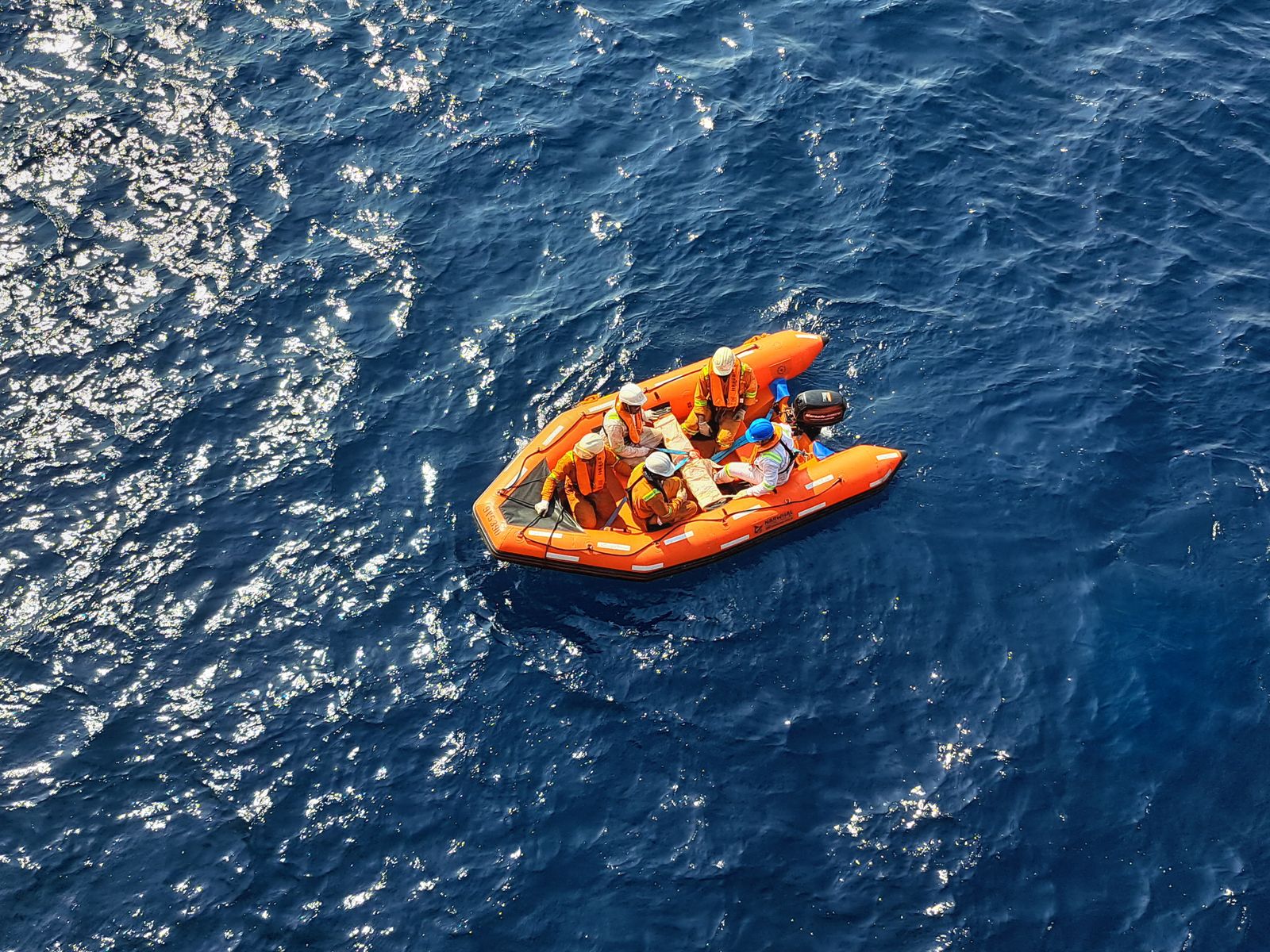
June Aster: Thirty Minutes to the Water
A hold fire killed 77 on the June Aster off Coron in Sept 2026. Fire investigators now point to bleaching powder mixed with asphalt, not the EV.

Do Ferry EV Bans Make the Car Deck Safer?
Only partly. A ferry EV ban removes the hardest fire to fight, not the common ones, and June Aster now points at chemical cargo no EV ban covers.
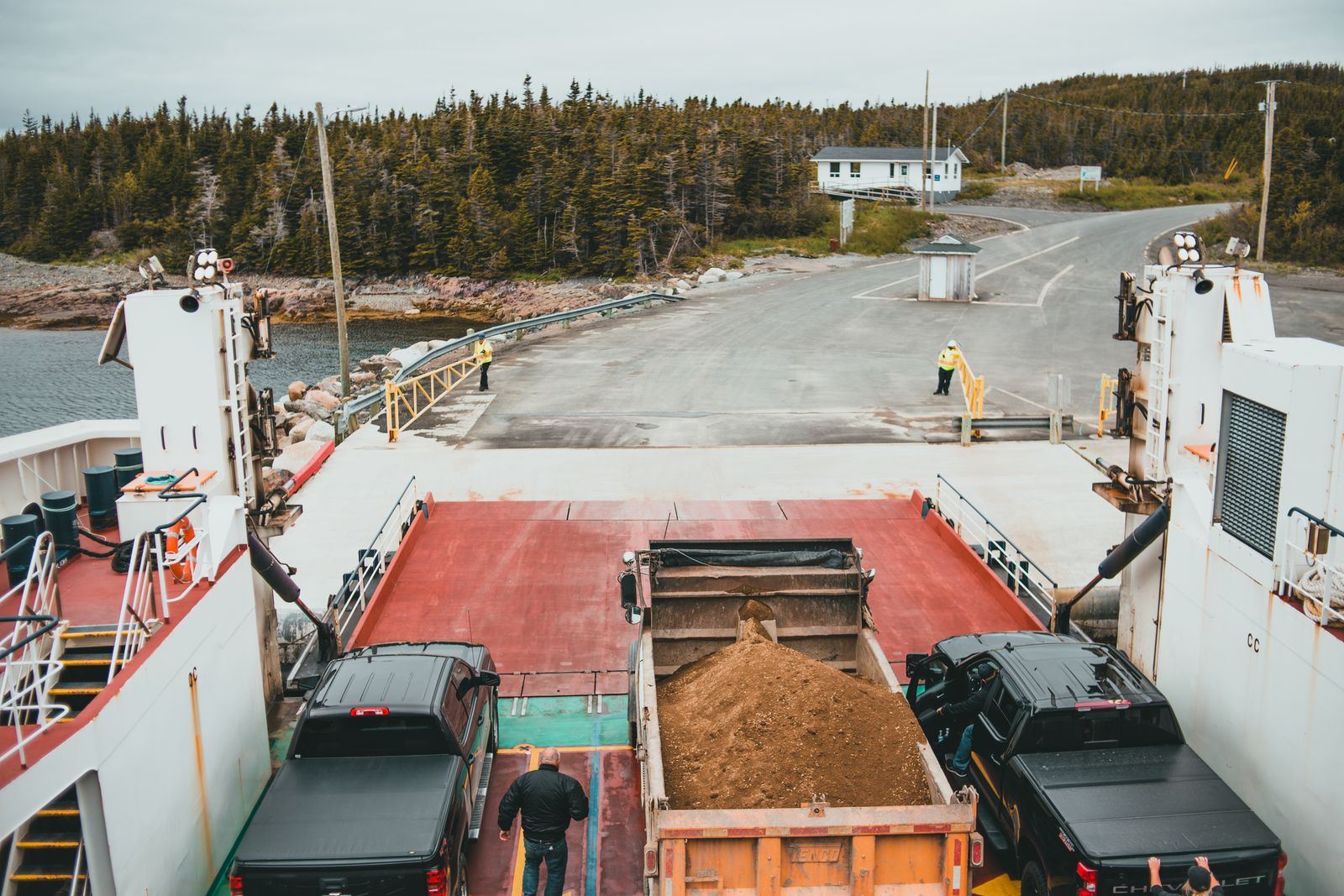
What Will the Philippines' EV Ferry Rule Say?
Still unissued. Fire investigators now point at bleaching powder and asphalt cargo, not the EV, so the DOE–MARINA circular must cover more than cars.

Was the Thames Highway Fire an EV Fire?
No — the Thames Highway fire started in the engine room, not among its 477 EVs. But a deck of EVs is exactly why fast containment mattered.
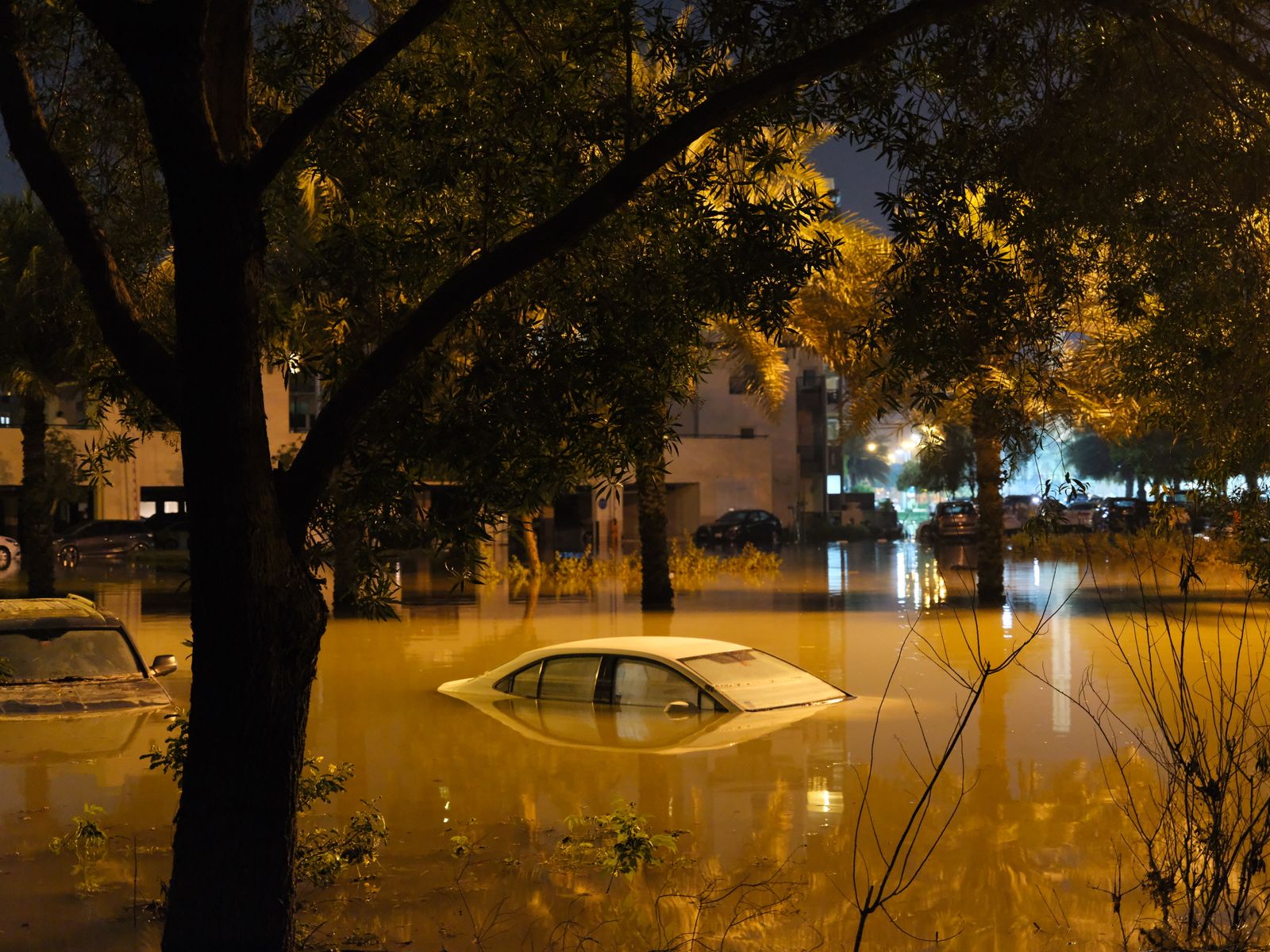
Are Flood-Damaged EVs a Shipping Fire Risk?
Yes — salt water leaves conductive bridges inside an EV pack that trigger runaway days later. The US Coast Guard tells shippers not to load them.

Do Dangerous Goods Make a Ro-Ro Fire Worse?
They can. Declared dangerous goods sail segregated under the IMDG Code; the bigger risk is the undeclared trailer parked next to everything else.
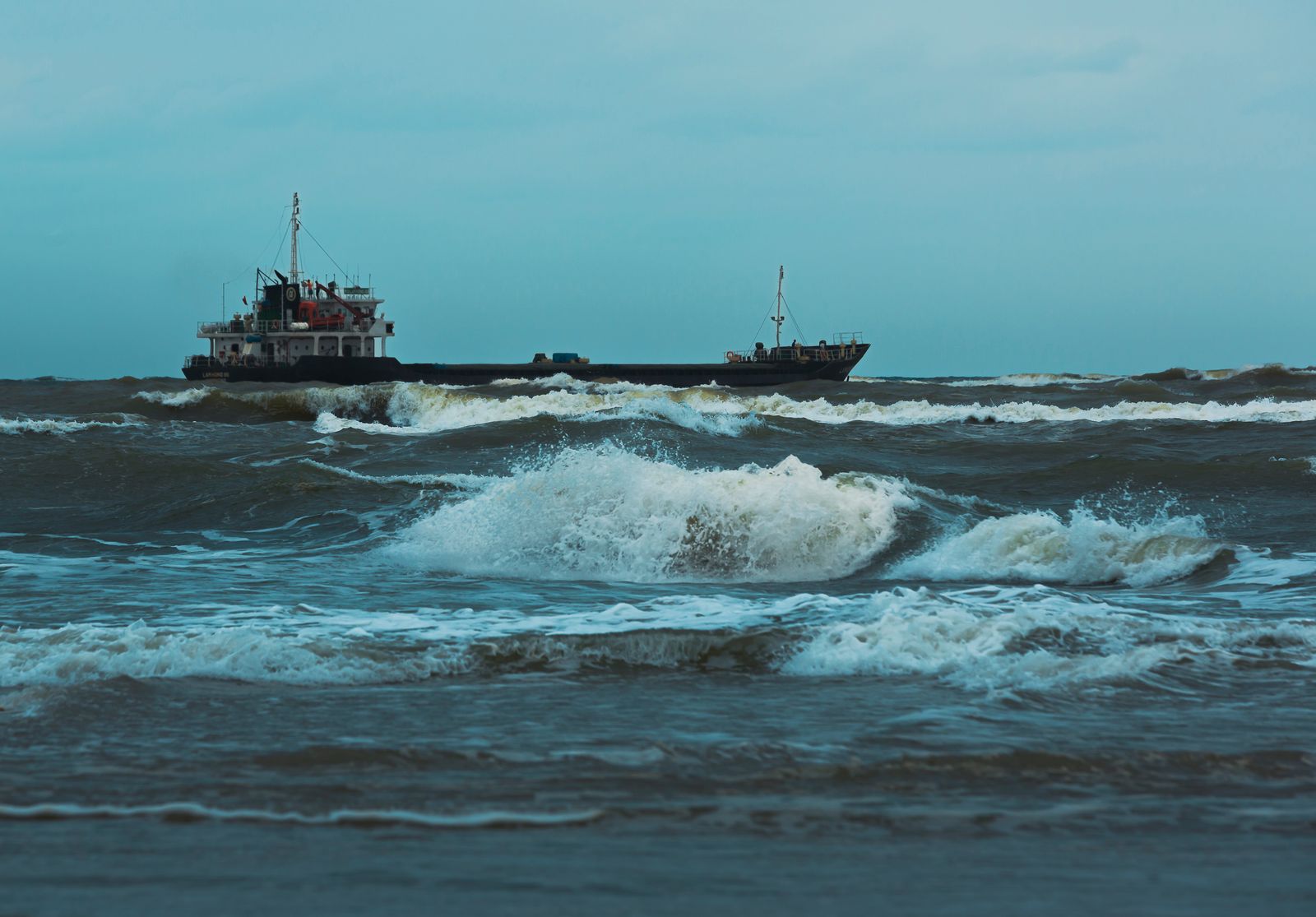
Why Felicity Ace's Cause Was Never Proven
Because the evidence burned, sank in 3,000 m of water and was never recorded. Every car-deck fire with a proven cause stayed afloat; no deep-sea loss did.

What Causes EV Fires in RoRo Ships?
Usually not the EV. Three of four recent car-deck fires with an investigated cause began elsewhere; Panama traces the fourth, Fremantle Highway, to an EV.