
What Happens to a Ferry Line After a Fatal Fire?

Its sister ships stop. In October 2026 the Philippine labour department grounded six June Aster sister ferries over safety paperwork, not the fire.
Its other ships come under every regulator at once, and the first lever to bite is often not a maritime one. Six weeks after the June Aster fire killed 77 off Coron, the Philippine labour department stopped work on six of the operator's ferries. The reason was a missing safety programme, safety officers and emergency plan, not anything yet established about what caused the fire.
What did the labour department order, and why?
It ordered six Atienza Interisland Ferries vessels to stop work until the company meets occupational safety and health rules. The National Capital Region office of the Department of Labor and Employment (DOLE) issued separate work stoppage orders for MV Star San Carlos, September Tulips, December Poinsettia, October Lavender, May Lilies and November Cattleya, all anchored at Navotas Fish Port. Labor Secretary Francis Tolentino confirmed them to reporters on 19 October 2026.
DOLE-NCR's director said the six ships had no occupational safety and health programme, no safety officers and no emergency preparedness module. A hearing at DOLE's central office on 8 October had found the same gaps at company level: no workplace safety programme, no emergency response measures, no safety committee and no trained safety officer. Separately, DOLE reported insufficient protective equipment and missing mandatory safety reports, plus about ₱665,874 in unpaid overtime, holiday pay, night differentials and leave benefits.
The company must keep paying the affected crews while the ships are idle, because DOLE found the violations attributable to the employer. Reports give 23 October as the compliance deadline, and the ships cannot sail until DOLE is satisfied.
Why can a labour inspector ground a ship?
Because a domestic ferry is a workplace, and Philippine labour law treats it as one. Article 128 of the Labor Code and Republic Act 11058, the 2018 occupational safety and health law, give the Labor Secretary inspection and enforcement powers. DOLE's Department Order 238 of 2023 sets out how they are used. Its Rule III lists Philippine-registered ships in domestic shipping among the priority establishments for inspection. Its Rule VI allows a stoppage of work or suspension of operations where non-compliance poses grave and imminent danger to workers.
The same department order makes the stoppage quick on both ends. A hearing must follow within 24 hours of issuance. Once the employer proves the danger has been abated, the order must be lifted within 24 hours. Where the danger is the employer's fault, the employer pays the workers' wages for the idle period.
None of this requires a finding on the fire. A labour inspector does not ask what ignited in the hold. The question is whether the company runs a working safety system for the people it employs, and on a ferry those people are also the first fire responders. An emergency preparedness module for crew is, in practice, the ship's fire response written down. That is why a labour order and a fire casualty land on the same fleet.
What have the maritime regulators done?
They have gone after the fleet's fire readiness and the crew's licences, while the cause remains open. Under MARINA Advisory 2026-04, the Maritime Industry Authority ordered targeted fire-safety inspections of Atienza's remaining active ships, starting with Star San Carlos and October Lavender. Inspectors are checking onboard firefighting systems, the adequacy of equipment and the crew's emergency response, and deficiencies must be fixed before the ships get port clearance. MARINA and the Philippine Coast Guard suspended the June Aster crew's licences while they take testimony. The Coast Guard has also filed a complaint against the master for falsifying public documents over the number of people declared aboard.
MARINA Administrator Sonia Malaluan framed the audit plainly: "true vessel safety requires proven operational capability rather than simple document compliance." That sets a higher bar than the labour order. A safety programme on file will satisfy DOLE's checklist. It will not show MARINA's inspectors that a crew can fight a hold fire.
The cause is still not settled. On 4 October MARINA's investigators pointed at rechargeable lithium batteries, paint thinner and badly stowed cargo rather than the electric car in the hold. On 16 October the Bureau of Fire Protection gave its preliminary reconstruction at a Palace briefing. Drums of calcium hypochlorite, a bleaching powder, broke loose in rough seas and mixed with asphalt stowed beside them aft, by the engine room, and ignited. Most victims were probably suffocated by toxic smoke in their bunks. The bureau said the operator, crew and port personnel could face criminal charges, and officials who failed to inspect the ship could face administrative ones. Whatever the final finding, the sister ships were stopped before it arrived.
How long does the aftermath last?
The fleet-wide stop comes in days or weeks. The decisive licence action can take years. The Philippines has two recent patterns to compare.
The Princess of the Stars sank off Sibuyan Island in Typhoon Frank on 21 June 2008 with 851 people aboard, and 32 survived. The Board of Marine Inquiry found Sulpicio Lines administratively liable and recommended suspending its certificate of public convenience. MARINA cancelled that passenger certificate in early 2015, almost seven years later, and limited the company, by then renamed Philippine Span Asia Carrier, to cargo. The ruling did not rest on the typhoon alone. It found the company had failed to make its ISM safety management system work: shipboard operations plans, equipment maintenance, safety-equipment requisitions and ship-shore coordination.
Aleson Shipping Lines shows the faster version. After its Lady Mary Joy 3 caught fire off Basilan on 29 March 2023, MARINA ordered surveys of every Aleson vessel. When its Trisha Kerstin 3 capsized near the same island in January 2026, with 18 bodies recovered, the transport department kept all Aleson passenger ships in port for a 10-day safety audit. Maritime Executive counted more than 30 safety incidents across the company's ships in seven years.
Across both cases the regulator's grip was the company's safety system and its record, not the single casualty. That is also what DOLE's order tests at Atienza.
What should other ferry operators take from it?
After a fatal fire, every regulator audits what the company can prove. An operator that wants its sister ships sailing needs that proof ready before the casualty, not assembled after it.
- The paper layer: a written occupational safety and health programme, a named and trained safety officer, a safety committee, an emergency preparedness plan and the reports the labour rules require. These are what stopped six Atienza ships.
- The capability layer: drills that rehearse a cargo-hold or vehicle-deck fire, equipment that is maintained and logged, and crews who can show inspectors what they would do. This is the 'proven operational capability' MARINA's audit asks for.
- The cargo layer: declared cargo, checked stowage and segregation of flammable and corrosive goods. Every current line of the June Aster inquiry runs through the hold.
- The record: maintenance logs, alarm histories and drill records that survive the casualty. Sulpicio's passenger licence fell on documented safety-management failures years after the sinking.
A fleet that can produce those records in a week keeps its ships moving while the investigation runs. A fleet that cannot gets measured against an inspector's checklist, ship by ship, at the quay.
How RoRoSAFE helps
After a fatal fire, sister ships are judged on what the operator can prove: that cargo spaces were watched, alarms were acted on and crews responded. RoRoSAFE places infrared thermal and battery-vent gas sensing under each parked vehicle, with tiered bridge and shore alerts naming the deck and bay. Its tamper-evident logs and export-ready reports give inspectors and insurers a record of the deck. It complements SOLAS detection and suppression; it replaces neither.
Pilot: one deck · installed alongside the berth · no drydock · 6 months of dashboard access
Sources
- 1. GMA News, 'DOLE issues work stoppage vs operator of MV June Aster' (19 October 2026): six vessels named; no OSH programme or safety officer; compliance deadline of 23 October; wages to continue; BFP on improperly secured chlorine and asphalt cargo; PCG identification of 60 fatalities with 11 pending. SunStar, 'DOLE halts work on 6 Atienza Interisland Ferries vessels over labor violations' (19 October 2026): six separate orders at Navotas Fish Port; DOLE-NCR Director Roy Buenafe on the missing OSH programme, safety officers and emergency preparedness module; June Aster labour-standards violations totalling ₱665,873.85; missing safety committees, insufficient PPE and unsubmitted OSH reports.
- 2. The Philippine Star, 'DOLE suspends 6 Atienza Ferries vessel operations' (20 October 2026): the 8 October hearing at DOLE's central office; Secretary Tolentino on wages and on violations attributable to the employer. The Manila Times, 'DOLE orders work stoppage on 6 vessels of shipping firm in deadly ferry fire' (19 October 2026). BusinessWorld and Daily Tribune (19 October 2026) report the order as dated 12 October after an inspection on 10 October, citing DO 238 Rule VI, Labor Code Article 128 and RA 11058.
- 3. DOLE Department Order 238, series of 2023 (12 April 2023), the revised rules on labour standards and OSH inspection: Rule III §2(d), Philippine-registered domestic shipping vessels among the priority establishments; Rule VI §1(d)–(e), work stoppage for grave and imminent danger, a hearing within 24 hours, lifting within 24 hours of proof of abatement, and wages paid by the employer where the employer is at fault. Republic Act 11058 (2018), the OSH Standards law; Labor Code Article 128.
- 4. The Manila Times, 'Marina audits Atienza ships after Palawan blaze' (23 September 2026): MARINA Advisory 2026-04; targeted fire-safety inspections of Star San Carlos and October Lavender; deficiencies to be fixed before port clearance; June Aster crew licences suspended; Administrator Sonia Malaluan's statement.
- 5. The Manila Times, 'BFP identifies cause of MV June Aster fire' (17 October 2026), and Maritime Executive, 'Toxic fumes may have killed the passengers of burned-out ferry June Aster' (19 October 2026): the BFP's preliminary reconstruction presented on 16 October, covering calcium hypochlorite and asphalt, rough seas, toxic smoke, and criminal and administrative charges.
- 6. Daily Tribune and The Philippine Star (4 October 2026), on MARINA's Luisito delos Santos and the lithium battery, paint thinner and stowage lines of inquiry. Baird Maritime (29 September 2026), on the PCG complaint against the master for falsification of public documents. Philippine News Agency (20 September 2026): 77 dead. These are as cited in this site's June Aster case study.
- 7. PortCalls Asia, 'MARINA revokes Sulpicio's passenger permit, limits line to cargo transport' (February 2015), and Inquirer, 'MARINA bans Sulpicio Lines, now Span Asia, from transporting passengers' (2015): cancellation of the certificate of public convenience granted 16 May 2005; ISM Code non-conformities; Princess of the Stars sank 21 June 2008 with 851 aboard and 32 survivors. A Senate press release (27 August 2008) covers the Board of Marine Inquiry's finding of administrative liability and its recommended suspension.
- 8. GMA News, 'MARINA starts probe into deadly Basilan ferry fire' (March 2023): surveys ordered on all Aleson Shipping Lines vessels after the Lady Mary Joy 3 fire of 29 March 2023. Maritime Executive, 'Philippines issues no-sail order to ferry operator after fatal sinking' (27 January 2026): Trisha Kerstin 3, 18 bodies recovered, all Aleson passenger vessels held in port for a 10-day safety audit, more than 30 safety incidents in seven years.
Questions, answered
Why did DOLE stop the Atienza ferries after the June Aster fire?+
Because inspectors found the company lacked an occupational safety and health programme, safety officers and an emergency preparedness module, which are labour-law requirements for any workplace, including domestic ships. The orders cover six Atienza vessels at Navotas Fish Port and stay in force until the company complies. They do not depend on any finding about what caused the June Aster fire.
Can a labour department legally stop a ship from sailing?+
In the Philippines, yes. Under Article 128 of the Labor Code, RA 11058 and Department Order 238 of 2023, DOLE can order a stoppage of work where non-compliance with safety standards poses grave and imminent danger to workers. Domestic shipping vessels are a named inspection priority. The employer must pay idle wages if at fault, and the order is lifted once compliance is proven.
Has MARINA suspended Atienza Interisland Ferries?+
Not as a company, on the reports available to 20 October 2026. MARINA ordered targeted fire-safety inspections of Atienza's remaining ships under Advisory 2026-04, with deficiencies to be fixed before port clearance. It also suspended the June Aster crew's licences pending the investigation. Any licence action against the company would normally follow the casualty investigation.
How long does it take to sanction a ferry company after a disaster?+
Fleet-wide holds come quickly. Aleson Shipping's passenger ships were kept in port for a 10-day audit after a sinking in January 2026. Licence action is slower. MARINA cancelled Sulpicio Lines' passenger certificate in 2015, almost seven years after the Princess of the Stars sank, citing failures in its ISM safety management system.
Continue the thread
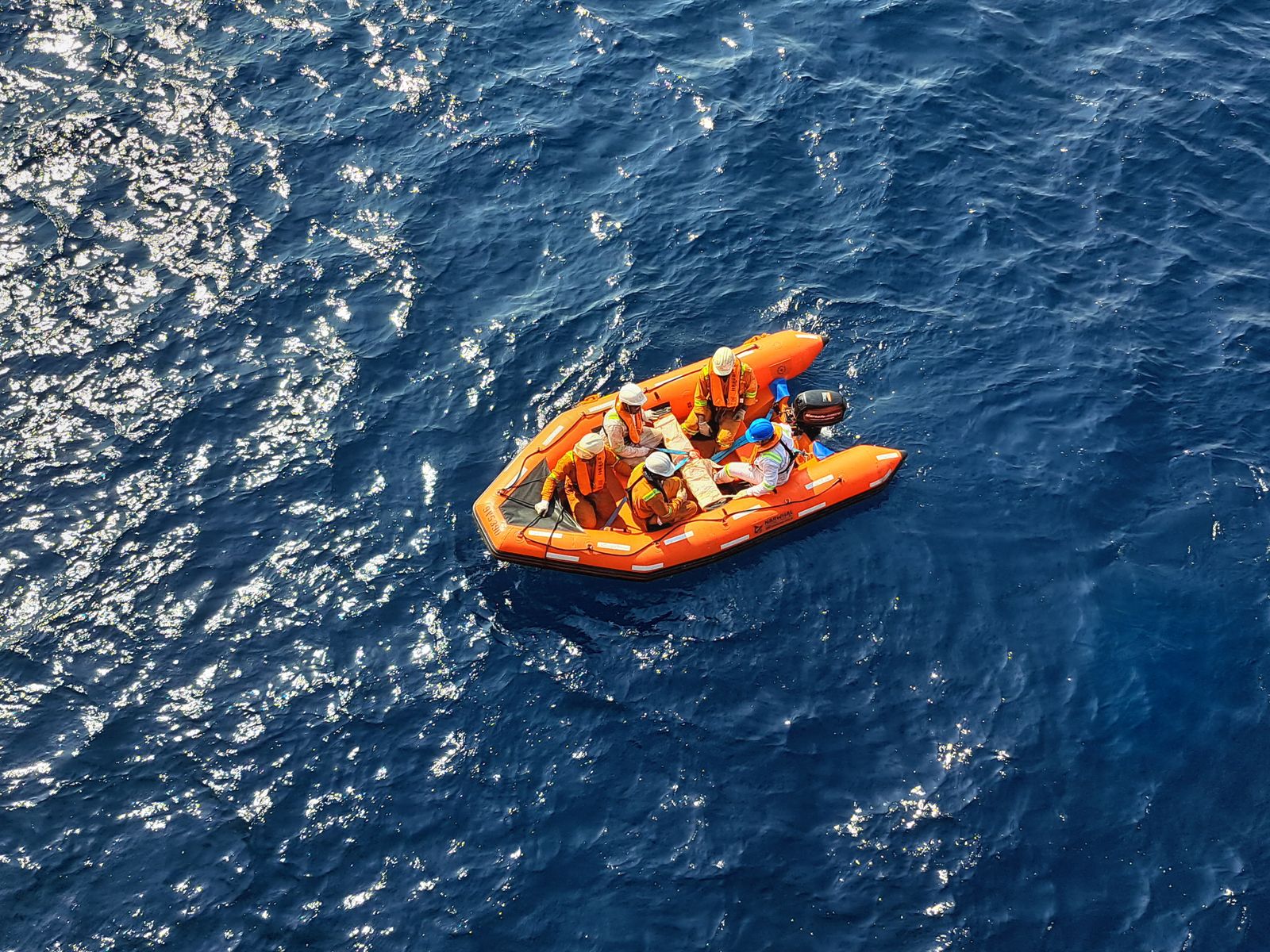
June Aster: Thirty Minutes to the Water
A hold fire killed 77 on the June Aster off Coron in Sept 2026. Fire investigators now point to bleaching powder mixed with asphalt, not the EV.

Was the June Aster Fire an EV Fire?
No, on the evidence so far. Fire investigators point to bleaching powder mixed with asphalt cargo, and neither inquiry has implicated the EV.
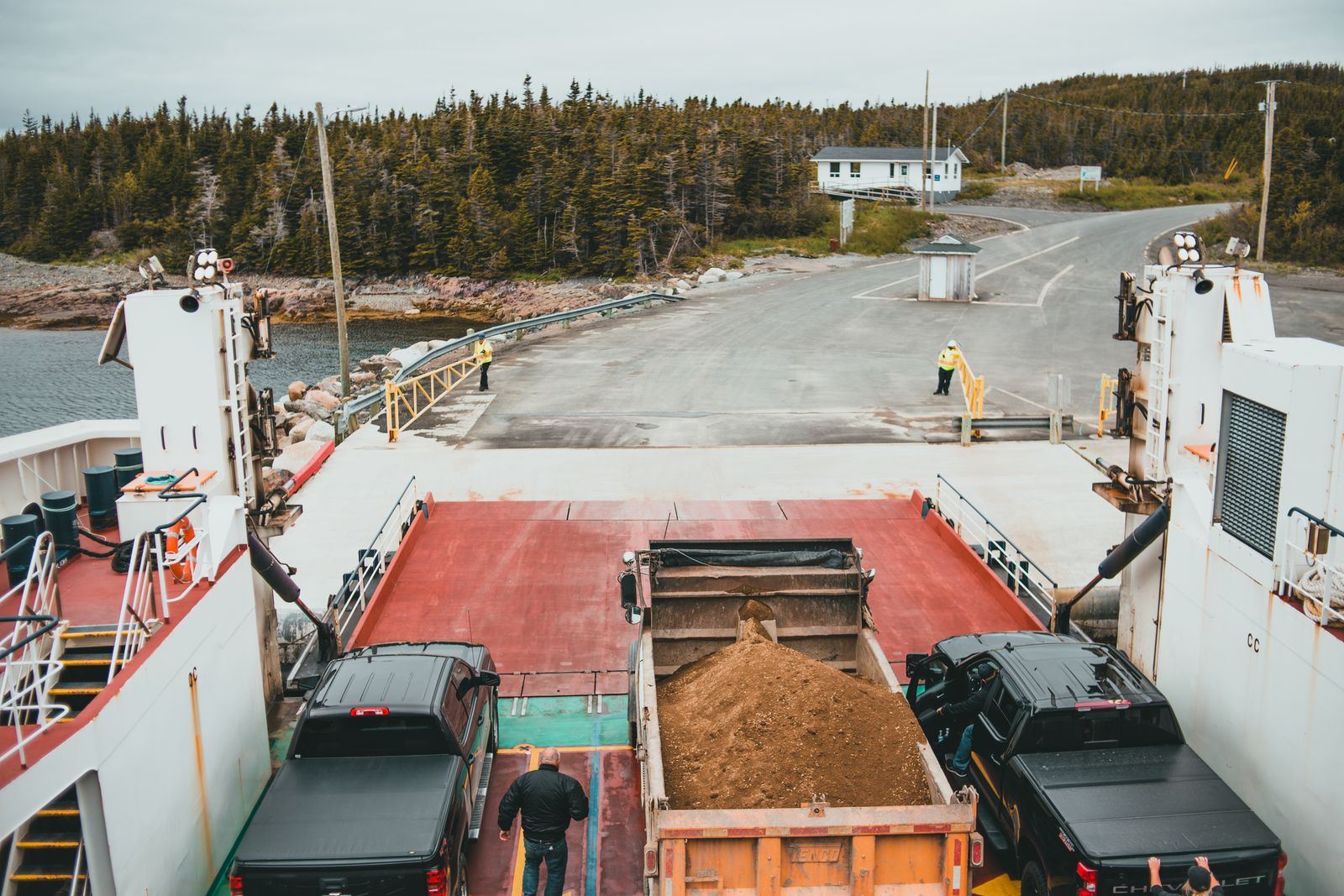
What Will the Philippines' EV Ferry Rule Say?
Still unissued. Fire investigators now point at bleaching powder and asphalt cargo, not the EV, so the DOE–MARINA circular must cover more than cars.

Do SOLAS Fire Rules Cover Domestic Ferries?
Not directly. SOLAS covers international voyages; a domestic ferry answers to its flag state, so 2026 vehicle-deck rules reach it only if copied.
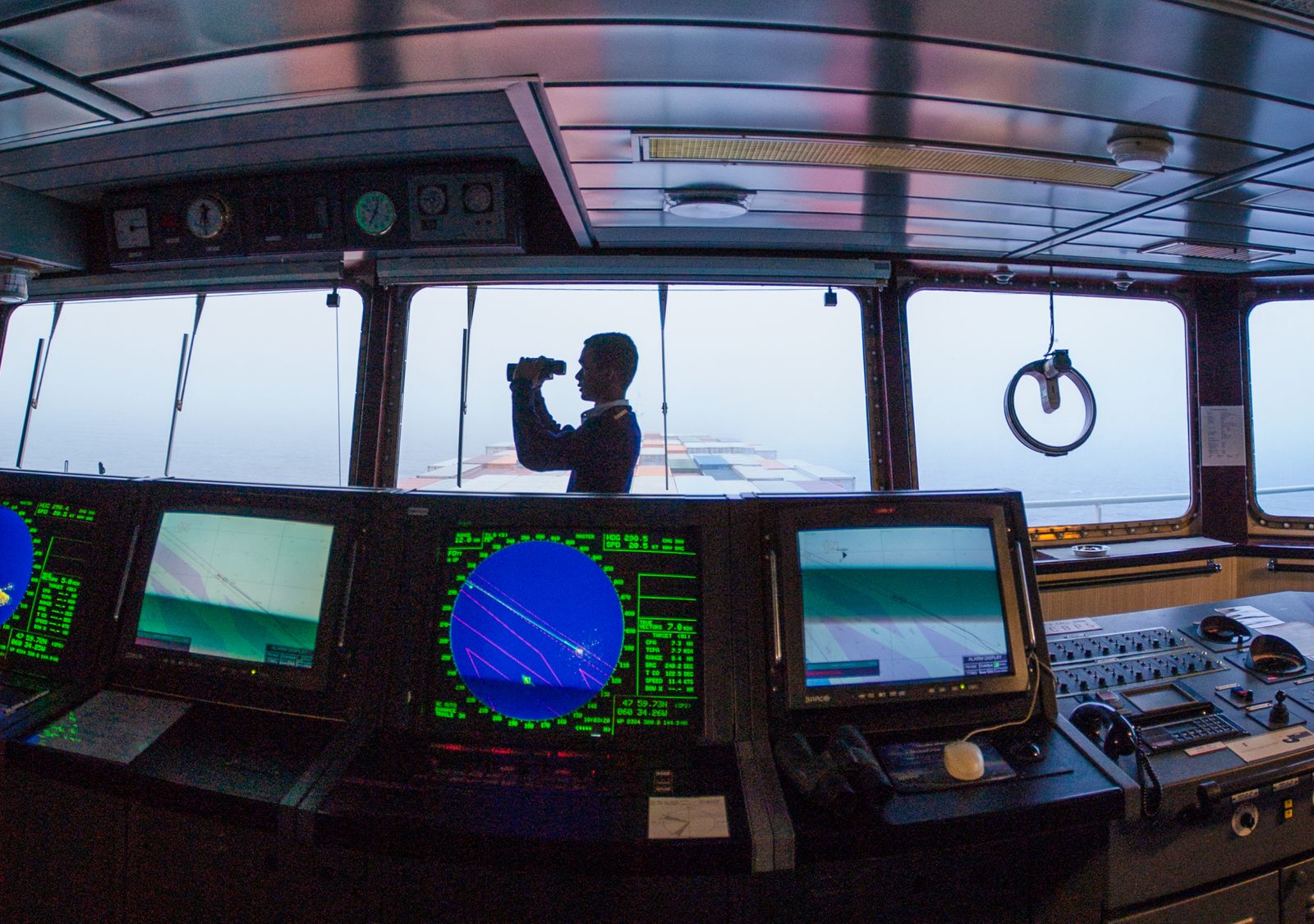
Can a Master Be Prosecuted After a Fire?
Masters get detained and charged after casualties. IMO/ILO fair-treatment guidelines are non-binding, and the crew answers for undeclared cargo.

Are Crews Trained to Fight an EV Fire?
Mostly not. STCW firefighting training is generic — and a battery in thermal runaway can't be put out by routine crew firefighting at all.