
What Causes EV Fires in RoRo Ships?

Rarely the EV. Every car-deck fire with a proven cause began in a conventional or used car's electrics; a battery starts one by one of four routes.
Rarely the EV — and that is the first thing the causal record says. Every vehicle-carrier fire of the last decade with a proven cause started in the electrics of a conventional or used vehicle, or in a port's own pusher truck; the fires attributed to EVs (Felicity Ace, Fremantle Highway, Morning Midas) have no proven cause at all. When a lithium-ion pack does start a fire, it is one of four mechanisms: an internal cell defect, mechanical damage, water ingress, or charging.
The distinction matters because 'EV fire' is now a pricing and policy category — surcharges, state-of-charge caps, outright bans on some ferries — while the ignition sources the investigators actually named are older and cheaper to control. An owner who reads the record as 'EVs cause car-deck fires' buys the wrong control; an underwriter who prices it that way misprices the used-car trade that has produced the proven losses.
What the proven causes on car decks actually are
Electrical faults in conventional vehicles, most of them used. The NTSB found the Höegh Xiamen fire (Jacksonville, 4 June 2020; a $40 million total loss) started as an electrical fault from an improperly disconnected battery in a used vehicle on deck 8, after longshoremen did not follow the operator's battery-securement procedure and no one caught it. The UK MAIB traced the Corona Seaways fire (Kattegat, 4 December 2013) to an electrical defect in a used vehicle's engine-starting system. The NTSB's report on Grande Costa d'Avorio (Port Newark, July 2023; two firefighters killed) found the ignition source was the port's pusher vehicle — a 2008 Jeep Wrangler whose transmission fluid boiled over onto a hot engine, a known recall condition — used contrary to OSHA rules in place of a powered industrial truck. None of these was a traction battery.
The statistical picture from EMSA's FIRESAFE studies says the same thing at population scale: an electrical fault originating in the cargo is the most common cause of fire in a ro-ro space, around 30% of ro-pax fires originate on the vehicle deck and 90% of those in the cargo, and refrigerated units are the most fire-hazardous cargo type per unit carried. The three losses that made 'EV fire' a phrase — Felicity Ace (2022), Fremantle Highway (2023), Morning Midas (2025) — are the ones without a determined cause: Felicity Ace sank before any investigation could board; the Dutch Safety Board could not establish the Fremantle Highway ignition source; Morning Midas sank three weeks after the first smoke.
How a battery actually starts a fire
Through one of four routes to an internal short, each with a different fingerprint at loading. The first is a manufacturing defect — separator damage, a metal particle, lithium plating — that turns into an internal short under normal use; it needs no external trigger and is the mechanism behind the field failures that produce battery recalls. The second is mechanical damage: an underbody impact on a ramp, a lashing point on a pack skirt, a curb strike before delivery, which can breach a cell or a coolant line and short it days later. The third is water ingress — a flood-damaged vehicle whose pack has been in salt water is the highest-probability EV ignition source a deck can carry, which is why the corpus treats it separately. The fourth is charging: the first EV fire at sea, Pearl of Scandinavia (2010), was a converted Nissan Qashqai on charge on the vehicle deck, and onboard charging is the one EV activity ferries have restricted almost universally since.
A fifth route is not a cause but a consequence: external heating. A pack that is fine until the conventional car beside it burns is the mechanism by which a used-car electrical fire becomes a battery fire, and it is the route that turns a deck fire into a total loss. Everything an EV adds to the loss record — re-ignition, flammable vent gas, resistance to CO₂ and drencher water — happens after ignition, whatever ignited it.
What state of charge does and does not do
It is an amplifier, not a cause. A cell at 30% state of charge with a separator defect will still short; what changes with charge level is the energy released and the gas produced when it does. Vent-gas studies show why the caps exist: at 0% SOC the vent is about 95% CO₂ and barely flammable, while at 75–100% it is roughly half carbon monoxide and a quarter hydrogen with a lower flammability limit near 10%. Ferry and deep-sea state-of-charge policies — EMSA's recommendation below 30% for ferries, the 50%-or-below common on car carriers — are about limiting consequence. They do not screen out any of the four ignition mechanisms, and a policy that stops at SOC has controlled the size of the fire without touching its probability.
How often an EV actually ignites
Far less often than a conventional car, on every national dataset that counts both. The Swedish Civil Contingencies Agency's figures — about 3.8 fires per 100,000 battery-electric vehicles against about 77 for petrol and diesel, and roughly 20 EV fires a year in a fleet that has doubled to 611,000 — are the most-cited, and the EU LASH FIRE project and IUMI's own 2023 position reached the same conclusion for the maritime case. A car deck's ignition probability is therefore dominated by the conventional and used vehicles on it, which are the majority of most cargoes. What an EV changes is not whether a fire starts but how the deck behaves once one has — which is the argument the sibling post on EV share makes in full.
What the deck adds to any ignition
The conditions that turn a fault into a casualty are the ship's, not the cargo's. Vehicles are stowed 30 centimetres apart on decks that can hold thousands of them, so the vehicle-to-vehicle spread window is minutes. The space is enclosed and mechanically ventilated, which dilutes and displaces the early thermal and gas signatures that a fixed detector is waiting for, and delays the alarm. The fixed systems most of the fleet carries — CO₂ flooding, or drenchers designed for hydrocarbon fires — need a sealed space or a reachable seat of fire, and a pack in thermal runaway offers neither. And the crew's access is constrained by ramp geometry, lashings and smoke, so the first response is almost always at a distance. FIRESAFE II's finding that one in four ro-ro fires starts in port or just after departure adds the last condition: the deck is most likely to ignite when it has just been loaded and is least likely to be watched.
What it means for owners and underwriters
Price and control the ignition risk the investigators found, and the consequence risk the EVs add, as two different things. For the owner: used-vehicle acceptance and battery-securement procedures are where the proven causes lived, and they are audit items, not capital projects; the EV consequence is managed by state of charge, stowage and — above all — how early a fault is seen. For the underwriter: an EV surcharge prices the consequence tail and nothing else; the ignition frequency on a deck full of used cars is a separate exposure with its own, documented, loss history. For both, the question to ask of a detection scheme is whether it would have seen an arcing 12-volt battery on a used car on deck 8 — because that, not a traction pack, is what the record says starts the fire.
How RoRoSAFE helps
Most proven car-deck fires start in a conventional car's electrics, and a battery can start one by several routes. RoRoSAFE watches every parked vehicle the same way, EV or not, with infrared thermal and battery-vent gas sensing, and alerts before visible smoke. Whatever the cause, the crew gets an early warning that names the vehicle's bay.
Pilot: one deck · installed alongside the berth · no drydock · 6 months of dashboard access
Sources
- 1. NTSB — Marine Investigation Report, fire aboard vehicle carrier Höegh Xiamen, Jacksonville, 4 June 2020 (report adopted December 2021): probable cause an electrical fault from an improperly disconnected battery in a used vehicle on deck 8; ineffective oversight of battery-securement procedures; ~$40 million damage.
- 2. UK MAIB — Report on the fire on the main vehicle deck of ro-ro cargo ferry Corona Seaways, Kattegat, 4 December 2013: fire caused by an electrical defect in a used vehicle's engine-starting system.
- 3. NTSB — Marine Investigation Report, fire aboard Grande Costa d'Avorio, Port Newark, July 2023 (adopted 2025): ignition from the overheated transmission fluid of a 2008 Jeep Wrangler used as a pusher vehicle, contrary to OSHA powered-industrial-truck rules; two Newark firefighters died.
- 4. EMSA — FIRESAFE I (2016) and FIRESAFE II (2017–2018), RISE / Bureau Veritas / Stena Line: electrical fault originating in cargo as the most common ro-ro space fire cause; ~30% of ro-pax fires originate on the vehicle deck and 90% of those in cargo; refrigerated units the most hazardous cargo type per unit; about 1 in 4 fires in port or just after departure.
- 5. Dutch Safety Board — Fremantle Highway investigation (2024–2025): ignition source not established; Lloyd's List / gCaptain reporting on Felicity Ace (2022, sank under tow before investigation) and Morning Midas (2025, sank ~360 nm off Alaska after three weeks).
- 6. Ma, Liu, Yu — ACS Omega 2020, 5(43):28096: NCA vent-gas composition by state of charge (≈95% CO₂ at 0% SOC; ≈49% CO / 23% H₂ at 100% SOC) and lower flammability limit ≈10% at high SOC.
- 7. Swedish Civil Contingencies Agency (MSB) — vehicle-fire statistics as reported in trade and technical press: ≈3.8 fires per 100,000 BEVs vs ≈77 for petrol/diesel; ≈20 EV fires per year in a fleet of ≈611,000. IUMI (September 2023) and the EU LASH FIRE project on EV vs ICE fire frequency.
- 8. EMSA — Guidance on the Safe Carriage of Alternative-Fuel Vehicles in Ro-Ro Spaces (v1.2, April 2025): state-of-charge and onboard-charging recommendations; Pearl of Scandinavia (2010) as the first EV fire at sea, covered in this corpus as a case study.
Questions, answered
Do EVs cause most car-carrier fires?+
No. Every recent vehicle-carrier fire with a proven cause — Höegh Xiamen, Corona Seaways, Grande Costa d'Avorio — started in a conventional or used vehicle's electrics or a port pusher vehicle. The fires attributed to EVs, including Felicity Ace, Fremantle Highway and Morning Midas, have no determined cause. EMSA's FIRESAFE studies name electrical faults in cargo as the most common ro-ro fire cause.
How does a lithium-ion battery start a fire on a ship?+
Through an internal short reached by one of four routes: a manufacturing defect in a cell, mechanical damage to the pack, water ingress (flood-damaged vehicles), or charging. A fifth route, external heating from a neighbouring fire, is how a conventional-car fire becomes a battery fire. State of charge does not cause any of these; it sets how much energy and gas the failure releases.
Does a lower state of charge prevent EV fires at sea?+
It limits the consequence, not the probability. A cell with a separator defect shorts at 30% as it does at 80%; what changes is the energy released and the vent gas — nearly all CO₂ at 0% SOC, but about half carbon monoxide and a quarter hydrogen at full charge. State-of-charge caps are worth having, but they screen out none of the four ignition mechanisms.
Why do car-deck fires become total losses if EVs rarely ignite?+
Because the deck, not the cargo, sets the outcome. Vehicles are stowed 30 cm apart, so spread takes minutes; mechanical ventilation dilutes and delays the early signatures; CO₂ and drencher systems were designed for hydrocarbon fires in sealed or reachable spaces; and the crew's access is limited. An EV in that environment adds re-ignition and flammable vent gas after ignition, whatever started the fire.
Continue the thread
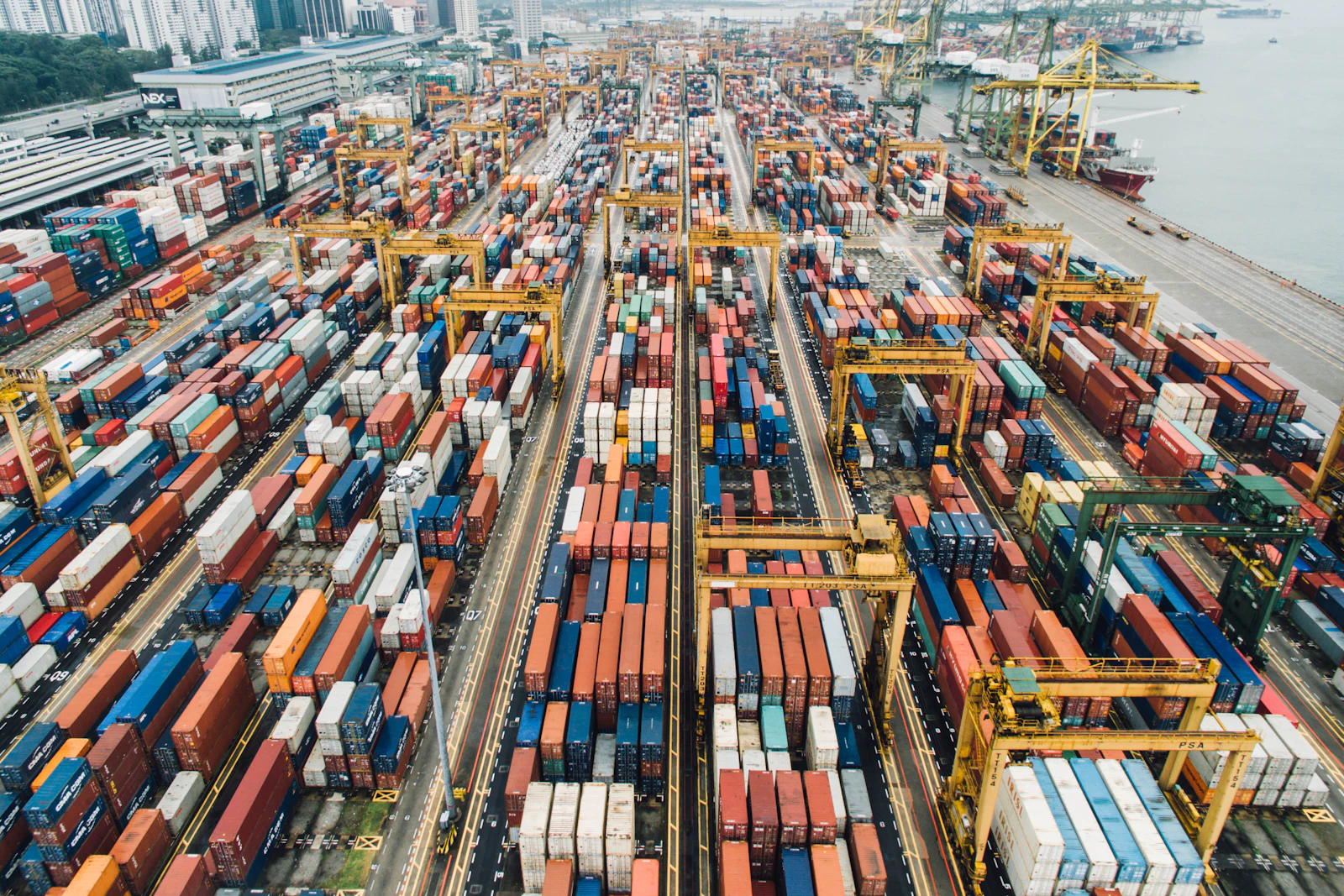
Car-Carrier Fire Risk: Detection, Not EVs
The powertrain debate misses the point. On an enclosed car deck the variable that decides a total loss is how early a fire is caught — not EV share.
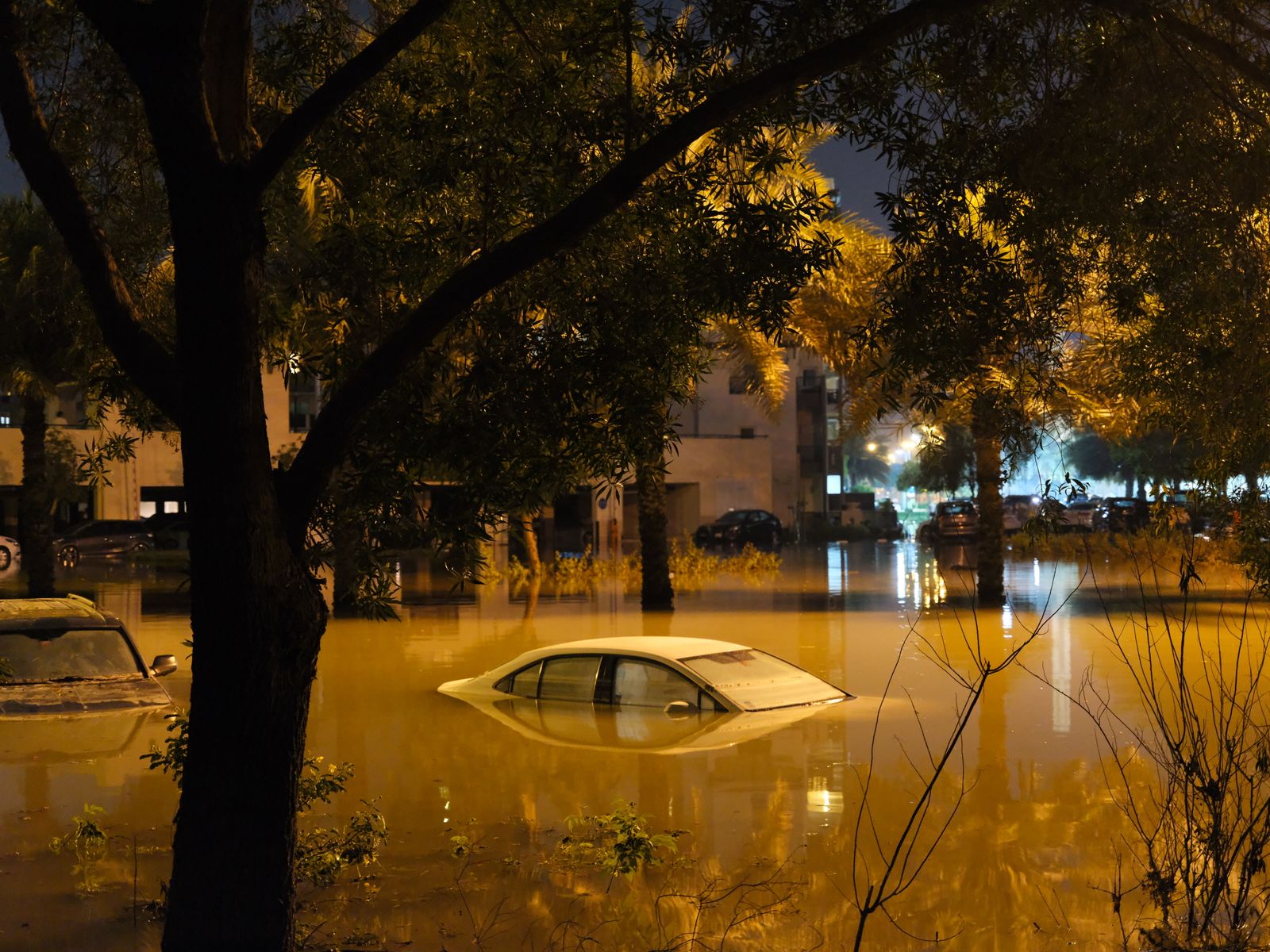
Are Flood-Damaged EVs a Shipping Fire Risk?
Yes — salt water leaves conductive bridges inside an EV pack that trigger runaway days later. The US Coast Guard tells shippers not to load them.
The Argument Over State-of-Charge at Loading
EMSA recommends 20–50% on a PCTC and lines have made 50% a booking condition. What still does not exist is an international requirement.
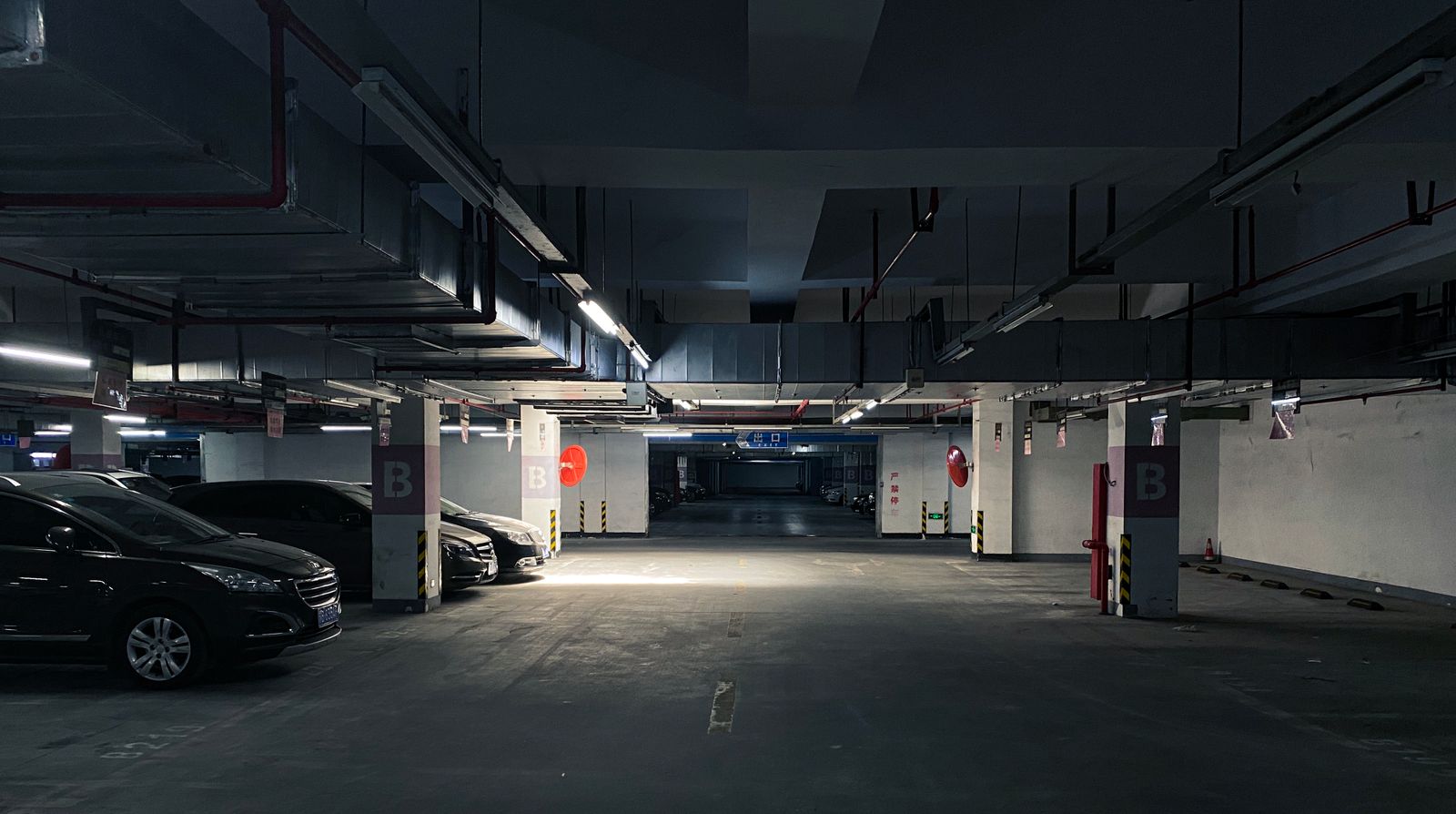
Why Fire Detection Is Difficult on Ro-Ro Vehicle Decks
Ventilation dilutes the smoke, cargo hides the source, loading mutes the detectors, and a fire can spread car to car in about 20 minutes. Here is why.

Höegh Xiamen: Anatomy of a Total Loss
The NTSB traced a $40M car-carrier total loss to one used vehicle's improperly disconnected battery — and the oversight that let 2,420 cars load unchecked.

Grande Costa d'Avorio: Fatal Loading Fire
The NTSB traced the fatal 2023 Grande Costa d'Avorio fire to a Jeep used as a cargo pusher — and a CO2 system the crew could not seal off.
Pearl of Scandinavia: The First EV Fire at Sea
In November 2010 a converted Nissan charging on a DFDS car deck caught fire off Kullen. The drencher killed it in minutes; the lessons waited 15 years.
How Fast Does a Car-Deck Fire Spread?
Full-scale tests show fire reaches the next car in ~20 minutes, and deck spacing is tighter than a parking lot. That spread time is your detection budget.

The Four Stages of Li-Ion Thermal Runaway
Li-ion runaway moves from SEI breakdown near 80–120 °C through venting to fire. Useful detection works in the venting window, before smoke and flame.