
Do Ferry EV Bans Make the Car Deck Safer?

Only partly. A ferry EV ban removes the hardest fire to fight, not the most common one — and it holds only as far as check-in can spot an EV.
Only partly. A blanket ban on electric and hybrid vehicles removes the fire a ferry crew is least able to put out, but not the fires that start most often, and it holds only as far as the check-in lane can tell an EV from a petrol car. After the June Aster fire of 9 September 2026, at least four Philippine operators now refuse EVs and hybrids. None of those bans changes how quickly a fire in the vehicles still aboard is found.
What a ban actually removes
The low-frequency, high-consequence case, not the common one. On every national dataset that counts both, battery-electric cars catch fire far less often than conventional ones: the Swedish Civil Contingencies Agency's figures run at about 3.8 fires per 100,000 battery-electric vehicles against about 77 for petrol and diesel. IUMI's September 2025 risk-mitigation paper reaches the same view for shipping: EV fires are neither more frequent nor more dangerous than conventional-vehicle fires, but thermal runaway makes them hard to extinguish once started.
That second point is the honest case for a ban. Havila Kystruten banned electric, hybrid and hydrogen vehicles from its Norwegian coastal ships in January 2023 after an external risk analysis concluded that a petrol or diesel car fire could be handled by the crew and fixed systems, while a battery fire would need external rescue. The decision was about consequence, not frequency. A ban is a statement that the operator cannot contain the worst case, so it declines to carry it.
What it leaves on the deck
Everything else that burns, which is most of what burns. The June Aster's hold carried one EV, five motorcycles, a forklift, a pickup and general cargo, and as of MARINA's 18 September statement no finding had established that the EV started the fire. A rule that refuses the EV leaves the forklift, which may itself run on a traction battery, the motorcycles and the general cargo. Sixteen days later the freight ro-ro Blue Carrier 2 caught fire north of Mykonos carrying 166 lorries and 29 cars. No EV ban on any register would have changed that cargo.
Trucks with refrigeration units, older cars with tired wiring and small electric two- and three-wheelers all sit outside most bans' wording. The Philippine memoranda name EVs and hybrid electric vehicles; whether an e-trike or an electric motorcycle counts is left to the master at the ramp.
Whether the gate can enforce it
Only as well as vehicles are declared and identified. A hybrid looks like a petrol car on the ramp. In the Philippines, the practical check is the registration papers and the green plate that the Land Transportation Office issues to DOE-certified hybrid, plug-in hybrid and battery-electric vehicles under the Electric Vehicle Industry Development Act (Republic Act 11697, 2022). Vehicles still waiting for plates, used imports and conversions can arrive without that marker, and the Highway Patrol Group's 2025 green-plate checks were aimed at the opposite error, petrol cars wearing EV plates.
Deep-sea trades face the same gap through cargo declarations rather than plates. A ban that depends on the shipper telling the truth is only as strong as the paperwork behind it.
Where the refused cargo goes
To whoever still says yes. 2GO, the country's largest ferry operator, temporarily halted EVs and hybrids across its fleet on 20 June 2025, citing a car-carrier fire in the Pacific, which was the Morning Midas with roughly 70 electric and 681 hybrid cars aboard. Fifteen months later an EV was in the hold of a different operator's ferry. An island owner with an electric car still has to cross the water, and the Philippines registered about 42,000 EVs in the first nine months of 2025 alone. A single-operator ban moves that demand to the remaining carriers rather than removing it.
What the bans are waiting for
A rule that sets conditions instead of a refusal. Starhorse Shipping Lines said it would review its ban once MARINA and the Department of Energy issue guidance, and the DOE-led joint memorandum circular with DOTr, MARINA, the Coast Guard and the Bureau of Fire Protection was expected within weeks of 21 September. Interferry told IMO in March 2026 that ro-ro and ro-pax drencher systems 'use large amounts of water to demonstrably deal with an EV fire on the ro-ro deck'. Havila's own ships run on large battery packs in isolated, fire-protected rooms. Both point to the same answer: batteries are carried safely where they are declared, stowed with intent, watched and covered by suppression that works.
A condition-based rule can close the gaps a ban leaves: declaration at booking, stowage away from escape routes, no charging, a state-of-charge ceiling, and detection that sees a vehicle fault before the fire reaches the deckhead. A ban is a reasonable holding position for an operator with no way to fight a battery fire. It is not a fire-safety system.
How RoRoSAFE helps
A ban decides which batteries board. It cannot tell the crew which vehicle on the deck is failing, and most deck fires start in vehicles a ban never touches. RoRoSAFE watches every parked vehicle with infrared thermal and battery-vent gas sensing, alerts before visible smoke and names the deck and bay. On a ro-pax with passengers above the vehicle deck, that early, located warning gives the crew time a ban cannot.
Pilot: one deck · installed alongside the berth · no drydock · 6 months of dashboard access
Sources
- 1. MARINA (Maritime Industry Authority, Philippines) — Official Statement, 18 September 2026: investigation into the June Aster fire ongoing; no final finding that the EV caused it; support for the DOE initiative on standards for EV and hybrid carriage on domestic passenger vessels.
- 2. Philstar — 'Possible EV link in June Aster fire prompts ferry bans, safety review' (19 September 2026): hold cargo of one EV, five motorcycles, a forklift, a pickup and general cargo; Montenegro Shipping Lines memo of 16 September; Island Water restriction of 17 September. Newsbytes.ph (19 September 2026): Starhorse Shipping Lines ban of 18 September and its commitment to review once MARINA and DOE issue guidance. Baird Maritime — 'Philippines' Montenegro Shipping bans carriage of electric vehicles following ferry fire'.
- 3. CarGuide.ph — '2Go halts all EV and HEVs on all their vessels' (20 June 2025): 'temporarily hold acceptance' of EVs and hybrid vehicles fleet-wide, citing a car-carrier fire in the Pacific. Morning Midas vehicle counts (≈70 EV, 681 hybrid) per Splash247, as used in this site's Morning Midas case study.
- 4. Manila Bulletin — 'Gov't prepares sea transport guidelines for EVs following ferry fire' (21 September 2026): DOE-led joint memorandum circular with DOTr, MARINA, PCG and BFP expected within the month.
- 5. Swedish Civil Contingencies Agency (MSB) — vehicle-fire statistics as reported in trade and technical press: ≈3.8 fires per 100,000 battery-electric vehicles vs ≈77 for petrol and diesel.
- 6. IUMI — 'Risk mitigation for the safe ocean and short-sea carriage of electric vehicles' (September 2025): EV fires not more frequent or more dangerous than conventional-vehicle fires; thermal runaway makes them hard to extinguish; boundary cooling; ro-ro open-deck stowage.
- 7. Maritime Executive — 'Havila bans electric and hydrogen vehicle transport due to fire danger' (January 2023): external risk analysis; a battery-vehicle fire would require external rescue; Havila's own battery packs in isolated, fire-protected rooms.
- 8. MarineLink — 'Interferry says vessel differences need consideration in fire regulations' (17 March 2026): drencher systems on ro-ro cargo and ro-pax ferries 'demonstrably deal with an EV fire on the ro-ro deck'; CO2 on vehicle carriers may not suffice.
- 9. Maritime Executive — 'Greek cargo RoRo abandoned after fire breaks out off Mykonos': Blue Carrier 2, 25 September 2026, 166 trucks and 29 cars aboard, all 29 people evacuated.
- 10. Republic Act 11697 (Electric Vehicle Industry Development Act, 2022); LTO green plates for DOE-certified HEV, PHEV and BEV; PNP Highway Patrol Group green-plate verification (October 2025) as reported by Top Gear Philippines. LTO registrations ≈42,000 EVs January–September 2025 via Manila Standard and PNA.
Questions, answered
Are electric cars banned on Philippine ferries?+
Not by law. As of early October 2026 the bans are company decisions: 2GO halted EVs and hybrids in June 2025, and Montenegro, Island Water and Starhorse followed in September 2026 after the June Aster fire. The Department of Energy has said current rules do not specifically govern EVs aboard domestic vessels and is drafting a joint circular with MARINA and the Coast Guard.
Do electric cars catch fire more often than petrol cars?+
No. National statistics such as Sweden's show battery-electric cars catching fire far less often per vehicle than petrol and diesel cars, and IUMI's 2025 paper reaches the same view for shipping. The difference is in the fire itself: a battery in thermal runaway generates its own heat and is hard to extinguish, which is why ferry operators worry about consequence rather than frequency.
How does a ferry know whether a car is electric or hybrid?+
Mostly from what the customer declares and from the paperwork. In the Philippines, DOE-certified hybrids and EVs carry green LTO plates, and staff can check registration documents. A hybrid otherwise looks like a petrol car, and vehicles without the plate or with incomplete papers can pass, so any ban is only as reliable as the declaration behind it.
What should replace a blanket EV ban on ferries?+
Conditions that cover every vehicle on the deck: declaration at booking, stowage away from escape routes, no onboard charging, a state-of-charge limit, working drencher or water-based suppression, and early detection that finds a failing vehicle before the fire reaches the ceiling detectors. Those controls also help with the petrol, diesel and truck fires a ban does not address.
Continue the thread
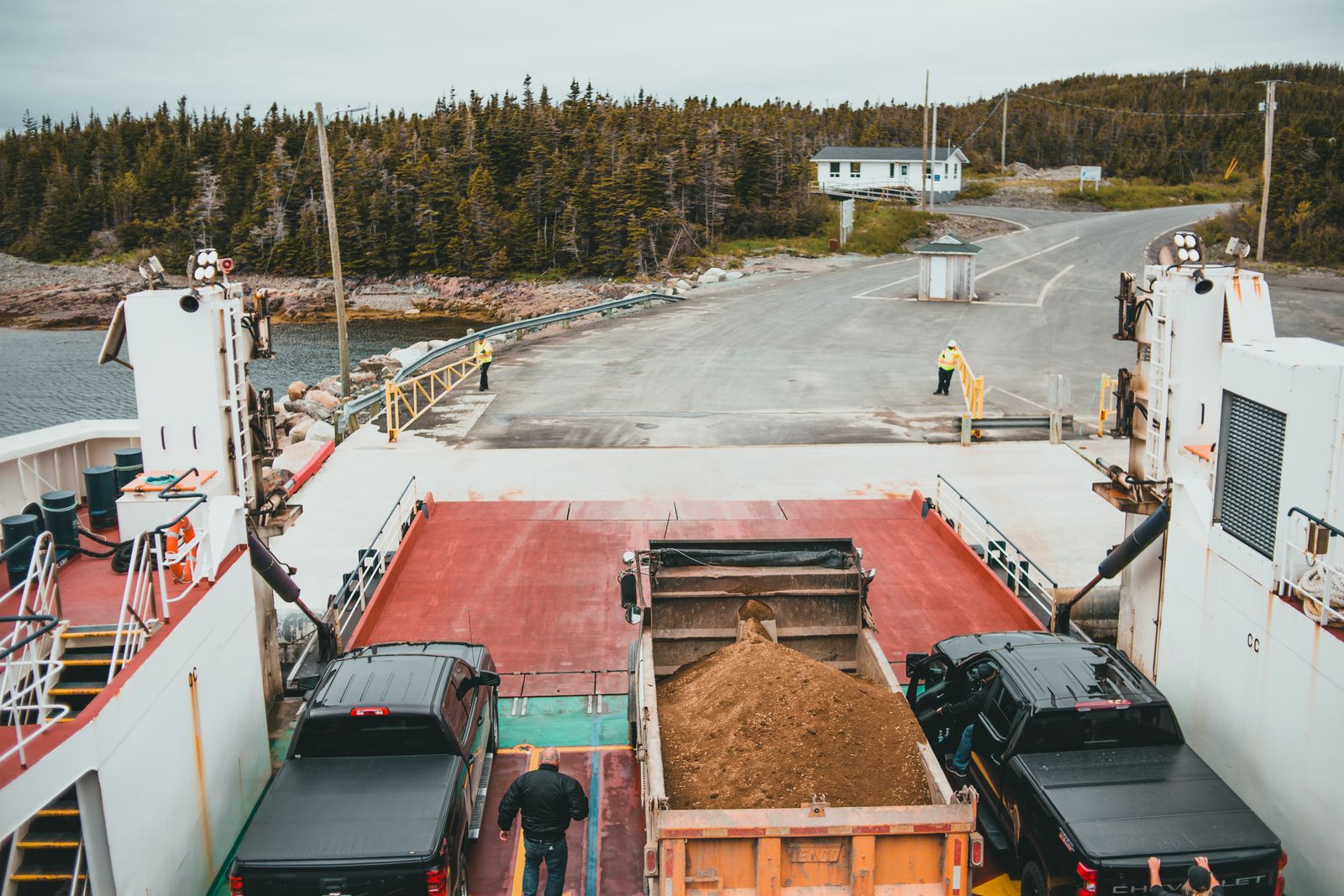
What Will the Philippines' EV Ferry Rule Say?
After the June Aster fire (77 dead, cause open), DOE and MARINA are drafting the first binding EV-carriage rule for ferries: SOC cap, stowage, no charging.
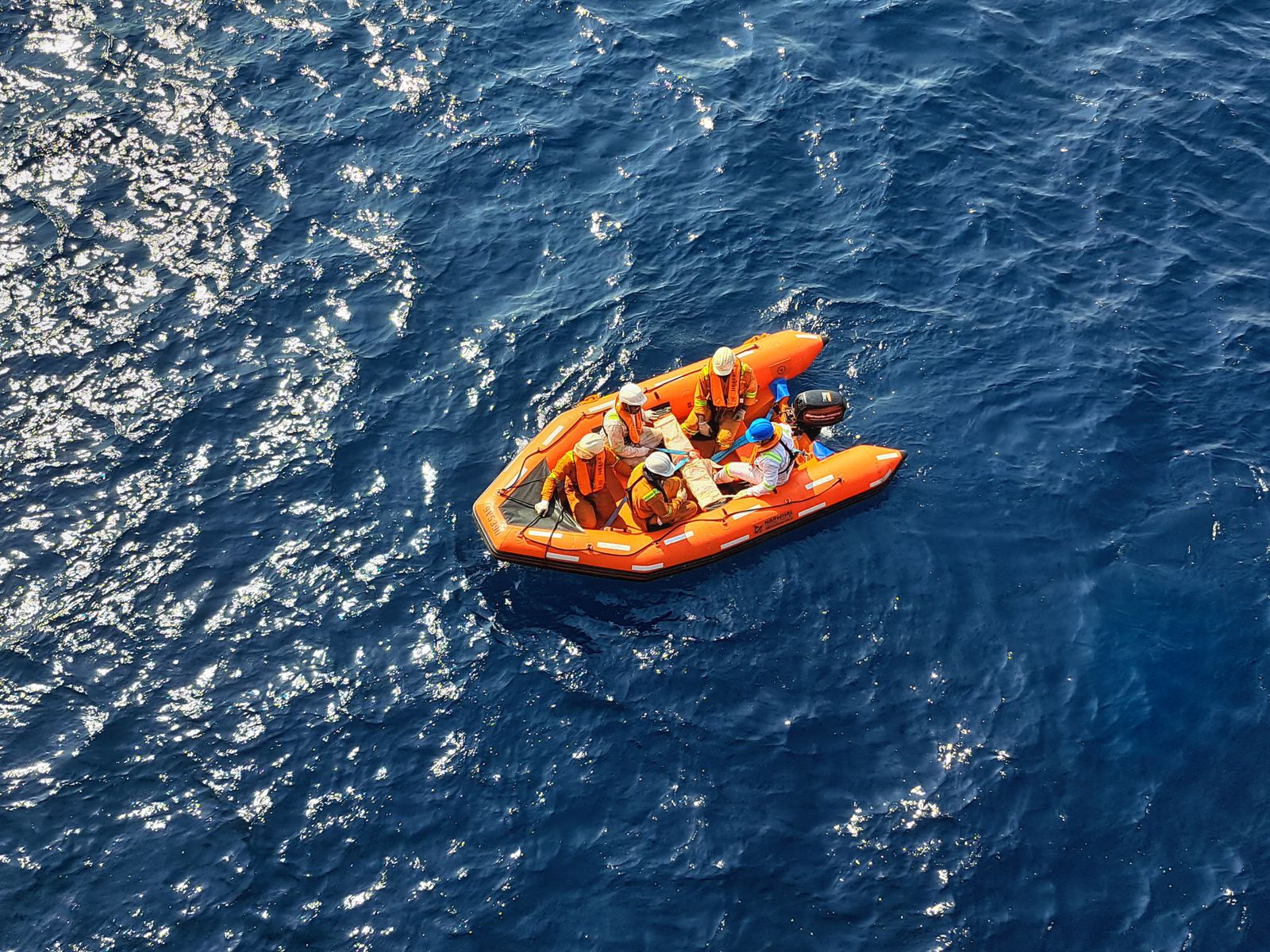
June Aster: Thirty Minutes to the Water
A cargo-hold explosion under a passenger deck killed 77 on the June Aster off Coron, 9 Sept 2026. Blackout took PA and VHF; the master jumped 30 min in.
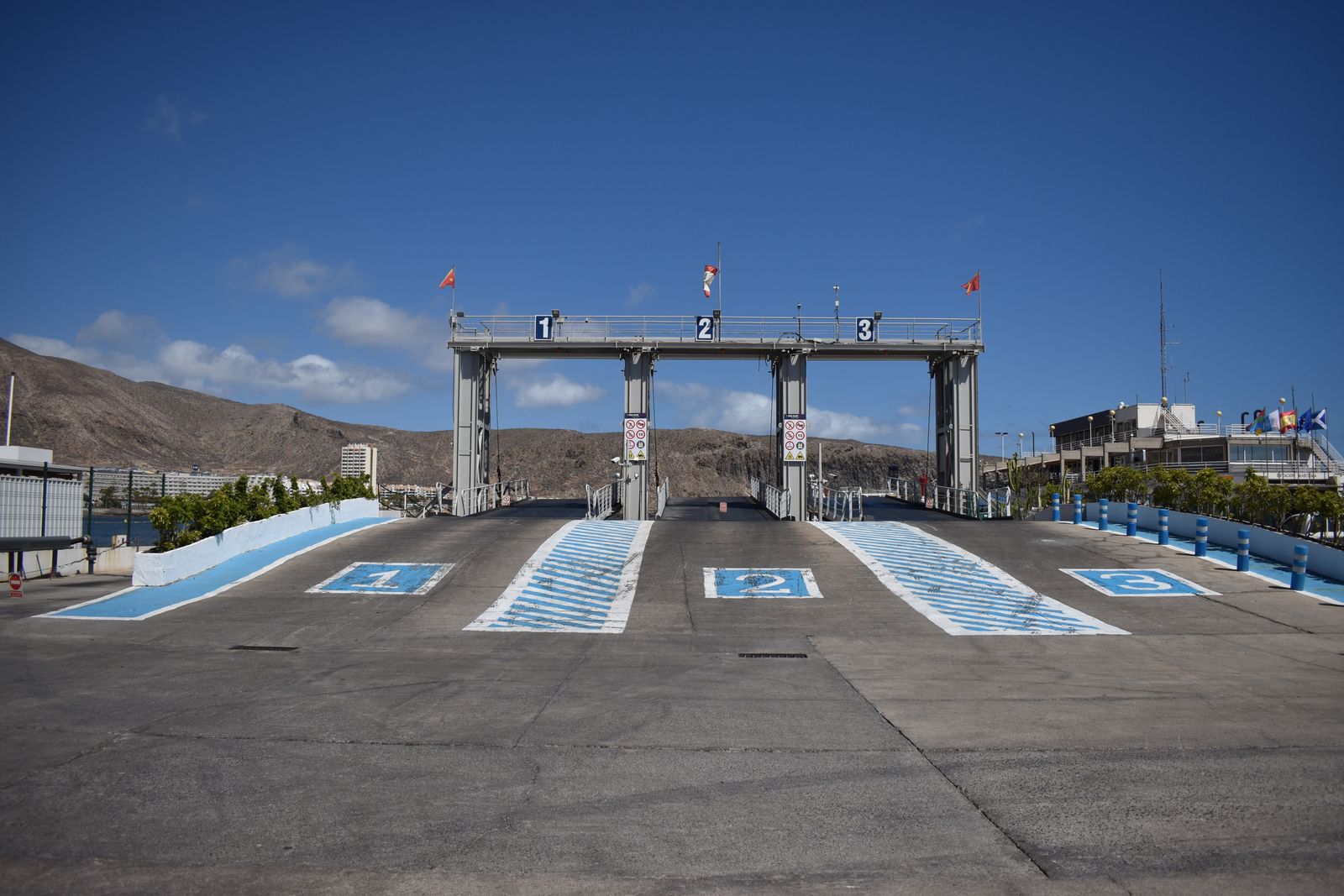
Who Can Refuse to Carry Your EVs?
Three parties can, and only one of them prices it. TOTE Maritime Alaska suspended EV carriage indefinitely in 2025 — a refusal no premium reopens.

What Happens When Vehicle Cargo Is Misdeclared?
On a ro-ro, a misdeclared vehicle is usually a damaged car, a live battery or a boot of goods, not a wrong UN number. Who finds it, and who pays.

What Causes EV Fires in RoRo Ships?
Rarely the EV. Every car-deck fire with a proven cause began in a conventional or used car's electrics; a battery starts one by one of four routes.
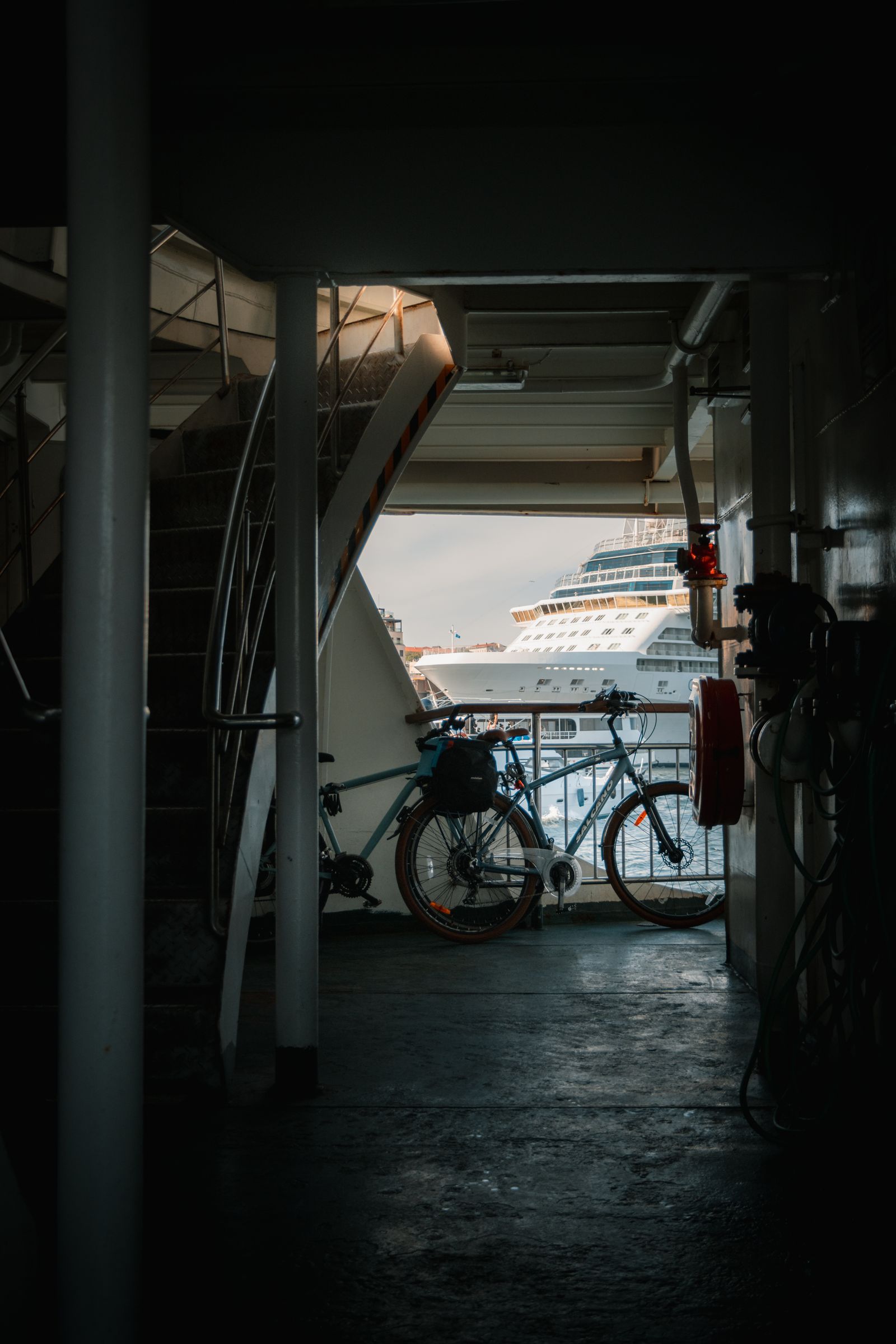
Are E-Bikes the Ferry Deck's New Fire Risk?
Yes, but not for pack size: grey-market cells, undeclared boarding and boot stowage. MGN 653 and USCG MSIB 003-25 now say weather deck, no charging.

Morning Midas: Anatomy of a Total Loss
The Morning Midas sank in June 2025 — the ninth car-carrier total loss in a decade — and its claim split across hull, P&I, and cargo underwriters.