
Stena Spirit: The Fire Mistaken for a Belt

A reefer truck smoked on Stena Spirit in 2016. The crew called it a slipping belt and turned on the fans; 20 minutes later the truck roof was ablaze.
Stena Spirit's crew found the smoke within five minutes and then lost twenty. Approaching Gdynia on 31 August 2016, a car-deck smoke alarm sounded at 06:38. The crew traced it to a refrigerated truck, judged it burning V-belts with no fire hazard and switched on the fans. By 07:00 the truck roof was alight.
No one was hurt, and the ship berthed. But Poland's State Marine Accident Investigation Commission (PKBWM) found that a small, slow fire which 'could have been easily extinguished' was allowed to grow for about 20 minutes, until hydraulic oil from pipes under the deckhead turned it into a fire across the full width of the truck roof. Detection worked. Interpretation, ventilation and the drencher response did not.
The ship and the voyage
Stena Spirit was a Bahamas-flagged ro-pax ferry of 39,193 GT, 175.41 m long, keel laid in 1981 and completed in 1988, classed by Lloyd's Register and operated by Stena Line Scandinavia AB. On the morning of the fire she was finishing her regular overnight crossing from Karlskrona, Sweden, with 551 passengers, 91 trucks and cars, and 96 crew.
Her vehicles were carried on two decks, 3 and 5, both special category spaces. Deck 3, where the fire started, had smoke detectors only; deck 5 had smoke and heat detectors. Both were protected by a drencher system divided into sections and opened by hand from a valve station. Sixteen CCTV cameras covered the ship, four of them on the area that burned. Crew patrols of the vehicle spaces every 1.5 hours had noticed nothing.
The sequence, minute by minute
The alarm came while the ship was preparing to enter port, and every early decision slowed the response.
- 06:34–06:35: CCTV camera 7 records smoke, then the first flames, above a refrigerated Scania truck by the port stern door on deck 3. Nobody is watching the screen.
- 06:38:54: a smoke detector in zone 110 alarms on the bridge. A watchman is sent to look.
- 06:43: the watchman finds smoke around the reefer truck and, on instruction, disconnects its unit from the ship's power.
- 06:48:09: the officer of the watch isolates zone 110, silencing the alarm.
- 06:50: the electrician and safety officer reach the truck. They report smoke from the reefer's drive belts, a smell of burning rubber and 'no fire hazard'.
- About 06:54: fans are switched on to clear the smoke.
- 07:00:41: as the ship enters the breakwater, the watchman sees flames on the truck roof. His radio call does not get through. He attacks the fire alone with a 50 kg powder extinguisher, which cannot reach it.
- 07:03:44: driven out by smoke, the watchman reports the fire and operates two manual call points.
- 07:08: crew fire alarm; drencher sections 1 and 13 ordered. About 07:12: an engineer in breathing apparatus opens them by hand.
- 07:16:50: the general alarm sounds automatically as smoke reaches the reception on deck 7. 07:27: passengers are moved to the open decks.
- About 07:35: fire under control as the ship berths. The stern mooring winches and ramps do not work, damaged by the fire.
- 08:30–08:40: the cab re-ignites when the ramps open, and firefighters drag the truck ashore to finish extinguishing it.
Why a belt fire became a deckhead fire
A seized belt tensioner started it, and oil from overhead pipes made it large. A post-fire examination of the truck's Carrier Supra 850 refrigeration unit found one compressor-drive V-belt tensioner completely blocked. The friction heated and ignited the rubber belt and then the unit's plastic parts, and overheating melted wiring insulation. A forensic examination of the wires was consistent with short circuits occurring before the fire. The unit had been serviced less than a week earlier, but only its diesel engine, not its belt drive.
Disconnecting the unit should have starved that fire, and the commission concluded something else fed it. The reefer sat about 40 cm below a run of cables, ventilation ducts and screw-jointed hydraulic pipes under the deckhead, carrying oil at about 250 bar; some were decommissioned lines that still held old oil. After roughly 20 minutes, CCTV shows something like an explosion, with flashes, falling sparks and flames across the whole truck roof. The commission judged it highly likely that a pipe joint failed and oil dripped onto the hot unit, above its self-ignition temperature of about 300 °C.
The second phase scorched and buckled the deck plate above. It burned the cabling for the stern lighting, the public address system and the smoke detectors, and damaged the hydraulics for the ramps and mooring winches, the drencher and fresh water pipes and the ventilation ducts. Repairs took about ten days.
Where the response went wrong
The commission found the crew's actions 'inadequate to the occurring fire hazard', and said errors in the first phase decided the outcome.
- Cameras unwatched: flames were visible on CCTV for about three minutes before the alarm, and for more than 15 minutes after the master reached the bridge nobody checked the other cameras that showed thickening smoke.
- Alarm silenced, not resolved: zone 110 was isolated nine minutes after it alarmed, while the cause was still unknown.
- Misdiagnosis: three crew stood near the truck for about 15 minutes. None climbed up to look at the roof, and the smoke was put down to slipping belts.
- Ventilation on: fans were started to clear smoke before the source was confirmed out, which the commission called a serious error. Vent outlets were not closed after the drenchers started.
- No team, no apparatus: no fire party in breathing apparatus was sent when smoke was found, and the driver was not called to open the cab.
- Too many drencher sections: six sections were opened across two decks on a system designed to run two adjacent sections, diluting the water over the burning truck.
- Passengers near the deck: passengers with luggage stood by the open upper stern door on deck 5 at 07:06, minutes before smoke surged out of the ventilation there.
What the investigators asked for
Better procedures on board, and steel over everything above the vehicles. PKBWM asked the owner for a vehicle-deck fire procedure (ventilation off, ducts closed, the right drencher section on, staircase doors secured), a rule to summon the driver as soon as a vehicle is found smoking, and fire training on reefer and electrical fires. It recommended covers to stop oil dripping from overhead pipes onto running reefer units. It also proposed that Poland ask IMO to require steel casings, or fire-resistant cables, for wiring and hydraulic lines under ro-ro deckheads on new ships, plus dedicated reefer rows with access walkways of at least 600 mm.
Some of that has since become rule. For ro-pax ships, SOLAS II-2/20 as amended by MSC.550(108) now requires detection sections and camera views that match the drencher sections, a clear alarm interface and photoluminescent section signs: new ships from 2026, and video monitoring on existing ships by 2028. The cabling lesson did not travel as far. In 2022 a truck fire on Stena Scandica burned unprotected cables under the deckhead and left that ferry without power for hours.
How RoRoSAFE helps
Detection did not fail on Stena Spirit: the deckhead smoke detector alarmed, and a fire that starts in a reefer unit on a truck roof begins above where under-vehicle sensors look. What RoRoSAFE adds is a per-bay record: infrared thermal and battery-vent gas sensing beneath each parked vehicle, tiered bridge and shore alerts naming the deck and bay, and tamper-evident logs. It complements SOLAS detection and drenchers, and replaces neither.
Pilot: one deck · installed alongside the berth · no drydock · 6 months of dashboard access
Sources
- 1. State Marine Accident Investigation Commission (PKBWM), Poland — Final Report WIM 60/16, 'Truck fire on a car deck at the approach to the port of Gdynia on 31 August 2016', August 2017; published by the Bahamas Maritime Authority, date of issue 5 December 2017 (read in full): ship particulars, timeline (06:38:54 alarm; 06:48:09 zone isolated; 07:00:41 flames; about 07:12 drenchers; about 07:35 under control), cause, crew findings and recommendations.
- 2. DEKRA Automobil GmbH, damage assessment No. 1818959284-200 (examination 14 November 2016), and Central Forensic Laboratory of the Police, opinion E-met-26/16, as cited in WIM 60/16: blocked V-belt tensioner; wire melting consistent with pre-fire short circuit.
- 3. IMO — Resolution MSC.550(108), in force 1 January 2026: SOLAS II-2/20.4.1.2–4.1.3 (sections and interface), 20.4.4 (video monitoring and camera-to-drencher-section correspondence), 20.7 (signage).
- 4. Danish Maritime Accident Investigation Board — Marine accident report on fire on board Stena Scandica, 29 August 2022 (issued 4 September 2023): unprotected cables under the vehicle-deck deckhead and the resulting blackout.
- 5. Comparative cases: RoRoSAFE, 'Commodore Clipper: The Alarm Reset 7 Times' (MAIB 24/2011) and 'Can a Lorry Fire Black Out a Ferry?' (Stena Scandica).
Questions, answered
What caused the Stena Spirit fire in 2016?+
A seized V-belt tensioner on a refrigerated truck's roof-mounted Carrier refrigeration unit. Friction ignited the rubber belt and the unit's plastic parts, and overheated wiring short-circuited. The Polish investigation (PKBWM WIM 60/16) found the fire then grew because hydraulic oil from pipes about 40 cm above the unit most likely leaked onto the hot unit and ignited.
Why did the fire grow after the reefer was unplugged?+
Because something other than electricity was feeding it. Disconnecting the unit should have let a belt fire die down, but screw-jointed hydraulic pipes carrying oil at about 250 bar ran just above the truck. After about 20 minutes a joint most likely failed, oil dripped onto the hot unit, and flames spread across the full width of the truck roof.
What did the investigators say the crew got wrong?+
They did not watch the CCTV that showed flames before the alarm, isolated the alarm zone before finding the cause, put the smoke down to slipping belts, and switched on ventilation before the source was confirmed out. No firefighting team in breathing apparatus was sent, the driver was not called, and six drencher sections were opened on a system designed for two.
Was anyone hurt in the Stena Spirit fire?+
No. The ferry, carrying 551 passengers, 91 vehicles and 96 crew, berthed in Gdynia with the fire under control at about 07:35. Two trucks were damaged, and fire-damaged hydraulics stopped the stern ramps and mooring winches working. Passengers were moved to the open decks because smoke reached the muster stations. The ship was repaired in about ten days.
Continue the thread
Commodore Clipper: The Alarm Reset 7 Times
A reefer plug ignited on a Condor ro-pax in 2010. Detection worked — 16 sensors, 81 alarms. The crew read a fault, silenced it, and lost 17 minutes.
Can a Lorry Fire Black Out a Ferry?
It did on Stena Scandica. A 2022 lorry fire was out within an hour, but it burned unprotected cables overhead and left the ferry drifting for 6.5 hours.
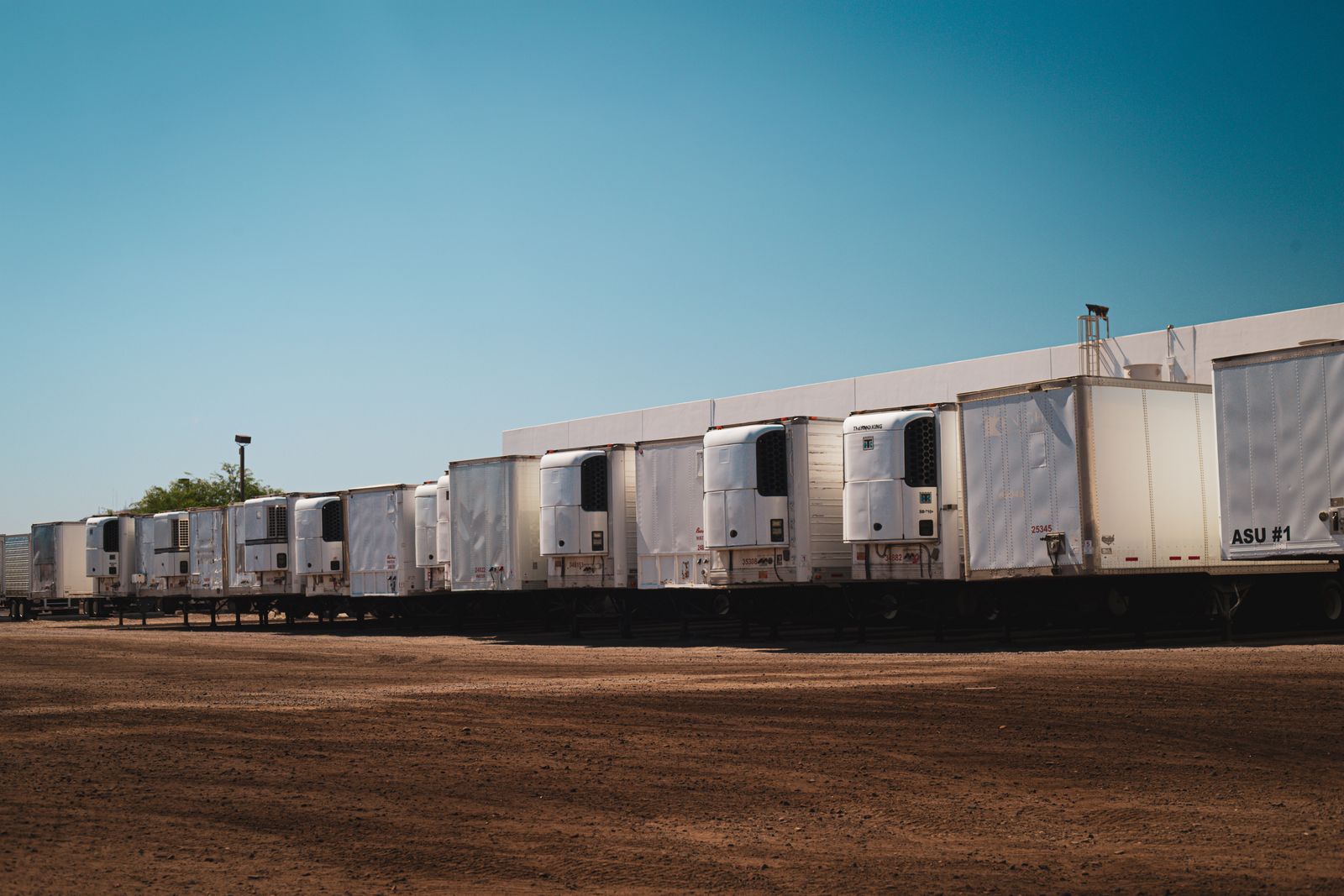
Are Reefer Trailers a Ferry's Hidden Fire Risk?
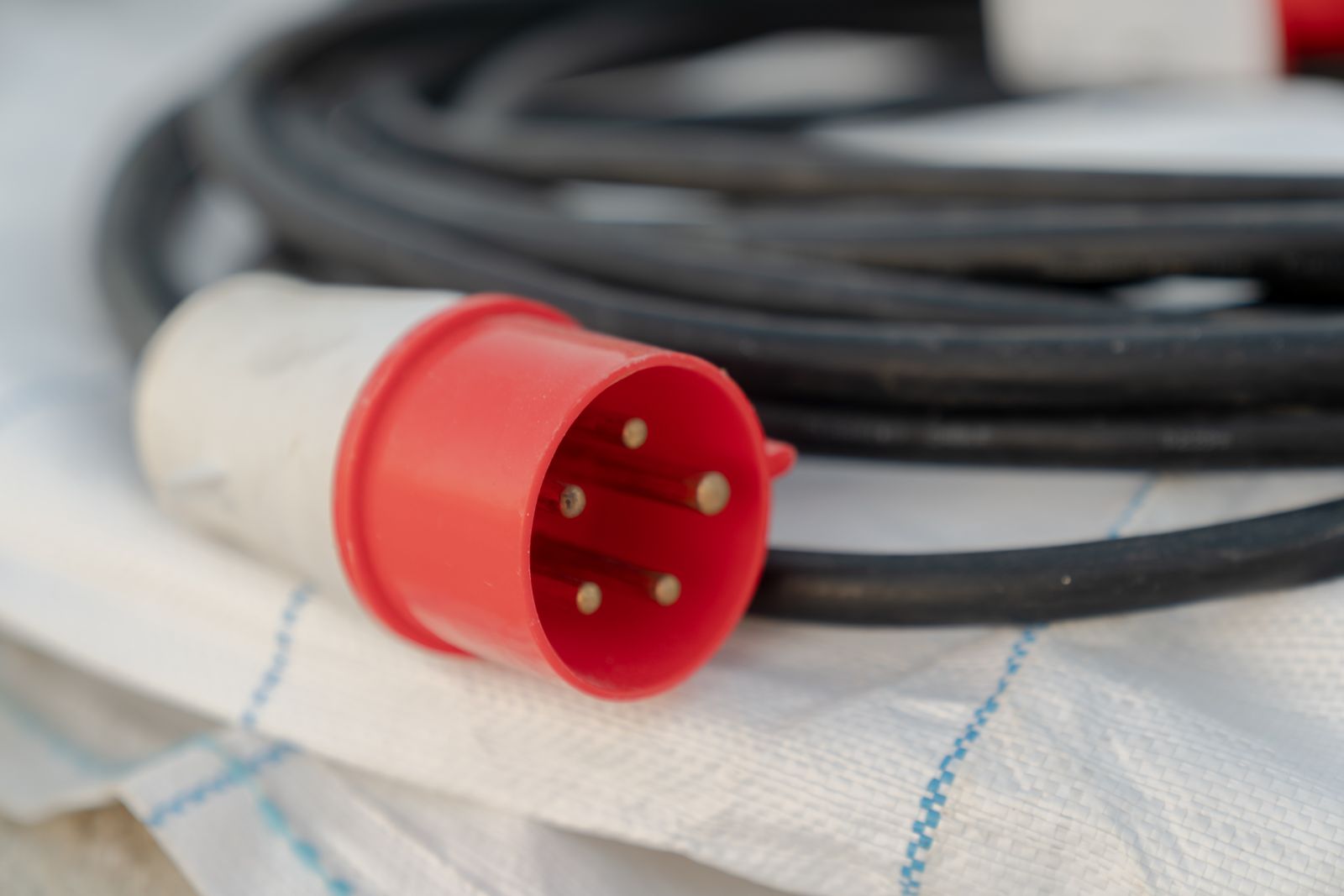
Yes. EMSA found reefer units the most fire-prone ro-pax cargo, and the weak point is often the plug and cable linking the trailer to the ship's power.

Lisco Gloria: The Drencher That Gave No Water
The 2010 Lisco Gloria fire was detected within minutes and the drencher started — it delivered no water, and a 199 m DFDS ro-pax became a total loss.
Does Deck Ventilation Delay Fire Detection?
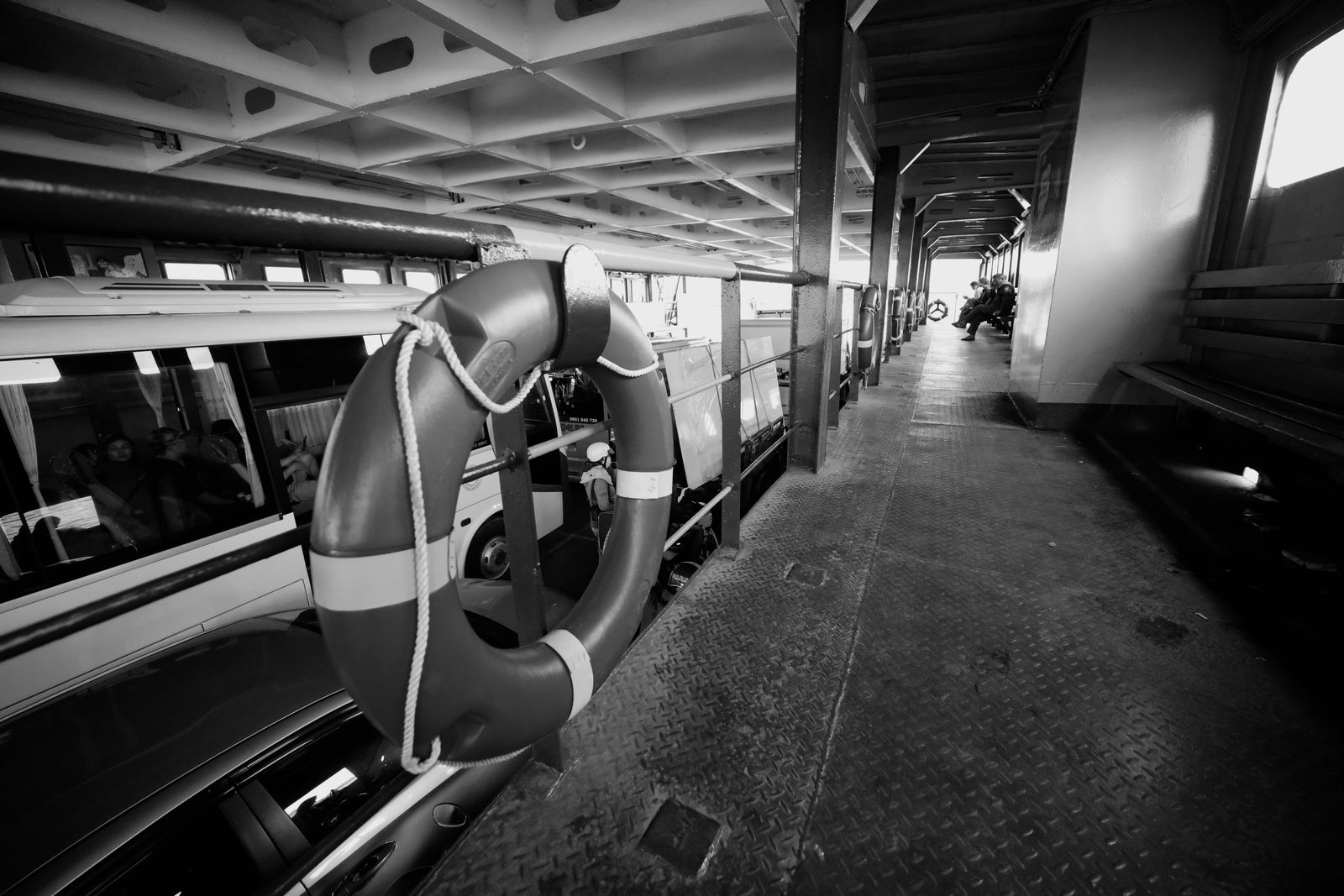
Yes. SOLAS II-2/20 mandates continuous ventilation on closed vehicle decks, and that airflow dilutes smoke and off-gas before detectors see it.

Can AI Video Smoke Detection Work on a Car Deck?
Partly. A camera sees a wide area and can spot haze early, but parked cars block its view, and exhaust or condensation can look like smoke to the model.

The First Ten Minutes After an EV Alarm
Detection buys time only if the crew knows what to do with it. On a vehicle carrier the decisive variable isn't the alarm — it's the rehearsed response.