
Can an A-60 Deck Hold a Car-Deck Fire?

Often it never gets the chance: decks between vehicle decks are usually bare steel, and EMSA found fire can climb one in about 10 minutes unchecked.
An A-60 division is built to keep its unexposed side less than 140 °C hotter on average after an hour in a standard furnace fire, but most car-deck fires never meet one. SOLAS puts its insulated ratings on the boundaries between vehicle spaces and the rest of the ship. The deck between two vehicle decks is often plain steel, and EMSA's FIRESAFE II study found a fire can climb through an uninsulated deck in about 10 minutes if nothing suppresses it.
That gap shapes every car-deck fire plan. A PCTC can stack a dozen or more vehicle decks inside one set of ro-ro space boundaries, and a ro-pax often has two or three under the passenger spaces. Whether a fire stays on its own deck depends on the steel, the openings and how quickly water reaches the deck above, more than on any fire rating. The 2026 SOLAS package starts to tie those together for new passenger ships.
What does an A-60 rating actually promise?
One hour of standard furnace exposure without excessive heat or any flame on the other side. Under SOLAS II-2/3, an 'A' class division is steel or an equivalent material, suitably stiffened, that stops smoke and flame passing to the end of a one-hour standard fire test. The number after the A is how many minutes it must also hold its unexposed side to no more than 140 °C above the starting temperature on average, and 180 °C at any single point including joints: 60 minutes for A-60, 30 for A-30, 15 for A-15. An A-0 division is the same steel without the insulation requirement.
The rating comes from a prototype test under the Fire Test Procedures (FTP) Code, in a furnace that follows a standard time-temperature curve reaching about 945 °C at 60 minutes. It holds only as installed. FIRESAFE II notes that insulation must be carried round recesses and details, that pipe and duct penetrations need their own tests, and that doors to ro-ro spaces are generally not smoke-tight because the FTP Code does not test them for it.
Which car-deck boundaries are actually A-60?
The ones facing the rest of the ship, not the ones between vehicle decks. On passenger ships carrying more than 36 passengers, SOLAS II-2/9.6.1 requires the boundary bulkheads and decks of special category and ro-ro spaces to be A-60, reducible to A-0 against low-risk spaces such as open decks, sanitary spaces and tanks, and against a fuel oil tank below.
On cargo ships, PCTCs included, Tables 9.5 and 9.6 of the same regulation set a deck with a ro-ro or vehicle space below to A-60 under control stations and category A machinery spaces, A-30 under accommodation, corridors and stairways, and A-0 under low-risk service spaces, other machinery and cargo spaces. Between one ro-ro or vehicle space and another, the tables carry an asterisk with note h: the division must be steel but need not be 'A' class, should close reasonably gastight, and should have 'A' class integrity only 'in so far as reasonable and practicable'.
- Facing accommodation, control stations and machinery: insulated, A-30 or A-60 depending on what is above.
- Between vehicle decks: usually steel only, plus whatever the Administration accepts as reasonable for gas-tightness and integrity.
- Ramps, hoistable decks and their openings: closable, but not fire-tested divisions in the way a bulkhead is.
- The weather deck over the top vehicle deck: steel with cargo on it; fixed monitors are required only on passenger ships, from the 2026 amendments.
Why does a fire climb from one vehicle deck to the next?
Because the steel between them conducts, and the openings let flame through. FIRESAFE II, carried out for EMSA by Bureau Veritas, RISE and Stena, found that without insulation a fire can spread vertically after about 10 minutes when no extinguishing system is running, and that spread to the weather deck, by flame through openings or heat through the deck, is difficult to avoid. Fire on the weather deck was rated high risk because, at the time, it had no fixed extinguishing and poor access for crews.
Insulating the walking surface of a vehicle deck is not practical, as the study notes, so any insulation goes on the deckhead underneath. A hot plate is a heat source for whatever is parked on it: tyres, undersides and fuel or battery packs on the deck above sit directly on the steel. Gaps around hoistable decks and ramps, and side and end openings in open ro-ro spaces, then give flames a shorter route than through the plate.
What does the incident record show?
Repeated heat damage to the deck above, held back mainly by water. On Joseph and Clara Smallwood in 2003, a fire around a tractor-trailer on deck 1 left about 40 m² of buckled deck plating and 40 m² of damaged thermal insulation above it; the crew found deck 3 heating and set up boundary cooling there while the deluge worked below. On Corona Seaways in 2013, the upper-deck drencher was used to cool the deck above a main-deck fire, and about 15 m² of it was damaged. On Stena Spirit in 2016, the second phase of a truck fire scorched and buckled the deck plate above.
In each case the fire was held to its own deck, and the crew put water on the deck above early. That is the practical reading of FIRESAFE II's 10-minute figure: an uninsulated deck is a delay measured in minutes, not a barrier, and water is what extends it.
What does the 2026 SOLAS package change?
For new passenger ships, it ties the deck rating to the water. Under MSC.550(108), in force from 1 January 2026, where special category or ro-ro spaces on a passenger ship built from that date have internal deck subdivisions, the deck rating depends on the fixed water-based system: the decks must be A-30 if the system cannot cover the areas above and below at the same time, and ramps and doors between decks must be steel and as tight as practical. The same package adds fixed monitors over vehicle weather decks on passenger ships. Existing passenger ships keep their pre-2026 structural fire protection, and cargo ships see no structural change.
That reflects FIRESAFE II's own ranking, which put fire insulation of at least A-30 instead of A-0 between ro-ro decks among its highest-potential risk control measures. The logic is that either the water holds both decks or the steel buys time, but not neither.
What should owners and class take from this?
Treat the deck above a fire as the second fire front from the first minute.
- Know which divisions are steel only: the structural fire protection plan shows where the A-ratings stop, and on most vehicle-deck stacks that is at the first deck.
- Cool the deck above early: boundary cooling and drencher sections above the fire did more in the incident record than any rating did.
- Keep openings shut: closed ramps, hoistable deck gaps and side openings are the short route a fire takes around the steel.
- Locate the fire precisely: cooling the right area of the deck above depends on knowing which deck, section and bay is burning, which is what the 2026 section-numbering and camera-mapping rules aim at.
How RoRoSAFE helps
On most car decks the steel above a fire is not fire-rated, so the crew has minutes to cool the right part of the deck above before the fire climbs. RoRoSAFE watches each parked vehicle with infrared thermal and battery-vent gas sensing and sends tiered bridge and shore alerts naming the deck and bay, so boundary cooling and drenchers go to the right place early. It complements SOLAS detection and suppression, and replaces neither.
Pilot: one deck · installed alongside the berth · no drydock · 6 months of dashboard access
Sources
- 1. IMO — SOLAS 1974, Chapter II-2, Regulation 9 (containment of fire), consolidated text published by the UK Maritime and Coastguard Agency: paragraph 6.1 (A-60 boundaries of special category and ro-ro spaces on passenger ships carrying more than 36 passengers) and Tables 9.5 and 9.6 with their notes, including note h and the asterisk entry for divisions between ro-ro and vehicle spaces on cargo ships (read in full).
- 2. IMO — SOLAS Chapter II-2, Regulation 3 ('A' class divisions: one-hour standard fire test; 140 °C average and 180 °C single-point limits on the unexposed side for A-60, A-30, A-15 and A-0) and the Fire Test Procedures (FTP) Code, 2010.
- 3. EMSA — FIRESAFE II, Containment and Evacuation, Final Report v1.1, December 2018 (Bureau Veritas, RISE and Stena Rederi; contract 2017/EMSA/OP/17/2017): vertical spread through uninsulated decks after about 10 minutes without suppression, weather-deck spread, impracticality of insulating vehicle-deck walking surfaces, door smoke-tightness, and ranked risk control measures including A-30 between ro-ro decks (read in full).
- 4. ABS — Regulatory News No. 15/2025, 'Fire Safety Requirements for Ro-Ro, Passenger and Cargo Ships', December 2025, summarising MSC.550(108) and MSC.555(108): A-30 internal decks where the water system cannot cover above and below, steel ramps and doors, weather-deck monitors, and no structural change for existing passenger ships or cargo ships (read in full).
- 5. IMO — Resolution MSC.550(108), adopted 23 May 2024, in force 1 January 2026: amendments to SOLAS II-2/20 for vehicle, special category and ro-ro spaces.
- 6. Transportation Safety Board of Canada — Marine Investigation Report M03N0050, Joseph and Clara Smallwood, 12 May 2003: section 1.4.1 (40 m² of buckled deck plating and 40 m² of damaged thermal insulation) and 2.1.2 (boundary cooling on deck 3).
- 7. UK Marine Accident Investigation Branch — Report 17/2014, fire on the main deck of ro-ro cargo ferry Corona Seaways, Kattegat, 4 December 2013: cooling of and damage to the deck above.
- 8. State Marine Accident Investigation Commission (PKBWM), Poland — Final Report WIM 60/16, truck fire on the car deck of Stena Spirit approaching Gdynia, 31 August 2016, published by the Bahamas Maritime Authority.
Questions, answered
What does A-60 mean on a ship?+
An A-60 division is a steel bulkhead or deck that stops smoke and flame for the one-hour standard fire test and is insulated so that, for 60 minutes, the side away from the fire rises no more than 140 °C on average and 180 °C at any point. A-30 and A-15 hold those limits for 30 and 15 minutes; A-0 is steel without the insulation requirement.
Is the deck between two vehicle decks fire-rated?+
Usually not to an insulated standard. SOLAS requires steel between ro-ro and vehicle spaces on cargo ships, reasonably gastight and 'A' class only as far as reasonable and practicable. On passenger ships built from 2026, internal ro-ro decks must be A-30 where the water system cannot cover the decks above and below at the same time.
How fast can a fire spread to the deck above?+
EMSA's FIRESAFE II study found that, without insulation and without an extinguishing system running, vertical spread through a ro-ro deck is possible after about 10 minutes. In documented ferry fires, crews limited the damage to buckled plating above the fire by cooling the deck above early, alongside the drencher below.
Why not insulate every vehicle deck?+
Insulation cannot go on the walking surface of a deck that vehicles drive over, so it has to go on the deckhead underneath, which adds weight, cost and a surface that can be damaged in service. The 2026 rules take a performance route instead: a water system that covers both decks, or A-30 insulation where it cannot.
Continue the thread
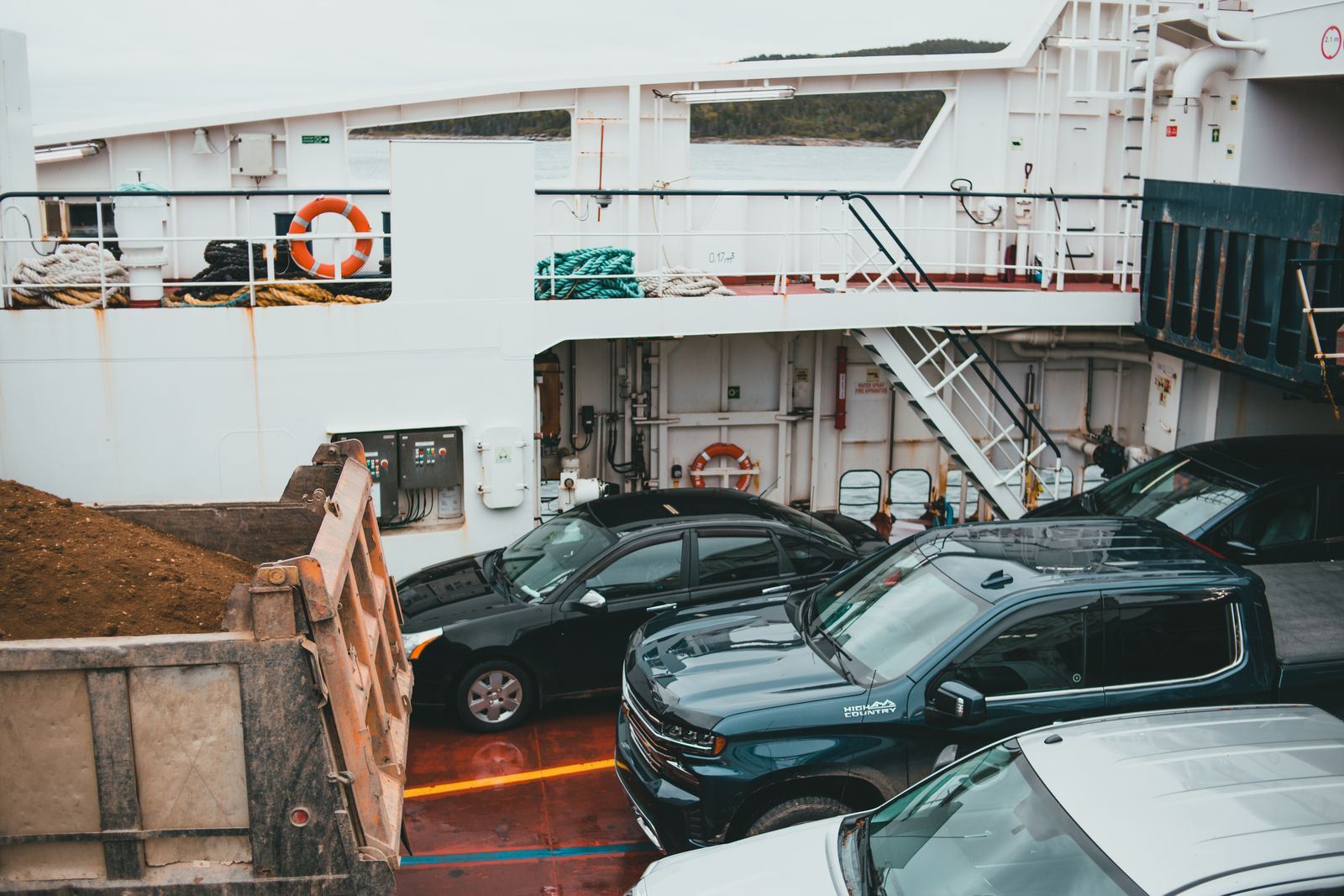
How Fast Does a Car-Deck Fire Spread?
Full-scale tests show fire reaches the next car in ~20 minutes, and deck spacing is tighter than a parking lot. That spread time is your detection budget.

PCTC Drencher Zoning and Fixed-First
Drenchers deliver 5–15 L/min/m² by deck height. Whether 'Fixed First' suppresses or floods a car deck depends on how precisely detection zones it.

Joseph and Clara Smallwood: The Silent Alarm
A 2003 truck fire on a Marine Atlantic ferry was held by the deluge, but no alarm sounded on the vehicle deck. Two people sat trapped for two hours.

Corona Seaways: The Key Left in the Ignition
In 2013 a used truck's live starter cable set Corona Seaways' deck alight. Unlocked louvres leaked CO₂, and the first release gave 9 of 19.8 tonnes.

Stena Spirit: The Fire Mistaken for a Belt
A reefer truck smoked on Stena Spirit in 2016. The crew called it a slipping belt and turned on the fans; 20 minutes later the truck roof was ablaze.
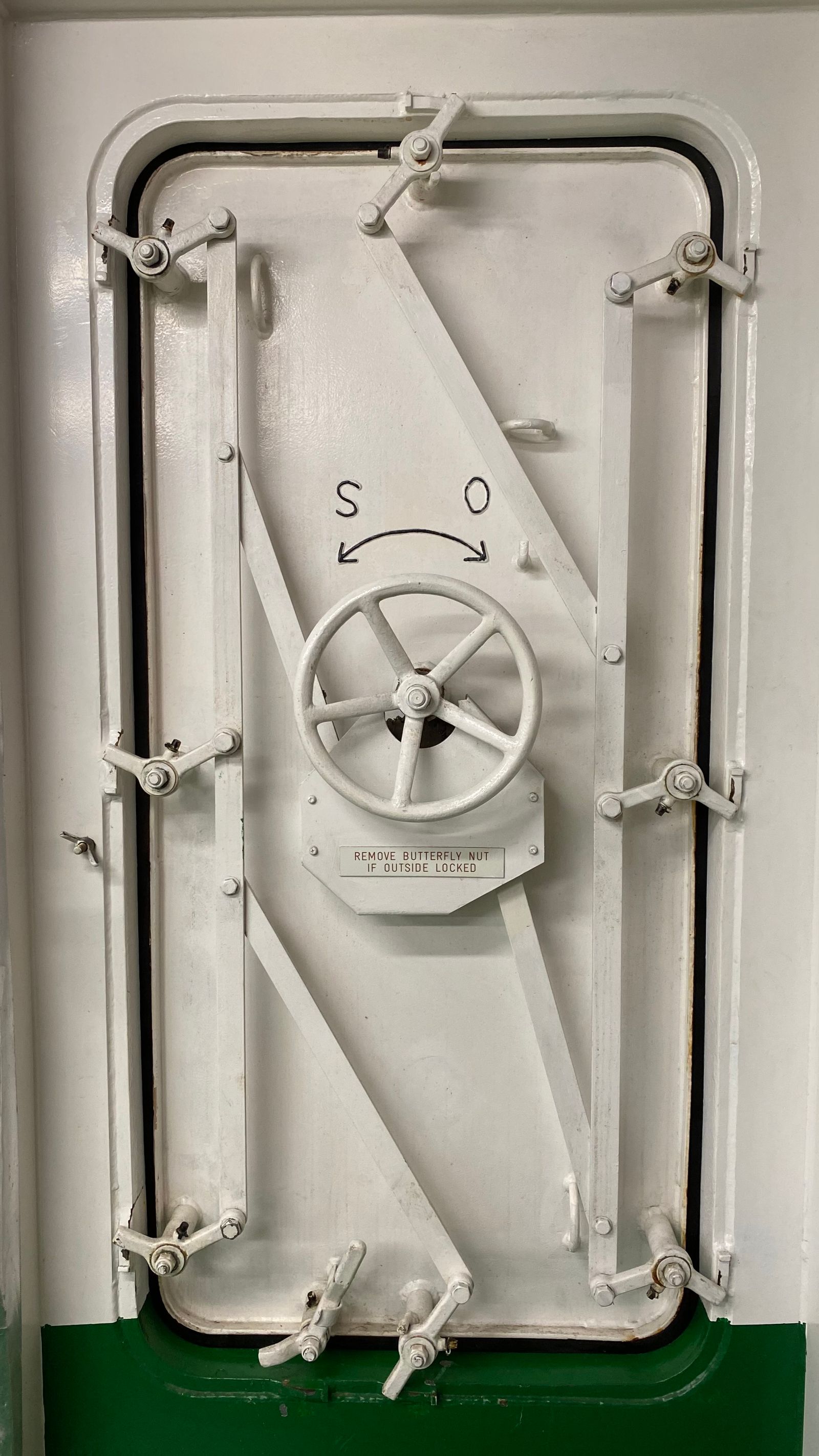
How Long Must a CO₂-Flooded Space Stay Sealed?
Until boundaries reach ambient — hours to days. The FSS Code sets no hold time, NFPA 12 sets 20 minutes, and re-entry at 3 hours has re-ignited fires.
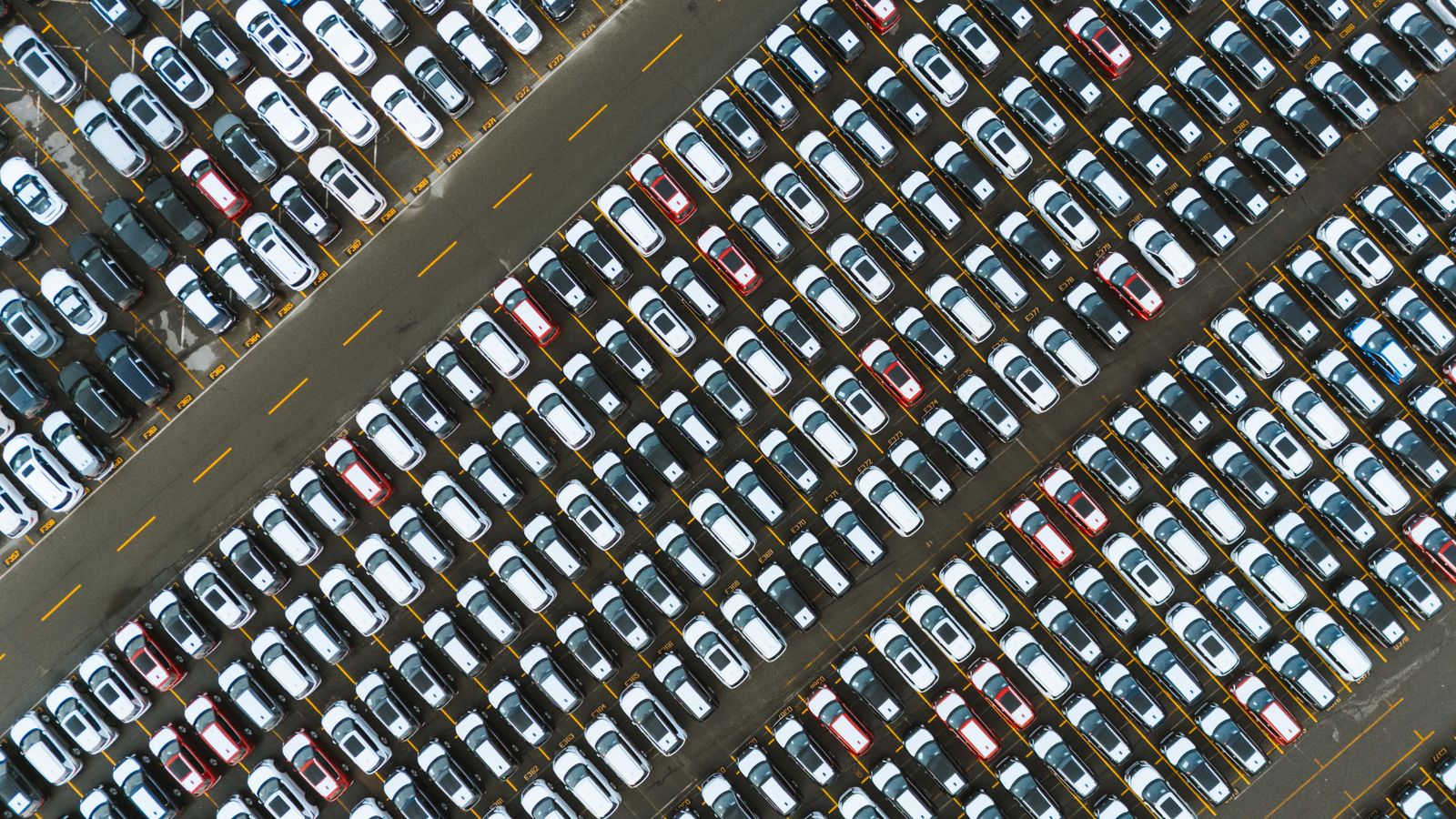
Can One EV Fire Take the Whole Car Deck?
Yes — radiant heat bridges car-to-car across a tightly packed deck, so an EV thermal runaway rarely stays one vehicle. Loss size is a spread problem.