
Can a Lorry Fire Black Out a Ferry?
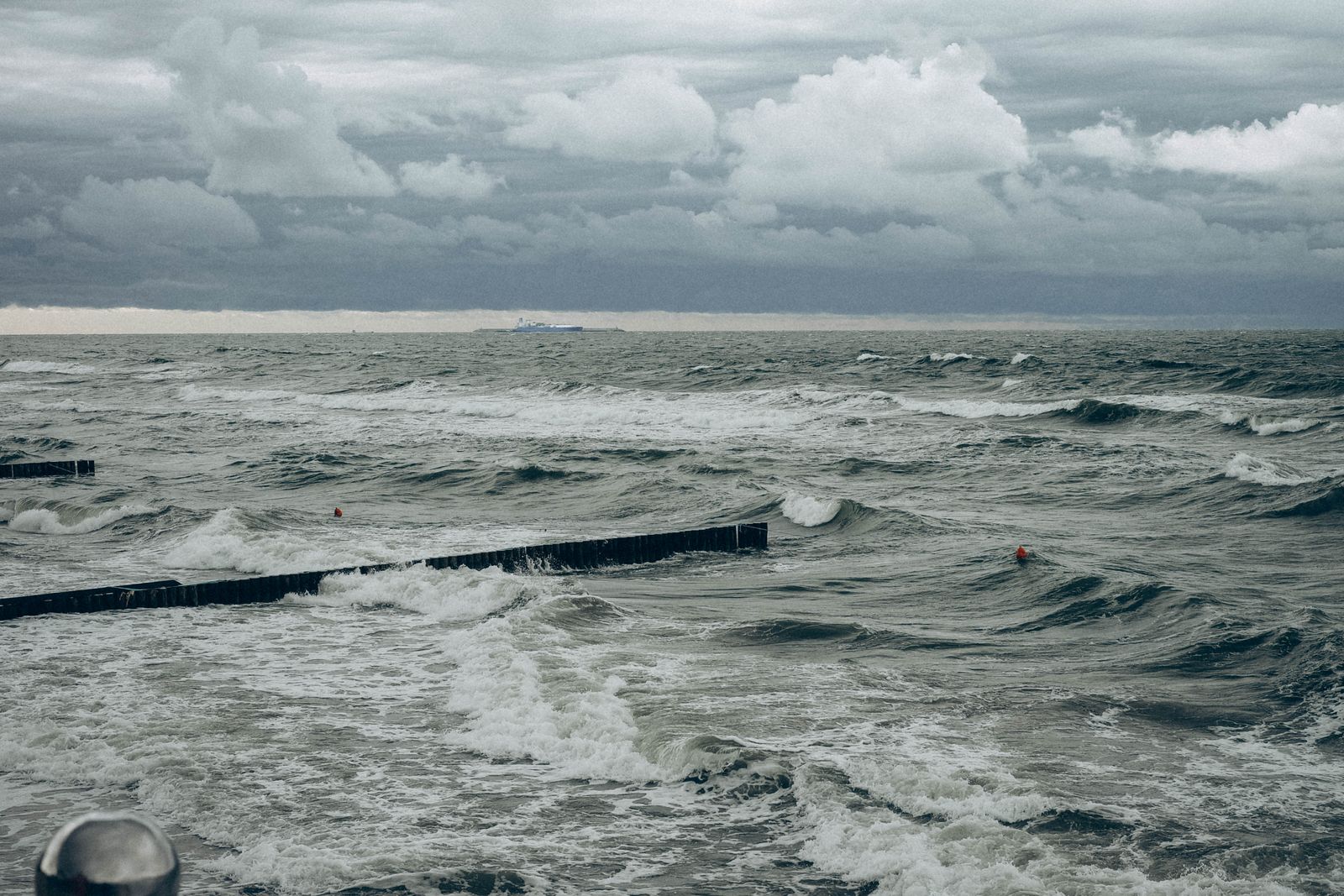
It did on Stena Scandica. A 2022 lorry fire was out within an hour, but it burned unprotected cables overhead and left the ferry drifting for 6.5 hours.
Yes. On 29 August 2022 a fire in a lorry on Stena Scandica's Deck 4 was detected within minutes and had no open flame left about an hour later. It had already burned unprotected power cables in the deckhead above the vehicles. At 13:32 the ferry blacked out, with 241 passengers aboard, and it drifted uncontrollably for 6.5 hours towards the island of Fårö.
The Danish Maritime Accident Investigation Board's report, issued in September 2023, is one of the clearest accounts of how a contained vehicle-deck fire becomes a ship-wide emergency. Its finding is not about the lorry. It is about where the ship's critical cables ran: directly over the vehicles, where any fire would reach them. That makes it relevant to every ro-pax and freight ro-ro operator, whatever the cargo.
What happened on Stena Scandica?
A routine Baltic crossing became an eight-hour struggle to keep the ship off the rocks. Stena Scandica left Nynäshamn for Ventspils at 09:00 with 58 crew and 241 passengers, into a north-easterly gale and 2–3 m seas. At 12:15 an optical smoke detector alarmed on vehicle Deck 4. The chief officer saw smoke on CCTV, the general alarm sounded at 12:18, and the master ordered the drenchers on as flames were reported.
- 12:15 — smoke detector alarm on Deck 4; 12:18 general alarm.
- 12:22 — the GPS stops updating, then the backup GPS, AIS and radar fail.
- 12:23 — the fire team finds the drenchers not running; the chief officer opens four forward sections by hand. They are confirmed running at 12:29.
- 12:56 — fire located on a lorry and reported under control.
- 13:32 — total blackout: drenchers, hydrants, steering and anchor winch lost.
- 15:00 — emergency power restored after the emergency generator breaker kept tripping.
- 20:00 — main engines and steering restored, about 1.5 hours before the ship would have reached shallow water.
- 11:03 next day — alongside in Nynäshamn. No one was injured.
How did a contained fire cause a blackout?
Because the cables that carried the ship's power ran across the deckhead above the burning lorry, with no fire protection and no redundant route. The gap between the cab and the trailer acted as a chimney and drove flame and heat straight up into the cable trays. The cables supplying most services in the forward part of the ship crossed Deck 4. More critically, so did all the cables connecting the emergency switchboard to services in the engine room.
The failures cascaded. The emergency generator started, but its breaker to the emergency switchboard would not stay closed. The 24 V UPS batteries that the whole plant depended on began draining, and at 13:32 the ship went dead. The fire pump ran off main power, so the drenchers stopped until 17:16. The emergency fire pump depended on the emergency switchboard, so the hydrants were dry until 15:00. The anchor winch stopped with the port anchor half a shackle in the water. The ship's backup systems were all there, but the cable runs linking them to the equipment had burned.
What started the fire?
Nobody knows for certain. The fire began on the left side of the gap between the truck and its trailer, where DMAIB found several candidate sources. They included a cable of unknown origin under the battery frame, which pointed to an unauthorised electrical installation; a heat-damaged connection on the cable joining the two 12 V starter batteries; and an arc in the fuse box, which DMAIB judged most likely secondary. Grease and oil on the trailer's refrigeration unit also burned, and the trailer's aluminium frame collapsed. The cargo was berries, which mostly produced smoke and soot. The report concludes the primary ignition source could not be determined with certainty.
The CCTV camera on Deck 4 looked at the rear of the trailer and did not see the fire start. CCTV first shows smoke at about 12:16 and dense black smoke by 12:18, after a correction for timestamps running three minutes fast. By 12:19 burning material was falling from the deckhead. The cameras on the deck stopped recording at about 12:21, most likely from heat. In other words, the cables were being damaged within minutes of the first visible smoke.
What did detection and the drenchers get right, and wrong?
Detection worked as designed and the crew fought the fire well, but the drencher start was slow and heat reached the passenger deck. The optical smoke detectors alarmed at 12:15, which DMAIB describes as quick detection. The drencher, ordered almost immediately, was not running when the fire team arrived. The chief officer had to go to the drencher room and open the four forward sections by hand, and confirmed them running at 12:29. The fire did not spread to other vehicles mainly because that part of Deck 4 was lightly stowed and the lorry had empty lanes on either side.
Above the fire, firefighting water loosened the insulation on the A-60 deck between Deck 4 and Deck 5, and it fell away. The crew measured surface temperatures of 60 °C in the passenger lounge and started boundary cooling at 12:53. After the fire, carpet adhesive over a cable duct was found to have smouldered. A drencher pipe above a main engine also perforated and leaked during the event. With the smoke detection system out of order for the rest of the voyage, passengers were kept together in the lounge areas until the ship berthed.
What should ferry operators take from it?
Map where your critical cables cross vehicle decks, and treat every one of those runs as part of your fire plan. DMAIB's learning is that emergency power depends on an intact distribution system, so critical cabling must be structurally protected or routed redundantly. Its second point is that the ship's emergency procedures assumed working backup systems and gave the crew no guidance when several failed at once. Stena Rederi's own measures are a useful checklist:
- Fire-resistant compound applied over critical cables running through the Deck 4 cargo space.
- Improved CCTV coverage on the vehicle decks.
- A low-insulation alarm on reefer sockets.
- Fire detection upgraded, with drencher zone indication added.
- Regular non-destructive thickness measurement of drencher pipes under planned maintenance.
- Updated decision support system and safety management procedures.
There is also a timing lesson. The cables were damaged in the minutes between ignition and the drencher running, while the fire burned in a gap no camera could see. Anything that finds a vehicle fire earlier, while it is still small, shortens the time hot gases spend at the deckhead. That does not replace protecting the cables, which is the design fix DMAIB asked for, but it narrows the window in which they are exposed.
How RoRoSAFE helps
Stena Scandica's cables burned in the minutes before its drenchers ran, while the fire was hidden between a cab and a trailer. RoRoSAFE adds infrared thermal and battery-vent gas sensing under each parked vehicle, with alerts that name the deck and bay to the bridge before visible smoke. It complements, and never replaces, SOLAS detection, drenchers and protected cabling. It installs alongside the berth without drydock and holds no class type approval yet.
Pilot: one deck · installed alongside the berth · no drydock · 6 months of dashboard access
Sources
- 1. Danish Maritime Accident Investigation Board (DMAIB) — "Marine accident report on fire on board STENA SCANDICA on 29 August 2022", issued 4 September 2023 (dmaib.com; also hosted by the Swedish Accident Investigation Authority SHK as S-236/22), read in full: ship and voyage particulars (58 crew, 241 passengers, NE wind 14–17 m/s, 2–3 m seas); timeline from the 12:15 smoke-detector alarm to berthing at 11:03 on 30 August; drenchers opened manually and confirmed running at 12:29; blackout at 13:32; drenchers inoperative until 17:16 and hydrants until 15:00; emergency generator breaker tripping; 24 V UPS discharge; anchor winch failure; 6.5 hours' uncontrolled drift towards Fårö; 33 passengers evacuated by helicopter; possible ignition sources and the conclusion that the primary source could not be determined; fire spread via the cab–trailer gap; CCTV timing and camera loss; A-60 insulation loss, 60 °C surface temperatures on Deck 5 and boundary cooling from 12:53; conclusion and learning; Stena Rederi's preventive measures (quoted).
- 2. Baird Maritime — "Danish accident investigators publish report on 2022 Stena Line ferry fire" (September 2023): summary of the report's findings on unprotected, non-redundant cables and standardised emergency procedures.
- 3. Related RoRoSAFE coverage of freight and reefer fires on ro-pax ships, with their own sources: Are Trucks the Bigger Fire Risk on a Ro-Pax? and Are Reefer Trailers a Ferry's Hidden Fire Risk?.
Questions, answered
Why did Stena Scandica black out after the fire was out?+
The lorry fire burned power cables running unprotected in the deckhead above Deck 4. They included the cables linking the emergency switchboard to engine-room services. The emergency generator's breaker would not stay closed, the 24 V UPS batteries drained, and at 13:32 the ship lost all power, including its fire pumps, steering and anchor winch.
What caused the Stena Scandica fire?+
The cause was never established. The fire began in the gap between a lorry's cab and its trailer on Deck 4. DMAIB found several possible ignition sources there, including an unauthorised cable under the battery frame and a heat-damaged battery connection, but concluded the primary source could not be determined with certainty because of the fire damage.
How long did Stena Scandica drift?+
About 6.5 hours. After the 13:32 blackout the ship drifted at around 2.5 knots towards the shallow water off Fårö, with its anchor winch jammed. Emergency power returned at 15:00, and the main engines and steering at 20:00, about an hour and a half before a potential grounding. Thirty-three passengers were evacuated by helicopter and nobody was hurt.
What did Stena change after the fire?+
Stena Rederi applied fire-resistant compound over critical cables crossing the Deck 4 cargo space and improved vehicle-deck CCTV. It also added a low-insulation alarm on reefer sockets, upgraded fire detection with drencher zone indication, and introduced regular drencher-pipe thickness checks. Its decision support system and safety procedures were updated too.
Continue the thread
Are Trucks the Bigger Fire Risk on a Ro-Pax?
On ro-pax ships, most fires with a known cause began in trucks, their cargo or reefer units, not cars. What drives freight fires, and where EVs fit.
Are Reefer Trailers a Ferry's Hidden Fire Risk?
Yes. EMSA found reefer units the most fire-prone ro-pax cargo, and the weak point is often the plug and cable linking the trailer to the ship's power.

Lisco Gloria: The Drencher That Gave No Water
The 2010 Lisco Gloria fire was detected within minutes and the drencher started — it delivered no water, and a 199 m DFDS ro-pax became a total loss.
Do Drencher Systems Stop an EV Deck Fire?
Fixed water drencher and mist systems can't extinguish a sealed battery pack — but full-scale tests show a correctly run drencher contains an EV deck fire.
What Does the Blue Carrier 2 Fire Tell Us?
Blue Carrier 2 caught fire off Mykonos on 25 September 2026 with 166 lorries aboard. All 29 got off; three days on it burned. What we know, and don't.
Scenario: Reefer-Socket Monitoring on a Ro-Pax
Reference scenario: monitoring 48 reefer sockets on a short-sea ro-pax for a season, and why a high-resistance joint under load never trips a breaker.