
Are Reefer Trailers a Ferry's Hidden Fire Risk?
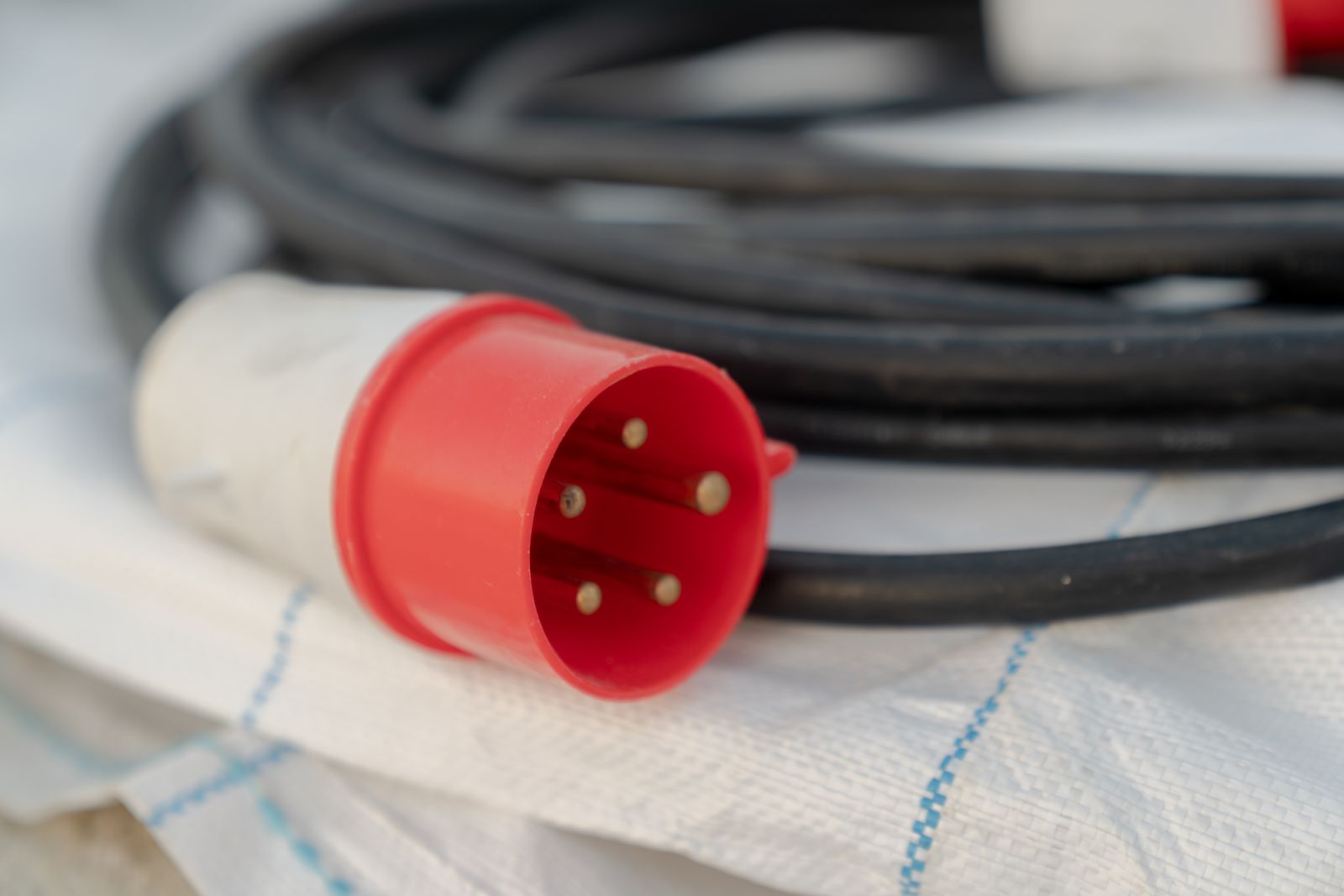
Yes. EMSA found reefer units the most fire-prone ro-pax cargo, and the weak point is often the plug and cable linking the trailer to the ship's power.
Yes. EMSA's FIRESAFE study found that about 30% of fires on ro-ro passenger ships start on the vehicle deck, that 90% of those start in the cargo, and that refrigerated units are more prone to fire than other cargo and burn more severely. The risk sits in two places: the reefer's own machinery, running for the whole crossing, and the plug, cable and socket that connect it to the ship.
Refrigerated trailers are routine freight on short-sea ferries, and nothing about them looks dangerous at the ramp. That is the problem. A reefer is a working machine parked on the deck, drawing tens of amps through a connection made in a hurry by whoever is on the ramp that day.
Why are reefer units more fire-prone than other cargo?
Because they keep running. Every other vehicle on a ferry deck is switched off; a reefer's compressor, fans, heaters and control electronics work throughout the voyage, powered either by the ship through a plug-in connection or by the unit's own diesel generator. That means sustained electrical load, heat and vibration in a salt-laden space, on equipment the ship's crew did not install and cannot inspect inside. FIRESAFE's expert panels ranked electrical fire as an ignition source among the two greatest risk contributors on ro-pax vehicle decks, alongside failure of fire extinguishing.
What do the casualties show?
That reefers have started some of the worst ferry fires of the last two decades, through both the plug and the generator. On Commodore Clipper in June 2010, a loose termination inside a reefer plug overheated while drawing the unit's normal load of about 25 amps through a 32-amp breaker, and set fire to the main vehicle deck. Twenty-four of the 77 trailers aboard were reefers, moved to the enclosed deck so they could run on ship's power. The detection worked, but the crew read its alarms as a fault and lost about 17 minutes.
On Lisco Gloria in October 2010, a refrigerated trailer on the upper deck caught fire an hour and a half out of Kiel. The fire was reported within a minute, but the drencher delivered no water and the ship was lost. On Norman Atlantic in December 2014, the hold carried 43 reefer trucks for 40 electrical outlets. Three ran their own generators against the rules, Italian investigators traced the fire to one of them, and around 31 people died.
Why don't the breaker and the smoke detector catch it early?
Because a failing connection changes resistance, not current. A loose or corroded joint adds a fraction of an ohm to a circuit whose current is set by the reefer's load, so the breaker sees a normal draw while the joint heats. MAIB found Commodore Clipper's protection 'met the classification society's requirements and were functioning correctly' but 'were not capable of detecting the fault in the reefer cable'. A deckhead smoke detector, meanwhile, waits for smoke to reach it through the deck's forced ventilation, and by then the plug has already become a fire.
What do the rules ask of reefer connections?
IMO's answer is MSC.1/Circ.1615, the interim guidelines approved in June 2019 for minimising fires in ro-ro and special category spaces of ro-pax ships. They are recommendatory, not SOLAS requirements, but their six provisions on electrical connections read like a list of the failures above:
- Inspect cables, sockets and associated equipment, in principle before each use, by trained crew following an established procedure; non-ship cables should not be used.
- Keep a maintenance plan for those cables and sockets.
- Protect and earth power cables exposed to vehicle damage, and stow unused cables so loading cannot damage them.
- Fit sockets rated at least IP56, with covers that keep that rating after the plug is removed.
- Use protection that detects harmful loads and earth faults and isolates the socket automatically.
- Have only trained people, or people supervised by the crew, connect and disconnect cargo units.
FIRESAFE went a step further and recommended continuous monitoring with a focus on connected reefer units, alongside short cable runs and ship-only cables.
What should a ferry operator do now?
Treat reefer power as a managed system rather than a courtesy socket. Most of the measures cost little and close the gaps the casualties exposed.
- Match reefer bookings to working outlets before loading, and never let a unit run its own generator in an enclosed deck.
- Use ship cables only, inspect each connection before use, and record who made it.
- Replace sockets below the IP56 rating the guidelines call for; Commodore Clipper had IP44 sockets where class required IP55.
- Survey reefer connections thermally with the units running, and record the load at each reading, since a joint read at idle looks healthy.
- Watch connected reefers continuously during the crossing, as FIRESAFE recommended, rather than relying on the breaker and the deckhead detector.
How RoRoSAFE helps
A failing reefer connection gives off heat long before it gives off smoke, and the breaker cannot see it. RoRoSAFE watches each parked vehicle and trailer with thermal and gas sensing and alerts the bridge before visible smoke, naming the bay. It installs alongside the berth without drydock and works alongside the ship's SOLAS detection, which suits ferries that cannot give up a sailing.
Pilot: one deck · installed alongside the berth · no drydock · 6 months of dashboard access
Sources
- 1. EMSA — FIRESAFE, 'Study investigating cost effective measures for reducing the risk from fires on ro-ro passenger ships' (SP Technical Research Institute of Sweden with Bureau Veritas and Stena Line), final report December 2016: ~30% of ro-pax fires originate on the vehicle deck, 90% of these in the cargo; refrigeration units more prone to fire and their fires more severe; electrical fire as an ignition risk and fire-extinguishing failure the greatest risk contributors; continuous monitoring focused on connected reefer units, short cables and ship-only cables recommended. Reported by SAFETY4SEA and MarineLink.
- 2. IMO — MSC.1/Circ.1615, 'Interim guidelines for minimizing the incidence and consequences of fires in ro-ro spaces and special category spaces of new and existing ro-ro passenger ships', approved by MSC 101, June 2019: Annex paragraphs 1.1–1.6 on inspection, maintenance, cable protection, IP56 sockets, load and earth-fault protection, and trained personnel.
- 3. MAIB Report No 24/2011 — fire on the main vehicle deck of Commodore Clipper, 16 June 2010: loose termination in a reefer plug; ~25 A load through a 32 A breaker; 24 of 77 trailers reefers; IP44 sockets where IP55 was required; protection 'not capable of detecting the fault in the reefer cable'; about 17 minutes lost to alarms read as a fault.
- 4. BSU Investigation Report 445/10 — fire on the ro-pax Lisco Gloria, 8 October 2010, Fehmarn Belt: refrigerated trailer fire on the upper deck; drencher delivered no water; total loss.
- 5. Italian investigation and trial reporting on Norman Atlantic, 28 December 2014 (Maritime Executive): 43 reefer trucks for 40 outlets; three running generators against regulations; fire traced to a generator; around 31 dead.
- 6. Companion RoRoSAFE analyses — 'The Loose Terminal a Breaker Cannot See', the Commodore Clipper, Lisco Gloria and Norman Atlantic case studies, and 'Reefer-Socket Monitoring Pilot: Ro-Pax Results'.
Questions, answered
Are refrigerated trailers a fire risk on ferries?+
Yes. EMSA's FIRESAFE study found that about 30% of ro-pax fires start on the vehicle deck, 90% of them in the cargo, and that refrigeration units are more fire-prone than other cargo and burn more severely. Reefers keep running through the crossing, so their machinery and power connections are live the whole time.
What started the Commodore Clipper and Norman Atlantic fires?+
On Commodore Clipper in 2010, a loose termination inside a reefer plug overheated under normal load and set fire to the vehicle deck. On Norman Atlantic in 2014, the hold carried 43 reefer trucks for 40 outlets; three ran their own generators against the rules, and investigators traced the fire to one of them.
Why doesn't the circuit breaker trip on a failing reefer plug?+
Because a loose or corroded joint raises resistance, not current. The reefer draws its normal load, so the breaker sees nothing wrong while the joint heats. MAIB found Commodore Clipper's protection worked as designed but could not detect the fault in the reefer cable.
What does IMO recommend for reefer connections on ro-pax ships?+
MSC.1/Circ.1615 (June 2019) recommends inspecting cables and sockets before use, a maintenance plan, no non-ship cables, sockets rated at least IP56, protection that detects harmful loads and earth faults, and connection by trained personnel only. The guidelines are recommendatory rather than SOLAS requirements.
Continue the thread
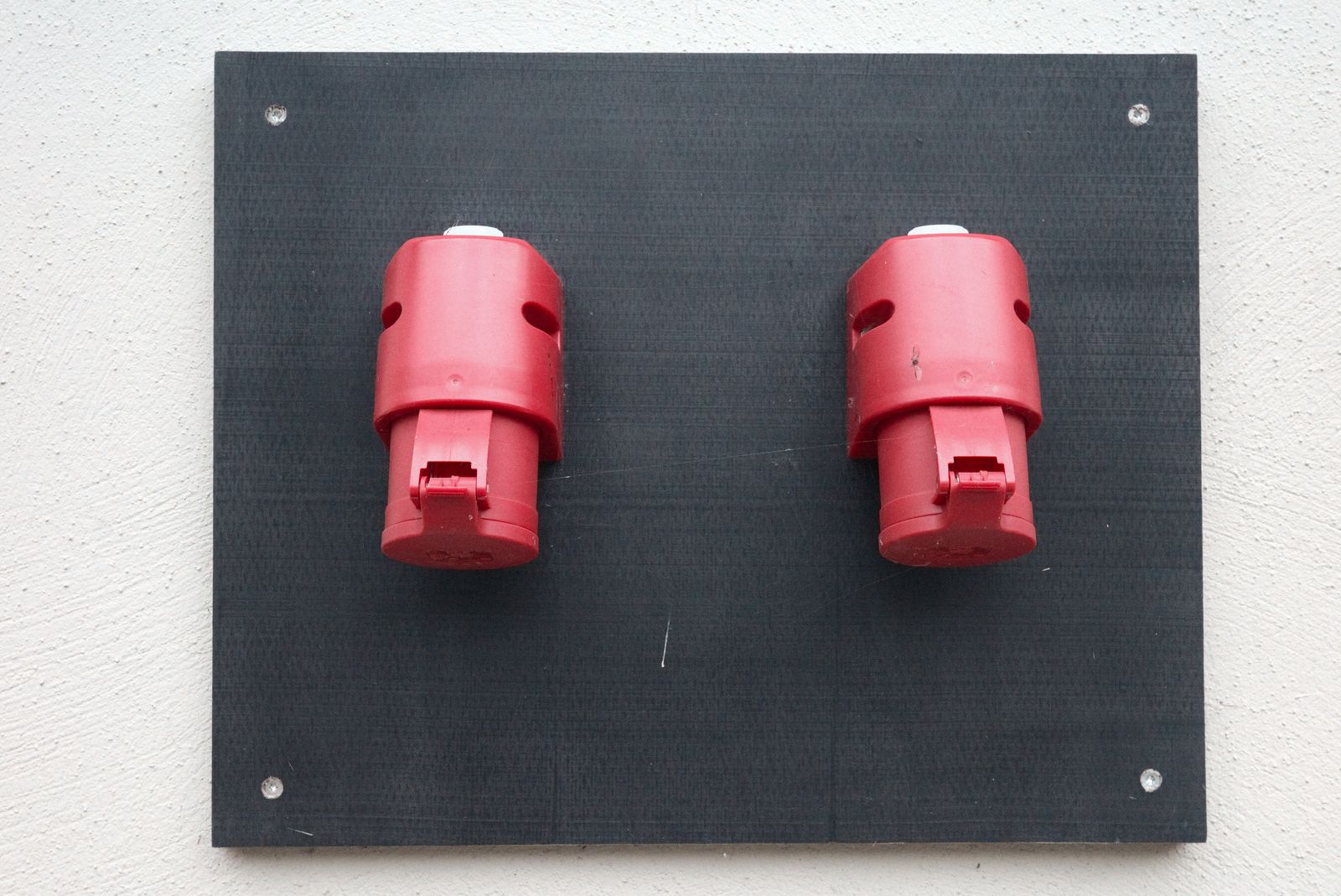
Reefer-Socket Monitoring Pilot: Ro-Pax Results
48 reefer sockets on a short-sea ro-pax, one season. Two high-resistance joints found under load — neither tripped a breaker, as the physics predicts.
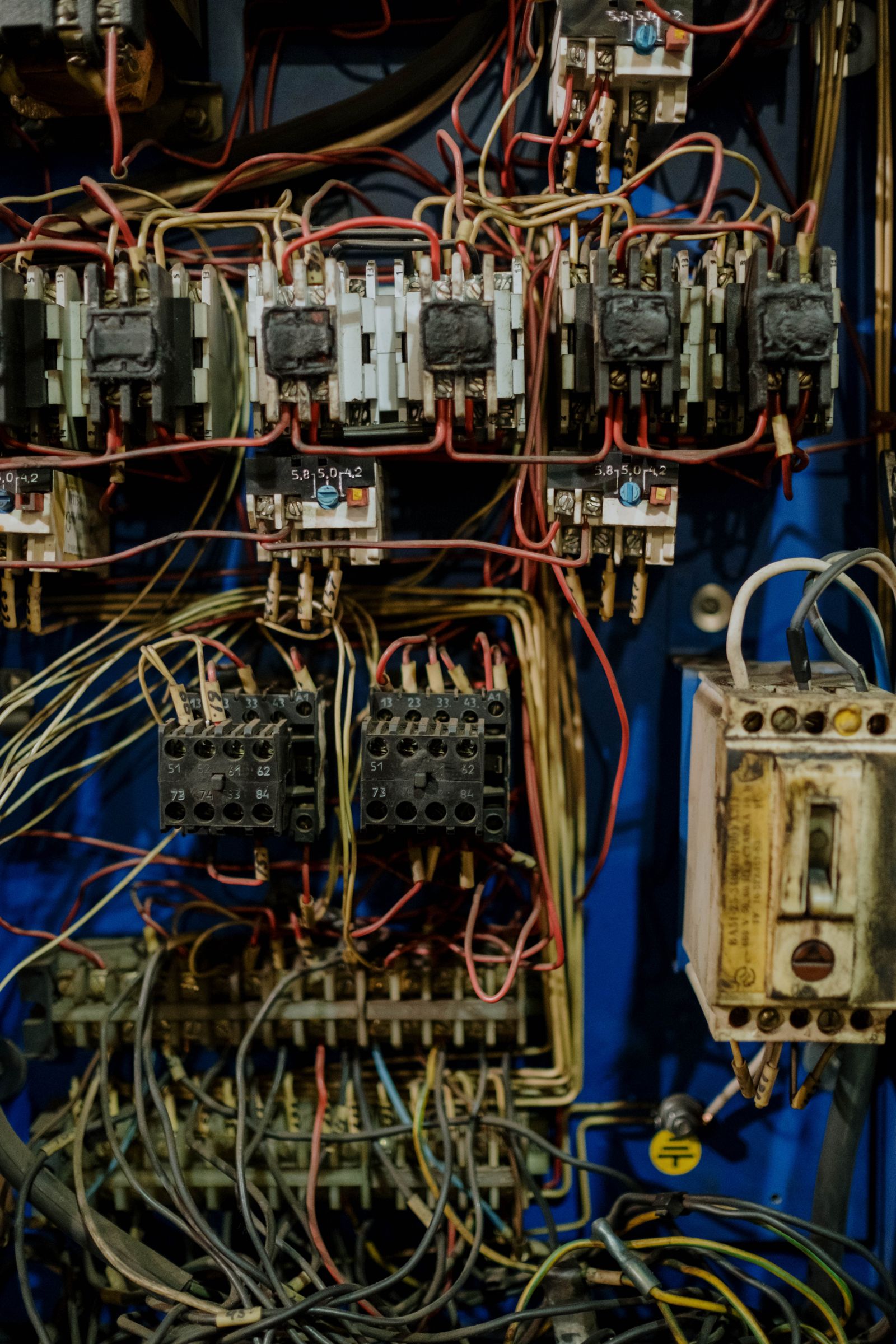
The Loose Terminal a Breaker Cannot See
A loose joint changes resistance, not current — so overcurrent protection is blind by construction. MAIB 24/2011: 25 A through a 32 A breaker, and a fire.
Commodore Clipper: The Alarm Reset 7 Times
A reefer plug ignited on a Condor ro-pax in 2010. Detection worked — 16 sensors, 81 alarms. The crew read a fault, silenced it, and lost 17 minutes.
Norman Atlantic: Fighting the Wrong Deck
The 2014 Norman Atlantic fire killed around 31 people. The hold held 43 reefer trucks and 40 outlets, and the crew drenched the wrong deck.

Lisco Gloria: The Drencher That Gave No Water
The 2010 Lisco Gloria fire was detected within minutes and the drencher started — it delivered no water, and a 199 m DFDS ro-pax became a total loss.
Why Fire Detection Is Difficult on Ro-Ro Vehicle Decks
Ventilation dilutes the smoke, cargo hides the source, loading mutes the detectors, and a fire can spread car to car in about 20 minutes. Here is why.
Are E-Bikes the Ferry Deck's New Fire Risk?
Yes, but not for pack size: grey-market cells, undeclared boarding and boot stowage. MGN 653 and USCG MSIB 003-25 now say weather deck, no charging.