
What 24 Months of Sensor Ageing Showed
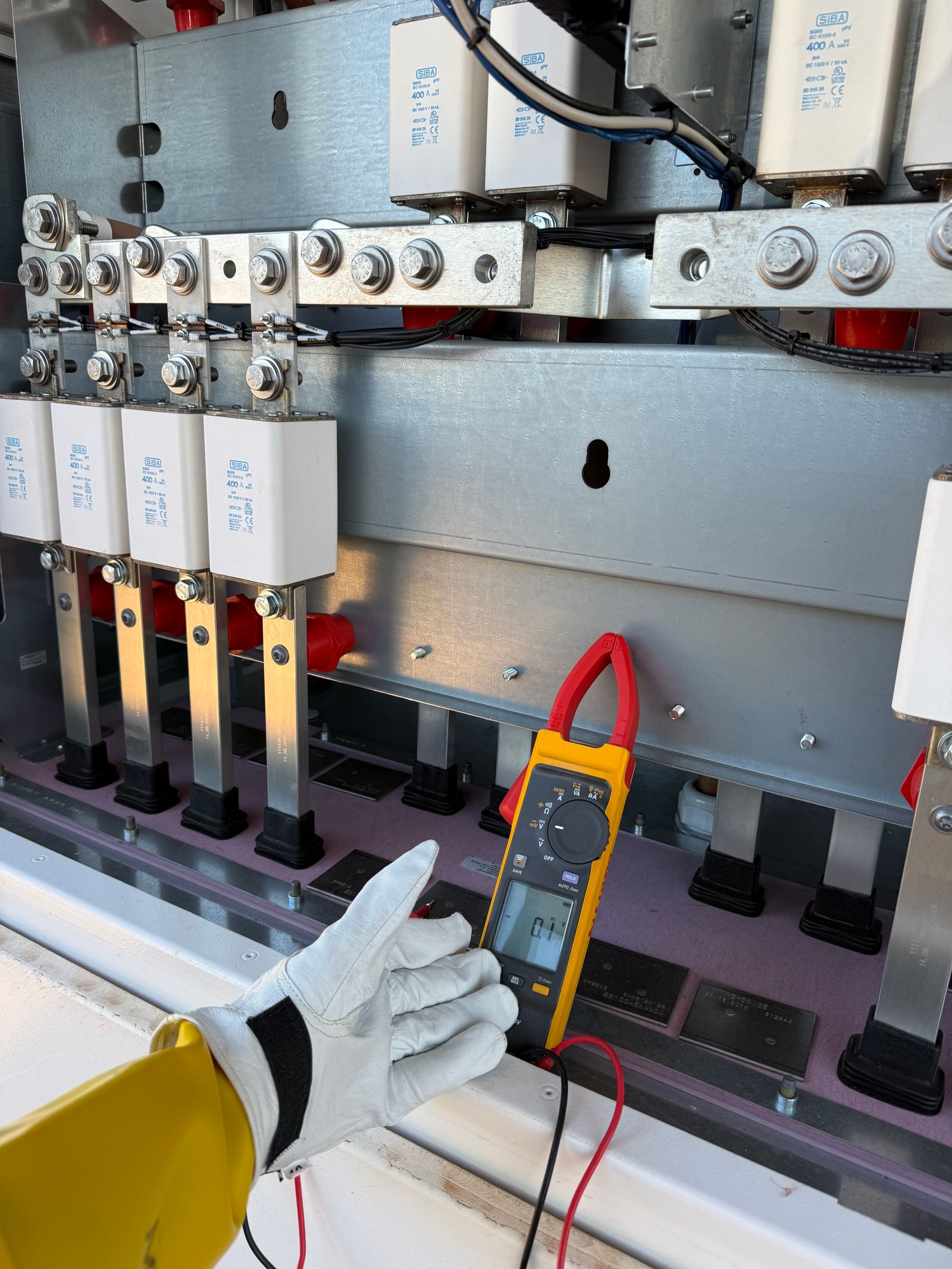
A fleet tracked gas-sensor drift for ~24 months. It was not uniform, so a single fleet-wide replacement interval was either wasteful or unsafe.
Detection systems get commissioned once and maintained for years, and almost nothing published addresses the second part. This campaign tracked what happened to the gas-sensing channels on six vessels across roughly two years of trading. The headline finding is unglamorous and consequential: drift was not uniform, so any single fleet-wide replacement interval was simultaneously wasteful on some ships and unsafe on others.
What the campaign tracked
Sensor health as a maintained property, rather than alarm behaviour. The vessels already had a detection layer in service, so the question was not whether it worked at commissioning but whether it was still doing what the commissioning assumed eighteen months later. Three things were logged over the window: each channel's own baseline over time, the results of every bump test and every full calibration, and the service age of each cell at fitting and at removal — including how long a spare had sat in the locker before it went in.
- Six vessels on mixed trades — North Europe, Mediterranean and transatlantic rotations, deliberately not a single climate.
- Roughly a 24-month observation window covering at least one full calibration cycle per vessel.
- Per-channel baseline trended continuously; bump tests and calibrations logged to the vessel's safety management system alongside the maintenance record.
- Cell age recorded at fitting as well as at removal, so shelf time was visible separately from service time.
The finding: drift was not uniform
The published envelope held, but the spread inside it was the useful part. Manufacturer specifications commonly allow up to 20% sensitivity drift per year against a one-to-three-year service life, and nothing in the campaign contradicted that. What it added was that position and trade moved a channel's position within that envelope substantially: cells on vessels running consistently warm, humid rotations aged visibly faster than the same cells on cooler routes, and channels in the more heavily ventilated parts of a deck behaved differently from sheltered ones on the same ship. A fleet-wide fixed interval set to protect the worst case therefore replaced a lot of serviceable cells early, and one set to an average left the worst-case ships running on cells further down than anyone intended.
The constraint was logistics, not engineering
Knowing which cells need attention turned out to be easier than getting to them. Calibration requires a technician, a known gas and time alongside — and a liner rotation gives short, scheduled port calls rather than convenient windows. Calibration gas is itself a regulated cargo to ship and store, which makes 'just keep cylinders aboard' a less trivial answer than it sounds. The practical outcome was that calibration capacity per port call, not detection engineering, set how quickly the fleet could act on what the trending showed. The campaign also confirmed the shelf-life trap: cells bought as a block at rollout had consumed a meaningful share of their life sitting in a store before they were ever fitted, which quietly shortened their useful service life and made the fitting date a poor proxy for the cell's real age.
What changed — and what trending does not replace
The fleet moved from replacing on a calendar to replacing on evidence, with one deliberate limit. Baseline trending gives a per-channel health signal continuously and without applying any gas, which makes it a good way to decide where a technician's limited time alongside should go. That is triage, and it works. What it is not is a substitute for calibration, and the campaign was careful not to let it become one: a baseline that is walking can indicate a degrading cell, but it can equally indicate a real change in the deck's environment — a different cargo mix, altered ventilation, a season. Only applying a known gas distinguishes the two. So the regime that came out of it keeps calibration on the manufacturer's interval as the thing that establishes sensitivity, and uses trending to decide ordering, prioritisation and which channels get looked at first.
How RoRoSAFE helps
Non-uniform drift is why RoRoSAFE trends each sensor individually instead of replacing them all on a fixed calendar. Each gas channel is fused with a thermal channel and read against a baseline, so a drifting sensor is found and replaced before detection degrades. For an operator, that means lower maintenance cost without a safety gap.
Pilot: one deck · installed alongside the berth · no drydock · 6 months of dashboard access
Sources
- RoRoSAFE fleet sensor-ageing campaign record (operator under NDA) — six vessels on mixed North Europe, Mediterranean and transatlantic rotations; roughly 24-month window; per-channel baseline trending with bump tests, calibrations and cell ages logged; outcome was a move from fixed-interval to condition-triaged replacement with calibration scheduled against port windows.
- Electrochemical sensor envelope: manufacturers commonly specify sensitivity drift of up to 20% per year; typical service life one to three years; typical shelf life for an unfitted cell six months to one year; cross-sensitivity magnitude varies with sensor age as well as temperature and humidity — Analog Devices; HazardEx; Critical Environment Technologies; Honeywell Technical Note 114.
- Marine maintenance practice: fixed gas-detection systems are calibrated at manufacturer-defined intervals, commonly at least annually, with bump testing far more frequent, and bump tests, calibrations and sensor replacements logged in the vessel's safety management system — marine gas-detection service and equipment providers.
- Companion RoRoSAFE analysis — 'How Fast Does a Gas Sensor Drift at Sea?' (the physics behind this campaign), 'What a Season of At-Sea Alarm Data Shows' (the fleet study of alarm behaviour rather than sensor health), and 'Multi-Modal Sensor Fusion' (why an independent modality hedges the ageing of any one channel).
Questions, answered
What did the sensor-ageing campaign measure?+
Sensor health rather than alarm behaviour. Across six vessels and roughly 24 months it trended each gas channel's own baseline, logged every bump test and calibration, and recorded cell age at both fitting and removal so that shelf time was visible separately from service time. Figures here are a representative composite pending a confirmed operator dataset.
Why can't a fleet just use one replacement interval?+
Because drift is not uniform. Manufacturer specifications allow up to 20% sensitivity loss per year over a one-to-three-year life, but position and trade move a channel's place within that envelope — cells on consistently warm, humid rotations aged faster than the same cells on cooler routes. An interval set for the worst case discards serviceable cells; one set to the average leaves the worst-case ships under-protected.
What was the hardest part in practice?+
Logistics, not engineering. Calibration needs a technician, a known gas and time alongside, and a liner rotation offers short scheduled port calls. Calibration gas is a regulated cargo to ship and store, so keeping cylinders aboard is not a trivial answer. Calibration capacity per port call — not detection capability — set how fast the fleet could act on what the trending showed.
Does baseline trending replace calibration?+
No, and the campaign deliberately did not let it. Trending gives a continuous per-channel health signal with no gas applied, which is excellent for deciding where limited technician time should go. But a walking baseline can equally mean a real environmental change — different cargo mix, altered ventilation, a season. Only applying a known gas distinguishes a degrading cell from a changed deck.
Continue the thread
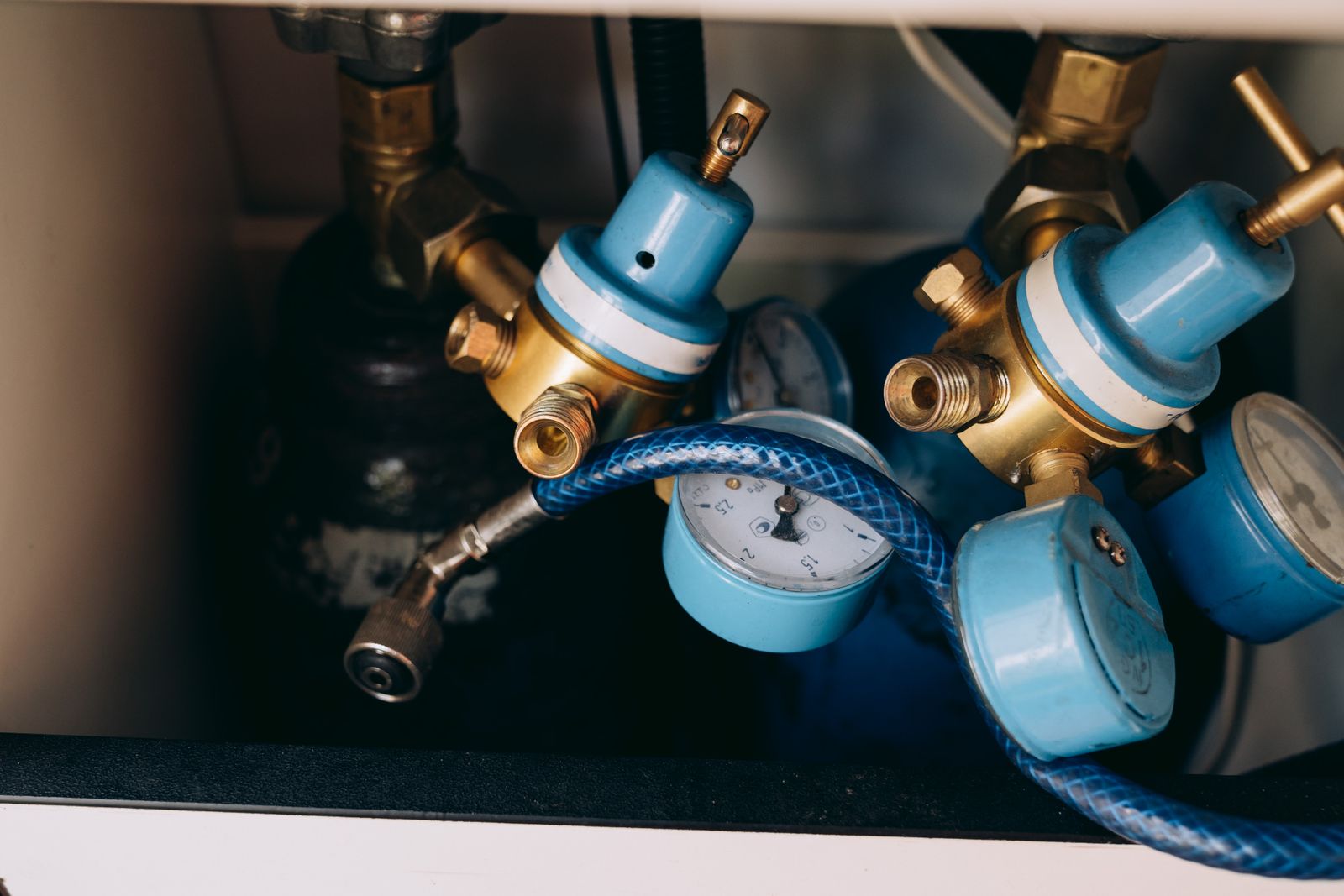
How Fast Does a Gas Sensor Drift at Sea?
Electrochemical cells can lose up to 20% of sensitivity a year. On a vehicle deck, the threshold you set at commissioning is not the one you have later.
What a Season of At-Sea Alarm Data Shows
A fleet season of live vehicle-deck alarm data: where nuisance trips come from, and how per-vehicle baselining held the false-positive rate near zero.

Multi-Modal Fusion: Heat, Gas, and Smoke
Each sensor modality has different blind spots. Multi-modal fusion is not a buzzword — it is the only architecture that survives the marine failure modes.