
Which Rulebook Governs an EV Fire at Sea?
Four, and none alone. SOLAS fits the ship, IMDG mostly exempts the cargo, ISM writes the procedures, MARPOL barely applies — and class fills the gaps.
Four IMO instruments touch a vehicle-deck fire and none owns it. SOLAS II-2 sets the detection, ventilation and suppression the ship must carry. The IMDG Code classifies the vehicle, then exempts it on a ro-ro. The ISM Code makes the operator write the procedures. MARPOL sets what may go over the side and rarely reaches a fire. The losses happen in the gaps.
This matters because 'compliant' is only a meaningful word when it names the instrument. A port-state deficiency is written under one code, a class condition under another, a charterparty warranty under a third, and a P&I claim is argued across all of them. An owner specifying a detection retrofit, and an underwriter reading the submission that describes it, both need to know which rulebook a given sentence is answering — because a ship can satisfy SOLAS to the letter while the ISM-governed configuration of the same equipment leaves the deck unwatched. Every casualty anatomy on this site has that shape.
SOLAS: the ship
SOLAS governs what the ship must be fitted with and have certified — not how the crew runs it. Chapter II-2 is the fire chapter: Regulation 20 covers vehicle, special category and ro-ro spaces (permanent ventilation independent of other spaces, a fixed fire detection and alarm system, a fixed fire-extinguishing system), and Regulation 19 covers the carriage of dangerous goods. Two other SOLAS chapters are the hinges on which the rest of the map turns: Chapter VII makes the IMDG Code mandatory, and Chapter IX makes the ISM Code mandatory. The 2026 amendments in MSC.550(108) added weather-deck detection, water monitors, alarm-presentation and loading-mode provisions — for passenger ships built from 1 January 2026; a cargo ship such as a PCTC received one detection paragraph, 20.4.1.5.
What SOLAS does not do is reach the operating state of what it mandates. It requires the detection system; the FSS Code that sits under it lets smoke sections be disconnected during loading; neither says what the timer should be set to or which decks are patrolled meanwhile. It requires a drencher; it does not say whether the pump's valve control is in 'auto' on the night. Those are ISM questions, and the two instruments are read together far less often than they should be.
IMDG: the cargo — and the exemption
The IMDG Code is the rulebook that classifies an electric vehicle as dangerous goods and then, on a ro-ro, sets most of itself aside. Mandatory under SOLAS Chapter VII since 1 January 2004 and amended on a two-year cycle, it moved lithium-battery vehicles from the generic UN 3171 to UN 3556 in Amendment 42-24, mandatory from 1 January 2026. But Special Provision 961 relieves vehicles carried in flag-approved vehicle spaces of the Code's packing, marking, documentation and stowage requirements, which is why a ro-ro deck receives no chemistry, no state of charge and no damage history with the car. Amendment 43-26 begins to close that gap: new SP 980 requires consignors to assess a vehicle's safety condition before offering it, and the SP 961 exemption is tied to SOLAS II-2/20 approved spaces, so a car in a container stack loses it from 2028.
IMDG is also the only place MARPOL gets a foothold on a vehicle deck. MARPOL Annex III, on harmful substances carried in packaged form, is implemented through the IMDG Code's marine-pollutant provisions — so a declared pollutant in packaged form is a MARPOL matter, while a vehicle exempted under SP 961 is neither.
ISM: the procedures
The ISM Code is where SOLAS hardware becomes a practice, and it is the instrument most casualty reports end up citing. Mandatory since 1 July 1998 through SOLAS Chapter IX, it requires each company to run a documented safety management system, audited to a Document of Compliance ashore and a Safety Management Certificate aboard. Three of its sections carry the vehicle-deck fire problem. Section 8 (emergency preparedness) requires the company to 'identify potential emergency shipboard situations, and establish procedures to respond to them', with drills. Section 10.3 requires it to 'identify equipment and technical systems the sudden operational failure of which may result in hazardous situations' and to test stand-by arrangements that are not in continuous use. Section 9 requires non-conformities and hazardous occurrences to be reported, investigated and analysed.
Map those onto the record. The Lisco Gloria's drencher pump valve control in 'manual' is a Section 10.3 critical-equipment failure; the BSU's recommendation that crews report malfunctions immediately and that resolved defects be rechecked at ISM audit is Section 9. The loading-phase detection state — which sections are muted, for how long, what patrols the deck — is a Section 8 procedure or it is nothing. And the IMO interim guidelines in MSC.1/Circ.1615 and EMSA's guidance on alternative-fuel vehicles both ask a ro-pax operator to run its EV charging, state-of-charge and stowage policy as an ISM risk assessment rather than wait for a SOLAS rule. When a submission says 'compliant', the ISM question is the sharper one: show the procedure.
MARPOL: the one that mostly isn't there
MARPOL is the instrument people expect to govern a burning ship's runoff, and it largely does not. Its six annexes cover oil, noxious liquids in bulk, harmful substances in packaged form, sewage, garbage and air pollution. A vehicle-deck fire produces none of those as a regulated discharge: the firefighting water carrying battery electrolyte, metals and foam over the side is not one of MARPOL's regulated operational discharges, and the bunker fuel that escapes when a hull is breached becomes an Annex I event only in the sense that any spill is. What actually governs pollution from a casualty is coastal-state law at the scene and the liability conventions afterwards — the Bunkers Convention for fuel, the Nairobi Convention for the wreck. The BSU's observation on the Lisco Gloria that 'the marine environment was marginally impaired' is a casualty-investigation finding, not a MARPOL one. The 2026 restrictions on PFOS firefighting foam come from the Stockholm Convention and EU regulation, not from MARPOL either.
The others: STCW, the CSS Code, class and guidance
Around the four conventions sit the instruments that decide whether the hardware and procedures work on the night. STCW Table A-VI/3 sets the competence for officers who control firefighting: four competences — controlling operations, organising fire parties, inspecting and servicing detection and extinguishing systems, and investigating fire incidents — with refresher training every five years. The CSS Code's Annex 4 governs the securing of wheel-based cargo, which is the constraint any deck-mounted detection layer must respect without touching a lashing. Classification society notations go beyond SOLAS on request, and a charterer or underwriter can make them contractual. And a layer of guidance with no legal force but real market weight — MSC.1/Circ.1615, EMSA's AFV guidance, the VCSF guidelines, IUMI's EV best-practice paper — is what a ship is actually measured against once a claim is in dispute.
What it means for owners and underwriters
Ask compliance questions by instrument, not in general. To SOLAS: what is fitted and certified, and under which paragraph — a PCTC's answer for detection is 20.4.1.5 and the FSS Code, nothing more. To IMDG: what was declared, which on a ro-ro under SP 961 is usually nothing, so the ship's own screening is the only cargo knowledge it has. To ISM: show the Section 8 procedure for a vehicle-deck fire and the Section 10.3 critical-equipment list, and check that the drencher pump, its valve line-up and the detection system's loading configuration are on it.
To MARPOL: nothing on the fire itself — plan runoff and foam under local law and the liability conventions instead. To class and guidance: which notations are held and which voluntary standards the charterparty or the policy has made binding. A detection layer lives in two of these at once — as SOLAS equipment and as an ISM configuration — and the distance between 'we were compliant' and 'the drencher was in manual' is exactly the distance between those two.
How RoRoSAFE helps
With four rulebooks and gaps between them, detection is the part the owner controls directly. RoRoSAFE adds per-vehicle thermal and battery-vent gas detection above what SOLAS requires, with tamper-evident logs that support ISM procedures and reporting. It fills a practical gap no single code covers, without claiming to satisfy any of them.
Pilot: one deck · installed alongside the berth · no drydock · 6 months of dashboard access
Sources
- 1. IMO — SOLAS Chapter II-2 Regulations 19 and 20 (carriage of dangerous goods; protection of vehicle, special category and ro-ro spaces), as amended by Resolution MSC.550(108), adopted 23 May 2024, in force 1 January 2026; SOLAS Chapter VII (carriage of dangerous goods) and Chapter IX (management for the safe operation of ships).
- 2. IMO — 'Carriage of dangerous goods' (imo.org): the IMDG Code given mandatory status under SOLAS from 1 January 2004; amendments on a two-year cycle; the provisions of MARPOL Annex III 'also extended in the IMDG Code'.
- 3. IMO — IMDG Code Amendment 42-24 (Resolution MSC.556(108), mandatory 1 January 2026): UN 3556 for lithium-ion battery-powered vehicles; Special Provision 961 exemption for vehicles in flag-approved vehicle spaces; Amendment 43-26 (SP 980; SP 961 tied to SOLAS II-2/20 approved spaces).
- 4. IMO — 'ISM Code' (imo.org): adopted by Resolution A.741(18) in 1993; mandatory through SOLAS Chapter IX from 1 July 1998; and the International Safety Management Code, Sections 8 (emergency preparedness), 9 (reports and analysis of non-conformities, accidents and hazardous occurrences) and 10.3 (critical equipment and technical systems).
- 5. IMO — 'International Convention for the Prevention of Pollution from Ships (MARPOL)' (imo.org): Annexes I–VI and their scope; Annex III, harmful substances carried by sea in packaged form, in force 1 July 1992.
- 6. IMO — STCW Code, Table A-VI/3, specification of minimum standard of competence in advanced fire fighting (control of fire-fighting operations; organising and training fire parties; inspecting and servicing fire detection and extinguishing systems; investigating and reporting fire incidents); refresher training at intervals not exceeding five years.
- 7. IMO — Code of Safe Practice for Cargo Stowage and Securing (CSS Code), Resolution A.714(17), Annex 4: safe stowage and securing of wheel-based (rolling) cargoes.
- 8. IMO — MSC.1/Circ.1615, Interim guidelines for minimizing the incidence and consequences of fires in ro-ro spaces and special category spaces of new and existing ro-ro passenger ships; EMSA — Guidance on the carriage of alternative fuel vehicles in ro-ro spaces.
- 9. Bundesstelle für Seeunfalluntersuchung — Investigation Report 445/10, Lisco Gloria (2012): drencher pump valve control; recommendation on reporting malfunctions and rechecking at ISM audit; environmental finding.
Questions, answered
Does the IMDG Code apply to electric vehicles on a car carrier?+
Only partly. The IMDG Code classifies a lithium-battery vehicle as UN 3556 dangerous goods, but Special Provision 961 relieves vehicles carried in flag-approved vehicle spaces on ro-ro ships of most of the Code's packing, marking, documentation and stowage requirements. So on a car carrier or ferry the cargo is dangerous goods in name and exempt in practice, which is why the ship receives no chemistry, charge state or damage history with the car.
What does the ISM Code require for a vehicle-deck fire?+
A documented procedure, tested equipment and reported defects. Section 8 requires the company to identify potential shipboard emergencies and establish procedures and drills for them; Section 10.3 requires it to identify equipment whose sudden failure could cause a hazardous situation and to test stand-by systems regularly; Section 9 requires non-conformities and hazardous occurrences to be reported and analysed. A drencher pump line-up and the loading-phase detection configuration belong under all three.
Does MARPOL cover pollution from a ship fire?+
Mostly not. MARPOL's six annexes regulate operational discharges of oil, noxious liquids, packaged harmful substances, sewage, garbage and air emissions. Firefighting-water runoff from a burning vehicle deck is not a MARPOL discharge category, and the only MARPOL hook on a vehicle deck is Annex III, implemented through the IMDG Code's marine-pollutant rules. Pollution from a casualty is handled under coastal-state law and the liability conventions — the Bunkers Convention and the Nairobi Wreck Removal Convention.
Which convention actually requires fire detection on a car carrier?+
SOLAS Chapter II-2 Regulation 20, through the FSS Code. For a cargo ship built from 1 January 2026 the operative paragraph is 20.4.1.5, which requires a fixed fire detection and alarm system capable of rapidly detecting the onset of fire; the 2026 amendments' weather-deck, monitor and alarm-presentation provisions are written for passenger ships. How the fitted system is configured during loading is not a SOLAS matter but an ISM one.
Continue the thread
What Does SOLAS II-2/20 Ask of a Car Carrier?
Almost all of the 2026 amendment is written for passenger ships. A cargo ship gets one detection paragraph; the car-carrier package is still in draft.
Who Declares an EV as Dangerous Cargo?
On a ro-ro, Special Provision 961 means an EV is not dangerous goods. So the ship gets no chemistry, no state of charge, no damage history.
EVs Got a New UN Number — Does It Help?
From IMDG 42-24, lithium EVs ship as UN 3556, not the generic UN 3171. But SP 961 still exempts them on a ro-ro, so the code rarely reaches the deck.
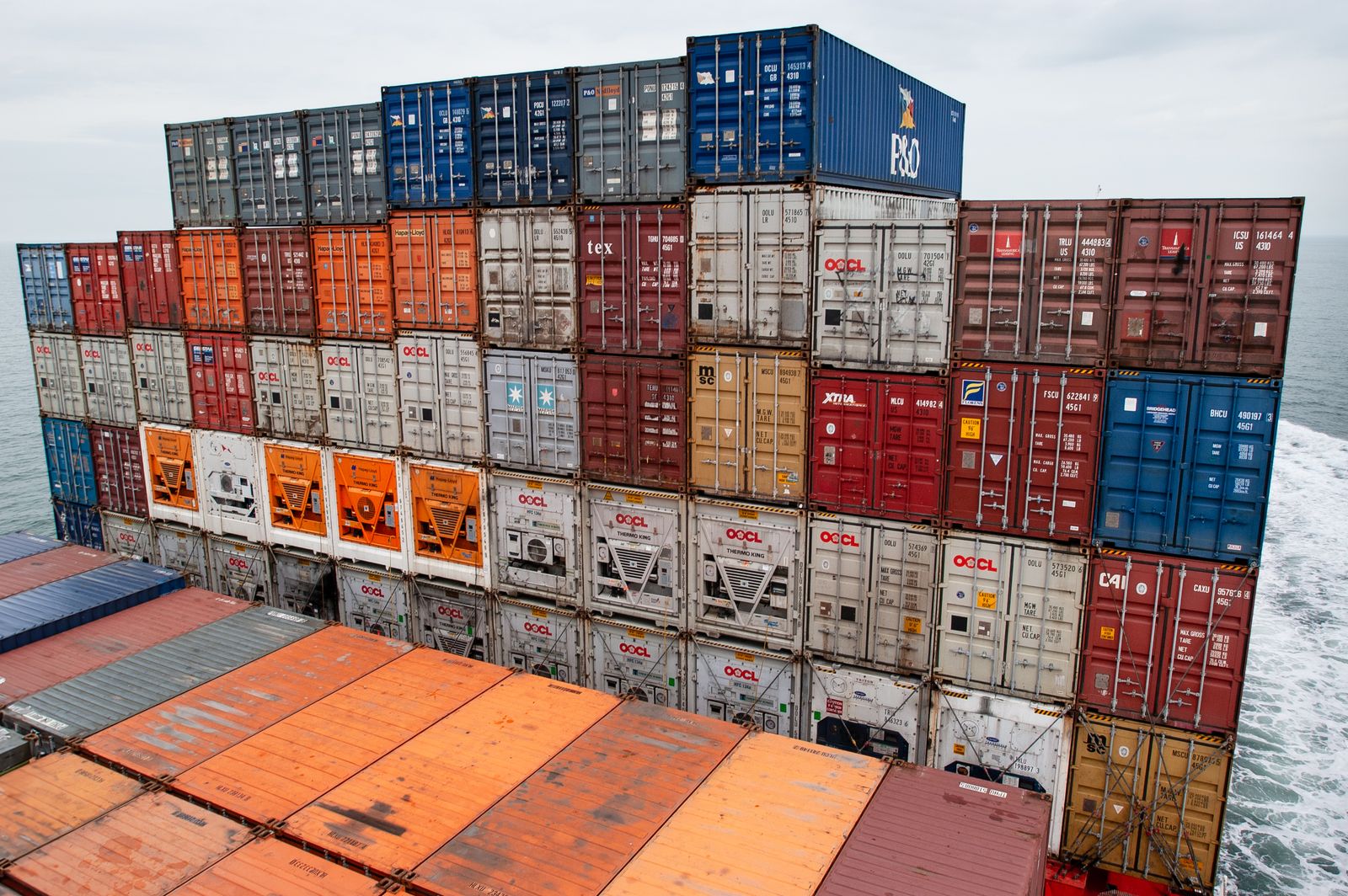
Does a Car in a Container Escape the Rules?
Not after 2028. IMDG Amendment 43-26 ties the SP 961 exemption to SOLAS II-2/20 approved spaces — and a container stack is not one of them.
Class Fire Notations Beyond the SOLAS Floor
SOLAS is the floor. Class notations like DNV's F-AMC and ClassNK's AFVC(FD)(EV) certify the early detection and evacuation owners add above it.
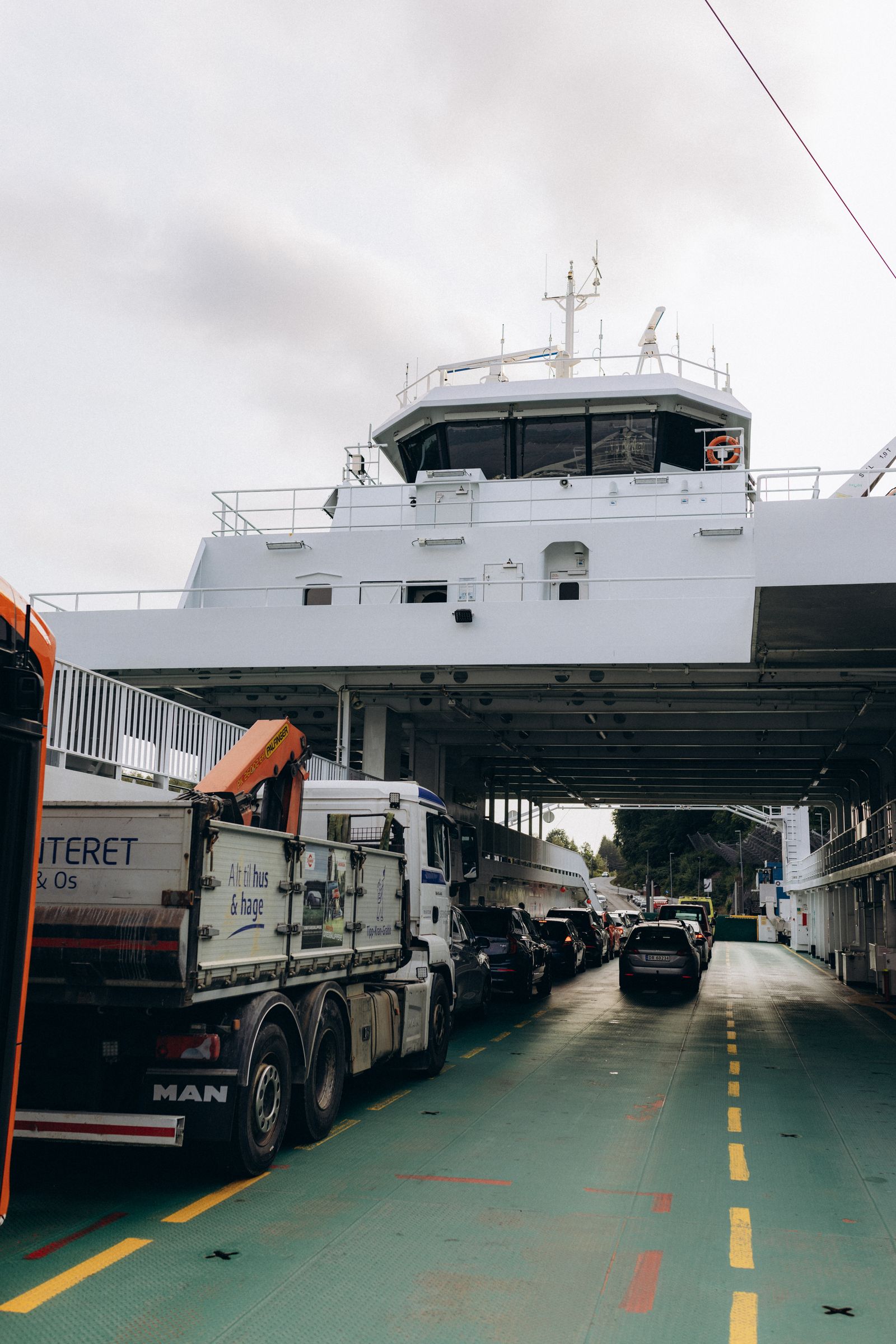
Is Fire Detection Off While the Ship Loads?
Usually, yes — smoke sections are muted while loading. From 2026 the FSS Code allows it but keeps heat detection on; 1 in 4 ro-ro fires start in port.

What's the Pollution Tail of an EV Deck Fire?
A long one. A single 100 kWh EV pack can vent 2–20 kg of hydrogen fluoride, and the firewater runoff carries HF, heavy metals and PFAS foam.

What the 2026 PFOS Foam Ban Means for RoRo
From 1 January 2026 SOLAS II-2 bans PFOS firefighting foam above 10 mg/kg. RoRo and car-carrier operators must swap and certify foam by first survey.

Are Crews Trained to Fight an EV Fire?
Mostly not. STCW firefighting training is generic — and a battery in thermal runaway can't be put out by routine crew firefighting at all.

Lisco Gloria: The Drencher That Gave No Water
The 2010 Lisco Gloria fire was detected within minutes and the drencher started — it delivered no water, and a 199 m DFDS ro-pax became a total loss.