
EVs Got a New UN Number — Does It Help?
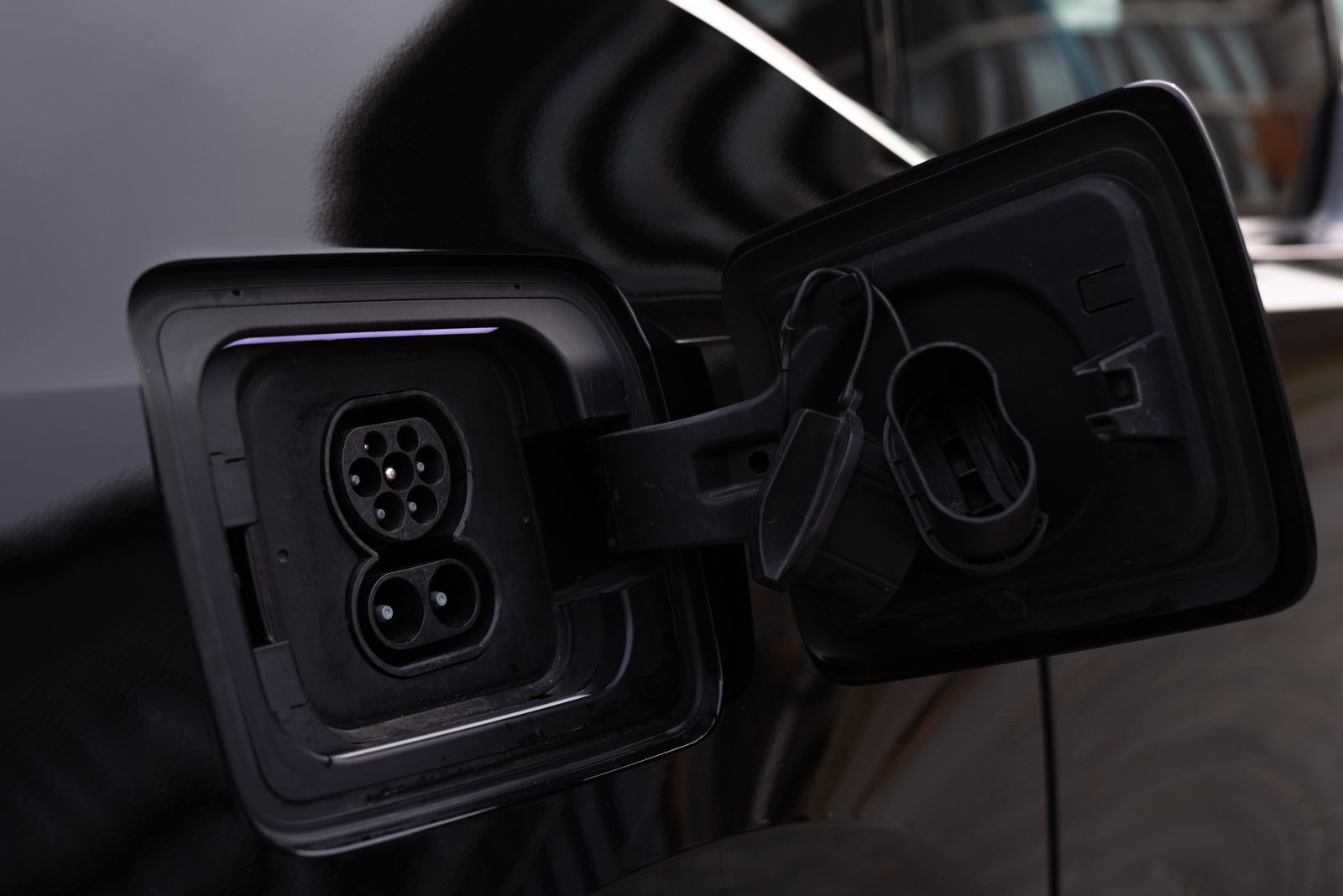
From IMDG 42-24, lithium EVs ship as UN 3556, not the generic UN 3171. But SP 961 still exempts them on a ro-ro, so the code rarely reaches the deck.
For the containerised route, yes; for the deck that carries most cars, barely. Since IMDG Amendment 42-24 became mandatory on 1 January 2026, a lithium-ion car is no longer the generic UN 3171 — it is UN 3556, with UN 3557 for lithium-metal and UN 3558 for sodium-ion vehicles. That is a real gain in granularity. But on a ro-ro, Special Provision 961 still exempts the vehicle from the Code, so the new number never travels to the master.
What actually changed on 1 January 2026
The generic entry was split by chemistry. Under IMDG Amendment 42-24 — adopted by IMO Resolution MSC.556(108), voluntary from 1 January 2025 and mandatory from 1 January 2026 — UN 3171, 'Battery-powered vehicle', is no longer permitted for lithium or sodium-ion powered vehicles. Three dedicated entries replace it: UN 3556 (vehicle, lithium-ion battery powered), UN 3557 (vehicle, lithium-metal battery powered) and UN 3558 (vehicle, sodium-ion battery powered). UN 3171 survives, but only for the other battery types it was always meant for — wet, dry and other non-lithium electric storage batteries. A new Special Provision 405 gives these vehicles relief from marking and labelling when they are not fully enclosed by packagings or crates that would prevent ready identification.
The intent is sound. A single 'battery-powered vehicle' code told a receiving system nothing about what was inside; three chemistry-specific codes let a manifest, a stowage system or a screening tool distinguish an NMC pack from an LFP one from a sodium cell. For the declared, containerised movement of vehicles, that is the difference between a data field and a blank.
Why it stops at the ramp on a car carrier
Because the exemption that governs ro-ro vehicle carriage was not removed — it was carried straight across to the new entries. Special Provision 961 still applies to a UN 3556 vehicle: carried on a ro-ro or other ship with vehicle spaces approved by the flag State, and provided there is no leakage from battery, fuel cell, cylinder or fuel tank and the battery is protected against short circuit, the vehicle is not subject to most of the Code — SP 388 and SP 977 excepted where applicable. The reclassification changed the vehicle's name in the system; it did not change whether that name is ever declared. Meet SP 961's conditions and the car ships as it did before — with no dangerous-goods declaration, and therefore no chemistry field reaching the deck.
Where the new number does bite
In the container slot, and in the paperwork of the used and damaged trade. SP 961 explicitly does not cover vehicles carried in cargo transport units in the container cargo spaces of a ro-ro ship — so an EV moving as containerised cargo, or on a boxship, must be declared under its UN 3556/3557/3558 entry with the chemistry stated. A vehicle that fails SP 961's conditions falls to Special Provision 962 and ships as Class 9, its installed battery required to meet SP 388 or SP 977 and be protected from damage, short circuit and accidental activation. The chemistry split makes both of those routes more precise. It is only the exempted ro-ro route — the dominant one for finished-vehicle trades — where the improvement is invisible on board.
How this sits with the rest of the 2026 package
It is one of two separate moves, and they close different gaps. The UN-number split under 42-24 sorts vehicles by chemistry at the classification level, effective now. The other, agreed later at the IMDG Editorial and Technical Group, is Special Provision 980 — a duty on consignors to assess a vehicle's condition before shipment, voluntary from 1 January 2027 and mandatory from 1 January 2028. One improves the label; the other imposes a gate. Neither, on the exempted ro-ro route, creates a transmission of chemistry, state of charge or damage history into the master's hands. A car can carry a precise new UN number and still board a car carrier with none of it written down for the crew.
What owners and underwriters should take from it
- Read UN 3556 as a classification upgrade, not a disclosure one — on the SP 961 ro-ro route the vehicle is still exempt, so the new code does not reach the bridge by itself.
- Where you carry EVs as containerised cargo or CTUs, expect and require the chemistry-specific declaration — SP 961 does not cover that route, so UN 3556/3557/3558 and its data are enforceable there.
- If you want chemistry, SoC and damage history on the exempted route, contract for them — the regulation has now named the chemistries without compelling anyone to tell the ship which one is aboard.
- Diarise the two dates separately: the UN-number split is in force now; SP 980's consignor-assessment duty is voluntary from 1 January 2027 and mandatory from 1 January 2028.
- For underwriters, a precise UN number on a bill of lading is not evidence the ship knows its cargo. Ask what the operator actually receives on the ro-ro route — on the exempted flow the honest answer is usually still the vehicle count.
How RoRoSAFE helps
A new UN number that stops at the ramp leaves the deck where it was. RoRoSAFE works past the ramp: per-vehicle thermal and battery-vent gas sensing across the enclosed deck for the whole voyage, alerting the bridge before visible smoke. Classification tells you what is aboard. Detection tells you which one is failing.
Pilot: one deck · installed alongside the berth · no drydock · 6 months of dashboard access
Sources
- 1. IMDG Code Amendment 42-24, adopted by IMO Resolution MSC.556(108), voluntary from 1 January 2025 and mandatory from 1 January 2026: UN 3171 ('Battery-powered vehicle') no longer permitted for lithium or sodium-ion powered vehicles; new entries UN 3556 (vehicle, lithium-ion battery powered), UN 3557 (vehicle, lithium-metal battery powered) and UN 3558 (vehicle, sodium-ion battery powered); new Special Provision 405 grants marking/labelling relief where the vehicle is not fully enclosed by packagings/crates — imo.org.
- 2. Maersk — 'IMDG Code 42-24: battery vehicle regulatory changes' (6 January 2026): summary of the UN 3171 retirement for lithium/sodium-ion vehicles and the introduction of UN 3556/3557/3558, with the 1 January 2026 mandatory date — maersk.com.
- 3. IMDG Code Special Provision 961 (as amended by 42-24): a lithium-ion battery-powered vehicle (UN 3556) carried on a ro-ro or other ship with flag-approved vehicle spaces is not subject to most of the Code where there is no leakage from battery/fuel cell/cylinder/fuel tank and the battery is protected from short circuit, SP 388 and SP 977 excepted where applicable; the exemption does not cover vehicles in cargo transport units in container cargo spaces of ro-ro ships. Vehicles failing SP 961 fall to SP 962 as Class 9, with installed batteries meeting SP 388 or SP 977 and protected from damage, short circuit and accidental activation — imo.org.
- 4. IMDG Editorial and Technical Group (September 2025), new Special Provision 980: consignors must assess a vehicle's safety condition before offering it for shipment; part of Amendment 43-26, voluntary from 1 January 2027 and mandatory from 1 January 2028 — imo.org / bimco.org.
- 5. Companion RoRoSAFE analysis — 'Who Declares an EV as Dangerous Cargo?' (why the ro-ro exemption leaves no declaration to make), 'Is There a Charter Clause for EV Cargo?' (the contractual route to the data the code does not deliver), and 'LFP vs NMC: Car-Carrier Fire Risk' (why chemistry is the field worth having).
Questions, answered
Is UN 3171 still valid for electric vehicles?+
No. Since IMDG Amendment 42-24 became mandatory on 1 January 2026, UN 3171 is no longer permitted for lithium or sodium-ion powered vehicles. Those now use dedicated entries: UN 3556 for lithium-ion, UN 3557 for lithium-metal and UN 3558 for sodium-ion battery-powered vehicles. UN 3171 remains valid only for other battery types, such as wet and dry non-lithium electric storage batteries.
What is the difference between UN 3556, UN 3557 and UN 3558?+
They split the old generic vehicle entry by battery chemistry. UN 3556 is a vehicle powered by a lithium-ion battery, UN 3557 by a lithium-metal battery, and UN 3558 by a sodium-ion battery. The point is granularity: a chemistry-specific code lets a manifest or screening system distinguish an NMC pack from an LFP or sodium cell, which the single UN 3171 entry could not.
Does the new UN number mean a car carrier now knows each EV's chemistry?+
Not on the exempted ro-ro route. Special Provision 961 still applies to a UN 3556 vehicle carried on flag-approved ro-ro vehicle spaces, so provided its conditions are met the vehicle is not declared as dangerous goods and no chemistry field reaches the master. The chemistry-specific code bites where the vehicle is declared — in a container slot or on a boxship — not where SP 961 exempts it.
When does the UN 3556 change take effect and who must apply it?+
It has been mandatory since 1 January 2026 under IMDG Amendment 42-24 (IMO Resolution MSC.556(108)), with voluntary application from 1 January 2025. It binds anyone consigning or declaring a battery-powered vehicle as dangerous goods for sea transport. On the SP 961-exempted ro-ro route there is often no declaration at all, so the practical burden falls on the containerised and non-exempt flows.
Continue the thread
Who Declares an EV as Dangerous Cargo?
On a ro-ro, Special Provision 961 means an EV is not dangerous goods. So the ship gets no chemistry, no state of charge, no damage history.
Is There a Charter Clause for EV Cargo?
Not yet. BIMCO's Carriage of Electric Vehicles Clause 2026 is only in drafting, so EV fire risk on car carriers still sits in bespoke riders.

Does LFP vs NMC Chemistry Change Fire Risk?
Partly. LFP cells run cooler and don't release oxygen like NMC, so they burn less violently — but still vent toxic, flammable gas on a packed deck.