
The Argument Over State-of-Charge at Loading
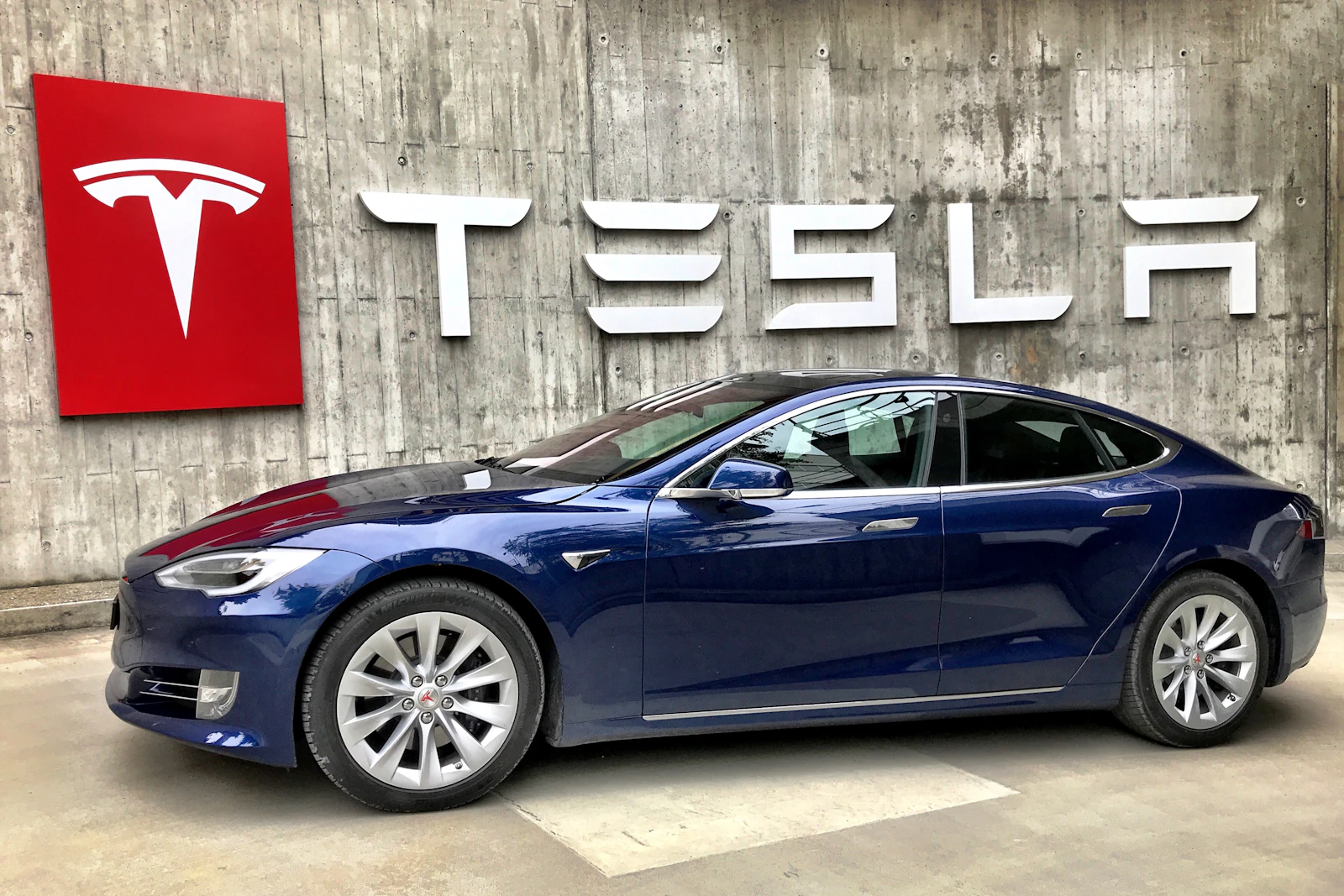
EMSA recommends 20–50% on a PCTC and lines have made 50% a booking condition. What still does not exist is an international requirement.
The number got published while the argument was still being described as private. EMSA's guidance for alternative-fuel vehicles in ro-ro spaces recommends a state of charge between 20% and 50% for vehicles carried on PCTCs, and shipping lines — short-sea and deep-sea alike — have turned the ceiling into a booking condition. What has not happened is a rule.
Where the number actually comes from
A recommendation and a commercial practice, not a regulation. EMSA's guidance sets the band at 20–50% for PCTC carriage. Many lines have adopted the ceiling — a maximum 50% state of charge for transported battery-electric vehicles — as a condition of booking rather than as compliance with anything.
IUMI's position, updated in September 2025, runs alongside it and is careful about the distinction: the state of charge of batteries in EVs carried on car carriers should be kept as low as practically and technically possible, and — stated plainly in the same guidance — no international requirements for SoC in maritime transport have been agreed. So the industry has a number, has largely adopted it, and still has nothing a port state control officer could detain a ship over.
SoC is a likelihood dial, not only a severity dial
The usual framing — more charge means more energy available in a runaway — is true and incomplete. It treats state of charge as a consequence multiplier that changes how bad an event is once it starts. The measured behaviour is that it also changes how easily it starts.
On severity the evidence is direct: vent gas volume and combustion energy increase approximately linearly with state of charge, and a cell at 100% has been reported generating more than twice the gas of a cell at lower charge. On initiation, raising the state of charge destabilises the cathode, which lowers the temperature at which thermal runaway begins while raising the peak heating rate once it does. The onset temperature falls as SoC rises.
Those two effects compound in the same direction. A pack held at 30% is not merely a smaller fire than the same pack at 80% — it is a pack that needs a hotter insult to tip over in the first place, and then releases less. That is a stronger argument for the ceiling than the stored-energy argument alone, and it is the one worth putting in front of an OEM.
Why the band has a floor as well as a ceiling
Because a flat pack is an operational problem ashore. EMSA's range is 20–50%, and the 20% is discussed far less than the 50%. Finished vehicles have to be driven on and off, shunted around terminals, moved to compounds and delivered — all under their own power. A vehicle that arrives too depleted to move becomes a handling exception at every stage, and deep discharge carries its own cell-degradation penalties.
The OEM side of the argument sits at the other end for the same practical reasons, wanting enough charge for delivery logistics and pre-delivery checks. So the band is a negotiated space between two operational constraints. It is worth being honest that 20–50% is not a safety optimum derived from cell physics — physics points monotonically downward — but the range in which the cargo remains a working vehicle.
What a SoC ceiling does not solve
It reduces the energy and raises the threshold. It does not make a damaged cell safe, and it does not change what happens after ignition. IUMI's guidance is blunt on both points: no extinguishing agent or system currently interrupts the chemical chain reaction in a battery in thermal runaway, and the risk of re-ignition persists for considerably longer than with a conventional vehicle, so precautions have to extend well past the point a fire appears to be out.
There is also a verification gap. State of charge is declared, not measured, and nothing at the ramp confirms the figure on the paperwork. That places it alongside battery health and impact history in the category of cargo attributes a carrier accepts on trust — the same gap the battery-passport argument is trying to close.
What it means for owners and underwriters
For owners, the practical point is knowing which instrument your 50% actually lives in. If it is in your booking terms, it is enforceable against the shipper commercially, will not be checked by port state control, and rests on a declaration nobody verifies at the ramp. That is a workable control, but it should be described accurately in a safety case rather than presented as compliance with a standard that does not exist.
For underwriters, this is one of the few EV controls that is both meaningful and documentable. A carrier that has adopted the EMSA band has a stated, auditable limit on the energy inventory it accepts; one that has not is carrying whatever arrives. The question at renewal is not whether the operator worries about state of charge — it is whether the ceiling is written down, which sailings it applies to, and what happens to a vehicle that turns up above it.
How RoRoSAFE helps
A state-of-charge ceiling lowers the odds and the severity of a fire, but it cannot see a specific failing pack. RoRoSAFE watches every parked vehicle for heat rise and battery-vent gases for the whole voyage, so the pack that fails anyway is flagged before visible smoke. It works whatever SoC the booking condition allowed.
Pilot: one deck · installed alongside the berth · no drydock · 6 months of dashboard access
Sources
- 1. EMSA — Guidance on alternative-fuel vehicles in ro-ro spaces: recommends that the state of charge of vehicles transported on PCTC vessels be between 20% and 50%. Reported alongside the observation that many shipping lines, short-sea and deep-sea, have introduced a maximum 50% state-of-charge requirement for transported BEVs for safety reasons — via the Association of European Vehicle Logistics (ECG), whose OEM survey table was last updated May 2026.
- 2. IUMI — "Risk mitigation for the safe ocean and short-sea carriage of electric vehicles", September 2025 revision: state of charge should be kept as low as practically and technically possible; no international requirements for SoC in maritime transport have been agreed; no extinguishing agent or system can currently interrupt the chemical chain reaction occurring in a battery in thermal runaway; the risk of re-ignition is higher for a longer period than for an internal-combustion vehicle, so precautionary measures must extend well beyond apparent extinguishment.
- 3. State-of-charge effects on thermal-runaway behaviour: vent gas volume and combustion energy reported increasing approximately linearly with SoC, with a cell at 100% generating more than twice the gas of a lower-SoC cell; increasing SoC reported to reduce the thermal-runaway onset temperature and increase the peak heating rate through cathode destabilisation, with the initial runaway temperature falling as SoC rises; reported thresholds for a violent runaway of a maximum cell case temperature above 250°C and release of more than 0.5 L of vent gas. Drawn from the SoC-implications and vent-gas literature, including Journal of The Electrochemical Society ("State-of-Charge Implications of Thermal Runaway in Li-ion Cells and Modules") and the vent-gas review in Journal of Thermal Analysis and Calorimetry (2025).
- 4. UN 3556 and the 1 January 2026 IMDG change are deliberately not re-covered here — that ground is held by EVs Got a New UN Number — Does It Help? in this corpus, which also explains why SP 961 keeps the new entry off a ro-ro deck in most cases.
Questions, answered
Is there a required state of charge for EVs loaded onto car carriers?+
No international requirement exists — IUMI's September 2025 guidance says so explicitly. What exists is a recommendation and a commercial practice: EMSA advises 20–50% for vehicles carried on PCTCs, and many lines have adopted a maximum 50% as a booking condition. It is enforceable against the shipper contractually, not by port state control.
Does a lower state of charge actually reduce risk, or just severity?+
Both, and that is the stronger argument. Vent gas volume and combustion energy rise roughly linearly with state of charge — a cell at 100% has been reported producing more than twice the gas of a lower-charge cell. Separately, higher SoC destabilises the cathode, lowering the temperature at which runaway begins. A lower pack is harder to tip over and less energetic once it goes.
Why is the recommended band 20–50% rather than as low as possible?+
Because the cargo has to remain a working vehicle. Finished cars are driven on and off, shunted around terminals and delivered under their own power, and deep discharge carries its own degradation penalties. Cell physics points monotonically downward; 20–50% is the negotiated space between that and the handling reality ashore.
How is the loading state of charge verified?+
Generally it is not. SoC is declared rather than measured, and nothing at the ramp confirms the figure on the paperwork. That places it with battery health and impact history among the cargo attributes a carrier accepts on trust — which is the gap the battery-passport proposals are aimed at closing.
Continue the thread
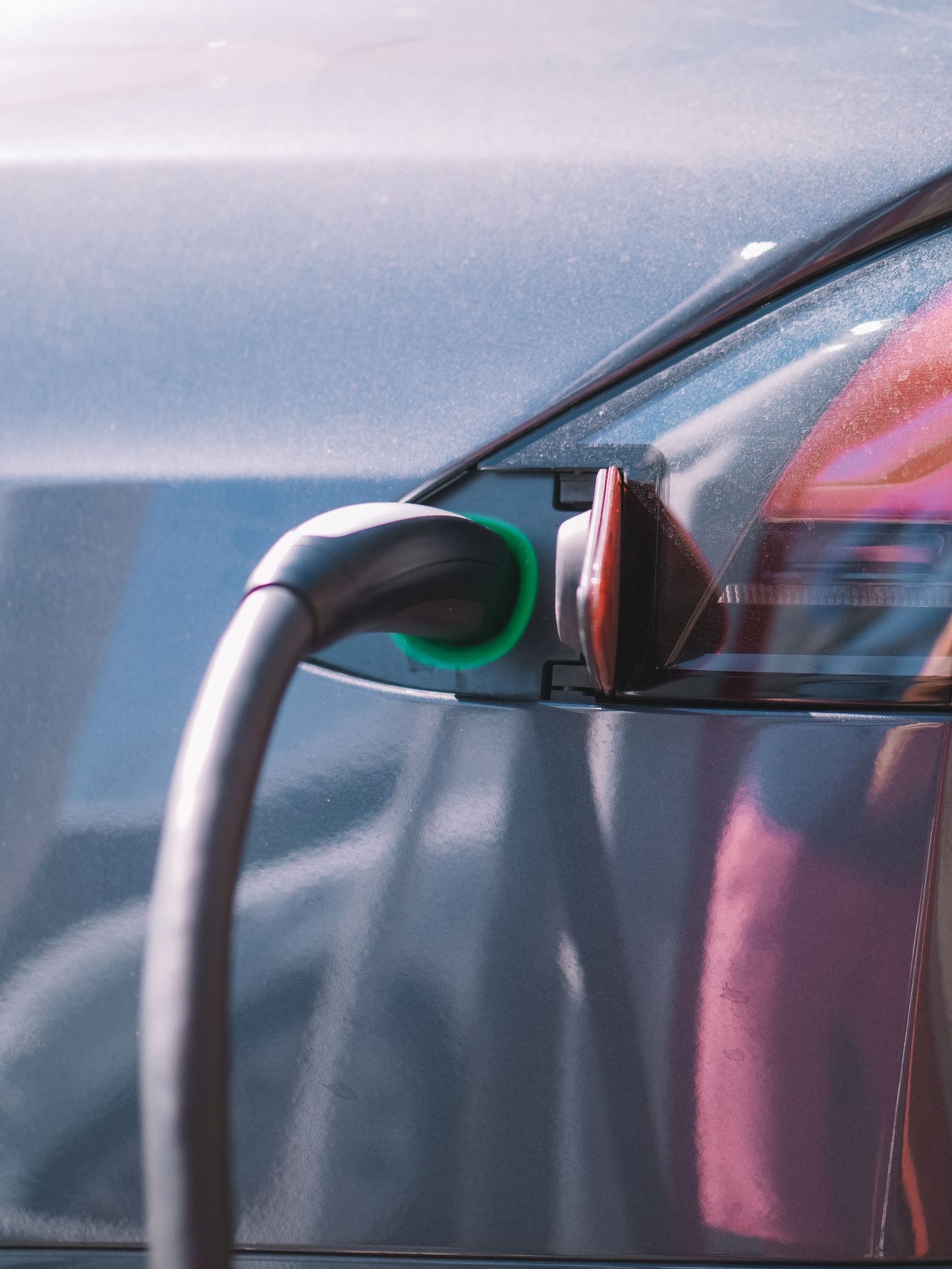
Does a Half-Charged EV Warn You Sooner?
In the thermal channel yes, in the gas channel no. Runaway onset falls from 301°C at 3% SOC to 203°C at 100%, but the gas signal runs the other way.

Can Battery Passports Screen EV Fire Risk?
The EU battery passport carries state-of-health data from 2027 — but it was built for recyclers, not the loading ramp, and won't screen EV fire risk yet.
Is Battery Health a Car Carrier's Blind Spot?
State-of-charge policy governs EV loading, but battery State of Health — how the cells aged — is a fire-risk axis no car-carrier manifest captures.
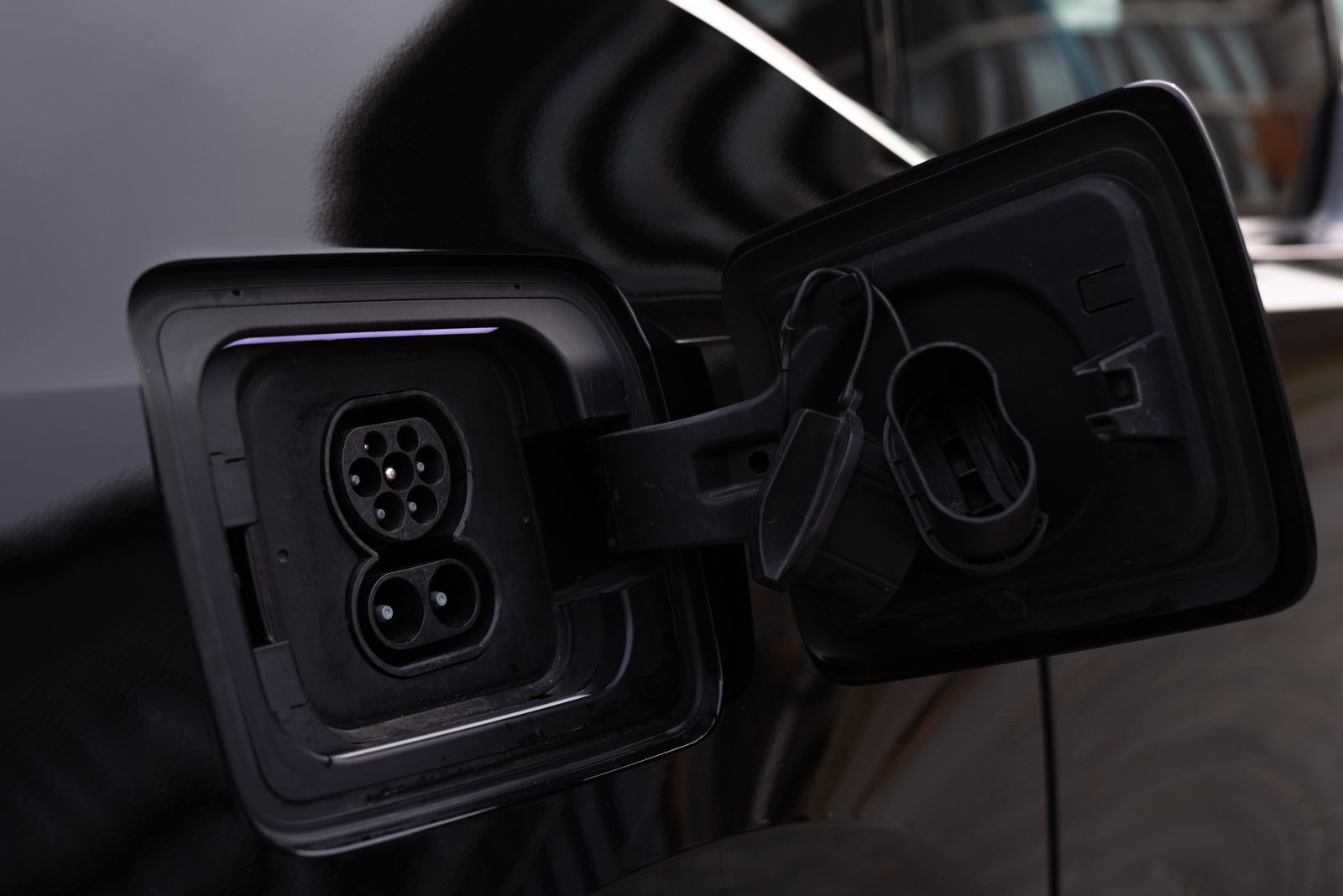
EVs Got a New UN Number — Does It Help?
From IMDG 42-24, lithium EVs ship as UN 3556, not the generic UN 3171. But SP 961 still exempts them on a ro-ro, so the code rarely reaches the deck.

What the New Vehicle Loading Guidance Requires
ICS/IGP&I Common Guidance sets a booking-to-discharge data chain for vehicles: declared propulsion type, recorded SOC, and an OEM emergency guide.

Do Pure-EV Car Carriers Change the Risk?
Carmakers like BYD now run near-fully-electric car carriers — BYD Shenzhen holds 9,200 vehicles. That concentrates the fire load, but also the knowledge.