
Which Ferry Fire Upgrades Are Worth the Money?

EMSA's FIRESAFE II says eight fixes pay off on every ferry type, some under €5,000. Doubling fire patrols and rolling shutters do not.
Mostly the cheap ones. EMSA's FIRESAFE II study priced 21 fire safety options across three types of ro-pax ferry. Eight passed its cost test on every type, and four of those cost under €5,000 over an existing ship's remaining life. The expensive structural fixes failed. Three upgrades are compulsory on existing passenger ships by 2028 whatever the sums say.
The study judged value by the cost of averting one fatality. FIRESAFE II, a Formal Safety Assessment by Bureau Veritas, RISE and Stena for EMSA, published in December 2018, set a limit of €7M per fatality averted. An option's GCAF factor is its cost per fatality averted divided by that limit, so anything below 1 passes. It modelled a cargo-focused, a standard and a passenger-focused ro-pax, each as a new ship with a 40-year life and as an existing ship, taking 20 years as the average fleet age.
The figures below are for an existing standard ro-pax unless stated, as lifetime costs at present value. These are the ships with a mix of closed decks, open decks and weather decks.
Which upgrades pay off on every ferry?
Eight options passed on all three ship types, new and existing, and the study's uncertainty analysis gave all eight 100% confidence on the standard ro-pax. Once avoided ship and cargo damage is counted, each one saves more than it costs on that ship in the model.
- Efficient drencher activation routines: about €200. Training and clear communication so the system goes on faster and the wrong section is less likely.
- Only crew connect cables: about €2,000. Trained crew do all connections and disconnections, not drivers.
- Better markings and signage on deck: about €3,300, for wayfinding and locating a fire.
- Electrical hazard training for cargo crews: about €4,000, including how to spot substandard installations.
- Fresh-water flushing of the drencher: about €14,000, against corrosion and blocked nozzles.
- Portable thermal cameras on fire rounds: about €16,000, to find overheating before ignition.
- Robust connection boxes: about €35,000, with earth fault breakers, individual circuit breakers, IP56 protection, secured cables and more maintenance. The study estimated a 13% cut in the probability of an electrical fire.
- Fire monitors on weather decks: about €146,000, the most expensive of the eight and the largest risk reduction of any option on this ship.
Two patterns stand out. Half the list is about electrical connections, which fits the record: DNV GL found failures in reefer units or their power connections the most frequent cause of ro-pax deck fires. And most of the very cheap options are procedures, not equipment, so a tight budget is no reason to skip them.
Which ones depend on the ship?
Most of the bridge and alarm upgrades pass on standard and passenger ferries but fail on cargo-focused ro-pax ships, which carry few passengers and much of their cargo on weather decks.
- Closing only the openings next to lifeboats: about €30,000, factor 0.07. This one was assessed for the standard ro-pax only.
- A mandate for crews to activate the drencher early: about €142,000, factor 0.35. The study also regards it as cost-effective on cargo-focused ships, because the avoided damage outweighs its cost.
- Combined heat and smoke detection with alarm integration: €155,000, factor 0.37 (2.44 on an existing cargo-focused ship).
- CCTV: about €64,000, factor 0.59 (4.78 on a cargo-focused ship).
- Remote drencher control: about €114,000, factor 0.61 (5.13 on a cargo-focused ship).
- Ship-supplied cables only: about €61,000, factor 0.70 (2.05 on a cargo-focused ship).
Which upgrades failed the test?
The ones with a large recurring or structural cost. Doubling the frequency of fire patrols, from every 60 minutes to every 30, came out at about €483,000 and a factor of 2.74, because it needs an extra able seaman or takes one away from maintenance. Cable reeling drums cost about €467,000 (6.16), rolling shutters on open decks about €1.46M (5.14), and closing all side openings about €2.37M (2.77), mainly through lost cargo space.
Failing this test does not make a measure useless. The closure options offered some of the largest risk reductions in the study, and the authors encouraged owners who go beyond the minimum regardless of the cost results. It means only that the measure costs more per life saved than the limit the study set.
Which are compulsory anyway?
Three, on existing passenger ships. Under MSC.550(108), passenger ships built before 2026 must comply with the following by the first survey on or after 1 January 2028, so these are scheduling questions and not value questions.
- Video monitoring of vehicle, special category and ro-ro spaces, with immediate playback (20.4.4).
- Heat detection alongside smoke detection (20.4.1.6).
- Fixed water-based fire-fighting on weather decks intended for vehicles (20.6.2.3).
Signage and alarm interface rules in the same resolution apply only to ships built from 2026. Most of the electrical items sit in IMO's interim guidelines, MSC.1/Circ.1615, which recommend ship cables only, trained connection, IP56 sockets, isolation of faulty sockets and thermal imaging on patrols, but do not require them. That is where the discretionary budget has the most to buy.
How far can the numbers be trusted?
As a ranking, more than as prices. The authors say costs came from a single ship operator, that parts of the model rest on expert judgement, and that some assumptions were conservative and may overstate risk, which flatters any option's risk reduction. Each option was assessed alone, so the savings cannot be added together. Some ships will already have these measures, and the prices are from 2018. The study also predates the growth in battery cargo, and it did not assess per-vehicle sensing at all.
How RoRoSAFE helps
FIRESAFE II did not price per-vehicle sensing, so no cost factor is claimed here. Its best-value list does share an aim with RoRoSAFE: finding electrical and thermal trouble early. RoRoSAFE's sensing under each parked vehicle alerts bridge and shore with the deck and bay before visible smoke. It holds no class type approval yet; a one-deck pilot, with six months of dashboard access and joint insurer and class review, gives an owner evidence from their own ship.
Pilot: one deck · installed alongside the berth · no drydock · 6 months of dashboard access
Sources
- 1. EMSA — FIRESAFE II, Combined Assessment Final Report, version 1.1, December 2018, by Bureau Veritas, RISE and Stena: €7M criterion and 40-year life; option descriptions (9.1.1); Tables 7, 8 and 10–17 (costs, averted fatalities, GCAF and NCAF factors, confidence); section 11 recommendations and limitations (relevant sections read).
- 2. IMO — Resolution MSC.550(108), in force 1 January 2026: SOLAS II-2/20.2.1.3 application to existing passenger ships; 20.4.1.6, 20.4.4 and 20.6.2.3, by the first survey on or after 1 January 2028 (read in full).
- 3. IMO — MSC.1/Circ.1615 (2019), interim guidelines: paragraphs 1.1 to 1.7 on cables, sockets, connections and thermal imaging (read in full; copy published by the Turkish Maritime Administration).
- 4. DNV GL — 'Fires on Ro-Ro Decks', paper no. 2016-P012, April 2016: failures in reefer units or their power connections as the most frequent cause of ro-pax deck fires (read in full).
Questions, answered
Which ferry fire safety upgrades give the best value?+
In EMSA's FIRESAFE II study, eight options passed on every ferry type: drencher activation routines, crew-only cable connections, better deck markings, electrical hazard training, fresh-water drencher flushing, portable thermal cameras, robust connection boxes and weather-deck fire monitors. Four cost under €5,000 over an existing standard ro-pax's remaining life, and on that ship all eight saved more than they cost in the model.
What is a GCAF factor?+
GCAF is the Gross Cost of Averting a Fatality, a measure used in IMO Formal Safety Assessments. FIRESAFE II compared each option's cost per fatality averted with a limit of €7M. The factor is that ratio, so 0.5 means half the limit and passes, while 2 means twice the limit and fails. It tests value for money, not whether a measure works.
Is doubling fire patrols on a ferry worth it?+
Not on FIRESAFE II's numbers. Moving patrols from every 60 minutes to every 30 cost about €483,000 over an existing standard ro-pax's remaining life, a factor of 2.74, because it needs an extra able seaman or diverts one from maintenance. The study changed only frequency, not patrol quality, so better-equipped patrols are a separate question: portable thermal cameras passed easily.
Which fire upgrades must existing ferries make by 2028?+
Under MSC.550(108), passenger ships built before 2026 must fit video monitoring of vehicle and ro-ro spaces, add heat detection alongside smoke detection, and provide fixed water-based protection on weather decks carrying vehicles. All three are due by the first survey on or after 1 January 2028. Many other measures remain guidance under MSC.1/Circ.1615.
Continue the thread

Does the 2026 SOLAS Rule Reach Old Ships?
Only if it is a passenger ship. MSC.550(108) catches existing ro-pax at the first survey on or after 1 Jan 2028; an existing car carrier is not named.

Does Detection Pay Back Against One Fire Loss?
Yes, lopsidedly. A single car-carrier fire runs into the hundreds of millions; a per-vessel detection retrofit is a fraction of one hull deductible.

Should a Drencher Be Released From the Bridge?
Yes on most ferries: EMSA's study costed remote release at about €100,000 and found it pays off. But Lisco Gloria's gave no water, so keep the runner.

Should Ferries Still Have Open Ro-Ro Decks?
The fire record says no: all four total losses in DNV GL's review had open decks. But a ban failed EMSA's cost test, and SOLAS 2026 still allows them.
Do Fire Patrols Still Work on a Car Deck?
SOLAS still relies on fire patrols in ro-ro spaces. On a packed car deck they confirm alarms far better than they find fires, as four casualties show.
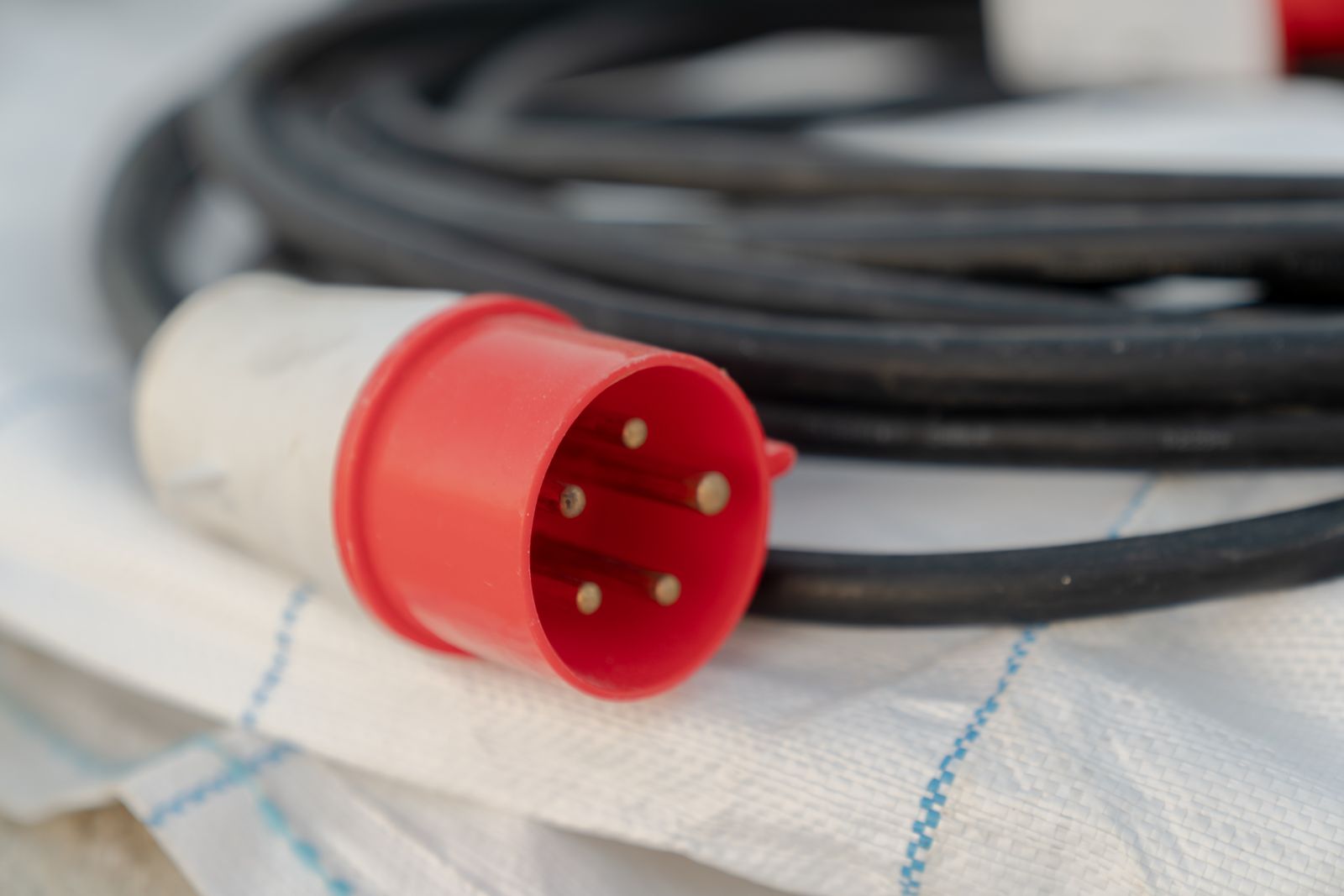
Are Reefer Trailers a Ferry's Hidden Fire Risk?
Yes. EMSA found reefer units the most fire-prone ro-pax cargo, and the weak point is often the plug and cable linking the trailer to the ship's power.