
Do Fire Patrols Still Work on a Car Deck?
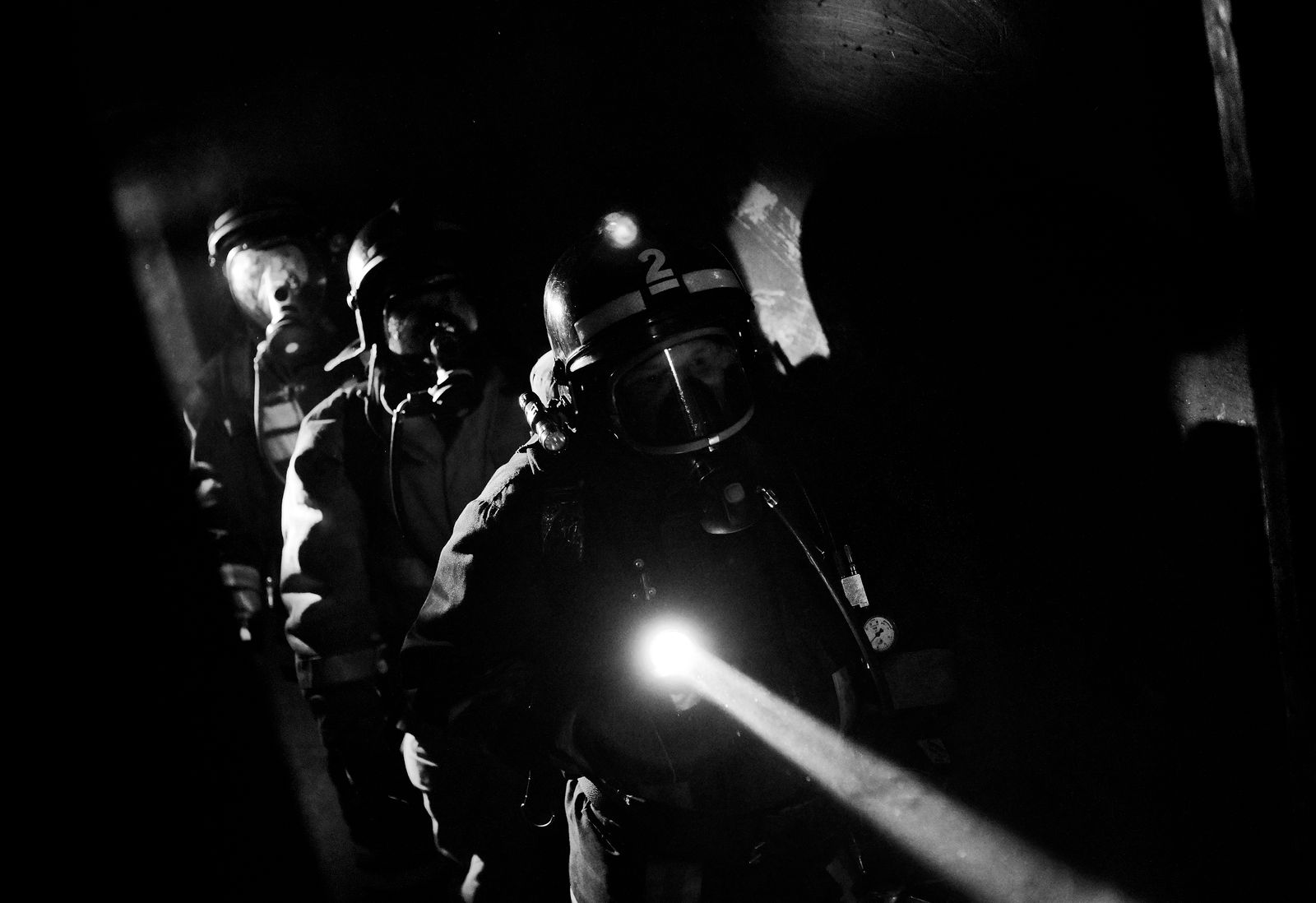
SOLAS still relies on fire patrols in ro-ro spaces. On a packed car deck they confirm alarms far better than they find fires, as four casualties show.
Fire patrols still work on a car deck, but as a way to confirm an alarm, not as a way to find a fire. SOLAS requires them on passenger ships carrying more than 36 passengers and in special category spaces. A patrol sees a packed deck only at intervals and only from the aisle. In four investigated fires, what the round achieved depended on whether someone had already told it where to look.
That distinction matters because patrols carry real regulatory weight. On a ro-pax, a continuous fire watch can still stand in for fixed detection in a special category space, and a patrol is the condition for disconnecting smoke detectors during loading. If the patrol is doing a job it cannot physically do, the ship's fire case has a gap that nobody has written down.
What SOLAS actually requires
SOLAS asks for patrols in three places, and only one of them is about finding fire on the vehicle deck.
- SOLAS II-2/7.8: ships carrying more than 36 passengers must maintain an efficient patrol system so that an outbreak of fire can be promptly detected, with each patrol member carrying a two-way portable radio.
- SOLAS II-2/20.4.3.1: an efficient fire patrol system must be maintained in special category spaces. Where it is kept up as a continuous fire watch throughout the voyage, a fixed fire detection and alarm system is not required.
- SOLAS II-1/23.1: special category and ro-ro spaces must be continuously patrolled or monitored, for example by television, so that vehicle movement in bad weather and unauthorised passenger access are detected. That is about lashings and people, not fire.
- FSS Code, Chapter 9, 2.1.1: smoke detectors in ro-ro spaces may be disconnected during loading only if they reconnect automatically and the space is manned or patrolled in the meantime.
Pure car carriers sit outside the passenger-ship patrol rule. They rely on fixed detection, with rounds set by the operator's safety management system. The 2026 SOLAS amendments add video monitoring to ro-ro passenger ships, but IMO's text in MSC.550(108) states that continuous crew monitoring of the cameras is not required. The human on the deck remains the patrol.
What a patrol can find, and what it can't
A patrol finds what it can see, smell or hear from the aisle at the moment it passes. On a modern car deck that is a small fraction of the cargo. Vehicles are stowed close together, the likely origin of a battery fault is under the car or inside the pack, and a round covers several hundred vehicles in one walk. The ICS and International Group P&I Common Guidance recommends patrols with portable thermal cameras or infrared thermometers, and says plainly that not every vehicle can be checked.
The interval is the harder limit. A round is a snapshot. A fault that starts a minute after the patrol leaves has the whole interval to itself, and full-scale car fire tests have measured the neighbouring car igniting at around 20 minutes, at wider spacing than a car deck uses. A patrol is unlikely to be the first to discover a fire. It is well placed to be the first to confirm one.
Where the round did its job
When detection pointed the way, the crew on deck confirmed the fire within minutes. On the Lisco Gloria in October 2010, a duty crew member on the upper deck radioed a fire on lane 8 at 23:58:59, while the officer of the watch already had the smoke alarm and was finding it on CCTV. Germany's BSU reconstructed a response in which the master was on the bridge inside a minute. The ship was lost for other reasons, a drencher that delivered no water, not for lack of confirmation.
On the car carrier Honor in February 2017, the bridge sent an AB aft at 03:02 when a pre-warning alarm pointed at the garage deck. He opened the door at about 03:05 to smoke and fire. The NTSB credited the crew's timely CO₂ release, 37 minutes after the first alarm, with limiting the loss to about USD 700,000.
Where the patrol slowed the answer
When the patrol had to supply the certainty the alarm did not, it cost time. On Commodore Clipper in June 2010, smoke sensors on the main vehicle deck activated 81 times while two officers silenced the alarm 11 times and reset it 7 times, reading it as a fault. The lookout sent to check knew his portable VHF was unreliable and feared being trapped without a way to call for help, so he detoured through the accommodation first. The MAIB found confirmation took about ten minutes instead of two.
Norman Atlantic in December 2014 is the harder case. A reefer trailer was reported smoking at about 04:15, the report was dismissed, and fifteen minutes later the deck was ablaze. Around 31 people died. The report from the deck was right. What failed was the step from report to action.
What makes a patrol effective on a modern deck
- Send the patrol to a location, not a zone. A round that walks to a named lane and bay confirms in minutes; one that searches a deck does not.
- Test the patrol's radios on the vehicle deck itself, loaded, and log dead spots. Commodore Clipper's delay started with a radio the lookout did not trust.
- Give the patrol a thermal camera and a defined route, and record each round. An undocumented patrol is hard to credit after an incident.
- Tighten the loading-phase patrol. If smoke sections are disconnected, the patrol is the legal condition for it, not a courtesy.
- Set the limit on entry. Once a deck is smoke-logged, fixed-first doctrine says release suppression rather than send people in.
How RoRoSAFE helps
Patrols work best when something has already told them where to go. RoRoSAFE gives them that. A thermal and battery-vent gas sensor cell under each parked vehicle watches continuously between rounds, and alerts the bridge and shore to the specific deck and bay before visible smoke. The patrol then confirms a named location instead of searching a deck. It complements your SOLAS detection and patrol routine; it does not replace either.
Pilot: one deck · installed alongside the berth · no drydock · 6 months of dashboard access
Sources
- 1. IMO — SOLAS Chapter II-2, Regulation 7.8 (fire patrols on ships carrying more than 36 passengers; two-way portable radio for each patrol member).
- 2. IMO — SOLAS Chapter II-2, Regulation 20, paragraph 4.3.1: efficient fire patrol in special category spaces; continuous fire watch as an alternative to a fixed fire detection and alarm system (consolidated text via imorules.com).
- 3. IMO — SOLAS Chapter II-1, Regulation 23, paragraph 1: special category and ro-ro spaces continuously patrolled or monitored, for example by television, for vehicle movement in adverse weather and unauthorised passenger access.
- 4. IMO — FSS Code Chapter 9, paragraph 2.1.1: temporary disconnection of ro-ro space smoke detectors during loading, with automatic reconnection and the space manned or patrolled; Resolution MSC.555(108).
- 5. IMO — Resolution MSC.550(108), amendments to SOLAS Chapters II-2 and V, in force 1 January 2026: video monitoring on ro-ro passenger ships; continuous crew monitoring not required (as summarised by ABS).
- 6. ICS / International Group of P&I Clubs / TT Club — 'Common Guidance on the Presentation and Loading of Vehicles' (Version 1.4): voyage patrols with portable thermal cameras or infrared thermometers; not every vehicle can be checked.
- 7. BSU (Germany) — Investigation Report 445/10, fire on the ro-ro passenger vessel Lisco Gloria, 8 October 2010: VDR timeline, duty crew report of fire on lane 8 at 23:58:59.
- 8. NTSB — Marine Accident Brief NTSB/MAB-18/07, fire on board vehicle carrier Honor, 24 February 2017: 03:02 pre-warning alarm, AB sent to investigate, CO₂ release at 03:39, loss about USD 700,000.
- 9. MAIB — Report No 24/2011, fire on the main vehicle deck of Commodore Clipper, 16 June 2010: 81 sensor activations, alarm silenced 11 times and reset 7 times, lookout's unreliable portable VHF, delayed confirmation.
- 10. The Maritime Executive — Italian prosecutors on the Norman Atlantic fire, 28 December 2014: smoking reefer trailer reported at about 04:15 and dismissed; deck ablaze by about 04:30.
- 11. Full-scale car fire tests measuring ignition of an adjacent car at about 20 minutes, as reviewed in RoRoSAFE's technical article on vehicle-to-vehicle spread.
Questions, answered
Does SOLAS require fire patrols on ro-ro ships?+
On passenger ships, yes. SOLAS II-2/7.8 requires an efficient patrol system on ships carrying more than 36 passengers, and II-2/20.4.3.1 requires a fire patrol in special category spaces, where a continuous fire watch can substitute for fixed detection. Pure car carriers are not passenger ships; they rely on fixed detection, with rounds set by the operator's safety management system.
Can a fire patrol replace fixed fire detection on a car deck?+
In a special category space, SOLAS still allows a continuous fire watch throughout the voyage as an alternative to a fixed detection and alarm system. In practice a patrol sees a packed deck only at intervals and from the aisle, so it rarely discovers a fire first. It is much better at confirming an alarm that has already told it where to look.
Why did the patrol take so long on Commodore Clipper?+
The MAIB found the lookout sent to check the vehicle deck knew his portable VHF radio was unreliable and feared being trapped without a way to call for help, so he detoured through the accommodation first. Meanwhile two officers silenced the alarm 11 times and reset it 7 times, reading it as a fault. Confirmation took about ten minutes instead of two.
How can operators make patrols more effective?+
Send patrols to a specific location rather than a zone, test their radios on the loaded vehicle deck, equip them with thermal cameras on a defined and logged route, and tighten patrols whenever smoke detectors are disconnected for loading. Once a deck is smoke-logged, fixed-first doctrine says to release suppression rather than send people in.
Continue the thread

SOLAS II-2/7: Fixed Detection vs IR
Draft SOLAS II-2/7.11 would put two portable IR imagers on container ships. On a packed vehicle deck a hand-held imager can't reach most of the cargo.
SOLAS 2026 Video Monitoring: Who Is Watching?
Nobody, by design. The rule requires the cameras and the recording — ABS's summary of MSC.550(108) states continuous crew monitoring is not required.
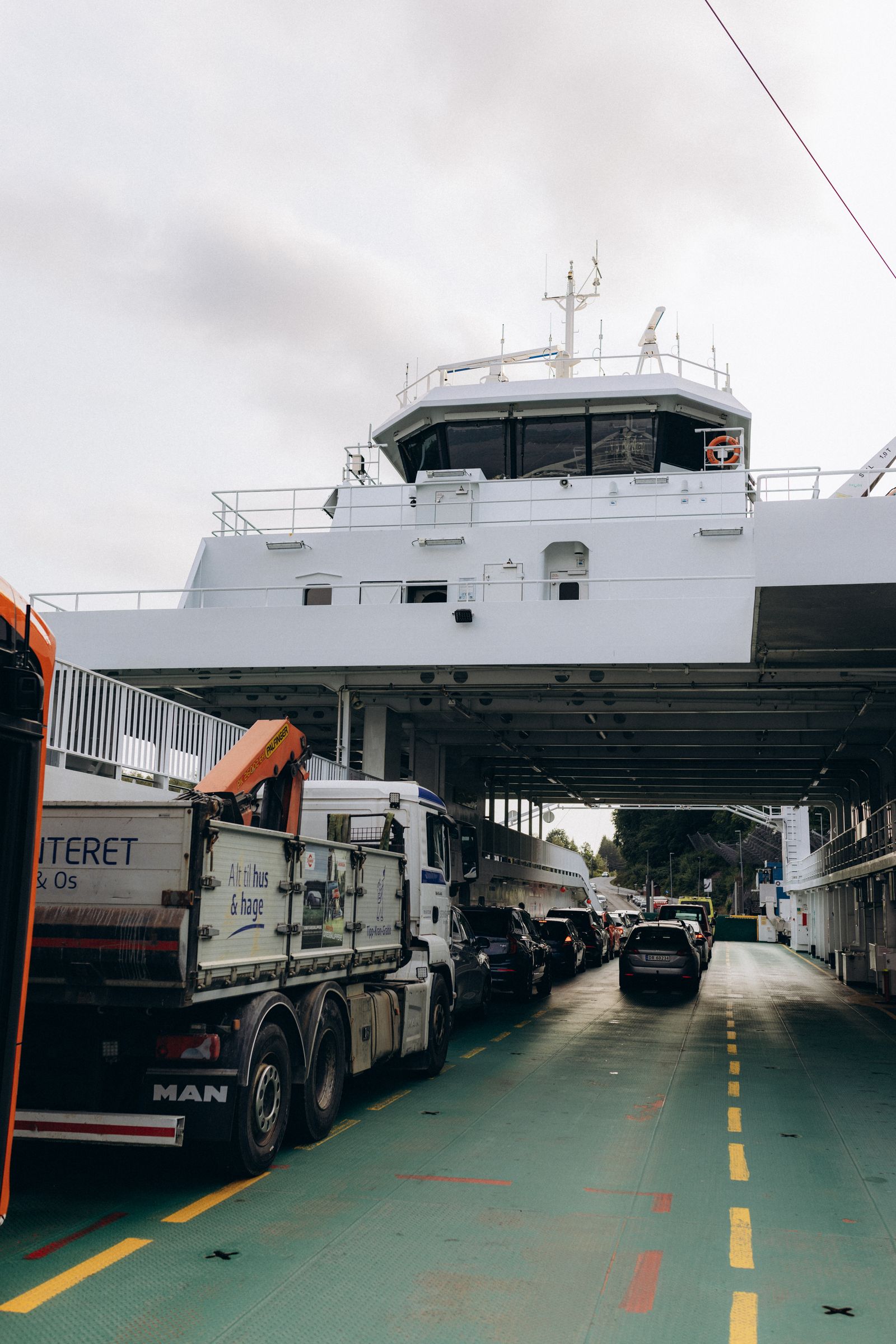
Is Fire Detection Off While the Ship Loads?
Usually, yes — smoke sections are muted while loading. From 2026 the FSS Code allows it but keeps heat detection on; 1 in 4 ro-ro fires start in port.
Commodore Clipper: The Alarm Reset 7 Times
A reefer plug ignited on a Condor ro-pax in 2010. Detection worked — 16 sensors, 81 alarms. The crew read a fault, silenced it, and lost 17 minutes.

Lisco Gloria: The Drencher That Gave No Water
The 2010 Lisco Gloria fire was detected within minutes and the drencher started — it delivered no water, and a 199 m DFDS ro-pax became a total loss.
How Fast Does a Car-Deck Fire Spread?
Full-scale tests show fire reaches the next car in ~20 minutes, and deck spacing is tighter than a parking lot. That spread time is your detection budget.