
Can a Master Be Prosecuted After a Fire?
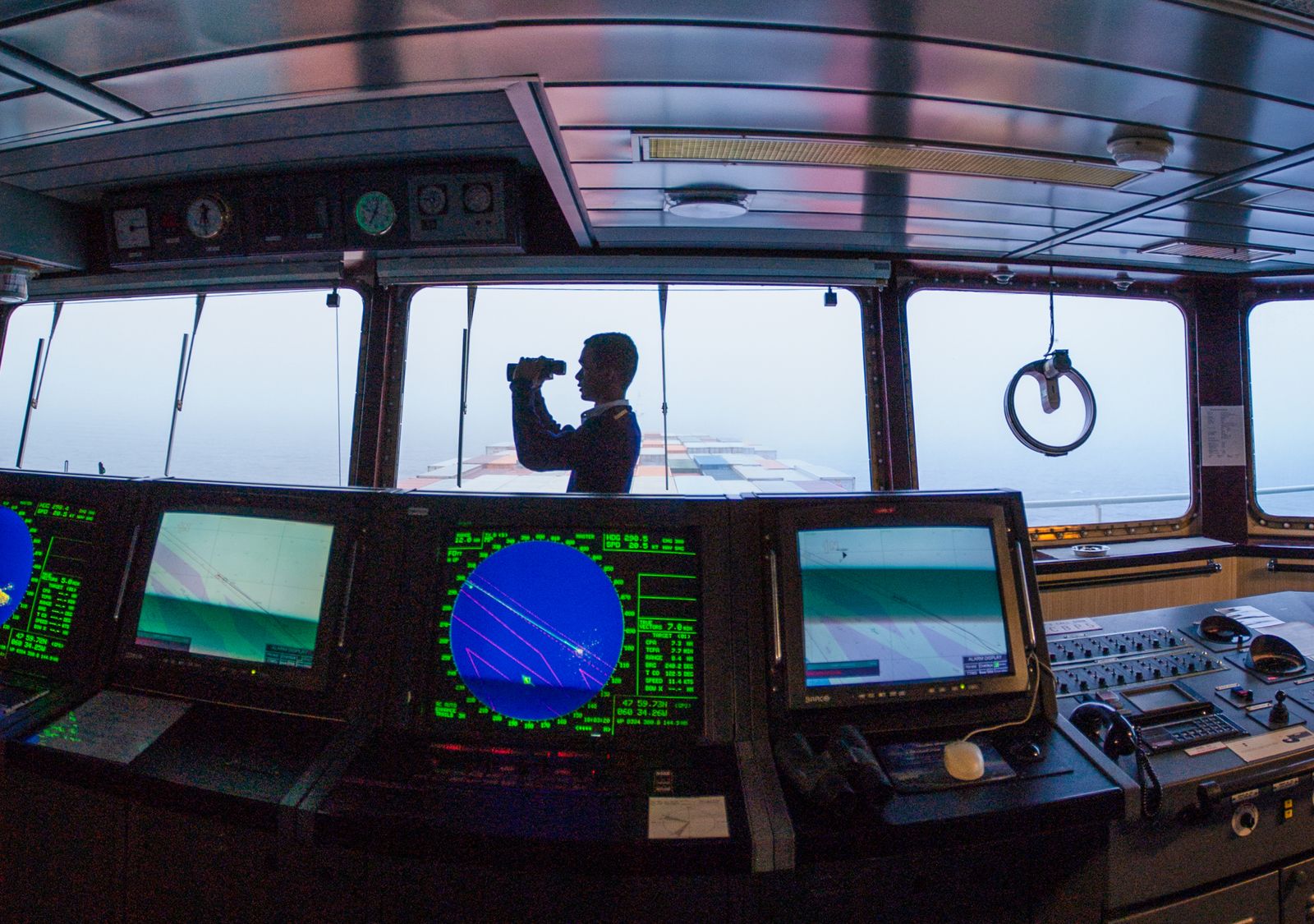
Masters get detained and charged after casualties. IMO/ILO fair-treatment guidelines are non-binding, and the crew answers for undeclared cargo.
Yes — and it has happened. After a serious casualty a coastal or port State can detain the master, seize the crew's documents and bring criminal charges, often before any investigation has established cause. The IMO and ILO adopted Guidelines on Fair Treatment of Seafarers detained in connection with alleged crimes in March 2025, but they are recommendatory, not binding. On a car carrier the exposure is sharper still: the master answers for cargo the ship was never told about.
What the law actually allows
Detention and prosecution of the crew sit with the coastal or port State, and the threshold is lower than owners assume. A State exercising jurisdiction after a fire, a pollution event or a death on board can hold the master and officers as witnesses or suspects, withhold passports and shore leave, and lay charges ranging from negligence to environmental offences well before a flag-State or safety investigation reports. The safety investigation and the criminal process run on different tracks with different purposes — one to prevent the next casualty, the other to assign blame — and the second does not wait for the first. For the individual on the bridge, that means personal liberty can turn on a preliminary reading of events made under political and public pressure.
The canonical case is the Hebei Spirit. After the 2007 spill off South Korea — the tanker was at anchor and struck by a drifting crane barge — the master and chief officer were detained for around eighteen months and briefly imprisoned, despite no fault of their own in causing the collision. The Prestige master, Apostolos Mangouras, was held on bail set in the millions after the 2002 sinking. Neither case involved a car carrier, but both establish the pattern: the person in command is the one the system reaches for first.
What the 2025 IMO/ILO guidelines do — and don't
They set expectations for fair treatment; they do not override national criminal law. The Guidelines on Fair Treatment of Seafarers detained in connection with alleged crimes were developed by the Joint ILO-IMO Tripartite Working Group at its third meeting in Geneva (26–28 November 2024) and adopted by the IMO Legal Committee at its 112th session in March 2025, then forwarded to the ILO Governing Body. They allocate responsibilities across port, coastal, flag and the seafarer's nationality States and the shipowner: access to consular services and legal assistance, a preference for non-custodial measures during an investigation, and treatment consistent with fundamental human rights and dignity. What they are not is enforceable. A State that detains a master beyond what is necessary is acting against guidance, not against law — and the seafarer's remedy is diplomatic and reputational, not automatic release.
How often it happens
Often enough that masters treat it as an occupational risk, not a remote one. In Seafarers Rights International's survey of 3,480 seafarers across 68 nationalities, 8% of all seafarers and 24% of masters reported having faced criminal charges; 81% of those charged did not consider they had been treated fairly, and 91% of those needing interpretation were not provided it. InterManager, collating cases across the industry, knows of 118 instances of criminalisation and believes the true figure is higher — and in 63% of them it was the ship's master who was imprisoned. The numbers describe a consistent outcome: when a State reaches for someone after a casualty, it reaches for the person in command.
Why a car carrier fire is a sharper case
Because the crew is held accountable for a cargo the regulatory system deliberately kept them ignorant of. On a ro-ro with flag-approved vehicle spaces, IMDG Special Provision 961 places vehicles outside the Code, so the ship receives no chemistry, no verified state of charge and no damage history for the thousands of lithium packs aboard. When one vents and the deck is lost, the investigation asks why the master did not prevent or contain a fire in cargo the master was never permitted to characterise. The gap that starts as a data problem at loading becomes a liability problem for the individual after the casualty. Reported car-carrier cases already show crews detained after fires — including officers of a Grimaldi vehicle carrier arrested on suspicion of arson after a Mediterranean fire — which is the same mechanism at its most extreme: the crew in the frame before the facts are settled.
What actually protects the crew's position
Evidence that the crew acted correctly on the information available — and the more objective that evidence, the better it holds up. A prosecutor's case is weakest where there is a timestamped record showing the crew detected the event at the earliest possible moment and followed procedure. That is where detection stops being only a fire-safety measure and becomes part of the crew's defence: an alarm log that captures a self-heating pack before visible flame, and a response that matches the fire plan, is contemporaneous proof the master did the job the situation allowed. It cannot close the gap SP 961 opens — the ship still was not told what it carried — but it converts 'the master should have known' into 'the master acted on the first signal that existed'.
- Treat criminalisation as a named crew risk, not a remote one — 24% of masters in the SRI survey had faced charges, and the fair-treatment guidelines do not prevent detention.
- Put the fair-treatment guidelines to work contractually: consular access, legal representation and a non-custodial preference are stronger as terms in the CBA and the owner's casualty plan than as IMO guidance alone.
- Preserve the objective record. A tamper-evident detection and alarm log is evidence the crew responded to the first available signal — the single most useful fact in the master's favour after a car-deck fire.
- Close the knowledge gap at loading where you can. The less the ship is told about EV chemistry, SoC and damage history, the harder it is for the crew to show it managed a risk it was allowed to see.
- Brief masters before it happens: document seizure, the right to consular and legal support, and the split between the safety investigation and the criminal process are things to know in advance, not to learn ashore.
How RoRoSAFE helps
After a casualty, the master's position rests on what can be shown about when the fire was detected and what the crew did next. RoRoSAFE keeps tamper-evident, time-stamped event logs of every per-vehicle thermal and gas alert and the bridge's acknowledgement, with export-ready reports. It gives the crew an early warning to act on and an objective record of that action afterwards.
Pilot: one deck · installed alongside the berth · no drydock · 6 months of dashboard access
Sources
- 1. IMO — Guidelines on Fair Treatment of Seafarers detained in connection with alleged crimes: developed by the Joint ILO-IMO Tripartite Working Group at its third meeting (Geneva, 26–28 November 2024) and adopted by the IMO Legal Committee at its 112th session in March 2025, then forwarded to the ILO Governing Body; they allocate responsibilities to port, coastal, flag and the seafarer's nationality States and the shipowner, favour non-custodial measures during investigation, and require consular access, legal assistance and treatment consistent with human rights and dignity — imo.org.
- 2. Seafarers Rights International (SRI) — seafarer survey on criminalisation (3,480 respondents, 68 nationalities): 8% of seafarers and 24% of masters had faced criminal charges; 81% of those charged did not consider they were treated fairly; 91% of those needing interpretation were not provided it — seafarersrights.org.
- 3. InterManager — collation of seafarer criminalisation cases: 118 known cases, believed to understate the total, with the ship's master imprisoned in 63% of them — reported via Seafarers Rights International.
- 4. Hebei Spirit (2007, Republic of Korea) and Prestige (2002, Spain): master and officers detained and prosecuted after casualties in which their personal fault was contested or absent — widely documented seafarer-criminalisation precedents.
- 5. Reported Grimaldi vehicle-carrier fire in the Mediterranean: ship's officers arrested on suspicion of arson pending investigation.
- 6. Companion RoRoSAFE analysis — 'Who Declares an EV as Dangerous Cargo?' (the SP 961 knowledge gap the crew is later judged against), 'Does an EV Fire Make a Ship Unseaworthy?' (the civil-liability counterpart to criminal exposure), and 'The First Ten Minutes After an EV Alarm' (the response record that becomes evidence).
Questions, answered
Can a ship's master be arrested after a cargo fire?+
Yes. A coastal or port State exercising jurisdiction after a fire, pollution event or death on board can detain the master and officers, seize their documents and bring criminal charges — often before a safety investigation has established the cause. The safety investigation and the criminal process are separate, and the criminal one does not wait for the technical findings.
Do the 2025 IMO/ILO fair-treatment guidelines prevent this?+
No. The Guidelines on Fair Treatment of Seafarers detained in connection with alleged crimes, adopted by the IMO Legal Committee in March 2025, are recommendatory, not binding. They set expectations — consular access, legal assistance, a preference for non-custodial measures and treatment consistent with human rights — but they do not override national criminal law, and a State can still detain a master contrary to the guidance.
How common is seafarer criminalisation?+
More common than owners assume. In Seafarers Rights International's survey, 24% of masters reported having faced criminal charges, and 81% of charged seafarers felt they were not treated fairly. InterManager knows of 118 criminalisation cases and believes there are more; in 63% of them the ship's master was the person imprisoned. It is treated by masters as an occupational risk.
Why is a car carrier fire a particular risk for the crew?+
Because IMDG Special Provision 961 exempts vehicles on ro-ro decks from declaration, the ship receives no chemistry, state of charge or damage history for the EVs it loads. After a fire the crew is judged on cargo it was never allowed to characterise. An objective, timestamped detection and response record is the crew's strongest evidence that it acted on the first signal available.
Continue the thread
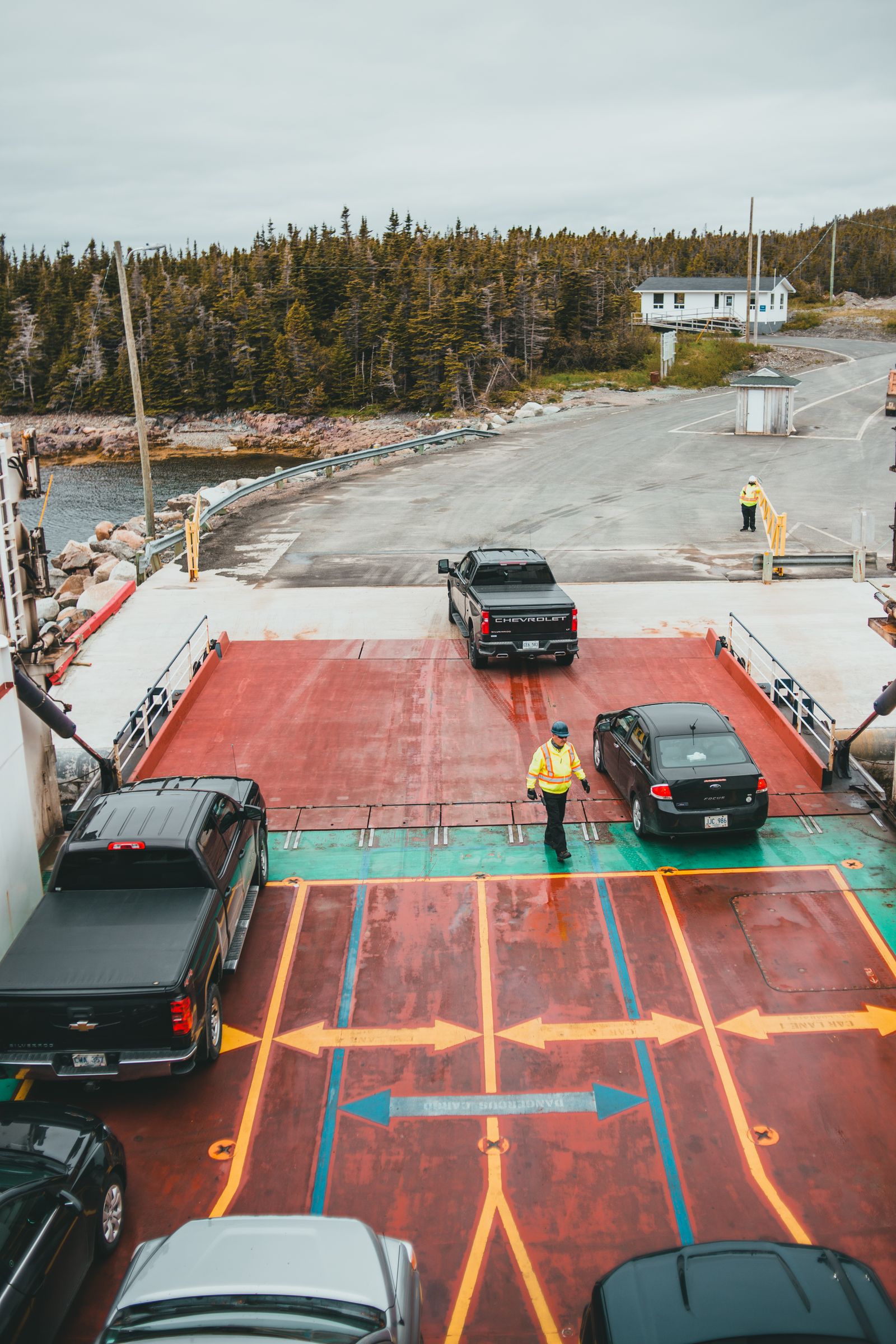
Who Declares an EV as Dangerous Cargo?
On a ro-ro, Special Provision 961 means an EV is not dangerous goods. So the ship gets no chemistry, no state of charge, no damage history.
Does an EV Fire Make a Ship Unseaworthy?
A car deck fire does not automatically excuse the carrier. If unseaworthiness caused the loss, the Hague-Visby fire defence falls away with it.

The First Ten Minutes After an EV Alarm
Detection buys time only if the crew knows what to do with it. On a vehicle carrier the decisive variable isn't the alarm — it's the rehearsed response.