
Can a Ship's Ramp Damage an EV Battery?

Yes. A low EV can strike a ramp crest; an early sign is a clear or blue coolant leak. Australia's regulator says check before and after loading.
Yes, and the damage may not show at once. Some EVs sit low, and the change of slope at a ramp can strike the battery casing underneath. Australia's maritime regulator tells crews to inspect EVs before and after loading, and treats a small clear or blue coolant leak as a sign the casing may be damaged.
It matters because the ramp comes after most of the checks. In most EVs the traction battery runs under the floor, so an underbody strike lands on it. Gate inspections and check-in cameras look at the vehicle before it boards; the ramp is the one place on the voyage where every vehicle is driven over a change of slope. Damage done there is damage nobody has screened for yet.
Why are EVs more exposed on a ramp?
Because the battery is the lowest large part of the car, and some EVs sit closer to the ground. The Australian Maritime Safety Authority (AMSA) says in Marine Notice 07/2023 that some battery EVs have lower ground clearance and may be damaged during loading, and its 2023 safety alert for ferries adds that this makes them more susceptible to damage from ramps during boarding. They are also heavier: AMSA puts the difference at about 25% against conventional vehicles of the same footprint.
The risk sits at the crests rather than on the slope. A car grounds its floor where the ramp meets level deck or a hinged flap, once the change of angle exceeds its breakover angle. That angle is roughly twice the arctangent of twice the ground clearance divided by the wheelbase. For a car with 140 mm of clearance and a 2.9 m wheelbase it comes to about 11°. Internal ramps on car carriers are reported to be inclined at less than 10° on most vessels, which leaves only a few degrees of margin before allowing for a hinge, wet steel or a driver who stops halfway.
What does underbody damage do to a battery?
It can short the pack, sometimes long after the strike. AMSA's safety alert says physical damage to the battery can lead to thermal runaway and that damaged EVs should not be loaded. It also lists a long-lasting re-ignition risk, with fires able to start weeks or even months after the provoking incident. Our earlier post on the causes of EV fires lists mechanical damage as one of four routes to an internal short: a dented casing or a breached coolant line can short the pack days after the impact.
Road vehicles have shown the mechanism at full scale. In 2013 two Tesla Model S fires in the United States started after road debris pierced the battery pack. The US road-safety regulator NHTSA closed its investigation in March 2014 after Tesla raised the car's ride height and added underbody shields. A ship's ramp is slower and smoother than a motorway, but the lesson carries: the floor of an EV protects a large battery, and a hard strike in the wrong place can reach it.
How would the crew know a battery was damaged?
Usually from a small leak, a fault warning or later from heat. AMSA says that if a battery is damaged a small amount of fluid may leak from under the vehicle. Battery packs and drive units are liquid-cooled, typically with glycol-based coolant that is clear or blue, and AMSA says a leak of it may indicate the high-voltage battery casing has been damaged and must be investigated immediately. The battery management system may also show a fault, which is why AMSA and the industry guidance both ask for a check of the vehicle's battery alarms before loading.
Seeing any of this on a stowed deck is hard. A small leak is easy to miss, vehicles are lashed close together, and the underside is where the battery sits and where patrols can least easily look. Panama's report on Fremantle Highway gives the same warning: EVs often have smaller ground clearance, the battery can be damaged by the vessel's ramps, the first indication is fluid leakage, and the designated EV area should be inspected for leaks.
What does current guidance ask for?
Checks before, during and after loading, with leaks treated as major damage. The industry Common Guidance on the Presentation and Loading of Vehicles, version 1.4, published in March 2024 and submitted to IMO as CCC 10/INF.9, sets out:
- At booking: vehicle dimensions including details of vehicles with low ground clearance.
- At the terminal: a safety inspection for major damage, particularly in way of the battery pack, and for visible fluid leaks, with any vehicle found unsafe or damaged rejected until the issue is addressed.
- At loading: a second physical inspection by stevedores, and temperature monitoring during loading and once the vehicle is in its final stowage position.
- While securing: a check for visible fluid leaks, with any leaking vehicle removed or repaired before departure.
- During the voyage: leak checks, with leaking electrolyte treated as major damage to the battery pack and the vehicle isolated.
The dangerous-goods rules point the same way. Under the IMDG Code's special provision 961, a vehicle on a vehicle deck is exempt from the Code only if there is no sign of leakage from its battery, so a leaking EV falls outside the exemption. From 2028, special provision 980 in Amendment 43-26 adds a duty on the consignor to assess a vehicle's safety condition before offering it, but that check happens before the ramp, not after it. A battery already known to be damaged before shipment is a different case, covered by special provision 376 and our post on shipping damaged EV batteries.
What should operators do at the ramp?
Treat the ramp as an inspection point, not only a route:
- Flag low-clearance EVs at booking, as the Common Guidance asks, and brief drivers and stevedores on where they will cross crests and hinges.
- Put a spotter at the steepest crests for low-clearance vehicles, and record any underbody strike against the vehicle.
- Re-inspect any EV that touched a ramp once it is stowed, looking under it for clear or blue fluid, and check its battery warnings.
- Do the post-lashing leak check the guidance calls for before departure, and remove or repair any leaking vehicle rather than sail with it.
- Stow a struck or doubtful EV where the crew can reach it, as AMSA recommends for EVs generally, and include it in the temperature checks during the voyage.
- Do not rely on a gate camera: it sees the car before the ramp, not after.
How RoRoSAFE helps
A ramp strike can damage a battery after every check-in camera has had its look, and the pack may only heat up hours or days later. RoRoSAFE watches each vehicle where it is parked, with infrared thermal and battery-vent gas sensing beneath it, and sends tiered bridge and shore alerts naming the deck and bay before visible smoke. It complements SOLAS detection and holds no class type approval yet.
Pilot: one deck · installed alongside the berth · no drydock · 6 months of dashboard access
Sources
- 1. Australian Maritime Safety Authority — Marine Notice 07/2023, 'Guidance for the safe carriage of battery powered vehicles on ships': about 25% heavier BEVs; inspection before and after loading; lower ground clearance and damage during loading; clear or blue glycol coolant leak as a possible sign of a damaged high-voltage battery casing; patrols checking the underside for coolant leakage.
- 2. Australian Maritime Safety Authority — DCV Safety Alert 02/2023, 'Guidance on risks associated with the carriage of battery electric vehicles', October 2023: lower ground clearance and ramp damage during boarding; physical damage can lead to thermal runaway; damaged BEVs should not be loaded; re-ignition weeks or months after the provoking incident.
- 3. ICHCA, ICS and the International Group of P&I Associations — CCC 10/INF.9, 14 June 2024, annexing the Common Guidance on the Presentation and Loading of Vehicles, version 1.4 (March 2024): low-ground-clearance details at booking; inspection for damage in way of the battery pack; rejection of damaged vehicles; temperature monitoring at loading and in final stowage; leak checks while securing and during the voyage.
- 4. Panama Maritime Authority — Safety investigation report R-016-2024-DIAM, fire on board Fremantle Highway, recommendation BB: dedicated crew to supervise EV loading; smaller ground clearance and ramp damage to batteries; fluid leakage as the first indication.
- 5. IMO — Resolution MSC.556(108), IMDG Code Amendment 42-24: special provision 961 and its no-leakage condition. Amendment 43-26 (adopted at MSC 111, May 2026) and special provision 980, as summarised by ICHCA.
- 6. NBC News — 'Safety agency ends Tesla car fire probe after maker adds shield', March 2014: two 2013 Model S fires after road debris struck the battery pack; NHTSA investigation closed after higher ride height and underbody protection.
- 7. Wallenius Wilhelmsen — cargo-securing document 'Securing of cars' (January 2026), reporting internal ramps inclined at less than 10° on most vessels; no longer available at the published address.
- 8. Companion RoRoSAFE analyses — 'What Causes EV Fires in RoRo Ships?' (mechanical damage as a route to an internal short), 'Can a Gate Thermal Camera Catch a Failing EV?' (why ramp damage is invisible at check-in) and 'What the New Vehicle Loading Guidance Requires'.
Questions, answered
Can loading ramps damage electric car batteries?+
They can. Australia's maritime regulator, AMSA, warns that some battery EVs have lower ground clearance and are more susceptible to damage from ramps during boarding, and that physical damage to the battery can lead to thermal runaway. The risk is greatest where a ramp meets level deck or a hinged flap, because the change of angle can ground the car's floor.
What are the signs that an EV battery was damaged during loading?+
A small fluid leak from under the vehicle is the main early sign. EV battery packs are liquid-cooled, typically with glycol coolant that is clear or blue, and AMSA says a leak of it may indicate a damaged battery casing and must be investigated at once. A battery-management fault warning on the dashboard is another sign worth checking.
Can a damaged EV battery catch fire days after the damage?+
Yes. A dented casing or breached coolant line can short a cell some time after the impact, and AMSA's 2023 safety alert warns that battery fires can ignite or re-ignite weeks or even months after the provoking incident. That is why industry guidance asks for temperature checks once vehicles are stowed and leak checks throughout the voyage.
Should a leaking EV be carried on a car deck?+
No, not without action. The industry Common Guidance says a vehicle found leaking while being secured should be removed or repaired before departure, and that leaking electrolyte means major battery damage. Under the IMDG Code's special provision 961, the vehicle-deck exemption also depends on there being no sign of leakage from the battery.
Continue the thread

Can a Gate Thermal Camera Catch a Failing EV?
Some, not most. A check-in camera sees one moment of surface heat through a steel floor pan, and the faults that matter can start after the car boards.

What the New Vehicle Loading Guidance Requires
ICS/IGP&I Common Guidance sets a booking-to-discharge data chain for vehicles: declared propulsion type, recorded SOC, and an OEM emergency guide.

What Causes EV Fires in RoRo Ships?
Usually not the EV. Three of four recent car-deck fires with an investigated cause began elsewhere; Panama traces the fourth, Fremantle Highway, to an EV.
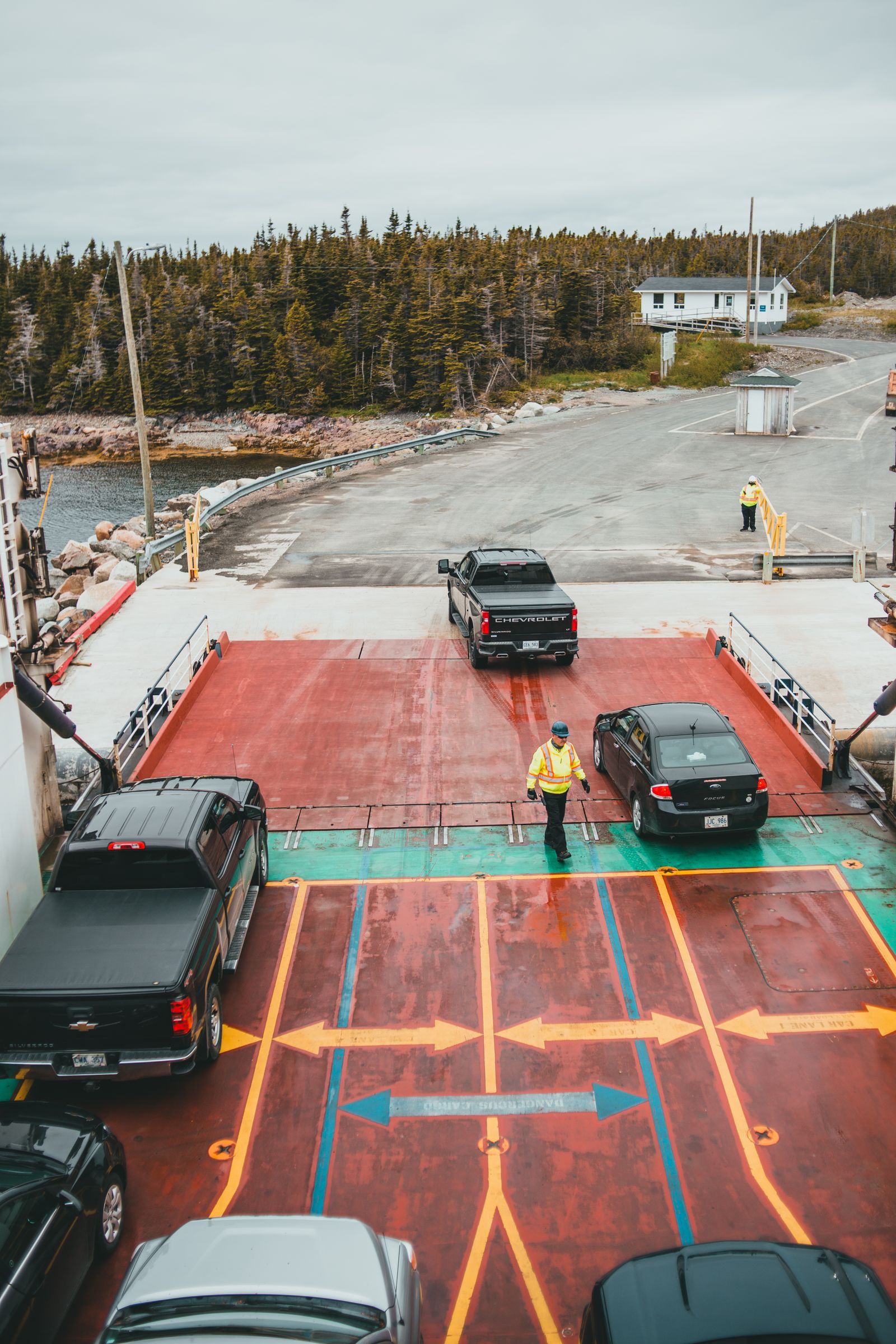
Who Declares an EV as Dangerous Cargo?
On a ro-ro, Special Provision 961 means an EV is not dangerous goods. So the ship gets no chemistry, no state of charge, no damage history.

Fremantle Highway — Anatomy of a Late Rescue
The Dutch Safety Board faulted the Fremantle Highway rescue; Panama's flag-state report traced the fire to an EV. Seven crew jumped ~30 m and one died.
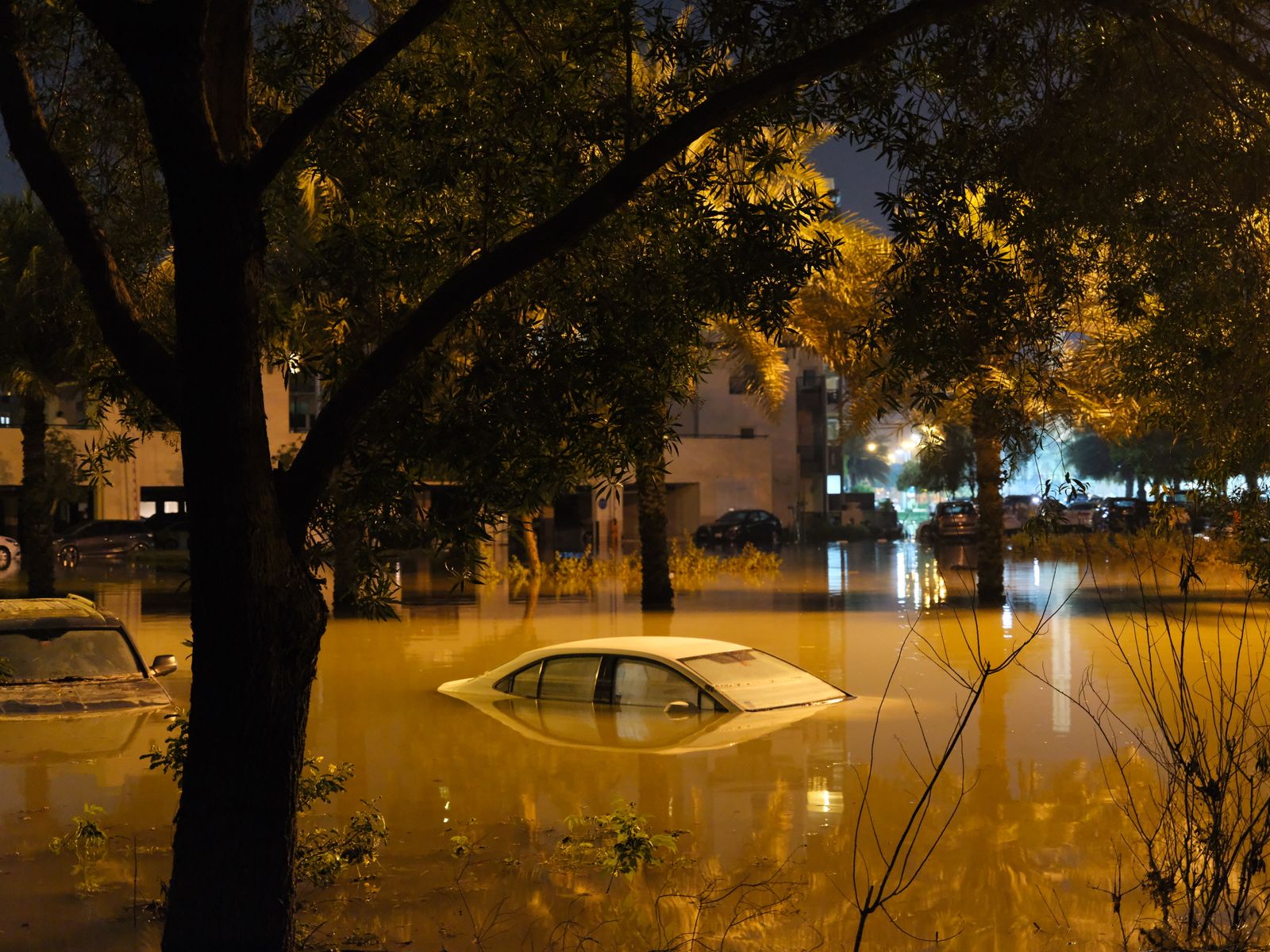
Are Flood-Damaged EVs a Shipping Fire Risk?
Yes — salt water leaves conductive bridges inside an EV pack that trigger runaway days later. The US Coast Guard tells shippers not to load them.

Can You Ship a Damaged EV Battery?
Yes — under SP 376, one of the IMDG Code's strictest regimes. Yet the same damaged pack, still inside a car on a ro-ro deck, can sail undeclared.