
Can You Ship a Damaged EV Battery?

Yes — under SP 376, one of the IMDG Code's strictest regimes. Yet the same damaged pack, still inside a car on a ro-ro deck, can sail undeclared.
Yes, but it is one of the most tightly controlled consignments in the IMDG Code. A battery identified as damaged or defective ships under Special Provision 376 — specially packed, individually limited, marked for disposal or recycling, and declared on the transport document. Some are barred from carriage entirely without a competent authority's written approval. Then note the inversion: the same damaged pack, still bolted into a car driven onto a ro-ro, can sail undeclared.
What Special Provision 376 actually requires
It moves a damaged battery out of the ordinary lithium regime and into a packing standard built for a cell that may already be failing. Under SP 376, cells and batteries identified as damaged or defective must be packed to Packing Instruction P908 (for packages) or LP904 (for large packagings), both at the packing-group-II performance level. The quantities are deliberately restrictive: LP904 permits a single item per large packaging, and P908 caps a package at one item once the battery exceeds 30 kg net mass — which is most EV traction packs. Both require non-combustible, electrically non-conductive, absorbent cushioning around the cell. The paperwork is explicit too: the transport document must carry the statement 'TRANSPORT IN ACCORDANCE WITH SPECIAL PROVISION 376', and packages moving for end-of-life treatment must be marked 'LITHIUM BATTERIES FOR DISPOSAL' or 'LITHIUM BATTERIES FOR RECYCLING'.
When the battery is too damaged to ship at all
There is a tier above damaged — a cell that may come apart in transit — and it is effectively prohibited without approval. For batteries liable to rapidly disassemble, react dangerously, produce a flame or a dangerous evolution of heat or gas under normal conditions of carriage, the standard packing instructions are not enough: P911 and LP906 apply, and such cells and batteries shall not be carried except under conditions approved by the competent authority, with a copy of that approval accompanying the consignment. That is a rare posture in dangerous-goods regulation — not 'pack it properly' but 'do not move this until a regulator has signed off on how'. The same category is barred outright from air transport for waste and recycling consignments unless the national authority of the State of Origin approves it, which is what pushes this cargo onto ships in the first place.
The volume is arriving now
This is a small cargo class about to stop being small. Projections put end-of-life lithium-ion battery volume at roughly 200,000 tonnes in 2024 rising to over 1.1 million tonnes by 2030 — a fivefold increase inside six years — and recycling capacity remains heavily concentrated, with the large majority of installed capacity in China and only low single-digit percentages each in Europe and the United States. That geography is the point for shipping: when the packs reach end of life in one region and the processing capacity sits in another, the difference is made up by sea freight. So the trade in damaged, defective and spent batteries is a growing maritime flow by construction, not by accident. Fires in this cargo class are already on the record, including a container of discarded lithium batteries that ignited in transit, and battery-related fires have been identified in marine claims analysis as an increasingly expensive loss driver.
The inversion: same battery, two regimes
Extract the damaged pack and it is among the most regulated things you can put on a ship; leave it in the car and it may be exempt. Ship the battery loose and SP 376 governs: PG II packaging, one unit per package, non-combustible cushioning, a declaration on the transport document, and possibly a competent-authority approval. Drive the same vehicle onto a ro-ro with flag-approved vehicle spaces and IMDG Special Provision 961 can place it outside most of the Code entirely — no chemistry declared, no state of charge verified, no damage history transmitted to the master. The determining factor is not the condition of the battery. It is whether the battery arrives as cargo or as a car. For used and salvage-vehicle trades, where damaged packs are most likely to be present, that is the whole exposure in one sentence.
What owners, shippers and underwriters should take from it
- Know which regime your consignment is in. A loose damaged pack under SP 376 is declared and specially packed; the same pack inside a vehicle may be exempt under SP 961 — the risk is identical, the paperwork is not.
- For loose battery consignments, check the tier: if the cell is liable to rapid disassembly, P911/LP906 apply and it must not move without competent-authority approval, with the approval travelling with the cargo.
- Treat the disposal and recycling marking as a screening signal, not a formality — 'LITHIUM BATTERIES FOR RECYCLING' on a package tells a terminal and a ship exactly what they are holding, which is more than a used-vehicle manifest ever says.
- For salvage, flood and end-of-life vehicle trades, assume the pack condition is unknown and screen at loading; SP 376 will never catch a damaged battery that ships inside a car.
- For underwriters: the flow is growing structurally as end-of-life volumes rise and processing capacity stays concentrated, so exposure to this cargo class increases even if no operator changes behaviour.
How RoRoSAFE helps
A damaged pack inside a car can sail undeclared, outside the SP 376 regime entirely, so the ship cannot rely on the paperwork. RoRoSAFE watches every parked vehicle directly for the heat and electrolyte-vent gases of a failing cell, and alerts before visible smoke. On a ro-ro deck that is the practical check on a battery nobody declared.
Pilot: one deck · installed alongside the berth · no drydock · 6 months of dashboard access
Sources
- IMDG Code / UN Model Regulations Special Provision 376: cells and batteries identified as damaged or defective are packed per Packing Instruction P908 (4.1.4.1) or LP904 (4.1.4.3) at PG II performance level, with non-combustible, non-conductive, absorbent cushioning; LP904 permits one item per large packaging and P908 limits to one item where net mass exceeds 30 kg; the transport document must state 'TRANSPORT IN ACCORDANCE WITH SPECIAL PROVISION 376'; packages for end-of-life treatment are marked 'LITHIUM BATTERIES FOR DISPOSAL' or 'LITHIUM BATTERIES FOR RECYCLING'.
- SP 376 higher-risk tier: cells and batteries liable to rapidly disassemble, react dangerously, produce a flame or a dangerous evolution of heat or gas under normal carriage conditions are packed per P911/LP906 and shall not be carried except under conditions approved by the competent authority, with a copy of the approval accompanying the consignment — UNECE working documents on the application of SP 376 to critically damaged lithium batteries.
- Waste and recycling battery consignments are prohibited from air transport unless approved by the national authority of the State of Origin — dangerous-goods compliance guidance.
- End-of-life volumes: lithium-ion batteries reaching end of life projected at roughly 200,000 tonnes in 2024 rising to over 1.1 million tonnes by 2030; global recycling capacity concentrated with the large majority in China and low single-digit shares each in Europe and the United States (IEA Global EV Outlook capacity figures) — World Economic Forum / Circular Energy Storage baseline study; IEA.
- gCaptain — container loaded with discarded lithium batteries caught fire en route to port; Seatrade Maritime, reporting Allianz Commercial (AGCS) marine claims research, identifies battery-related fires as an increasingly expensive cause of loss — gcaptain.com / seatrade-maritime.com.
- IMDG Code Special Provision 961: vehicles carried on ro-ro ships with flag-approved vehicle spaces fall outside most of the Code where its conditions are met — the exemption behind the regime inversion described above — imo.org.
- Companion RoRoSAFE analysis — 'Are Flood-Damaged EVs a Car-Carrier Fire Risk?' (the damaged pack that ships inside a vehicle), 'Who Declares an EV as Dangerous Cargo?' (the SP 961 declaration gap), and 'Are Used EV Exports a Hidden Car-Carrier Fire Risk?' (the trade where these packs concentrate).
Questions, answered
Can a damaged lithium-ion battery be shipped by sea?+
Yes, but under Special Provision 376. A battery identified as damaged or defective must be packed to Packing Instruction P908 or LP904 at packing-group-II level with non-combustible, non-conductive, absorbent cushioning, limited to a single item per packaging for larger units, and declared on the transport document with the statement 'TRANSPORT IN ACCORDANCE WITH SPECIAL PROVISION 376'.
Are some damaged batteries banned from carriage entirely?+
Effectively, without approval. Cells liable to rapidly disassemble, react dangerously, produce a flame or a dangerous evolution of heat or gas under normal carriage conditions fall to P911/LP906 and shall not be carried except under conditions approved by the competent authority, with a copy of that approval accompanying the consignment. Waste and recycling consignments are also barred from air transport absent national-authority approval.
Why is a damaged battery stricter as cargo than inside a car?+
Because the regimes differ by how the battery presents, not by its condition. Shipped loose, it is governed by SP 376 — special packing, one unit per package, declaration, sometimes regulator approval. Left installed in a vehicle driven onto a ro-ro with flag-approved vehicle spaces, IMDG Special Provision 961 can place it outside most of the Code, with no chemistry, state of charge or damage history declared.
Is the volume of waste battery shipments growing?+
Sharply. End-of-life lithium-ion battery volume is projected to rise from roughly 200,000 tonnes in 2024 to over 1.1 million tonnes by 2030, while recycling capacity stays concentrated — mostly in China, with low single-digit shares each in Europe and the United States. When packs expire in one region and are processed in another, the gap is closed by sea freight.
Continue the thread
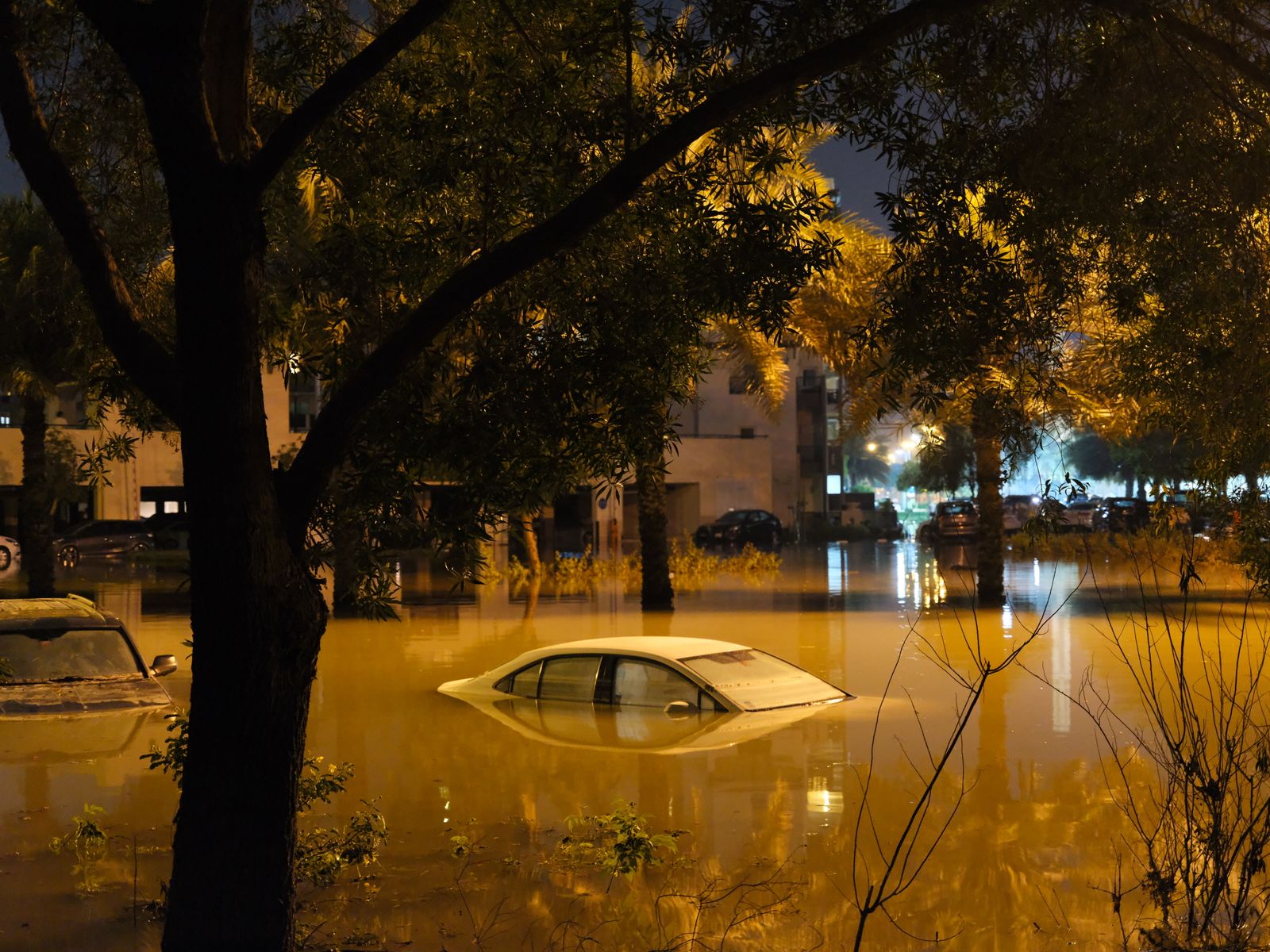
Are Flood-Damaged EVs a Shipping Fire Risk?
Yes — salt water leaves conductive bridges inside an EV pack that trigger runaway days later. The US Coast Guard tells shippers not to load them.
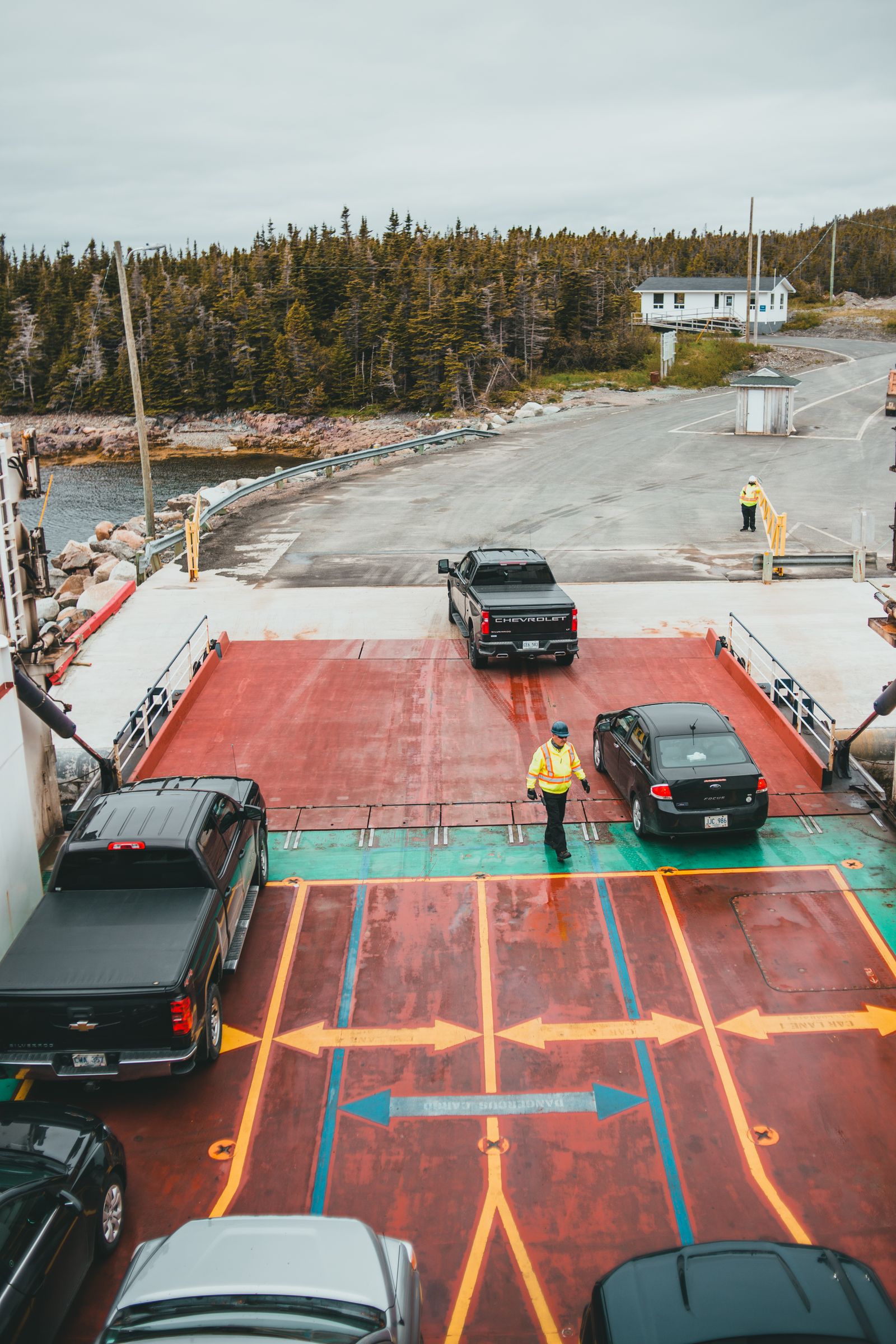
Who Declares an EV as Dangerous Cargo?
On a ro-ro, Special Provision 961 means an EV is not dangerous goods. So the ship gets no chemistry, no state of charge, no damage history.

Are Used EV Exports a Hidden Fire Risk?
Yes — used EVs ship with unknown state of charge and hidden accident damage, the conditions the NTSB links to higher fire risk than new cars.

Is the Ship's Own Battery a Fire Risk?
DNV caps a ship's own battery room at 5 MWh before demanding cell-level isolation. Its car decks can hold far more lithium energy with none of it.

What the MTF 2025 EV Carriage Report Asks
The Maritime Technologies Forum's 2025 EV-carriage report — a flag-state and class consensus — leads with early detection, gas alarms and SoC limits.