
Are Trucks the Bigger Fire Risk on a Ro-Pax?
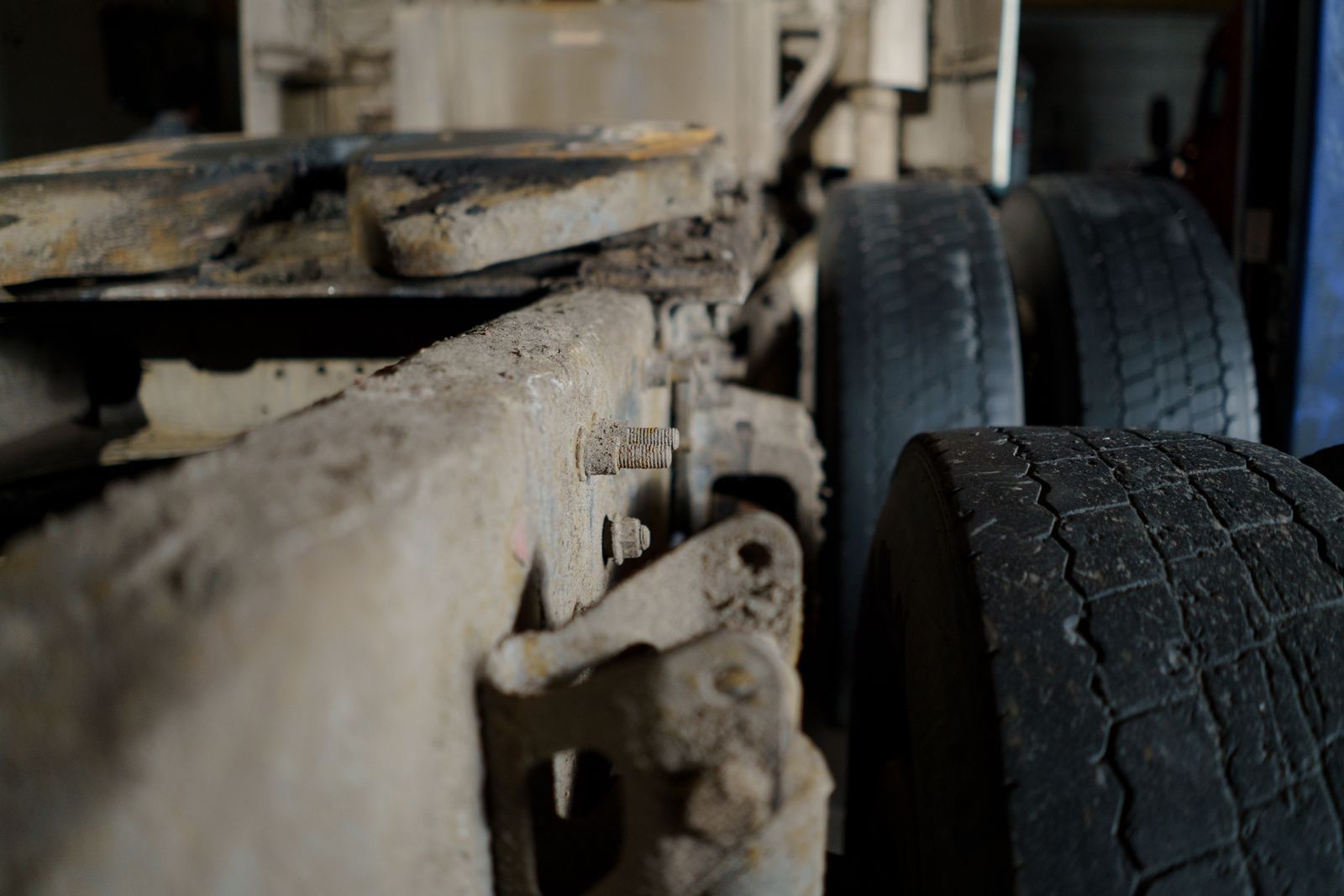
On ro-pax ships, most fires with a known cause began in trucks, their cargo or reefer units, not cars. What drives freight fires, and where EVs fit.
On ro-pax ferries, the record says yes: freight, not cars, starts most fires. DNV GL's review of 35 ro-ro deck fires from 2005 to 2016 found 18 on ro-pax ships. Of the 14 with a known cause, 11 began in trucks, buses, the cargo they carried or reefer units, and only 3 in cars, one of them an unauthorised EV charging session.
That matters because the public debate about deck fires is almost entirely about electric cars. On a car carrier that focus is reasonable, since the cargo is cars. On a ro-pax ferry, the vehicles that most often start fires are the heavy ones, and recent casualties keep confirming it.
What the fire record shows
Freight units started 11 of the 14 ro-pax fires whose cause was identified. DNV GL's breakdown of those 14 is specific:
- Cargo carried on trucks, including transported used vehicles: 5
- Reefer units or the power connection between unit and ship: 4
- The trucks or buses themselves: 2
- Cars other than new cars: 2
- Unauthorised charging of an electric car: 1
The most severe cases cluster in freight too. DNV GL found that failures in reefer units or their power connections were the probable cause of at least four of the five major ro-pax fires in the period. Reefers are a small fraction of the vehicles carried, yet produced as many fires as all vehicles combined, so the risk per unit is considerably higher. EMSA's FIRESAFE studies reach a consistent conclusion from a wider dataset: about 90% of ro-pax fires start in the carried cargo, and electrical faults are the most common cause.
Recent casualties fit the pattern
The major ro-pax and freight ro-ro fires of the past decade mostly began in heavy vehicles. Norman Atlantic in 2014 began with a reefer truck running its own generator because there were not enough sockets. Euroferry Olympia in 2022 reportedly started in a truck in a garage, and the 11 people who died were drivers in their cabs. Blue Carrier 2 in September 2026 reportedly began in a lorry in garage No. 4. Lisco Gloria in 2010 started on a deck of trucks and trailers.
Why heavy vehicles start fires
A truck brings more ignition sources on board than a car, and some are still hot when it parks.
- Wheel ends. TT Club's claims data put 65% of truck and trailer fires at the wheel and brake assembly: dragging brakes, failed bearings and underinflated tyres. Wheel fires often appear after the vehicle stops, when cooling airflow ends, which on a ferry is just after it has parked on the deck.
- Electrical systems. Heavy vehicles carry long, often unfused cable runs between battery, starter and alternator, plus auxiliary equipment on the trailer.
- Refrigeration. Reefer units run on ship power or on their own diesel generators throughout the crossing, with sockets, cables and plugs that are handled every voyage.
- Fuel load. Large diesel tanks, hydraulic oil, tyres and the cargo itself give a fire far more to burn than a car does.
- Cargo. The trailer's contents are rarely inspected, and DNV GL counted five fires that began in the cargo on trucks.
Where EVs fit
EVs are not the main source of ro-pax fires today, but they change what happens once a fire starts. IUMI's position is that battery-electric vehicle fires are not more frequent than fires in conventional vehicles; they are harder to fight and can reignite. On a car carrier, where the cargo is thousands of cars, the EV question is central. On a ro-pax, a sensible fire plan covers both: freight is the likelier start, and an EV next to a burning trailer adds a harder fire.
What operators should do
- Check wheel ends on arrival. A quick thermal check of truck and trailer wheels on the ramp catches hot brakes and bearings before the vehicle is stowed.
- Manage reefers as a system. Match units to sockets, inspect plugs and cables each voyage, and keep reefers where the crew can reach and watch them.
- Know the drivers' positions. Euroferry Olympia showed that drivers resting in cabs share the space with the fire. Enforce the rules that keep people off vehicle decks during the crossing.
- Screen cargo declarations. Transported used vehicles and undeclared goods inside trailers belong in the booking checks, not just the stowage plan.
- Watch the heavy-vehicle lanes. Detection that can name a lane and bay matters most where the likeliest ignition sources are parked.
How RoRoSAFE helps
On a ro-pax ferry the likeliest fire starts in a truck, trailer or reefer unit, often after it has parked. RoRoSAFE puts a thermal and battery-vent gas sensor cell under each parked vehicle, so a hot wheel end, a failing reefer connection or a venting battery is flagged to the bridge and shore with its deck and bay before visible smoke. It complements your SOLAS detection and drencher; it does not replace them.
Pilot: one deck · installed alongside the berth · no drydock · 6 months of dashboard access
Sources
- 1. DNV GL — 'Fires on Ro-Ro Decks' (2016), review of 35 fires in ro-ro spaces 2005–2016: 18 on ro-pax, 8 on cargo ro-ro, 9 on vehicle carriers; table of identified causes (ro-pax: cargo on trucks 5, reefer unit 4, buses/trucks 2, cars other than new 2, unauthorised EV charging 1, unknown 4); reefer units or power connections the probable cause of at least four of five major ro-pax fires; per-unit risk considerably higher for reefers than vehicles.
- 2. EMSA — FIRESAFE I (2016) and FIRESAFE II (2018) studies on ro-ro space fire safety: about 90% of ro-pax fires initiated in the carried cargo; electrical faults the most common cause.
- 3. TT Club — 'Truck and trailer fires: what our data tells us' (9 February 2021): 65% of truck and trailer fires originated at the wheel and brake assembly (2019 claims data); dragging brakes, bearing failures and underinflated tyres as causes.
- 4. Heavy-vehicle fire guidance (fire-service and transport-industry sources): wheel fires often ignite after the vehicle stops, when cooling airflow ceases.
- 5. Hellenic Bureau for Marine Casualties Investigation — Interim report on Euroferry Olympia (19 June 2023): fire originated in a garage; 11 people lost, all truck drivers found in cabs.
- 6. Shippax, SAFETY4SEA and The Maritime Executive — coverage of the Blue Carrier 2 fire (25–27 September 2026): fire reportedly began in a lorry in garage No. 4.
- 7. The Maritime Executive — Italian prosecutors on the Norman Atlantic fire (2014): reefer trucks outnumbering power outlets, three running their own generators.
- 8. IUMI — position paper on electric vehicle fires (September 2023): battery EV fires not more frequent than fires in conventional vehicles.
Questions, answered
What starts most fires on ro-pax ferries?+
Freight. DNV GL's review of ro-ro deck fires from 2005 to 2016 found that of the ro-pax fires with a known cause, 11 of 14 began in trucks, buses, the cargo on trucks or reefer units, and only 3 in cars. EMSA's FIRESAFE studies similarly found about 90% of ro-pax fires start in the carried cargo, with electrical faults the most common cause.
Why are reefer trailers a particular fire risk?+
They run refrigeration on ship power or their own diesel generators throughout the crossing, through sockets and cables handled every voyage. DNV GL found reefer units or their power connections were the probable cause of at least four of the five major ro-pax fires in its 2005 to 2016 review, a much higher risk per unit than ordinary vehicles.
Why do truck fires start after the truck has parked?+
Many truck fires begin at the wheel end: dragging brakes, failing bearings or underinflated tyres. TT Club's claims data put 65% of truck and trailer fires at the wheel and brake assembly. While driving, airflow cools these parts; once the vehicle stops, heat can build until grease, rubber or oil ignites, which on a ferry is just after it parks on the deck.
Are EVs a bigger fire risk than trucks on a ferry?+
Not by the fire record. On ro-pax ships, trucks, their cargo and reefer units start far more fires than cars. EVs matter because battery fires are harder to fight and can reignite, according to IUMI, so an EV parked next to a burning trailer adds a harder fire. A sound fire plan covers both.
Continue the thread
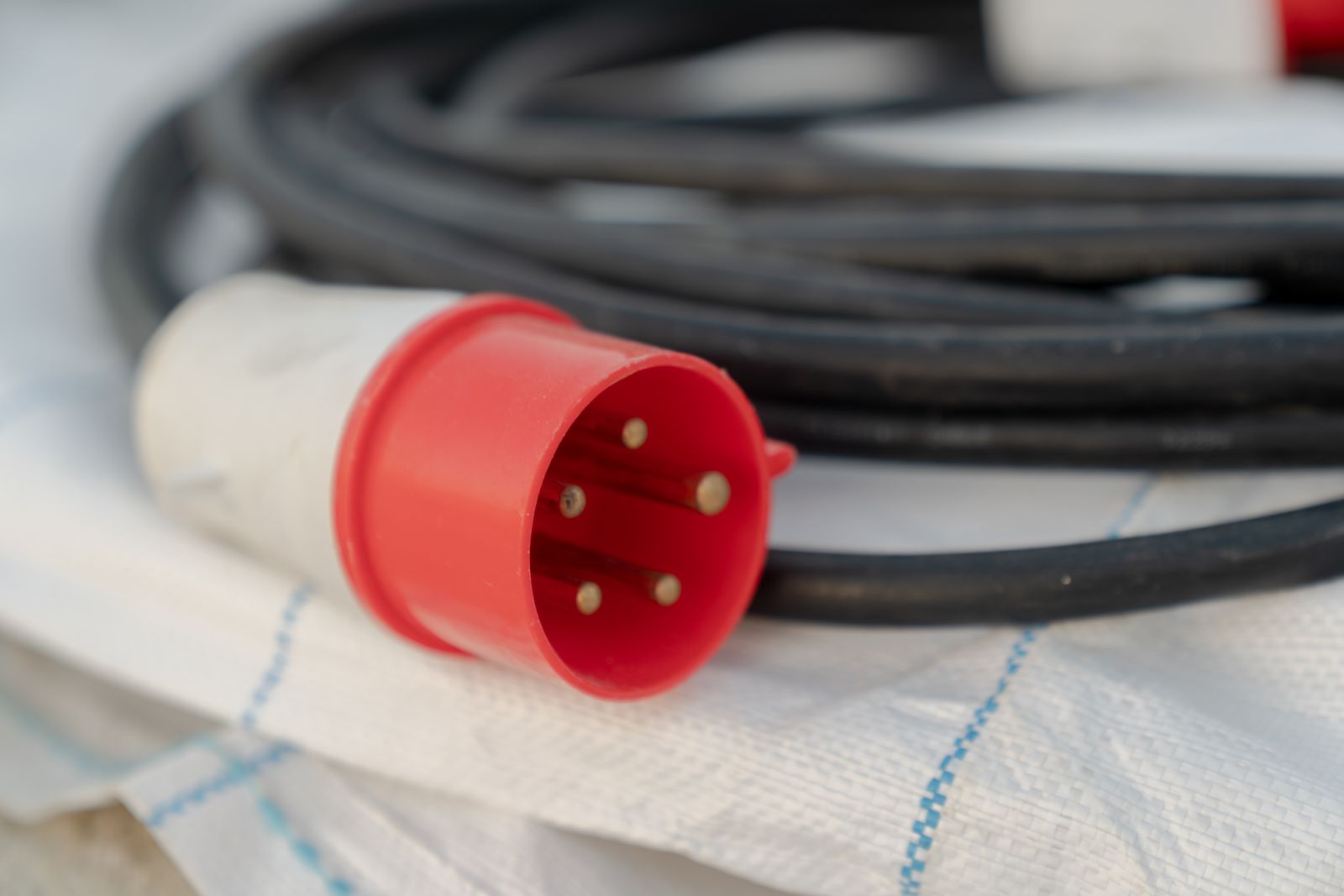
Are Reefer Trailers a Ferry's Hidden Fire Risk?
Yes. EMSA found reefer units the most fire-prone ro-pax cargo, and the weak point is often the plug and cable linking the trailer to the ship's power.
Euroferry Olympia: When the Deck Had People
The 2022 Euroferry Olympia fire began in a garage and killed 11 truck drivers on the vehicle decks — proof a car-deck fire is a life-safety event.
What Does the Blue Carrier 2 Fire Tell Us?
Blue Carrier 2 caught fire off Mykonos on 25 September 2026 with 166 lorries aboard. All 29 got off; three days on it burned. What we know, and don't.
Norman Atlantic: Fighting the Wrong Deck
The 2014 Norman Atlantic fire killed around 31 people. The hold held 43 reefer trucks and 40 outlets, and the crew drenched the wrong deck.
Car-Carrier Fire Risk: Detection, Not EVs
The powertrain debate misses the point. On an enclosed car deck the variable that decides a total loss is how early a fire is caught — not EV share.

Lisco Gloria: The Drencher That Gave No Water
The 2010 Lisco Gloria fire was detected within minutes and the drencher started — it delivered no water, and a 199 m DFDS ro-pax became a total loss.