
Reefer-Socket Monitoring Pilot: Ro-Pax Results
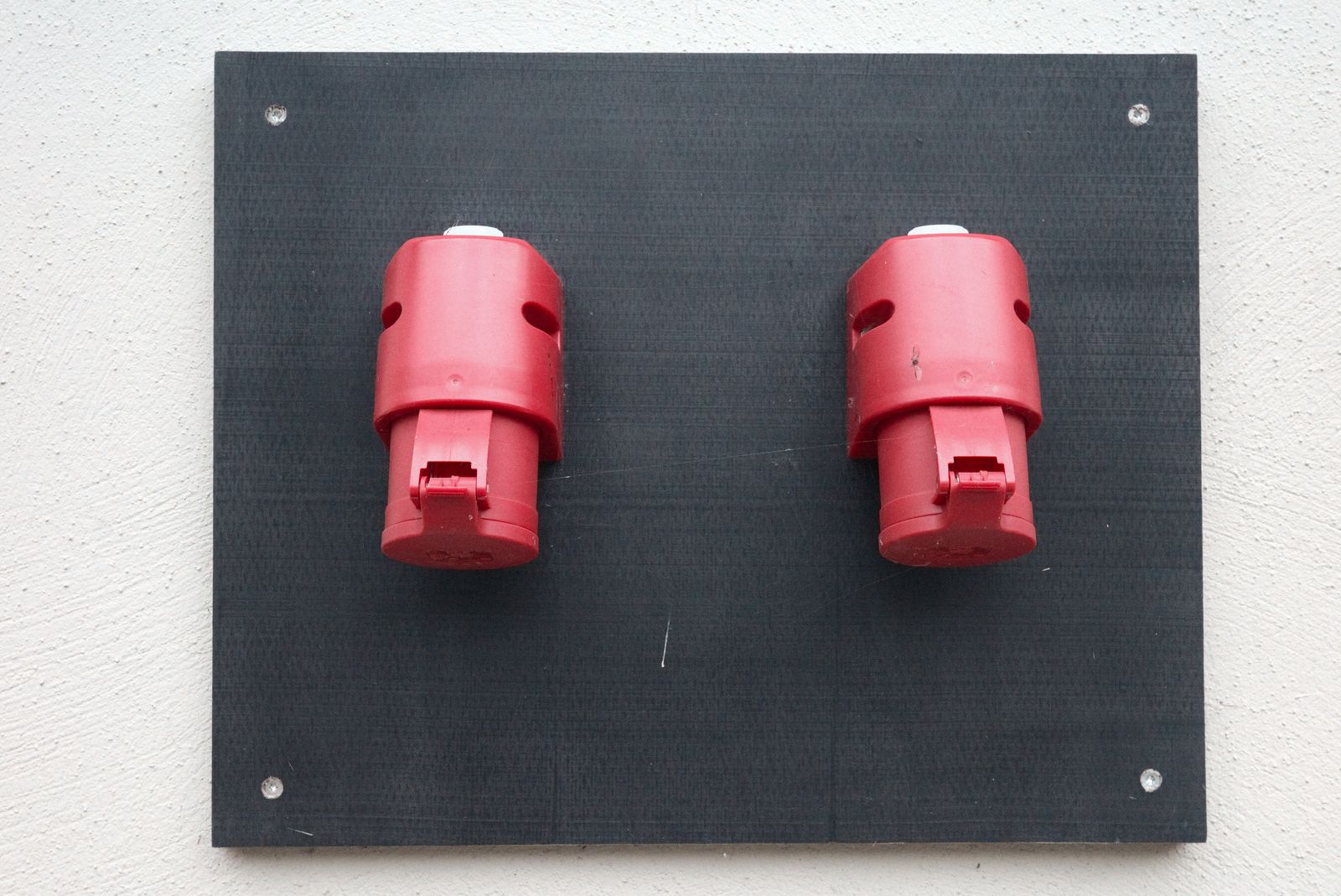
48 reefer sockets on a short-sea ro-pax, one season. Two high-resistance joints found under load — neither tripped a breaker, as the physics predicts.
This pilot asked one question: can a connection-temperature channel on each reefer socket find a failing joint before it becomes a fire, given that the circuit breaker upstream cannot? Forty-eight sockets on the enclosed main vehicle deck of a short-sea ro-pax were monitored for one trading season. Two high-resistance joints were found under load. Neither tripped its breaker.
The question is not hypothetical. On Commodore Clipper in 2010 a loose termination in a reefer plug drew the unit's normal ~25 A through a 32 A breaker, heated to the terminal's melting point, and burned a vehicle deck; MAIB found the protection 'met the classification society's requirements and were functioning correctly. However, they were not capable of detecting the fault in the reefer cable.' This pilot was designed around that finding — to instrument the gap the breaker cannot see.
The vessel and the problem
A ro-pax on a short-sea northern European route, carrying unaccompanied freight with a high seasonal share of refrigerated trailers. As on Commodore Clipper, the open upper deck could not take every reefer, so those able to run on ship's power were stowed on the enclosed main deck and plugged into the fixed socket population there. Those sockets are the densest concentration of high-current connections on the ship, and they are connected and disconnected by stevedores on every call, in a vibrating, salt-laden space, with no time allocated for inspection. The operator's existing controls were the upstream breakers and a periodic thermographic survey — walked, as it turned out, during loading.
What was instrumented, and how
A connection-temperature channel on each of the 48 sockets, installed without hot work or hull modification, logged continuously against the circuit current drawn by the unit plugged into it. That pairing is the point of the design: a raw temperature is almost meaningless on a car deck, where load is intermittent by nature, but a temperature rise read against the current producing it is a direct window on joint resistance. The channels reported to the same time base as the ship's fixed detection, so any socket event could be read against what the deck detectors and the breakers were doing at the same moment.
This is deliberately a narrow deployment. It watches connections, not the space; it is not a substitute for the fixed detection the ship is required to carry, and it was not scored as one. Its job is the band the other two layers leave empty — the breaker blind to the fault, the smoke detector blind until there is smoke.
What it found
Two sockets separated from the population within the first weeks, and both did so only when loaded. At idle their temperatures were indistinguishable from their neighbours; with a reefer running, each settled well above comparable sockets carrying similar current — above the NETA band of 4–15°C that marks a probable deficiency. On inspection at the next port call, one showed a phase conductor that had loosened in its termination; the other showed heat discolouration at the plug contacts consistent with repeated high-resistance operation. Both circuits' breakers had carried their loads throughout without a trip, exactly as the physics predicts: the fault adds milliohms to a circuit whose current is set by the load, so the current the breaker watches never moves.
The more useful finding was about the survey. Both joints would have been missed by the operator's existing thermographic practice, because the survey was walked during loading with units off or idling — the one condition in which a high-resistance joint looks healthy. Fault power scales as the square of current, so a joint read at idle under-reports itself by the largest possible margin. Moving the survey to a loaded condition, and recording the current at which each reading was taken, was the cheapest change the pilot produced and needed no new equipment at all.
What needed tuning
Load cycling, first. A reefer compressor starts and stops, and each start produces a transient temperature excursion at a perfectly healthy connection. Early thresholds set on absolute temperature flagged these as anomalies. Normalising the rise to measured current removed nearly all of them, because a healthy joint's rise tracks the square of its current and a failing one's does not — the ratio, not the reading, is the signal.
Ambient drift, second. The enclosed deck warms and cools over a voyage and with ventilation state, which moves every socket together. Comparing each socket against its loaded neighbours rather than against a fixed baseline — the same 'similar component under the same load' reference NETA uses — cancelled the common-mode swing and left the outliers. Neither adjustment is specific to reefers; both are the general cost of reading a thermal signal on a deck where nothing stays still.
What it means for the operator
Reefer sockets should be treated as a monitored population rather than as fittings, because the failure that burned Commodore Clipper is invisible to every protective device upstream of them. The pilot's practical recommendations are modest and mostly procedural: survey under load and record the load; read each socket against its loaded neighbours; confirm the socket ingress rating is the one class actually requires (Clipper's were IP44 where IP55 was specified); keep an assembly-quality record for any reefer cable made up on board; and, where continuous monitoring is fitted, alarm on temperature rise normalised to current rather than on absolute temperature.
EMSA's FIRESAFE work identified refrigerated units as statistically the most fire-hazardous cargo type per unit carried on ro-ro decks — a small share of the cargo producing a disproportionate share of the risk. A connection-level layer addresses the part of that risk that sits in the ship's own electrical system rather than in the trailer, which is the part the operator controls and the class survey rarely looks at.
How RoRoSAFE helps
This pilot shows the principle behind RoRoSAFE: read heat at the source against the load and the neighbours, not against a fixed number, and find the fault the breaker cannot see. On the vehicle deck, RoRoSAFE applies it to every parked vehicle, adding vent-gas sensing and tiered bridge alerts that come before visible smoke.
Pilot: one deck · installed alongside the berth · no drydock · 6 months of dashboard access
Sources
- 1. RoRoSAFE reefer-socket monitoring pilot record (operator under NDA) — short-sea ro-pax, northern European trade, one trading season, 48 reefer sockets on the enclosed main vehicle deck, connection-temperature channels logged against circuit current on a common time base with the fixed detection system.
- 2. MAIB Report No 24/2011 — fire on the main vehicle deck of Commodore Clipper, 16 June 2010, read in full: 24 of 77 trailers were reefers, struck down to the enclosed deck to run on ship's power; loose brown-phase termination in an IDC plug drawing the ~25 A load behind a 32 A ABB System pro M breaker that on test tripped at 84, 77 then 70 A; terminal material melting at 900–925°C; IP44 sockets fitted where class required IP55; reefer cables made up on board from 2006. §3.1 conclusion 1 for the quoted finding on protection devices.
- 3. EMSA — FIRESAFE I (2016) and FIRESAFE II (2017–2018): refrigerated units identified as statistically the most fire-hazardous cargo type in terms of probability and severity, despite being a limited proportion of the cargo carried.
- 4. InterNational Electrical Testing Association (NETA) ΔT severity convention against a similar component under the same load: 1–3°C possible deficiency; 4–15°C probable deficiency.
- 5. G. B. McIntosh (Snell Infrared), 'Condition Assessment of Electrical Connections Utilizing Infrared Thermography', QIRT 2014 — fault power scaling as the square of current, and the melting-voltage method for converting a temperature rise into a joint resistance.
- 6. Companion RoRoSAFE analyses — 'The Loose Terminal a Breaker Cannot See' (the physics and detection methods behind this pilot), 'Commodore Clipper: The Alarm Reset 7 Times' (the casualty it was designed around), and 'Ro-Pax EV-Deck Pilot: Detection Results'.
Questions, answered
Why can't the circuit breaker detect a failing reefer connection?+
Because a loose or degraded joint changes resistance, not current. It adds milliohms to a circuit whose current is set by the reefer's load, so the breaker sees a normal load while watts are dissipated at the contact. In this pilot both faulty circuits carried their loads all season without a trip — the same behaviour MAIB documented on Commodore Clipper.
Why did the operator's existing thermal survey miss both faults?+
It was walked during loading, with reefer units off or idling. Fault power rises as the square of current, so a high-resistance joint looks healthy at idle and only separates from its neighbours under load. Moving the survey to a loaded condition and recording the current at each reading was the cheapest change the pilot produced.
How were false alarms from compressor cycling handled?+
By normalising temperature rise to the measured current rather than alarming on absolute temperature. A healthy joint's rise tracks the square of its current; a failing one's does not, so the ratio separates them. Comparing each socket against its loaded neighbours also cancelled the deck-wide ambient swing. The figures in this pilot are a representative composite under NDA.
Does connection monitoring replace fixed fire detection on the deck?+
No. It watches the electrical connections, not the space, and was not scored as fire detection. Its role is the band between a breaker that cannot see a high-resistance fault and a smoke detector that cannot see anything until there is smoke. The ship's required fixed detection remains in place alongside it.
Continue the thread
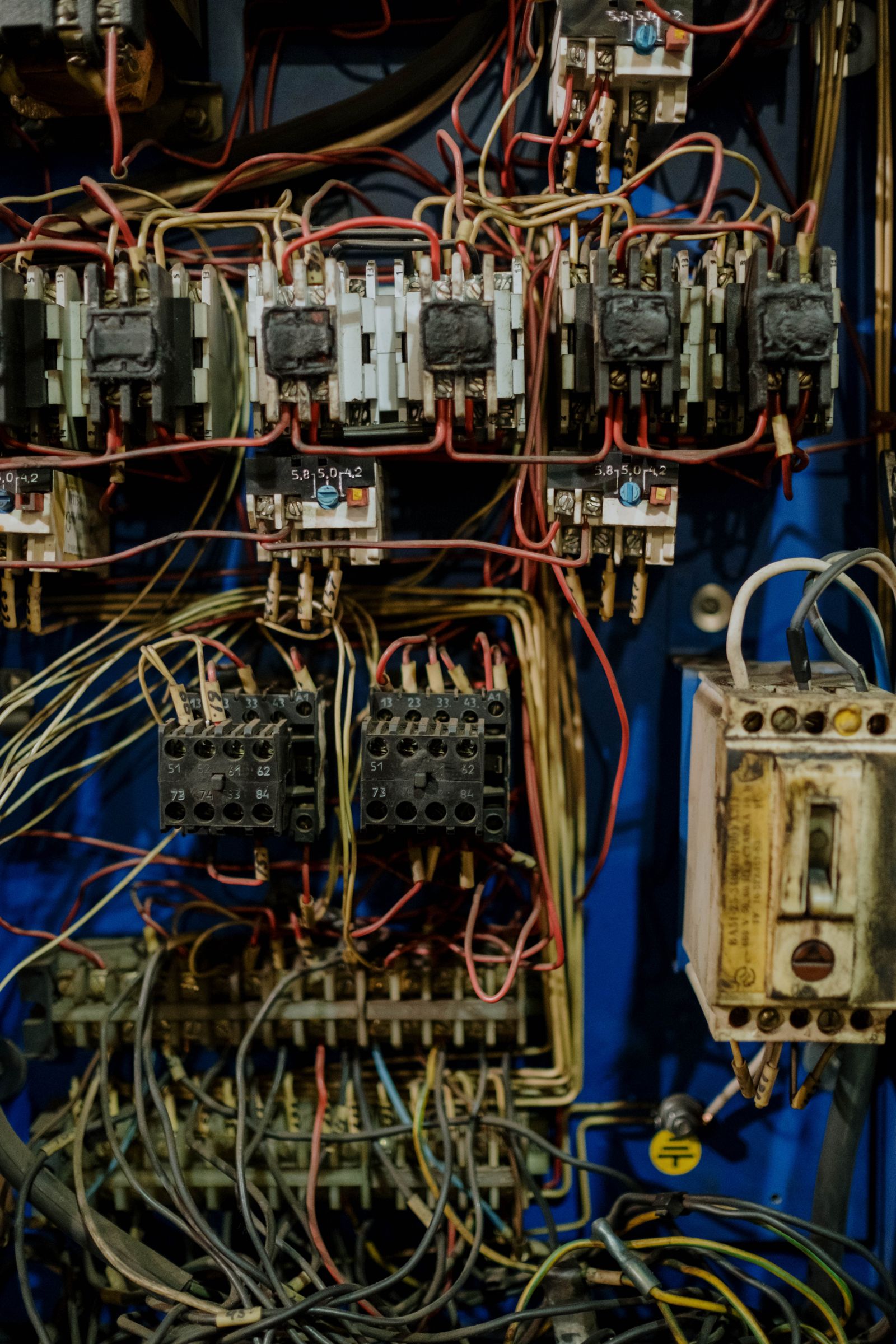
The Loose Terminal a Breaker Cannot See
A loose joint changes resistance, not current — so overcurrent protection is blind by construction. MAIB 24/2011: 25 A through a 32 A breaker, and a fire.
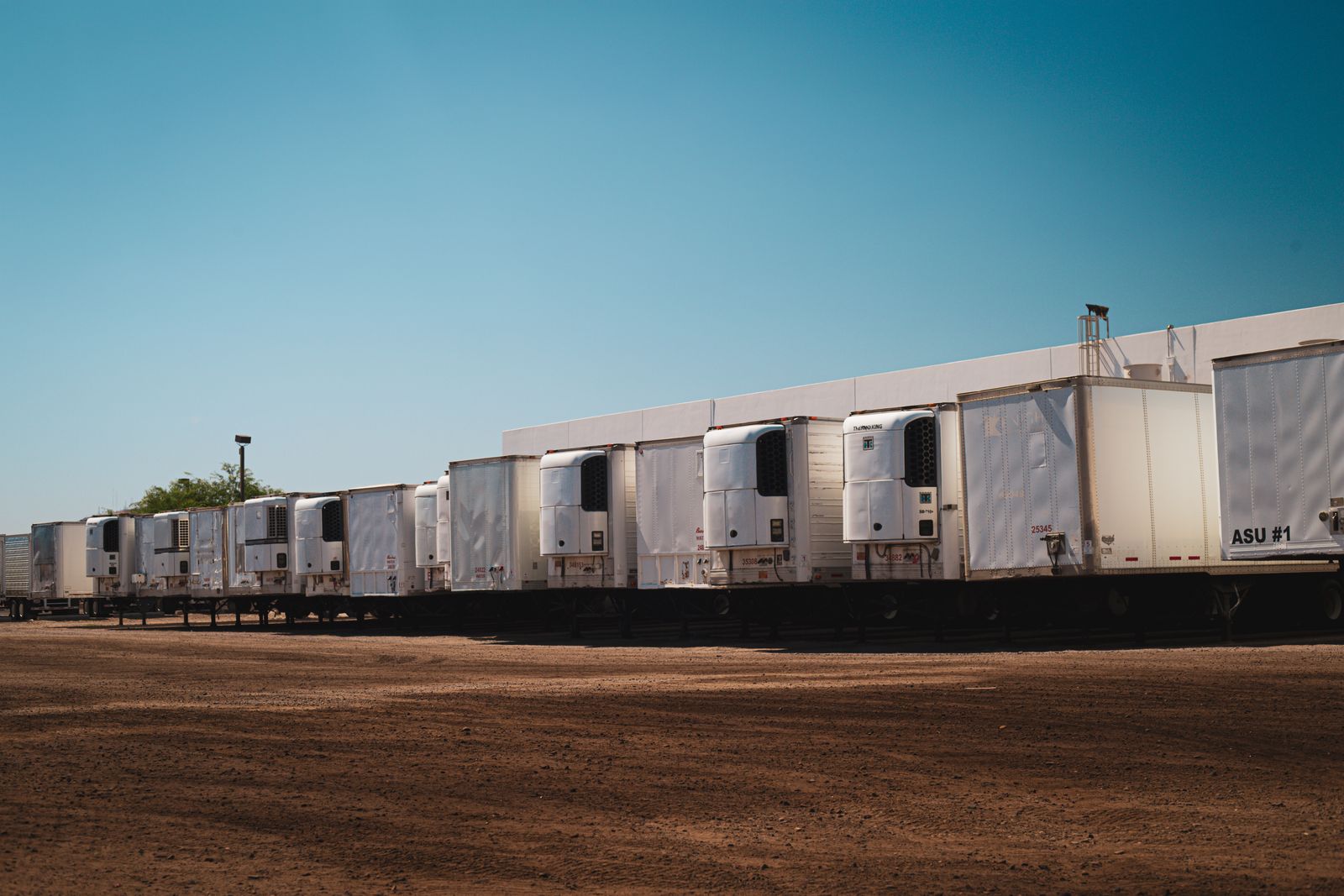
Commodore Clipper: The Alarm Reset 7 Times
A reefer plug ignited on a Condor ro-pax in 2010. Detection worked — 16 sensors, 81 alarms. The crew read a fault, silenced it, and lost 17 minutes.

Ro-Pax EV-Deck Pilot: Detection Results
A short-sea ro-pax ran per-vehicle EV-deck detection across an overnight season. On an occupied ferry, detection lead time is evacuation margin.

PCTC Retrofit Pilot: Detection Results
7,000-CEU car carrier, non-invasive retrofit, full North Atlantic season. The thermal anomaly layer caught what ceiling smoke detection could not.
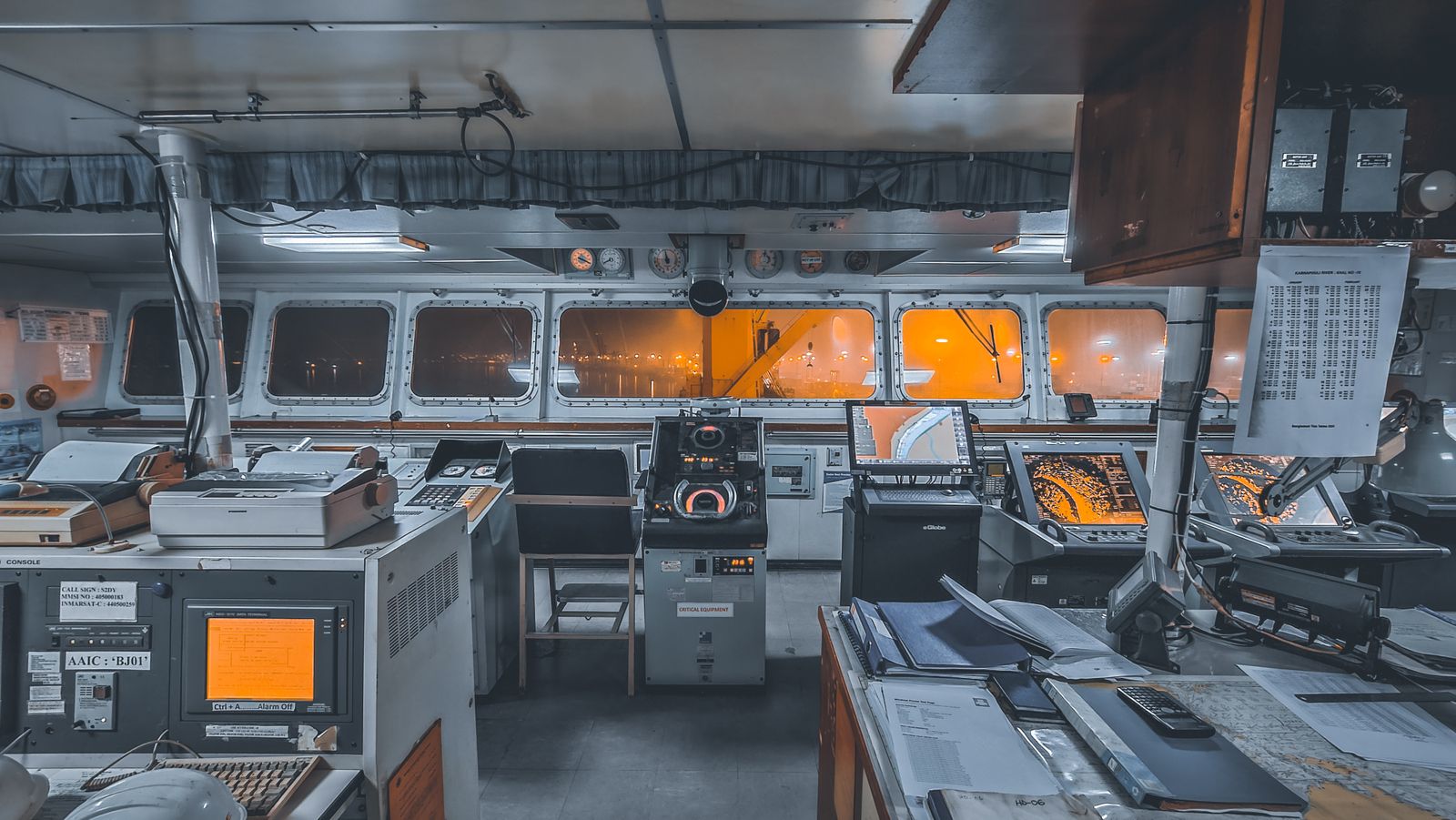
What a Season of At-Sea Alarm Data Shows
A fleet season of live vehicle-deck alarm data: where nuisance trips come from, and how per-vehicle baselining held the false-positive rate near zero.

Marine-Grade Cable Design for Decks
Twenty meters of cable damaged by a tire is not a sensor problem — it is a cable problem. Here is what we learned about specifying for the environment.
What a False Alarm Costs a Master at Sea
Seventeen minutes, in the one case with timestamps. On Commodore Clipper a real fire read as a detector fault: 11 silences, 7 resets, then the system died.
Are Reefer Trailers a Ferry's Hidden Fire Risk?
Yes. EMSA found reefer units the most fire-prone ro-pax cargo, and the weak point is often the plug and cable linking the trailer to the ship's power.