Tricolor: The Wreck That Kept Being Hit
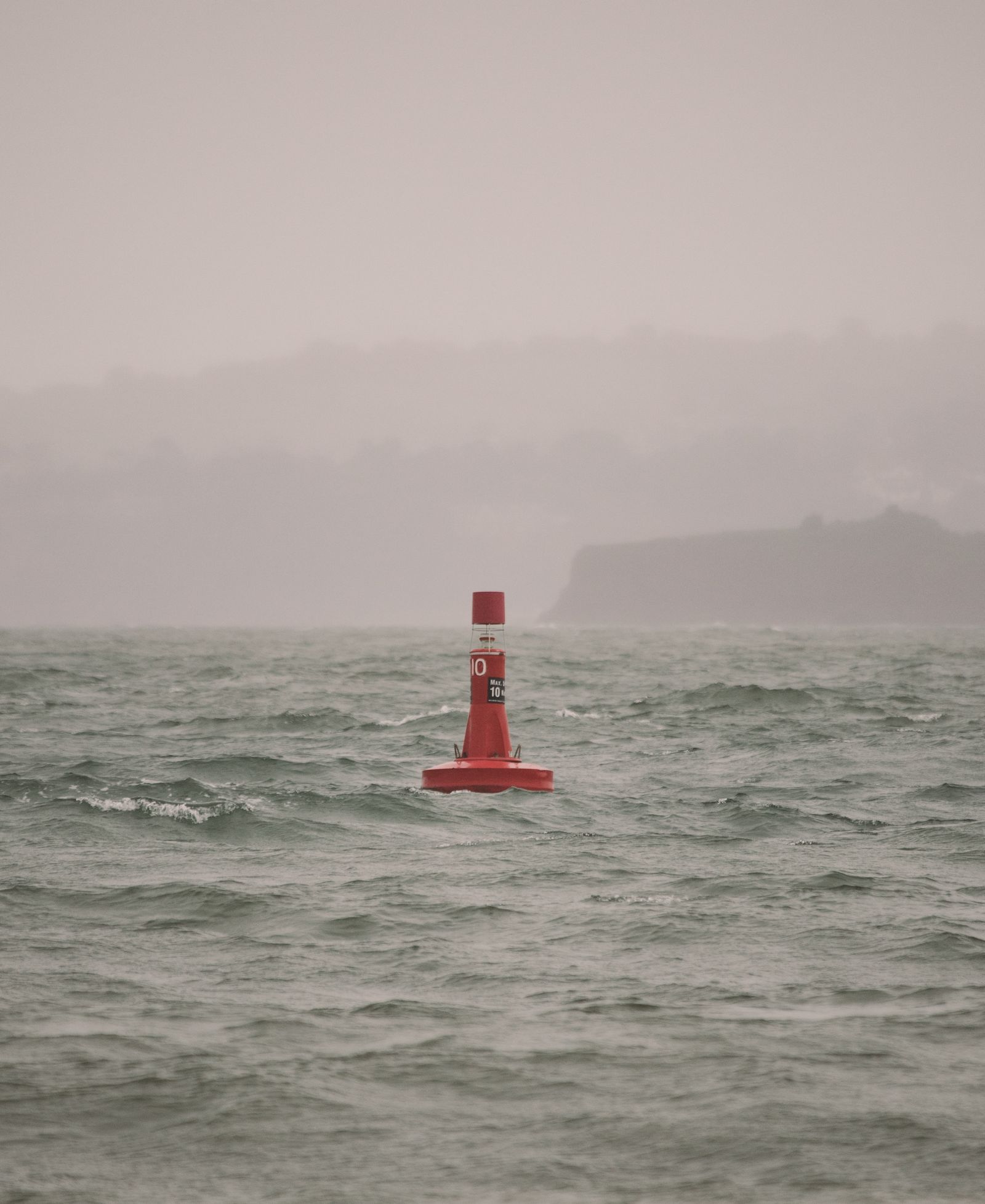
Five lit buoys, a radar buoy, a navy guard ship and hourly VHF warnings — and two more vessels still struck Tricolor's wreck in the Dover Strait.
Tricolor is the case that separates warning from response. The car carrier sank in about thirty minutes after a fog collision in the Dover Strait on 14 December 2002, taking 2,862 vehicles down with it. What makes it instructive is not the sinking. It is that the wreck — lit, buoyed, guarded by a warship and broadcast hourly on VHF — was then struck by two more ships.
What happened
A fog collision in the world's busiest shipping lane, and a hull that did not stay up long enough to argue about.
- Tricolor was a pure car and truck carrier built in 1987 at Tsuneishi: 49,792 GRT, 16,000 dwt, 190 m long, Norwegian-flagged, owned by Capital Bank of Scotland and operated by Wallenius Wilhelmsen Lines. Hull value was put at about £25.1 million.
- In the early hours of 14 December 2002, in thick fog roughly 20 nautical miles north of the French coast, she was struck by the 1982-built Bahamian-flagged container ship Kariba.
- She capsized and sank within about thirty minutes. All 23 crew — a Norwegian master and 22 Filipino crew — got off unharmed.
- The cargo was approximately 2,862 luxury vehicles — BMWs, Volvos and Saabs — plus 77 units of tractors and crane parts, valued at around £30 million and effectively destroyed.
- French authorities ordered the wreck removed in December 2002 on grounds of danger to navigation and the environment.
Then two more ships hit it
The second casualty came two days after the first. On 16 December 2002 the Nicola, a 3,000-tonne vessel registered in the Dutch Antilles, ran into the wreck. The marking was escalated after that: from a single buoy to five illuminated buoys, one of them radar-equipped, with the French navy vessel Géranium standing watch on the position and hourly VHF warnings broadcast to traffic. Then the Vicky, a 43,000-tonne Turkish-registered tanker, struck it as well.
Take the sequence seriously, because it removes the usual explanations one at a time. This was not an uncharted hazard — the position was known to the metre and published. It was not unmarked — by the second strike it carried more marks than most permanent dangers. It was not unattended — a warship was physically on scene. It was not unannounced — the warning went out every hour on the frequency every bridge in the strait was required to monitor. Every layer of the warning system functioned, and the wreck was hit anyway.
A warning is worth what the watch does with it
The failure was not in transmission; it was in reception and action. That is an uncomfortable finding because it is the failure mode least fixed by adding equipment. Five buoys instead of one is a better signal, and the Vicky hit it regardless. The Géranium's presence and the hourly broadcasts were about as strong a warning as the maritime system knows how to produce for a fixed hazard, and they did not convert into avoidance on at least one bridge.
The pattern recurs wherever alarms and watchkeepers meet. On Norman Atlantic in 2014 a reefer trailer was reported smoking at 04:15 and the concern was dismissed; the deck was ablaze fifteen minutes later. On Fremantle Highway in 2023 the ship's first report to the coastguard stated that no assistance was required. In each case the information existed and reached a human in time. What varied was whether it was believed and acted on, and that variable — not the sensitivity of the warning device — decided the outcome. Any monitoring system specified without a matching answer for the reception end is buying only half of what it needs.
Nine pieces and the removal that followed
Removing a 190-metre car carrier from a busy traffic separation scheme is not a salvage job, it is a demolition project conducted underwater. The removal contract went in April 2003 to Combinatie Berging Tricolor, a consortium led by SMIT. The hull was cut into nine pieces using the same cutting wire employed on the Kursk recovery, each section lifted onto barges and taken to a scrap facility in Zeebrugge under the salvors' supervision.
The scale of that operation is the part owners and underwriters should read twice. The vessel sank in December 2002; the removal contract was not awarded until April 2003, and the work of cutting and lifting nine sections ran well beyond that. For most of that period the wreck remained an obstruction in the Dover Strait requiring active marking and guarding — a cost and a liability that accrued daily and had nothing to do with the value of the ship or her cargo.
What the case argues for
Two things, and only one of them is about wrecks. The first is that a car carrier's wreck-removal exposure is not proportional to her hull value. Tricolor's hull was insured at around £25 million and her cargo at about £30 million, but the removal was driven by where she sank rather than what she was worth — a shallow, congested strait where a French administration could and did order the obstruction gone. A large, light, high-volume hull in busy coastal water is close to the worst case for that exposure, which is exactly the operating profile of the vehicle-carrier fleet.
The second is the one that generalises past this casualty. Detection, marking, alarms and broadcasts are all the same class of intervention: they move information toward a person who then has to act. Tricolor shows the ceiling on what better signalling alone achieves once that information is already arriving. For anyone specifying vehicle-deck monitoring, the practical read is that the value sits in making an alarm specific and credible enough to be acted on — which vehicle, which deck, how certain — rather than in raising the volume of a warning that is already being received.
How RoRoSAFE helps
Tricolor shows that a warning is only worth what the watch does with it. The same holds for fire detection. RoRoSAFE is designed to give the bridge an alarm it will act on: fused thermal and gas signals, graded into tiered alerts that name a deck and bay, arriving before visible smoke.
Pilot: one deck · installed alongside the berth · no drydock · 6 months of dashboard access
Sources
- 1. Casualty account of the Tricolor collision (splashmaritime.com.au, Marops casualty series): built 1987 at Tsuneishi, Norwegian flag, 49,792 GRT, 190 m, PCTC; owned by Capital Bank (Scotland), operated by Wallenius Wilhelmsen Lines, hull value ~£25.1m; struck in thick fog on 14 December 2002 by the 1982-built Bahamian container ship Kariba about 20 miles north of the French coast; 23 crew (Norwegian master, 22 Filipino) all escaped; cargo ~2,862 BMWs, Volvos and Saabs plus 77 units of tractors and crane parts, ~£30m; wreck marked first by a single buoy, later by five illuminated buoys including one radar-equipped, with the French navy vessel Géranium on watch and hourly VHF warnings.
- 2. SMIT Salvage — Tricolor project record (smit.com): 16,000 dwt car carrier; wreck cut into nine pieces using the 'Kursk' cutting wire; sections lifted onto barges and taken to a scrap facility in Zeebrugge; SMIT led the consortium Combinatie Berging Tricolor.
- 3. Subsequent strikes on the wreck: the Nicola, a 3,000-tonne Dutch Antilles-registered vessel, on 16 December 2002; the Vicky, a 43,000-tonne Turkish-registered tanker, shortly afterwards. French authorities ordered removal in December 2002; the removal contract was awarded in April 2003.
- 5. Cross-references within this corpus: Norman Atlantic (2014) for the dismissed 04:15 smoke report, and Fremantle Highway (2023) for the initial 'no assistance required' report to the coastguard.
Questions, answered
What happened to the car carrier Tricolor?+
She was struck in thick fog by the container ship Kariba in the Dover Strait in the early hours of 14 December 2002, capsized and sank within about thirty minutes. All 23 crew escaped unharmed. Her cargo of roughly 2,862 BMWs, Volvos and Saabs, plus 77 units of tractors and crane parts, was effectively destroyed — an estimated £30 million of vehicles.
How could ships hit a wreck that was already marked?+
That is the case's central question. The Nicola struck it two days after the sinking, after which marking was escalated to five illuminated buoys including a radar-equipped one, with a French navy vessel on watch and hourly VHF warnings. The tanker Vicky struck it anyway. The position was charted, marked, guarded and broadcast — the failure was in reception and action, not transmission.
How was the Tricolor wreck removed?+
By cutting it up in place. French authorities ordered removal in December 2002 as a danger to navigation and the environment, and the contract went in April 2003 to Combinatie Berging Tricolor, a consortium led by SMIT. The 190-metre hull was cut into nine sections using the same cutting wire used on the Kursk recovery, then lifted onto barges and taken to a scrap facility in Zeebrugge.
Why does a 2002 collision matter to vehicle-deck fire detection?+
Because it isolates the limit of warning systems. Tricolor's wreck carried about as strong a set of warnings as the maritime system produces, and was still hit. That points at the reception end rather than the signal: an alarm has to be specific and credible enough to be acted on. The same pattern appears in the dismissed smoke report on Norman Atlantic and the initial no-assistance call on Fremantle Highway.
Continue the thread
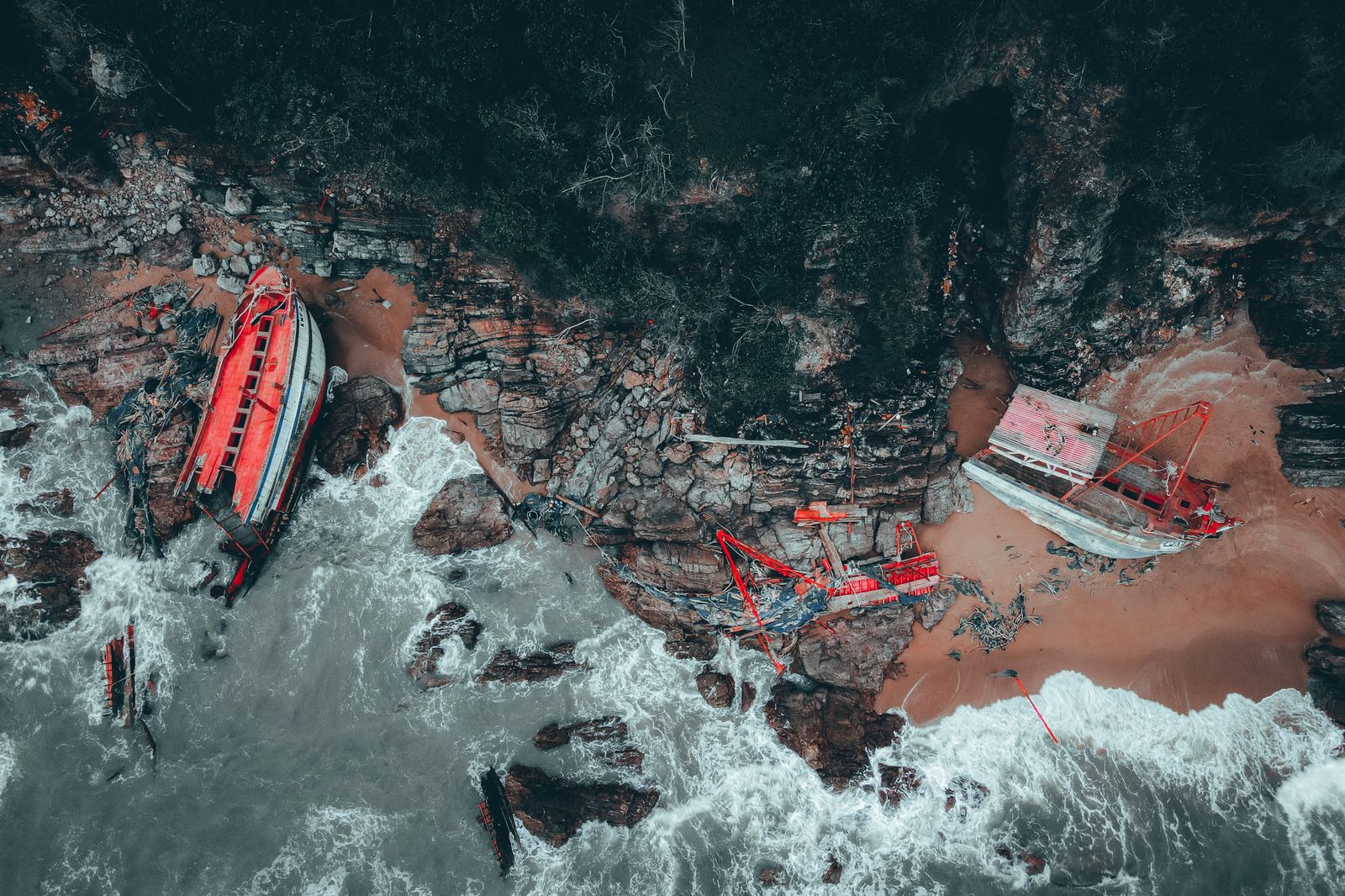
Is Wreck Removal a Car Carrier's Biggest Risk?
Under the Nairobi Convention, removing a wreck is strict-liability — and many states cap it at nothing. On Golden Ray it ran ~13x the hull value.
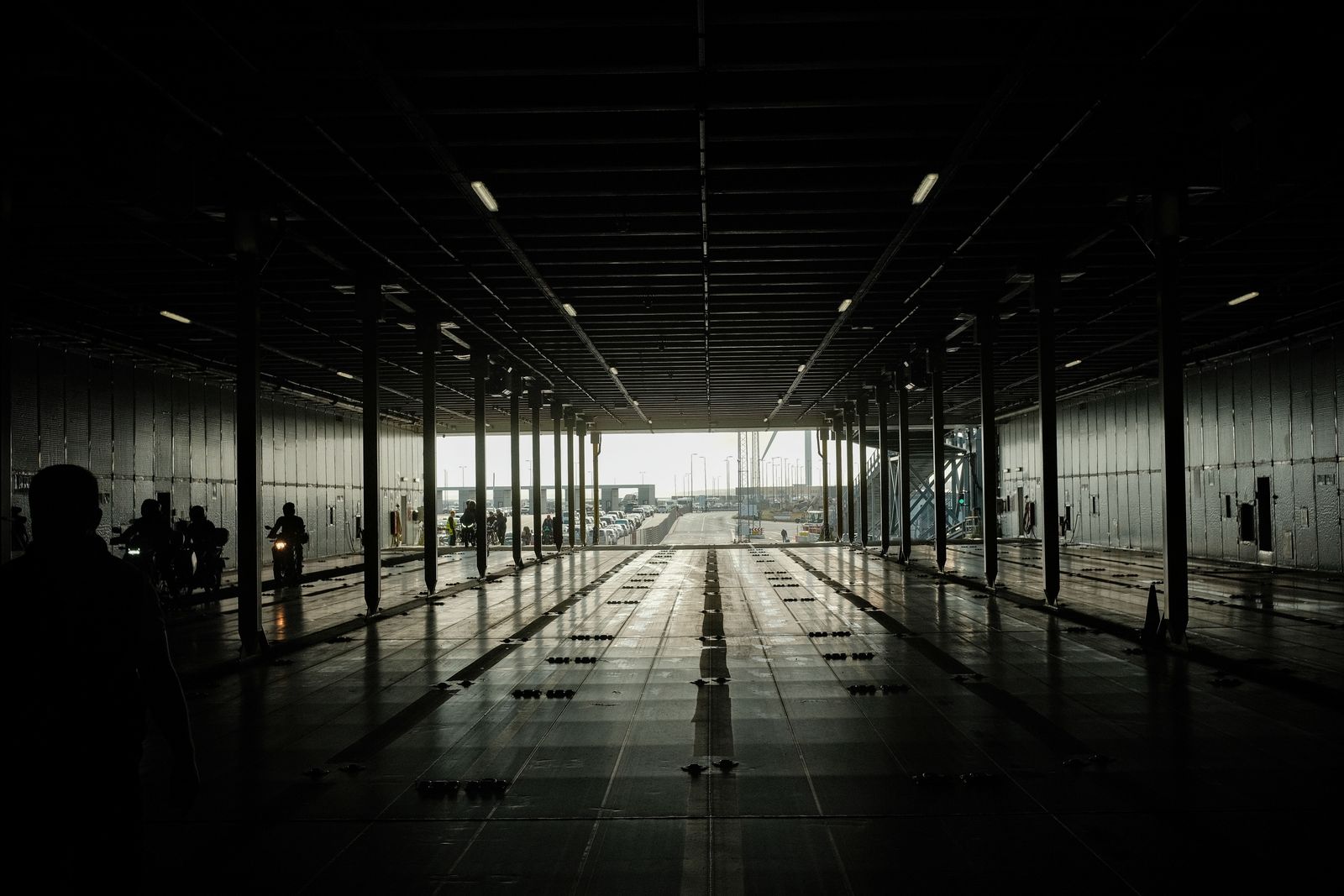
Norman Atlantic: Fighting the Wrong Deck
The 2014 Norman Atlantic fire killed around 31 people. The hold held 43 reefer trucks and 40 outlets, and the crew drenched the wrong deck.
Golden Ray — Anatomy of a Stability Capsize
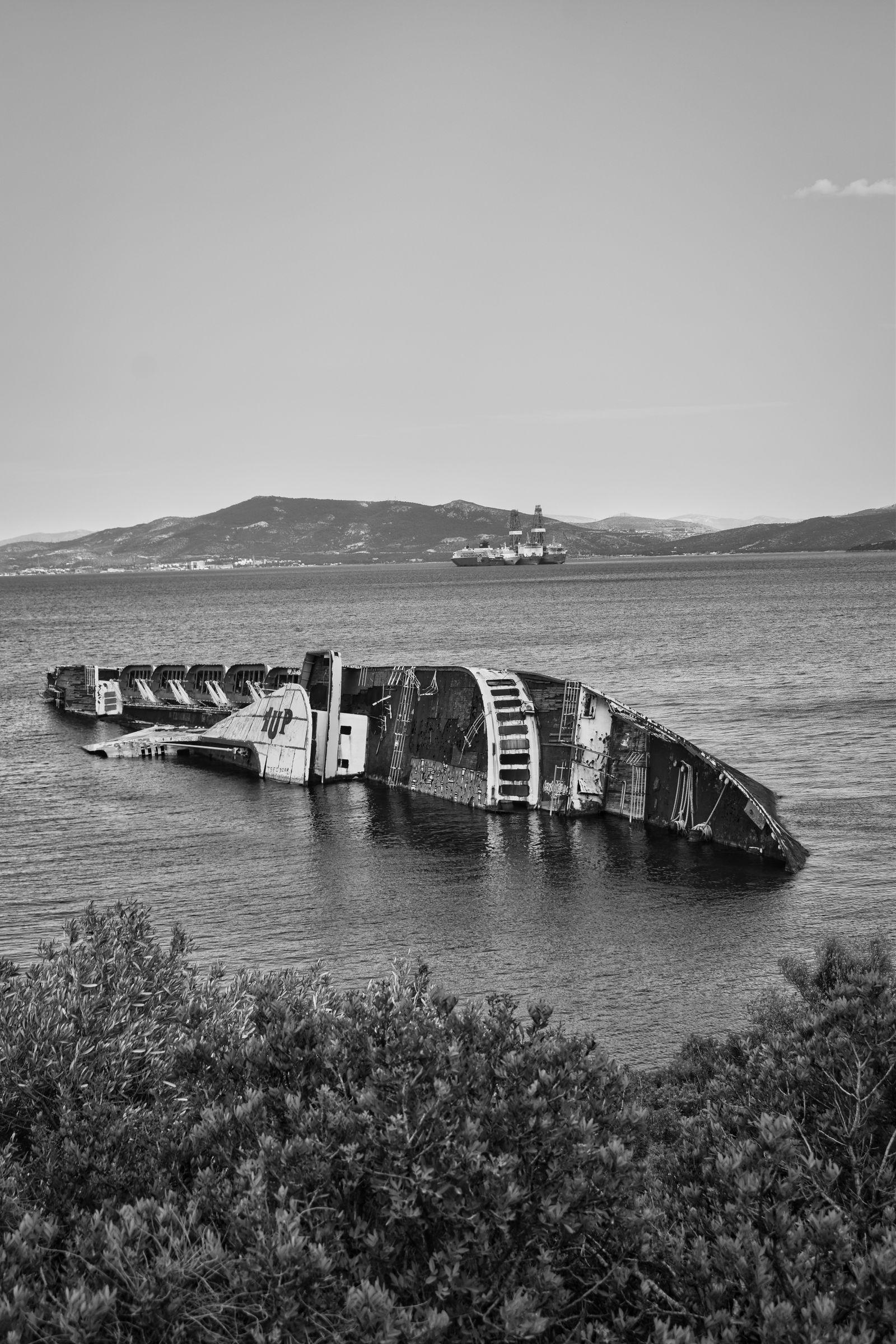
The Golden Ray capsized 40 minutes out of Brunswick in 2019 — a ballast-entry error, a $62.5M hull, and an $842M-plus wreck removal.
Höegh Osaka: The Numbers That Weren't
The 2015 Höegh Osaka listed past 40° because ballast was overestimated by 635t and cargo underestimated by 265t. The ship sailed on assumed numbers.