
Höegh Osaka: The Numbers That Weren't
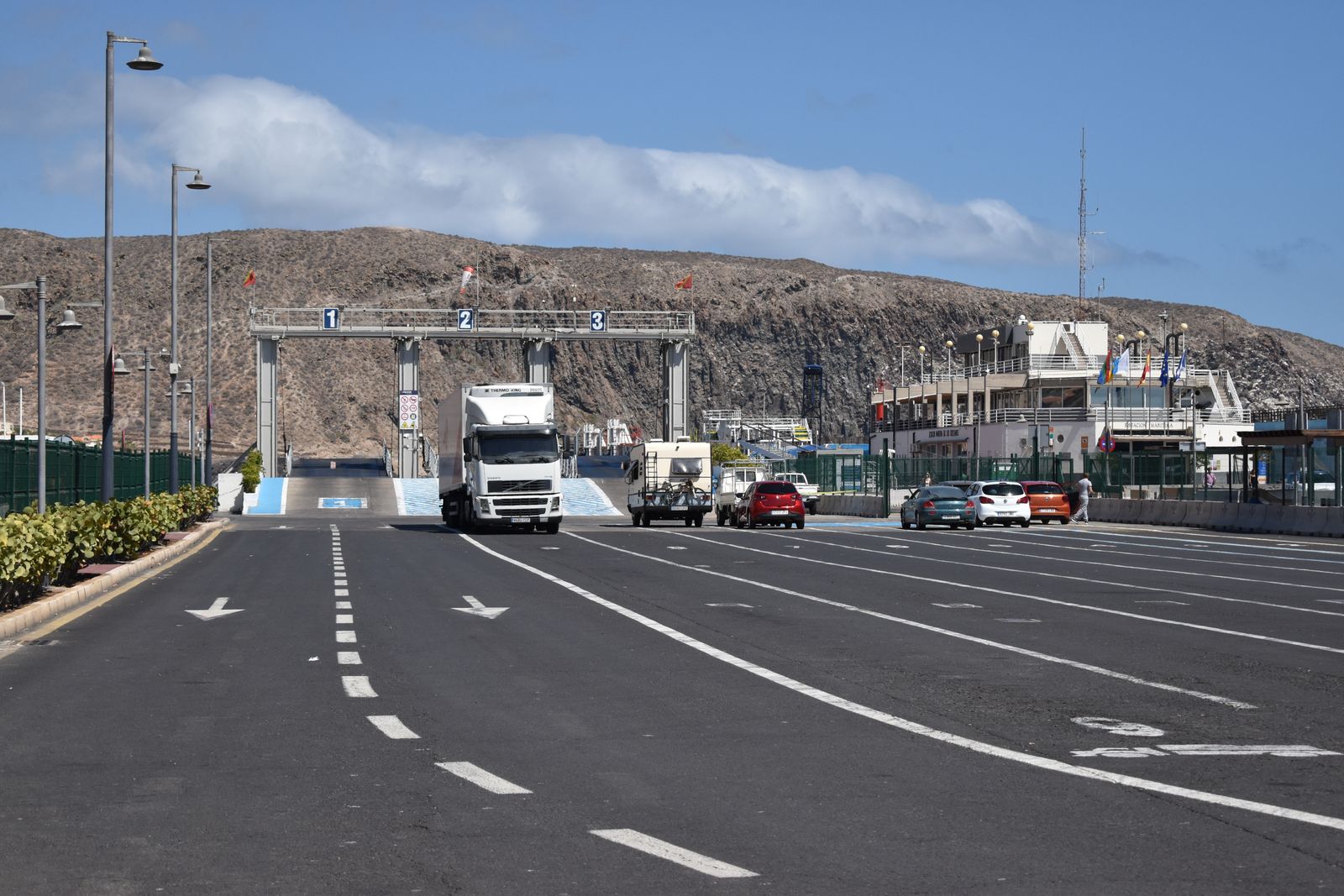
The 2015 Höegh Osaka listed past 40° because ballast was overestimated by 635t and cargo underestimated by 265t. The ship sailed on assumed numbers.
The Höegh Osaka is the car-carrier casualty with no fire in it, and it belongs in this series precisely for that reason. On 3 January 2015 a pure car and truck carrier left Southampton with a stability condition that did not meet the minimum international requirements for going to sea — and nobody knew, because the figures the departure was calculated from were assumptions rather than measurements. It listed beyond 40° within the hour.
What happened
A routine departure that became uncontrollable in under an hour, without a single equipment failure.
- The Höegh Osaka, a Singapore-registered pure car and truck carrier, sailed from Southampton at 2006 on 3 January 2015, bound for Bremerhaven.
- Turning around the Bramble Bank, the ship developed a significant starboard list that increased beyond 40°.
- It lost steerage and propulsion, and grounded on Bramble Bank at 2115 — roughly an hour after departure.
- Cargo shifted as the vessel heeled, breaching the hull and causing flooding.
- All crew were evacuated safely from the ship and the surrounding water; there were no injuries.
- The MAIB concluded the vessel listed as a result of inadequate stability that had not been identified before departure, and published its report with three safety recommendations in March 2016.
The numbers the ship sailed on
Two large errors, pointing the same way, neither of them detected. Investigators found the ballast aboard had been overestimated by around 635 tonnes and the cargo weight underestimated by around 265 tonnes. Both errors move the calculation in the same direction — they make the ship look more stable on paper than it was in the water. The assumed distribution of ballast, in the MAIB's account, bore no resemblance to reality, which left the vessel departing with a centre of gravity higher than normal. The cargo loading plan had not been adjusted for a change to the ship's usual journey pattern, and the number of vehicles in the pre-stowage plan differed significantly from the final tally. None of that is exotic. It is ordinary paperwork drift, compounding.
Why the loading computer did not catch it
Because a loading computer validates arithmetic, not inputs. The MAIB's framing is the sentence worth keeping from the whole report: a loading computer is an effective tool, but its output can only be as accurate as the information entered into it. The ship had the instrument, the instrument worked, and it returned a compliant stability condition — from numbers that were wrong. That is a different class of failure from a broken sensor or a missed inspection. Nothing on board was defective, no alarm should have sounded, and no additional software would have helped, because the system had no independent way to know what was actually in the holds or the ballast tanks. Seatrade's summary of the report was that the unsafe practices it uncovered were, in the industry, the norm.
What electrification does to an assumed-weight system
It widens the gap between assumed and actual, on the variable that caused this casualty. Höegh Osaka's cargo weight was underestimated when the fleet on its decks was overwhelmingly internal-combustion and the per-unit assumptions had decades of consistency behind them. Battery-electric vehicles run roughly 10–30% heavier than comparable combustion cars, the mass is carried low but is substantial and fixed regardless of state of charge, and the mix on any given sailing now varies by trade and by consignment. An estimating convention calibrated on a stable vehicle population drifts when the population stops being stable. This casualty is therefore not a historical curiosity for an electrifying fleet — it is the failure mode most likely to be repeated, because the assumption underneath it is quietly getting worse while the process around it stays the same.
What operators and underwriters should take from it
- Treat cargo and ballast figures as data quality, not paperwork. The Höegh Osaka failed on inputs, so any control that only re-checks the calculation will pass a wrong answer.
- Reconcile the pre-stowage plan against the final tally before departure, and treat a significant divergence as a stop condition rather than a note — that divergence was present here and was not acted on.
- Revisit per-unit weight assumptions as BEV share rises. A convention that was adequate for a combustion fleet is being applied to units 10–30% heavier, and the error accumulates across thousands of vehicles.
- For underwriters: this is the same information gap that runs through the EV fire question, expressed in tonnes rather than kilowatt-hours. A ship that cannot characterise its cargo cannot be assumed to be characterising its weights either.
- Note the outcome as well as the cause. Rapid decision-making and evacuation meant a ~40° list and hull breach cost no lives — the failure was upstream, at the quay, not on the bridge.
How RoRoSAFE helps
Höegh Osaka was a stability casualty caused by assumed weights, and no fire system would have changed it. It is a reminder that the ship often knows less about its cargo than it thinks. On the fire side, RoRoSAFE does not rely on declared data: it observes each parked vehicle directly for heat and vent gases through the voyage.
Pilot: one deck · installed alongside the berth · no drydock · 6 months of dashboard access
Sources
- MAIB — 'Listing, flooding and grounding of vehicle carrier Höegh Osaka' (report published March 2016): the Singapore-registered PCTC listed heavily to starboard while turning around the Bramble Bank as a result of having inadequate stability, which had not been identified prior to departure; cargo shift caused hull breach and flooding; all crew were safely evacuated from the ship and surrounding waters; a loading computer is an effective tool but its output can only be as accurate as the information entered into it; three safety recommendations issued — to the Maritime and Coastguard Agency (2016/110), the Association of European Vehicle Logistics (2016/111) and the International Chamber of Shipping (2016/112) — gov.uk/maib-reports.
- Contemporaneous coverage of the MAIB report (gCaptain, Marine Link, Safety4Sea, Seatrade Maritime, IIMS, Motor Boat & Yachting): departure from Southampton at 2006 bound for Bremerhaven; list in excess of 40°; loss of steerage and propulsion; grounding at 2115; ballast overestimated by about 635 tonnes and cargo weight underestimated by about 265 tonnes; stability did not meet minimum international requirements for proceeding to sea; the loading plan was not adjusted for a change to the usual journey pattern; the pre-stowage vehicle count differed significantly from the final tally; the assumed ballast distribution bore no resemblance to reality, leaving a higher-than-normal centre of gravity; Seatrade reported the unsafe practices found were 'the norm'.
- Accounts differ on the nature of the grounding: the MAIB summary describes the ship losing steerage and propulsion and going aground on Bramble Bank, while several contemporaneous reports state the master deliberately grounded the vessel to prevent capsize.
- Vehicle weight comparison: battery-electric vehicles average roughly 10–30% heavier than comparable internal-combustion vehicles, with traction-battery mass independent of state of charge.
- Companion RoRoSAFE analysis — 'Golden Ray: Anatomy of a Stability Capsize' (the other stability casualty in this series), 'Are Heavier EVs Outgrowing the Car Deck?' (why the weight assumption is drifting), and 'The Vehicle Loading Data Chain: ICS/iGPI Guidance' (the paperwork this casualty ran through).
Questions, answered
What happened to the Höegh Osaka?+
On 3 January 2015 the Singapore-registered pure car and truck carrier sailed from Southampton at 2006 bound for Bremerhaven. Turning around the Bramble Bank it developed a starboard list exceeding 40°, lost steerage and propulsion, and grounded on the bank at 2115. Cargo shifted as it heeled, breaching the hull and causing flooding. All crew were evacuated safely with no injuries.
What caused the list?+
Inadequate stability that had not been identified before departure. Investigators found the ballast aboard had been overestimated by around 635 tonnes and the cargo weight underestimated by around 265 tonnes — errors pointing the same way, making the ship look more stable on paper than in the water. The assumed ballast distribution bore no resemblance to reality, leaving an abnormally high centre of gravity.
Why didn't the loading computer prevent it?+
Because a loading computer checks arithmetic, not inputs. As the MAIB put it, the tool is effective but its output can only be as accurate as the information entered into it. The instrument worked and returned a compliant condition from figures that were wrong. Nothing aboard was defective — the system simply had no independent way to know what was actually in the holds and tanks.
Why does a 2015 stability casualty matter to EV carriage?+
Because it is the same information gap in a different unit. The ship sailed on assumed cargo weights; today's ships also sail without verified chemistry, state of charge or condition for their lithium cargo. And the weight assumption is drifting: battery-electric vehicles run roughly 10–30% heavier than comparable combustion cars, so an estimating convention calibrated on a stable fleet grows less accurate as electrification rises.
Continue the thread
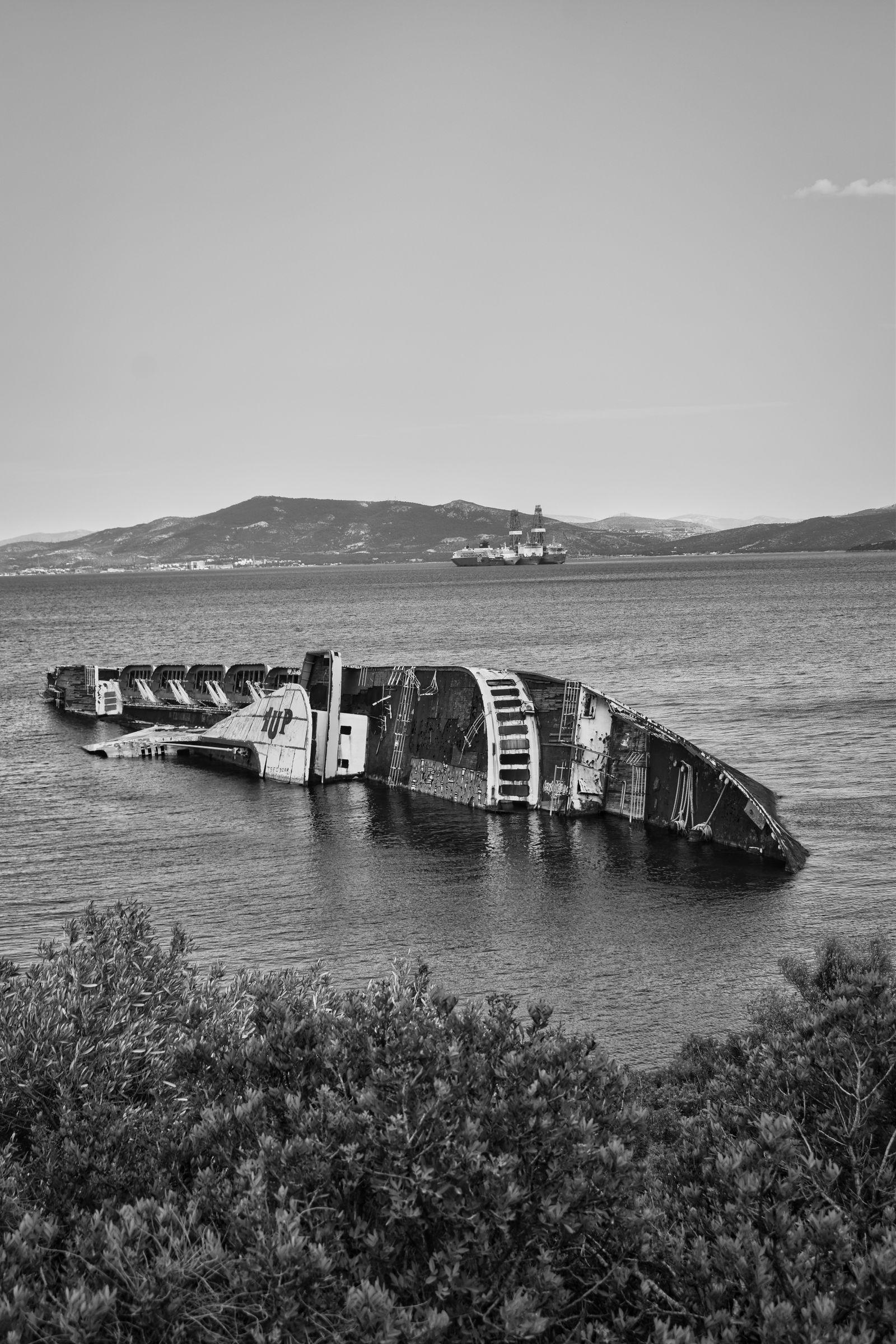
Golden Ray — Anatomy of a Stability Capsize
The Golden Ray capsized 40 minutes out of Brunswick in 2019 — a ballast-entry error, a $62.5M hull, and an $842M-plus wreck removal.
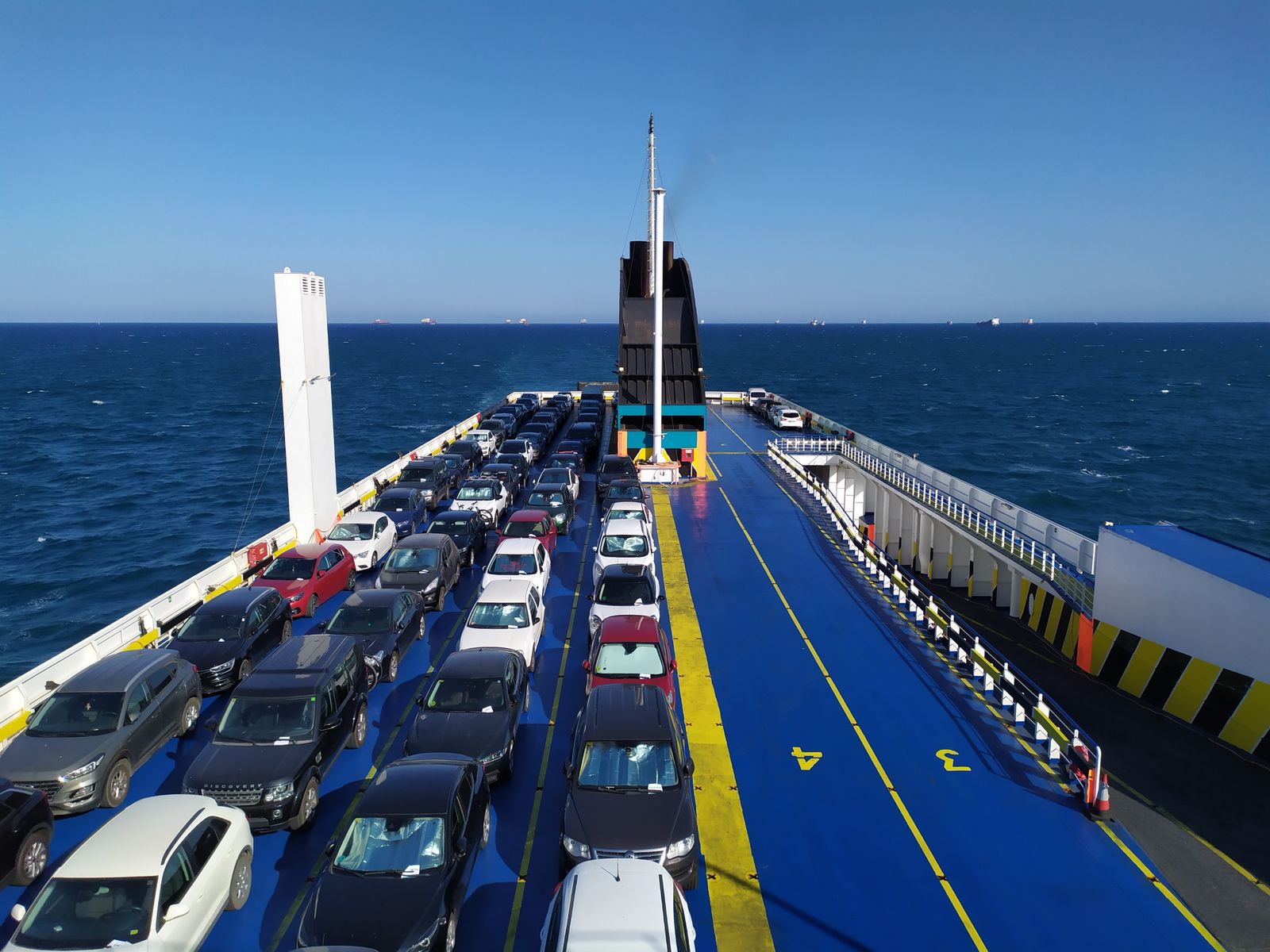
Are Heavier EVs Outgrowing the Car Deck?
EVs run 10–30% heavier than petrol cars, so a car deck can hit its weight limit before its space limit — and much of the fleet wasn't designed for it.

What the New Vehicle Loading Guidance Requires
ICS/IGP&I Common Guidance sets a booking-to-discharge data chain for vehicles: declared propulsion type, recorded SOC, and an OEM emergency guide.

Lashing the Cargo Isn't Protecting It
Lashing stops vehicles moving; it does nothing about ignition. With a 2026 PSC campaign on cargo securing, budget and drill the two separately.