
Is Wreck Removal a Car Carrier's Biggest Risk?
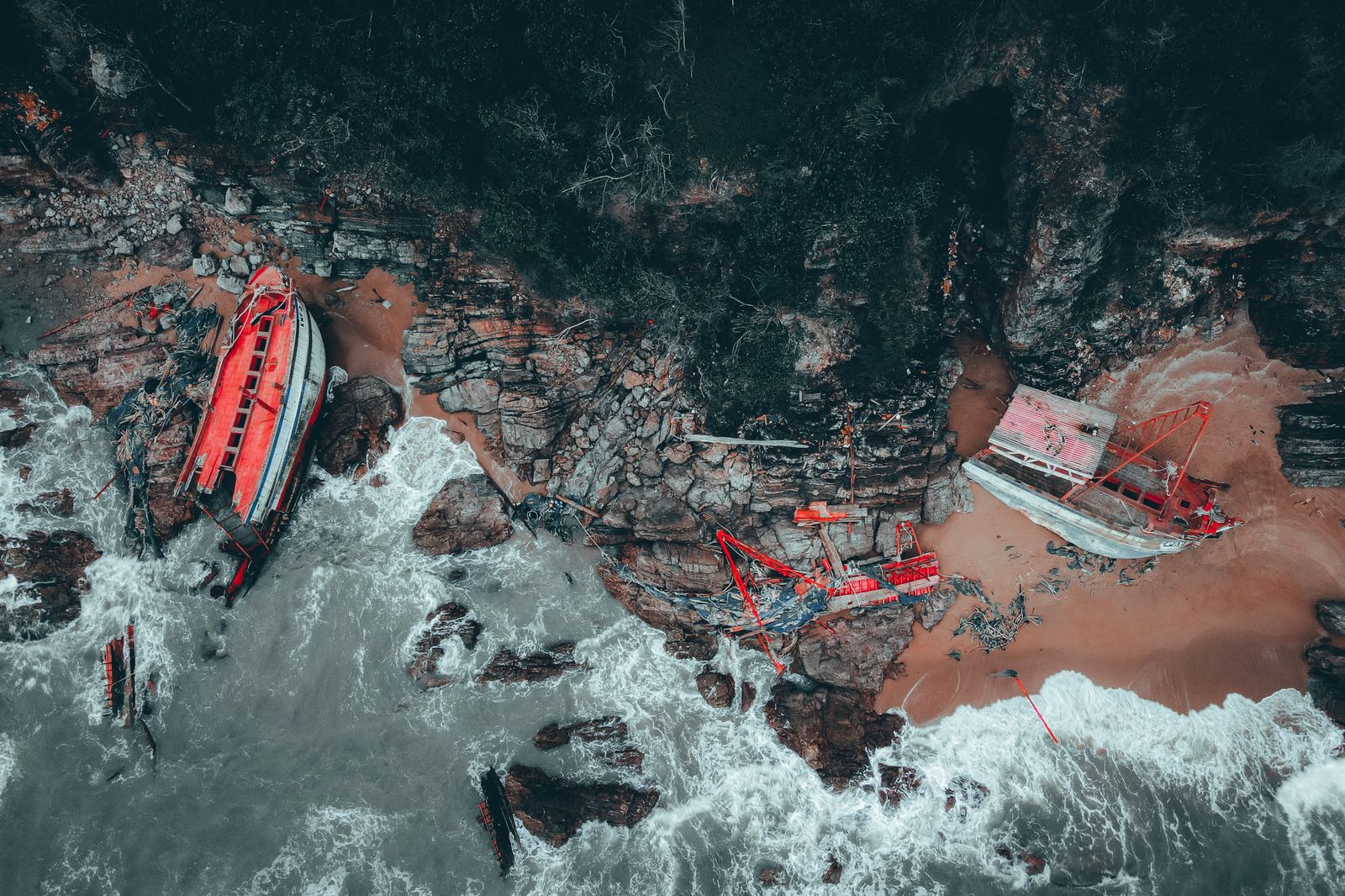
Under the Nairobi Convention, removing a wreck is strict-liability — and many states cap it at nothing. On Golden Ray it ran ~13x the hull value.
Often, yes. When a car carrier becomes a wreck, removing it is strict-liability under the Nairobi Convention — the owner is liable whether or not anyone was at fault — and in many states that liability is not subject to the usual tonnage cap at all. On the Golden Ray, wreck removal ran to about $842 million against a $62.5 million hull. On a car-carrier casualty, the wreck, not the ship, is the exposure.
Strict liability, no fault required
The Nairobi International Convention on the Removal of Wrecks, in force since 14 April 2015, makes the registered owner strictly liable for locating, marking and removing a wreck deemed a hazard — the first international instrument to combine strict liability, compulsory insurance and a direct right of action against the insurer. 'Strict' means the owner need not have been negligent; the liability attaches to being the owner of a hazardous wreck. Ships of 300 gross tonnes and above must carry a state-certified insurance certificate — in practice a P&I 'blue card' — evidencing cover for exactly this exposure. For a car carrier, whose fires and stability failures routinely produce total-loss wrecks, that is not a dormant clause; it is the live one.
Why the liability is often uncapped
The bigger surprise is that wreck-removal liability frequently cannot be limited. Under the LLMC — the Convention on Limitation of Liability for Maritime Claims — a shipowner can normally cap total liability by the ship's tonnage. But the LLMC lets states reserve out wreck-removal claims, and many have done so. Canada and Norway, among others, have excluded wreck removal from LLMC limitation, so a public authority's removal costs face no owner's liability cap, or a separate and higher one. There is no dedicated wreck-removal limitation fund. The result is a trap: the one liability most likely to be catastrophic on a car carrier is also the one most likely to be unlimited.
What Golden Ray showed
The Golden Ray put numbers on the theory. The 656-foot vehicle carrier capsized in St. Simons Sound in 2019 with more than 4,100 vehicles aboard; the hull was declared a total loss at $62.5 million and the cargo at $142 million, but the wreck removal alone was reported at about $842 million, and the full salvage-plus-cleanup bill exceeded $1 billion. Cutting the hull into eight sections over roughly two years cost more than thirteen times the value of the ship. That is the characteristic shape of a car-carrier wreck liability: the vessel is the small number on the page.
Why car carriers are the exposed class
Car carriers concentrate the conditions that trigger wreck removal. A large PCTC is a high-windage, multi-deck hull carrying thousands of vehicles; a fire or a stability failure turns it into precisely the hazardous wreck the Nairobi Convention targets — frequently in or near coastal waters and shipping lanes where a coastal state will order removal rather than leave it. The Convention extends the owner's removal liability out to the exclusive economic zone, up to 200 nautical miles from shore. Combine strict liability, a potentially uncapped exposure and a hull type prone to constructive total losses, and wreck removal becomes the single largest and least-controllable line item on the casualty.
What it means for owners and underwriters
For owners, the practical lesson is that hull value is a poor proxy for exposure: the wreck-removal liability behind it can dwarf the ship and, in many jurisdictions, run without a limit. That liability sits with P&I, funded through the International Group's pooling and reinsurance, which is why a car-carrier casualty is a P&I event as much as a hull one. For underwriters, it reframes what a fire is worth. The cheapest control on the entire chain is the one that stops a casualty from ever becoming a wreck — early detection that keeps a single-vehicle fault from escalating into the total loss that starts the removal clock.
How RoRoSAFE helps
Strict-liability wreck removal only arises if the ship is lost, and that is decided by how early the fire is caught. RoRoSAFE flags a battery event at a specific vehicle before visible smoke, while fixed suppression can still hold the fire to a small part of the deck. It is the cheapest point at which to cut the chain that ends in a Golden Ray-scale bill.
Pilot: one deck · installed alongside the berth · no drydock · 6 months of dashboard access
Sources
- IMO — Nairobi International Convention on the Removal of Wrecks, 2007 (in force 14 April 2015): strict liability of the registered owner, compulsory insurance for ships ≥300 GT, direct action against the insurer, and coverage extended to the exclusive economic zone — imo.org.
- IMO — Convention on Limitation of Liability for Maritime Claims (LLMC 1976 / 1996 Protocol): the reservation permitting States to exclude wreck-removal claims from the global limitation of liability.
- Skuld / UK P&I Club / Norton Rose Fulbright — insurer guidance on the Wreck Removal Convention: no separate wreck-removal limitation fund; States such as Canada and Norway excluding wreck removal from LLMC limitation, leaving owner liability unlimited or subject to separate higher limits.
- NTSB Marine Accident Report MAR-21/03 and Lloyd's List / TradeWinds — Golden Ray (2019): $62.5M hull loss, $142M cargo, ~$842M wreck removal, total salvage + cleanup above $1 billion.
Questions, answered
Who is liable for removing a shipwreck?+
Under the Nairobi Wreck Removal Convention (in force 2015), the registered owner is strictly liable for locating, marking and removing a wreck deemed a hazard — liable whether or not anyone was at fault. Ships of 300 gross tonnes and above must carry state-certified insurance (a P&I blue card) evidencing cover for that liability, and claimants have a direct right of action against the insurer.
Can wreck-removal liability be limited or capped?+
Often not. The LLMC normally lets an owner cap liability by tonnage, but it permits States to reserve out wreck-removal claims, and many — including Canada and Norway — have done so. In those jurisdictions the owner's wreck-removal liability is unlimited or subject to separate, higher limits. There is no dedicated wreck-removal limitation fund, so the biggest exposure is frequently the least capped.
How much did the Golden Ray wreck removal cost?+
About $842 million for the removal alone, with total salvage and environmental cleanup exceeding $1 billion — against a $62.5 million hull and $142 million in cargo. The 656-foot vehicle carrier, which capsized in 2019 with over 4,100 vehicles, was cut into eight sections over roughly two years. The removal cost more than thirteen times the value of the ship.
Why are car carriers especially exposed to wreck-removal liability?+
Because they concentrate the conditions that create a hazardous wreck: a large, high-windage, multi-deck hull carrying thousands of vehicles, prone to fires and stability failures that produce constructive total losses — often near coasts and shipping lanes where a State will order removal. Combined with strict liability and a frequently uncapped exposure, wreck removal becomes the largest and least-controllable line on the casualty.
Continue the thread
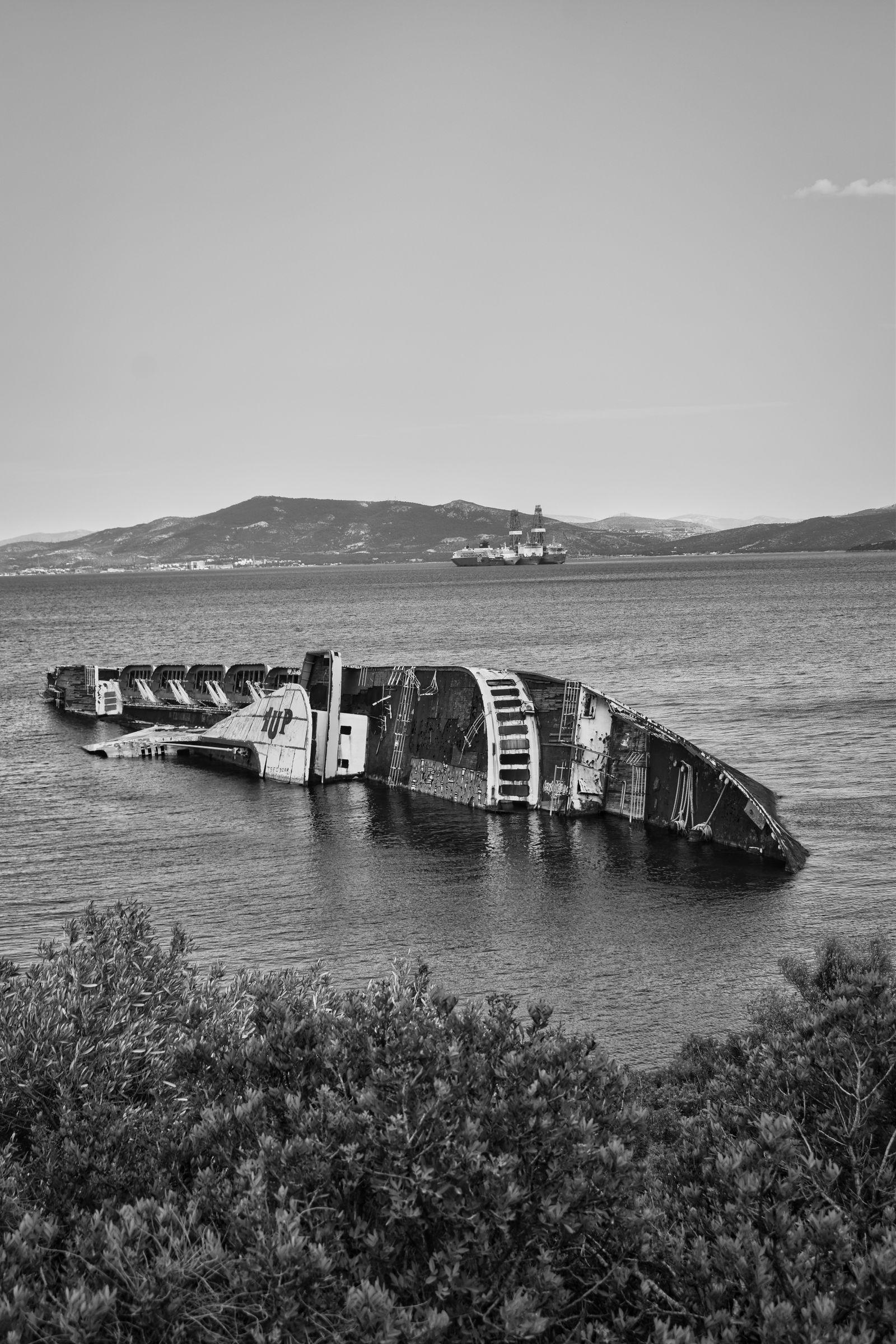
Golden Ray — Anatomy of a Stability Capsize
The Golden Ray capsized 40 minutes out of Brunswick in 2019 — a ballast-entry error, a $62.5M hull, and an $842M-plus wreck removal.

Does Detection Pay Back Against One Fire Loss?
Yes, lopsidedly. A single car-carrier fire runs into the hundreds of millions; a per-vessel detection retrofit is a fraction of one hull deductible.

General Average: The Cost Cargo Owners Miss
When a car carrier declares general average, cargo that survives pays its share. Standard cargo cover includes GA; self-insured cargo pays in full.
Can a Car Carrier Fire Hit the P&I Pool?
One car-carrier fire rarely breaks the reinsurance tower — but its wreck-removal and pollution tail climbs fast into the P&I pool every owner funds.