
Sorrento: The Reefer Fire the Wind Fed

In 2015 a reefer trailer fire on the ro-pax Sorrento, fed by wind through open sides, outran detection and drenchers. All 156 got off; the ship was lost.
Sorrento is the case where the fire was ahead of the ship from the first alarm. On 28 April 2015, a refrigerated trailer on the open Deck 4 of the Italian ro-pax caught fire about 20 nm off Mallorca. A crosswind blowing through the side openings fed it. By the time the smoke detectors and drenchers acted, it was beyond control. All 156 people got off and the ship was lost.
The Italian investigator, DIGIFEMA, found a fully compliant ship and a crew that managed the emergency well, and still the system was not enough. Its report reads as a list of the ways an open ro-ro deck defeats detection designed for enclosed spaces. It also adds a second instance, after Norman Atlantic, of drencher power lost to cables burning in the deckhead.
What happened
Sorrento, a 186 m, 25,984 GT ro-pax built in 2003, left Palma de Mallorca for Valencia at 09:55 UTC. It carried 46 crew, 106 passengers including one infant, four others and 123 trucks, about 80% of them heavy goods vehicles. Decks 3 and 4 were practically full. At 11:45 UTC, about two hours out and making 19 knots on a westerly course, a smoke detector alarmed at frame 168, starboard, forward on Deck 4. The crew found a lorry burning in the forward rows. The wind, force 4 from the north-west, was blowing almost straight across an open deck.
- 11:35:54–11:37:50 — the suspect reefer trailer's own telemetry logs its refrigeration unit disconnecting and reconnecting.
- 11:45 — smoke detector alarm, Deck 4 forward; the master is informed.
- 11:48 — fire confirmed on Deck 4; a six-person fire team under the chief officer is sent.
- 11:50 — drencher ordered for sections 13–15.
- 11:57 — fire reported on Deck 4 but under control.
- 12:07 — the fire team reports it cannot hold the fire: a lorry burning mid-deck, smoke spreading.
- 12:12 — distress signal; 12:15 — engine room reports a problem with the generators.
- 12:39 — ship abandoned. Landing of survivors in Palma completed at 18:00.
Where the fire started
In the gap between a lorry cab and its refrigerated trailer, and most likely in the reefer's electrical supply. The fire burned so hot for so long that fire-pattern analysis alone could not fix the cause. DIGIFEMA worked by exclusion and kept three candidates: a gas appliance used by an unauthorised person on deck, a fault in the ship's electrical system, and a malfunctioning electrical device on a vehicle. It rated the third highly probable. The ship's switchboards it could reach were undamaged with switches closed, which argued against a fault in the ship's own system.
The vehicle evidence pointed one way. During loading in Palma, drivers told the Spanish Guardia Civil that a lorry forward on Deck 4 was having trouble with the electrical connection to its refrigerated box. GPS data downloaded from the trailers' refrigeration units showed one trailer cycling on and off between 11:35:54 and 11:37:50, minutes before the alarm. Cuts through the deck above narrowed the origin to the space between the back of a Renault cab in row 2, aisle 4 and the front of the reefer hooked to it, a trailer carrying meat. The Guardia Civil attributed the fire to a malfunction in that trailer's cooling system.
Why detection and the drenchers lost the race
Because the deck was open, the wind was strong and the system was slow to act. DIGIFEMA concluded the fire was detected belatedly: the side openings, combined with the wind, let the fire grow so large that by the time it was detected neither the fire team nor the drencher could control it. Smoke was coming out of the side windows well before the general alarm. The CCTV was installed, as the rules then allowed, for security and to watch vehicle movements, and it did not give a complete view of the deck.
The drencher was then opened in the wrong area, over four sections; valves 15 to 18 were found manually opened. A few minutes later it became unusable when main power dropped, probably because fire damaged the exposed cables on the Deck 4 deckhead. The emergency fire pump alone could not deliver enough water. The fire team also struggled to move between closely stowed vehicles in full firefighting gear, though the spacing was within the rules. DIGIFEMA listed the aggravating factors: a long gap between detection, alarm and manual extinguishing, slow active protection, high fire load, combustibles close together, heavy ventilation, large compartment volume and no vertical subdivision.
The reefer problem the rules do not reach
Reefer trailers run on ship's power throughout the voyage, and nothing checks that their electrical equipment is safe. The report points out that reefers are certified under the ATP agreement and inspected every six years, but those checks do not cover the condition of the refrigeration unit's electrics, plugs and cables. Their diesel gensets, which must not run at sea, can also start automatically if ship's power is lost. In practice, the crew's only control is a visual inspection and perhaps an electrical check of the plug before connection. DIGIFEMA asked the European Commission to consider periodic certification of reefer units, checked at the ticket office.
What DIGIFEMA recommended
Detection designed for open decks, protected cables and a better record of what the alarms did. To Grimaldi Deep Sea, it recommended better garage patrols, especially before departure, and more frequent audits of stowage, lashing and reefer-socket connection. To IMO, it asked for a study of new solutions:
- Fire detection on garage decks placed, designed and calibrated for the hull openings, and an amendment to FSS Code chapter 9, paragraph 2.3.2.1, to specify smoke detectors for open ro-ro spaces.
- Measures on the side openings of open cargo decks to limit uncontrolled inflow of air.
- Alternative extinguishing or containment systems, such as water barriers or water mist.
- Improved passive protection of cables and circuits running through the garage, and redundant power to drencher pumps on existing ships.
- Mandatory video surveillance of garages with temperature detection, monitored continuously from the bridge and engine control room.
- VDR recording of engine-control-room audio and the full fire-detection alarm log; a minimum distance between lashed vehicles for firefighter access; and a cargo list complete enough to produce a cargo plan before departure.
Several of those points have since appeared in rules. Resolution MSC.550(108), in force for new passenger ships from 2026, requires individually identifiable detection and video monitoring in vehicle spaces, plus fixed water monitors on weather decks. Others, notably cable protection on existing ships and reefer electrical certification, remain largely with operators.
How RoRoSAFE helps
On Sorrento, smoke was leaving the ship through the side openings before the alarm system had the fire, and the wind kept that gap open. RoRoSAFE puts infrared thermal and battery-vent gas sensing under each parked vehicle, so the alert names the deck and bay at the vehicle rather than waiting for smoke to reach a deckhead detector. It complements SOLAS detection and drenchers, installs alongside the berth without drydock and holds no class type approval yet.
Pilot: one deck · installed alongside the berth · no drydock · 6 months of dashboard access
Sources
- 1. Italian Ministry of Infrastructure and Transport, Directorate General for Rail and Marine Investigations (DIGIFEMA), 3rd Division — "Fire on Board Ro-Ro Pax SORRENTO, 28 April 2015: Final Report" (English version, hosted by the Spanish Ministry of Transport), read in full: ship and voyage particulars (IMO 9264312, 186.35 m, 25,984 GT, 156 aboard: 46 crew, 106 passengers, 4 others; 123 trucks); casualty at 11:45 UTC about 20 nm west of Palma; VDR/ECR timeline to abandonment at 12:39; lifeboat and helicopter rescue; 14 lightly injured; tow to Sagunto on 5 May 2015; fire-cause analysis by exclusion under NFPA 921; reefer telemetry 11:35:54–11:37:50; origin between a Renault cab and its meat-carrying reefer in row 2, aisle 4; conclusions on late detection, side openings and wind, CCTV coverage, drencher opened in the wrong area and lost with main power, emergency fire pump insufficient; ~20 minutes detection-to-alarm and 30–35 minutes fire development; ATP inspection gap for reefer units; recommendations 004/2015-01 to -07.
- 2. Spanish Guardia Civil investigation, as summarised in the DIGIFEMA report: drivers' statements on a reefer connection problem at loading; cause attributed to a malfunction in a refrigerated truck's cooling system.
- 3. Spanish Comisión Permanente de Investigación de Accidentes e Incidentes Marítimos (CIAIM) — 2015 investigations list, SORRENTO, fire, 28/04/2015.
- 4. IMO Resolution MSC.550(108), in force 1 January 2026 — detection and video monitoring for vehicle spaces of new passenger ships. Covered with its source in the linked post on SOLAS II-2/20.
Questions, answered
What caused the Sorrento ferry fire?+
The most likely cause was an electrical malfunction in a refrigerated trailer on Deck 4. Drivers reported a connection problem on that lorry at loading, and the trailer's own telemetry logged its refrigeration unit cycling off and on minutes before the alarm. DIGIFEMA narrowed the origin to the gap between a Renault cab and its meat-carrying reefer, but fire damage prevented a definitive finding.
Why couldn't the crew put out the Sorrento fire?+
Deck 4 was open-sided, and a force 4 crosswind fed the fire through the openings. Detection came late, and about 20 minutes passed before the general alarm and drencher order. The drencher was opened over the wrong area and then failed when main power dropped, probably because fire damaged exposed deckhead cables. The emergency fire pump could not supply enough water.
How were Sorrento's passengers rescued?+
The master ordered abandon ship at 12:39 UTC. One lifeboat took 113 people and another 33 to the passing Italian ferry Puglia, with help from the Visemar One and a Spanish coast guard patrol boat. A helicopter lifted three crew from the bow and other crew were picked up from the water. All 156 survived and 14 had light injuries.
What did investigators recommend after the Sorrento fire?+
DIGIFEMA asked IMO to study detection designed and calibrated for open ro-ro decks, measures on side openings, and alternatives such as water mist or water barriers. It also asked for better passive protection of garage cables, redundant drencher pump power, video surveillance with temperature detection, and fuller VDR alarm recording. It called for periodic certification of reefer units' electrics.
Continue the thread
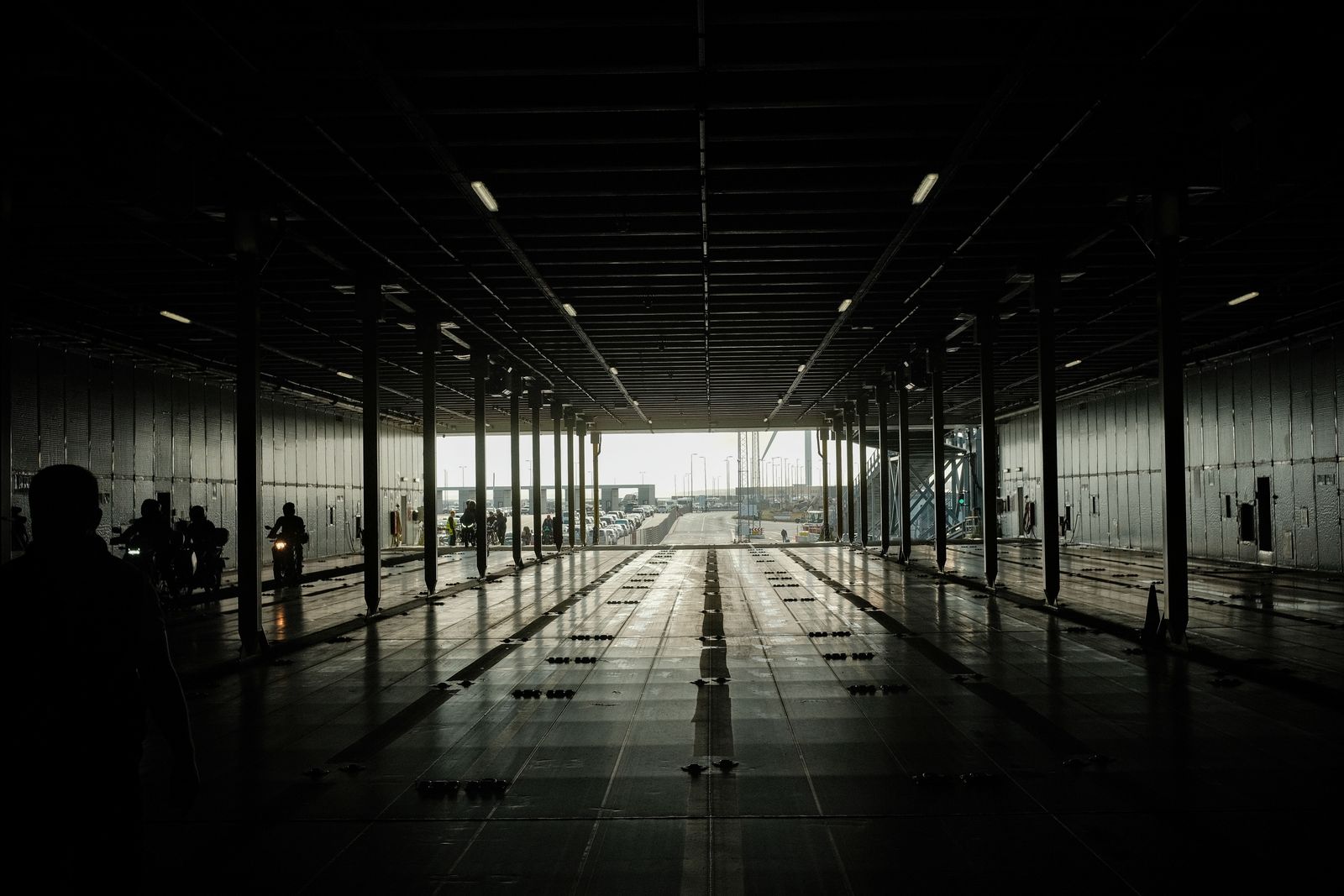
Norman Atlantic: Fighting the Wrong Deck
The 2014 Norman Atlantic fire killed around 31 people. The hold held 43 reefer trucks and 40 outlets, and the crew drenched the wrong deck.

Lisco Gloria: The Drencher That Gave No Water
The 2010 Lisco Gloria fire was detected within minutes and the drencher started — it delivered no water, and a 199 m DFDS ro-pax became a total loss.
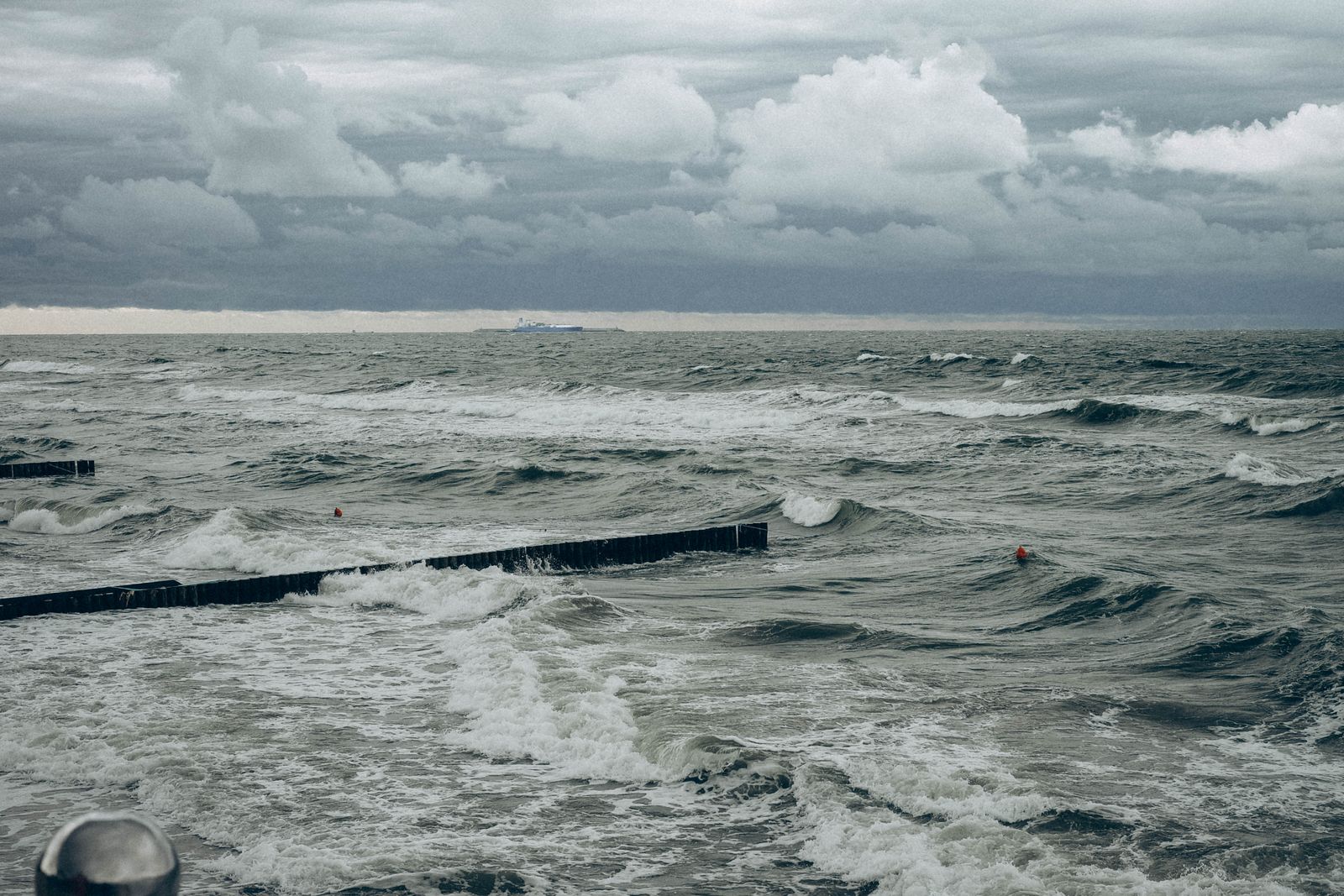
Can a Lorry Fire Black Out a Ferry?
It did on Stena Scandica. A 2022 lorry fire was out within an hour, but it burned unprotected cables overhead and left the ferry drifting for 6.5 hours.
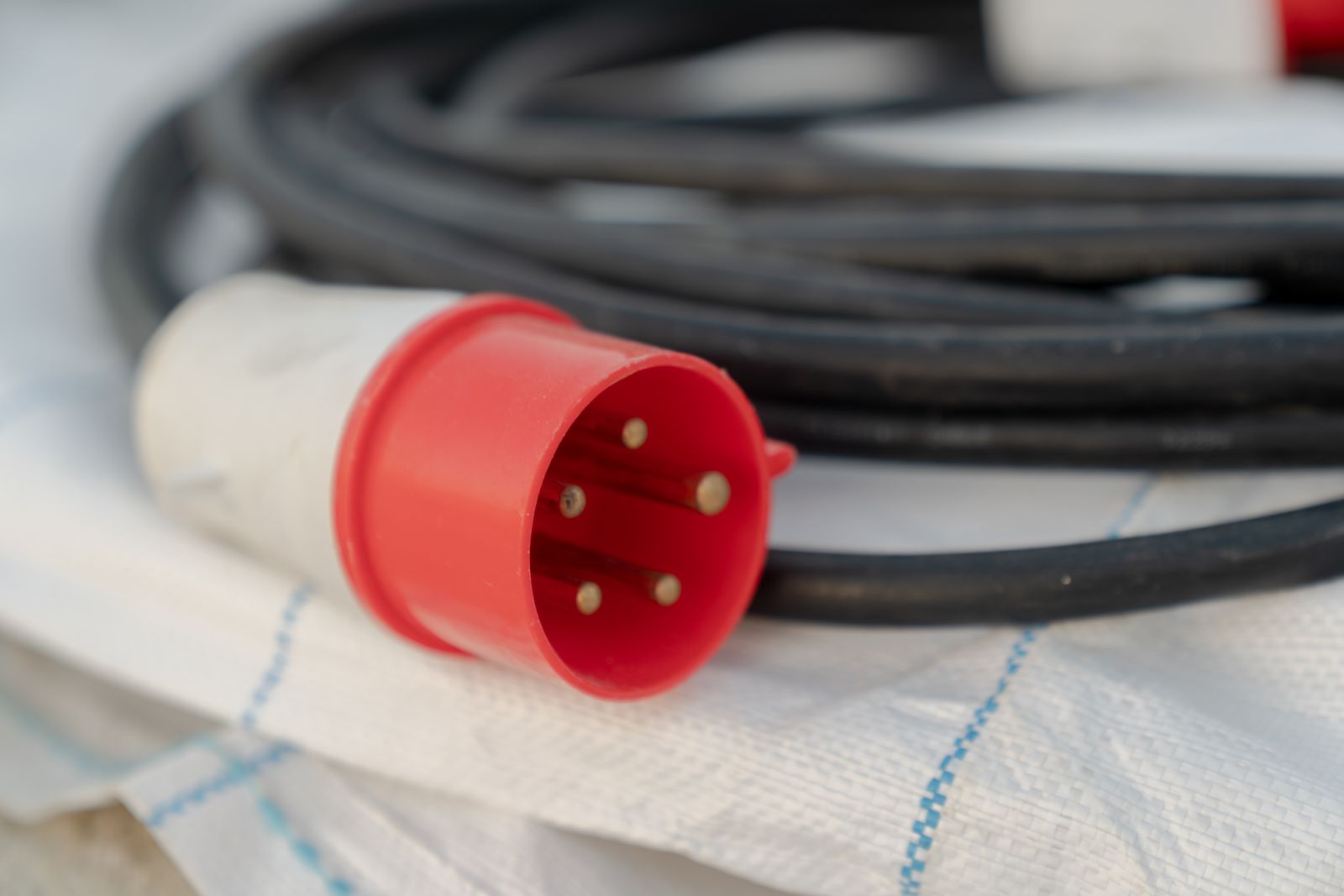
Are Reefer Trailers a Ferry's Hidden Fire Risk?
Yes. EMSA found reefer units the most fire-prone ro-pax cargo, and the weak point is often the plug and cable linking the trailer to the ship's power.
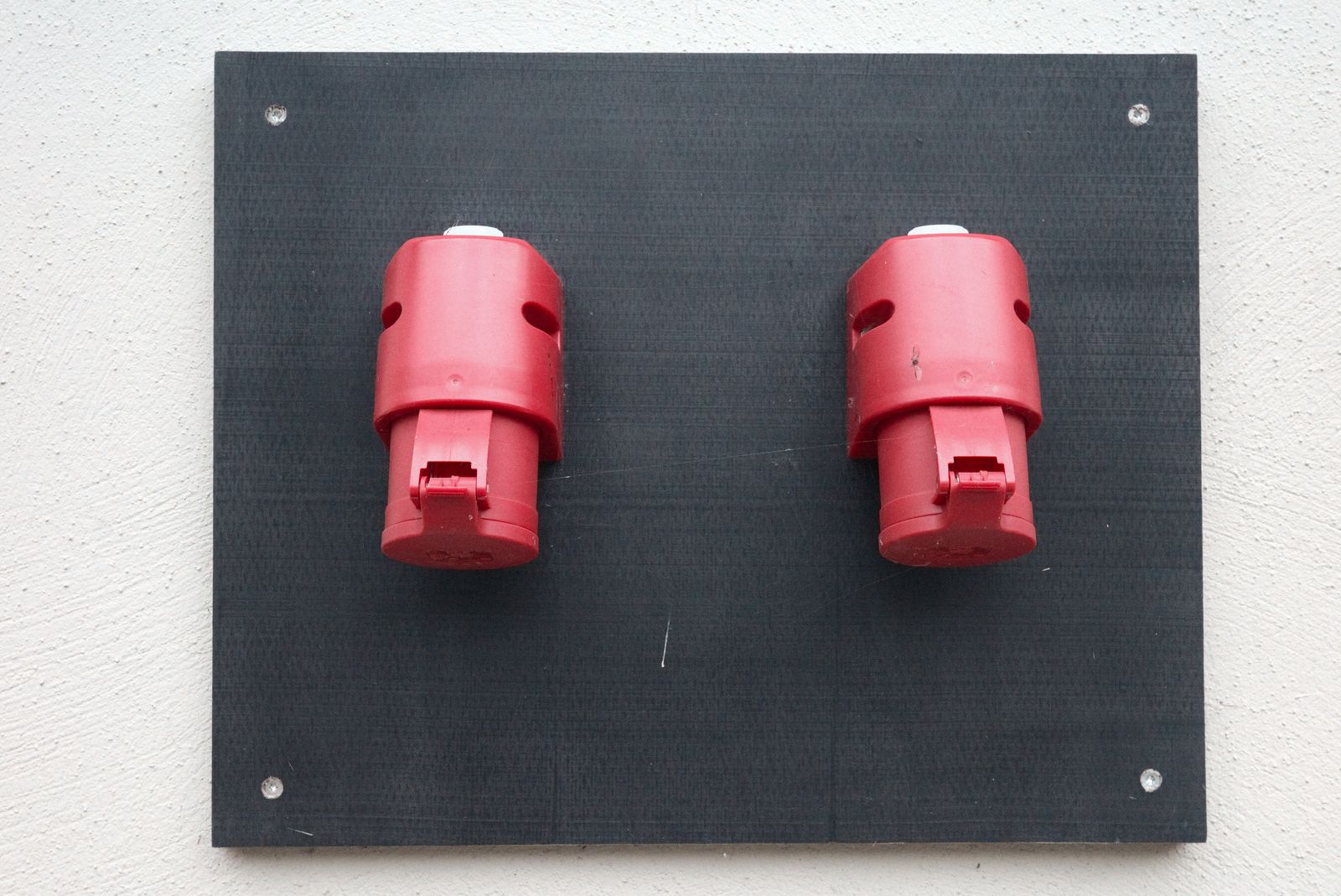
Scenario: Reefer-Socket Monitoring on a Ro-Pax
Reference scenario: monitoring 48 reefer sockets on a short-sea ro-pax for a season, and why a high-resistance joint under load never trips a breaker.

FIRESAFE II: Open-Deck Detection Lessons
EMSA's 2018 study full-scale tested two detection technologies, not five, and named ventilation as what both delays and displaces an alarm.

What Does SOLAS II-2/20 Ask of a Car Carrier?
Almost all of the 2026 amendment is written for passenger ships. A cargo ship gets one detection paragraph; the car-carrier package is still in draft.