
What Can Car Park Fires Teach Car Decks?
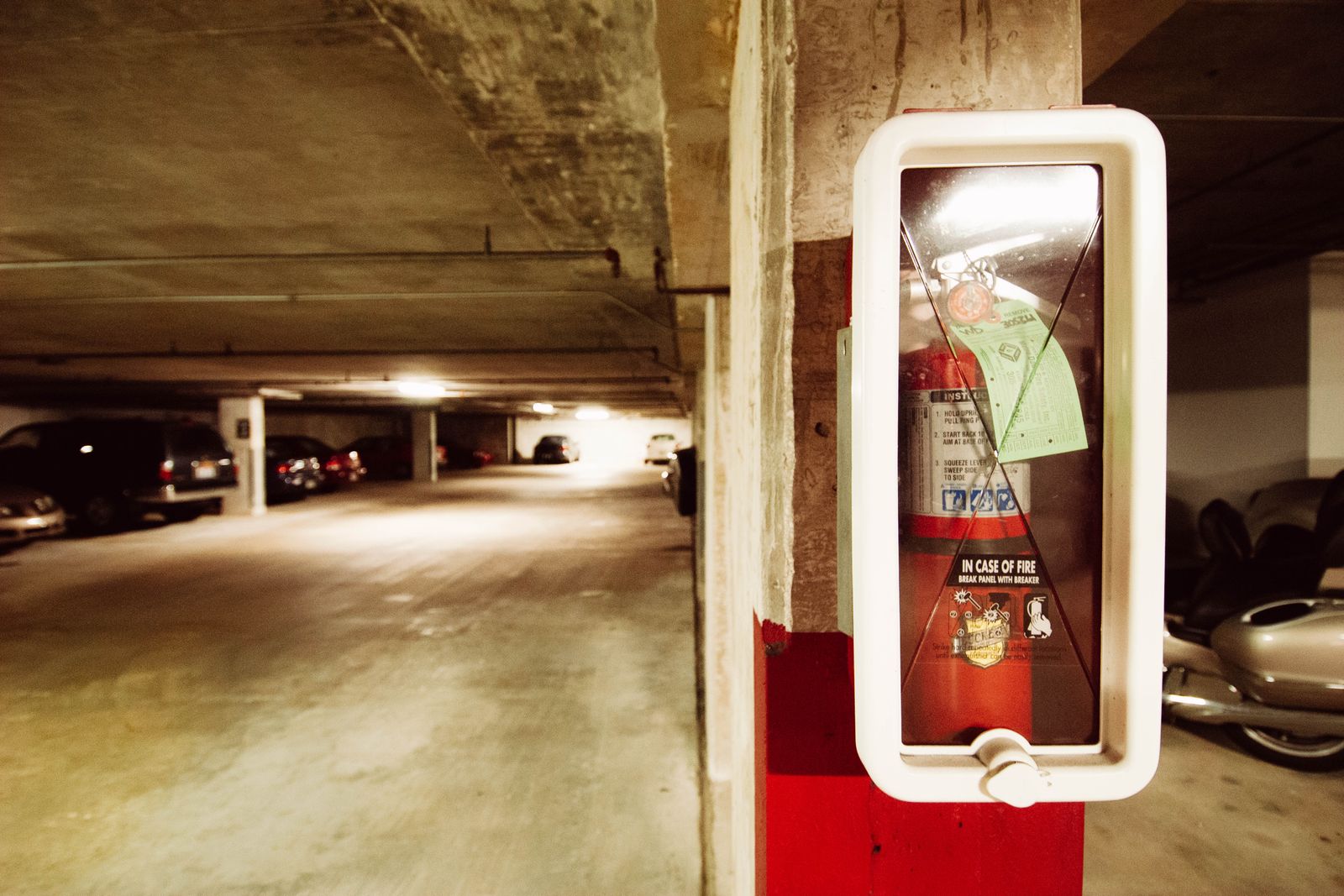
Luton, Liverpool and Stavanger each lost hundreds of cars to one diesel car fire. What those car park fires show about spread on a ship's car deck.
Onshore car park fires show that the first car is rarely the loss; the spread is. At London Luton Airport in October 2023, one diesel Range Rover Sport led to 1,352 vehicles burning and a partial collapse. Liverpool's Kings Dock car park lost up to 1,400 cars in 2017, and Stavanger airport more than 600 in 2020. A car deck packs vehicles tighter than any of them.
These fires matter to ship operators because they are the best-documented large vehicle fires anywhere. Each has an official fire-service or research-institute report, a known origin vehicle and a measured outcome. Car-deck fires rarely get that level of public investigation, and when they do, the ship is often lost with the evidence.
Three fires, one pattern
In all three, a single conventional car started a fire that spread vehicle to vehicle until the building failed. None of them began with an electric vehicle.
- Luton (2023). Bedfordshire Fire and Rescue Service found the most probable cause was an electrical fault or component failure in the engine bay of a diesel Range Rover Sport, which started while the car was being driven. More than 100 firefighters attended at the height of the incident.
- Liverpool (2017). The fire started in a car on the third floor of a car park holding about 1,600 cars, near capacity for an event, and went on to engulf seven floors. Merseyside Fire and Rescue Service said sprinklers would have given crews a much better chance of stopping it.
- Stavanger (2020). A 2005 diesel Opel Zafira caught fire in an open-sided car park with no sprinklers, which Norwegian rules did not require. A strong wind drove the spread. RISE Fire Research found electric vehicles did not contribute to fire development beyond what is expected from conventional cars.
Lesson one: spread decides the size of the loss
The first car is a routine event; the hundreds after it are the disaster. Car fires happen in car parks all the time and burn out as single vehicles. What turned these three into total losses was the time between ignition and effective intervention. Once several cars were involved, the heat was enough to ignite neighbours faster than crews could reach them.
A car deck is denser. New vehicles are commonly stowed on car carriers with about 30 cm bumper to bumper and 10 cm mirror to mirror, against a car park bay sized to open a door. The distance a fire must cross to reach the next vehicle is shorter, and so is the time to intervene before it does.
Lesson two: airflow drives the fire
Wind or forced ventilation can decide which way and how fast a vehicle fire spreads. At Stavanger, a strong wind through the open sides pushed the fire along the structure. On a ship, the equivalent is deck ventilation: open decks on ro-pax ferries take the weather, and closed decks run forced ventilation that feeds and steers a fire until it is shut down.
Lesson three: early suppression is what worked
Every report points to early automatic suppression as the missing control. Bedfordshire's Chief Fire Officer, Andy Hopkinson, cited property loss about 95% lower with sprinklers than in an uncontrolled fire, and the service's report called for sprinklers to be mandatory in multi-storey car parks. Ships are already ahead here: SOLAS requires fixed fire-extinguishing systems in vehicle spaces. What decides the outcome at sea is how quickly the crew knows where to release them.
Where the car park analogy breaks down
A ship has no fire brigade coming. Luton had more than 100 firefighters and Stavanger about 70, working from outside the structure. Mid-ocean, the crew is the fire service, and the car deck is a steel box they may not be able to enter. Firewater also has a cost a car park never pays: water that stays on a car deck reduces the ship's stability.
The car park reports also answer a question the maritime debate keeps asking. None of these three fires started in an EV. IUMI's position since 2023 is the same for ships: battery EV fires are not more frequent than fires in conventional vehicles, but they are harder to fight. The planning case is vehicle-to-vehicle spread from any powertrain, found as early as possible.
What operators should take from the car park reports
- Plan for spread, not for the first vehicle. Response plans should assume the time to intervene is minutes, and shorter on a dense deck.
- Treat loading as a high-risk window. The Luton car ignited in motion; ro-ro loading is the ship's version of that moment.
- Include ventilation in the fire plan. Know who shuts it down, when, and what it does to the fire before then.
- Make the release decision fast. Fixed suppression only helps if the crew knows which zone to release, and when.
How RoRoSAFE helps
The car park fires show that losses grow with the minutes between the first car and the first intervention. RoRoSAFE shortens that interval on a car deck. A thermal and battery-vent gas sensor cell sits under each parked vehicle and alerts the bridge and shore to the specific deck and bay before visible smoke, so the crew knows where to act. It complements your SOLAS detection and fixed suppression; it does not replace them.
Pilot: one deck · installed alongside the berth · no drydock · 6 months of dashboard access
Sources
- 1. Bedfordshire Fire and Rescue Service — Significant Incident Report, London Luton Airport Car Park 2 fire (published 9 October 2024): 1,352 vehicles involved, partial structural collapse, 100+ firefighters at peak; recommendations for mandatory sprinklers in multi-storey car parks; Chief Fire Officer Andy Hopkinson on ~95% lower property loss with sprinklers.
- 2. Bedfordshire Fire and Rescue Service — 'Fire at airport car park started accidentally': most probable cause an electrical fault or component failure in the engine bay of a diesel Range Rover Sport, which started while the vehicle was in motion.
- 3. Merseyside Fire and Rescue Service — Kings Dock Car Park fire, Significant Incident Report and Incident Investigation Team report (31 December 2017): fire began in a car on the third floor; up to 1,400 vehicles destroyed; car park capacity about 1,600.
- 4. CROSS-UK — Safety Alert 'Fire in multi-storey car parks': the Liverpool fire was unprecedented in scale because the initial fire in one car rapidly spread to others.
- 5. RISE Fire Research — 'Evaluation of fire in Stavanger airport car park 7 January 2020' (RISE Report 2020:91): origin a 2005 diesel Opel Zafira; electric vehicles did not contribute to fire development beyond what is expected from conventional vehicles.
- 6. European Fire Sprinkler Network — Stavanger Sola car park fire: open-sided five-storey car park, no sprinklers (not required for open-sided car parks in Norway), wind-driven spread, about 70 firefighters working from outside.
- 7. SAFETY4SEA — 'The carriage, stowage and safety of electric vehicles': new vehicles stowed with about 30 cm bumper to bumper and 10 cm mirror to mirror on car carriers.
- 8. IUMI — position paper on electric vehicle fires on ro-ro vessels (September 2023): battery EV fires not more dangerous or more frequent than fires in conventional vehicles.
Questions, answered
How many cars burned in the Luton Airport car park fire?+
Bedfordshire Fire and Rescue Service's report found the fire on 10 October 2023 spread to involve 1,352 vehicles and caused a partial collapse of the car park. The most probable cause was an electrical fault in the engine bay of a diesel Range Rover Sport that started while it was being driven. More than 100 firefighters attended at the peak.
Did electric vehicles cause the big car park fires?+
No. The Luton fire started in a diesel Range Rover Sport, and the Stavanger fire in a 2005 diesel Opel Zafira. RISE Fire Research found electric vehicles did not contribute to the Stavanger fire beyond what is expected from conventional cars. The common factor in all three large fires was vehicle-to-vehicle spread, not the powertrain of the first car.
Why is a car deck more exposed than a car park?+
Vehicles are packed more tightly, commonly about 30 cm bumper to bumper and 10 cm mirror to mirror on car carriers, so fire has less distance to cross. There is also no outside fire service at sea. The crew must find and fight the fire themselves, and firewater left on the deck affects the ship's stability.
What is the main lesson for ship operators?+
The size of the loss is set by the time between the first car igniting and the first effective intervention. In all three car park fires, one conventional car spread to hundreds. On a denser car deck, that interval is shorter, so finding the right deck and bay early, and releasing fixed suppression promptly, matter more than they do ashore.
Continue the thread
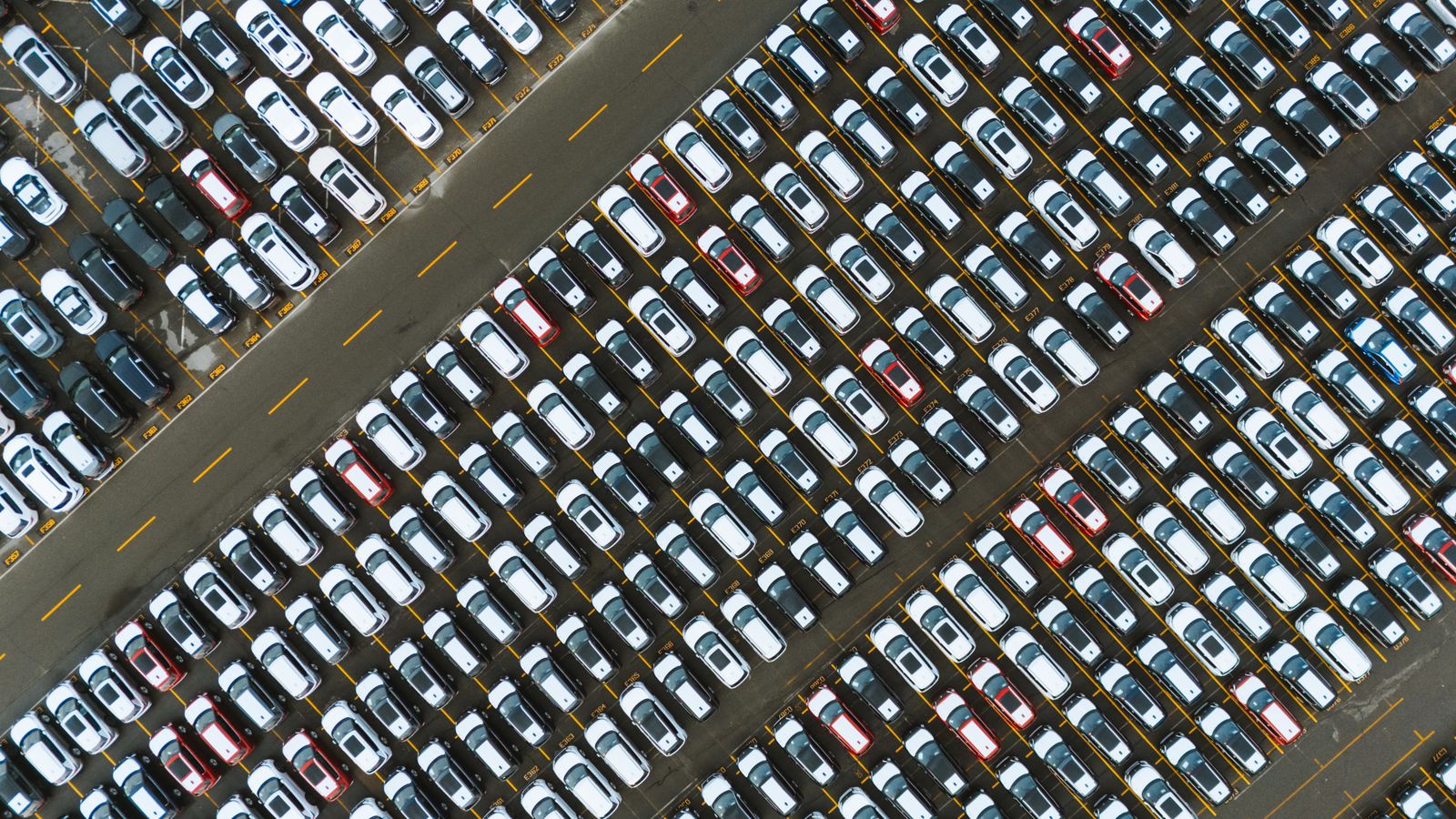
Can One EV Fire Take the Whole Car Deck?
Yes — radiant heat bridges car-to-car across a tightly packed deck, so an EV thermal runaway rarely stays one vehicle. Loss size is a spread problem.
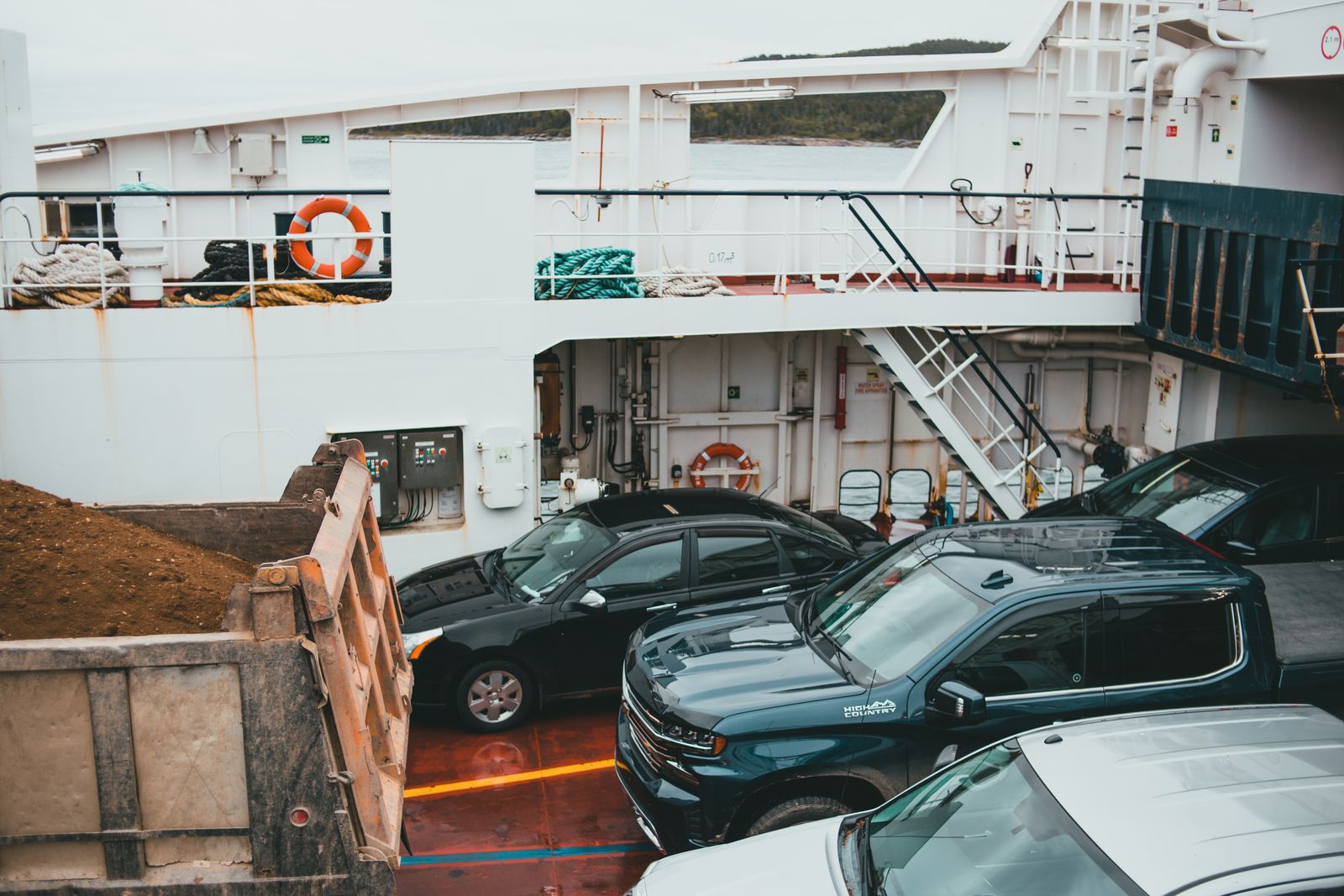
How Fast Does a Car-Deck Fire Spread?
Full-scale tests show fire reaches the next car in ~20 minutes, and deck spacing is tighter than a parking lot. That spread time is your detection budget.
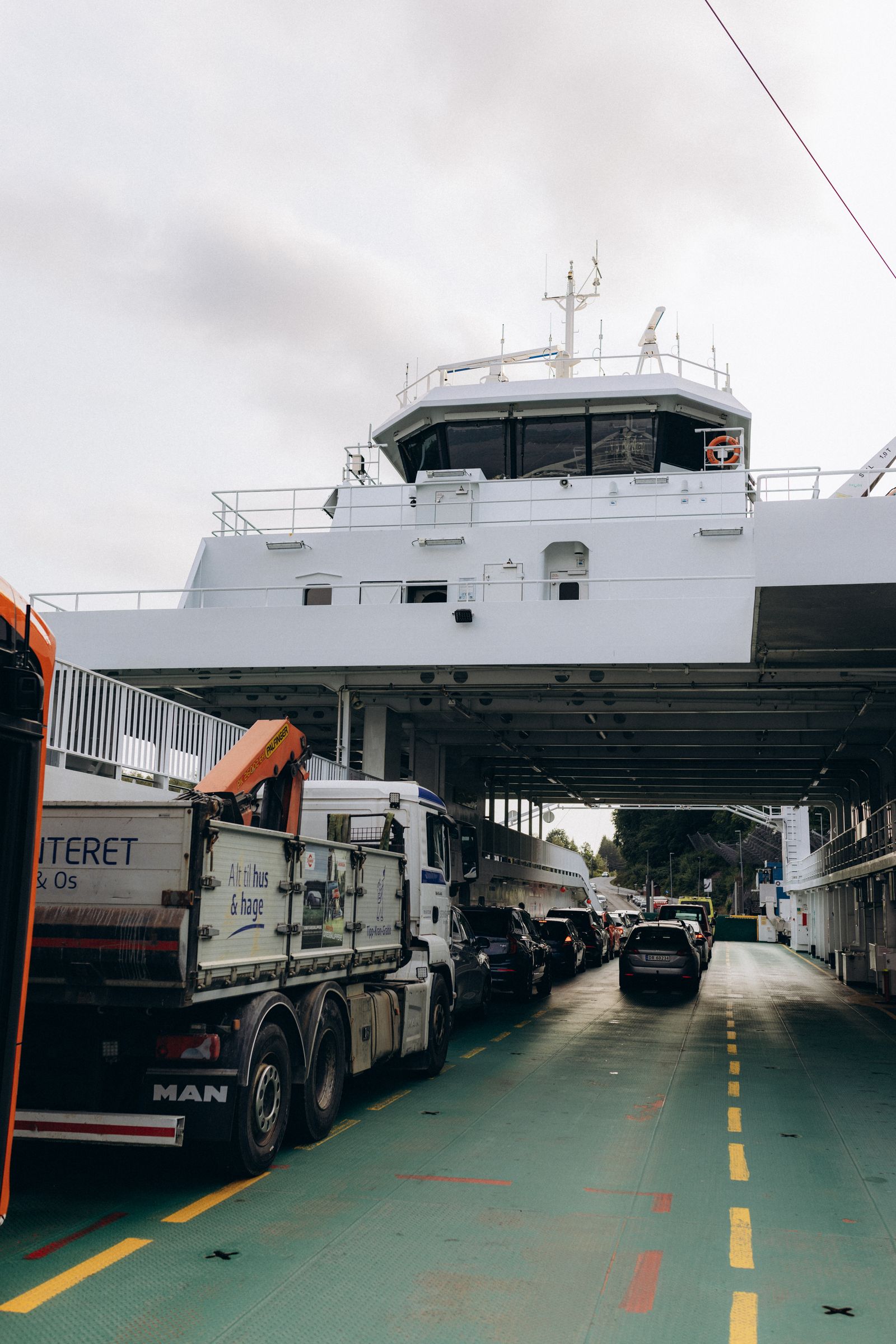
Is Fire Detection Off While the Ship Loads?
Usually, yes — smoke sections are muted while loading. From 2026 the FSS Code allows it but keeps heat detection on; 1 in 4 ro-ro fires start in port.

Who Fights a Mid-Ocean Car-Carrier Fire?
Often no one, for days. The Morning Midas burned for six days before the first tug arrived and twelve before a firefighting tug did — then it sank.
Do Drencher Systems Stop an EV Deck Fire?
Fixed water drencher and mist systems can't extinguish a sealed battery pack — but full-scale tests show a correctly run drencher contains an EV deck fire.