
Is There a Charter Clause for EV Cargo?
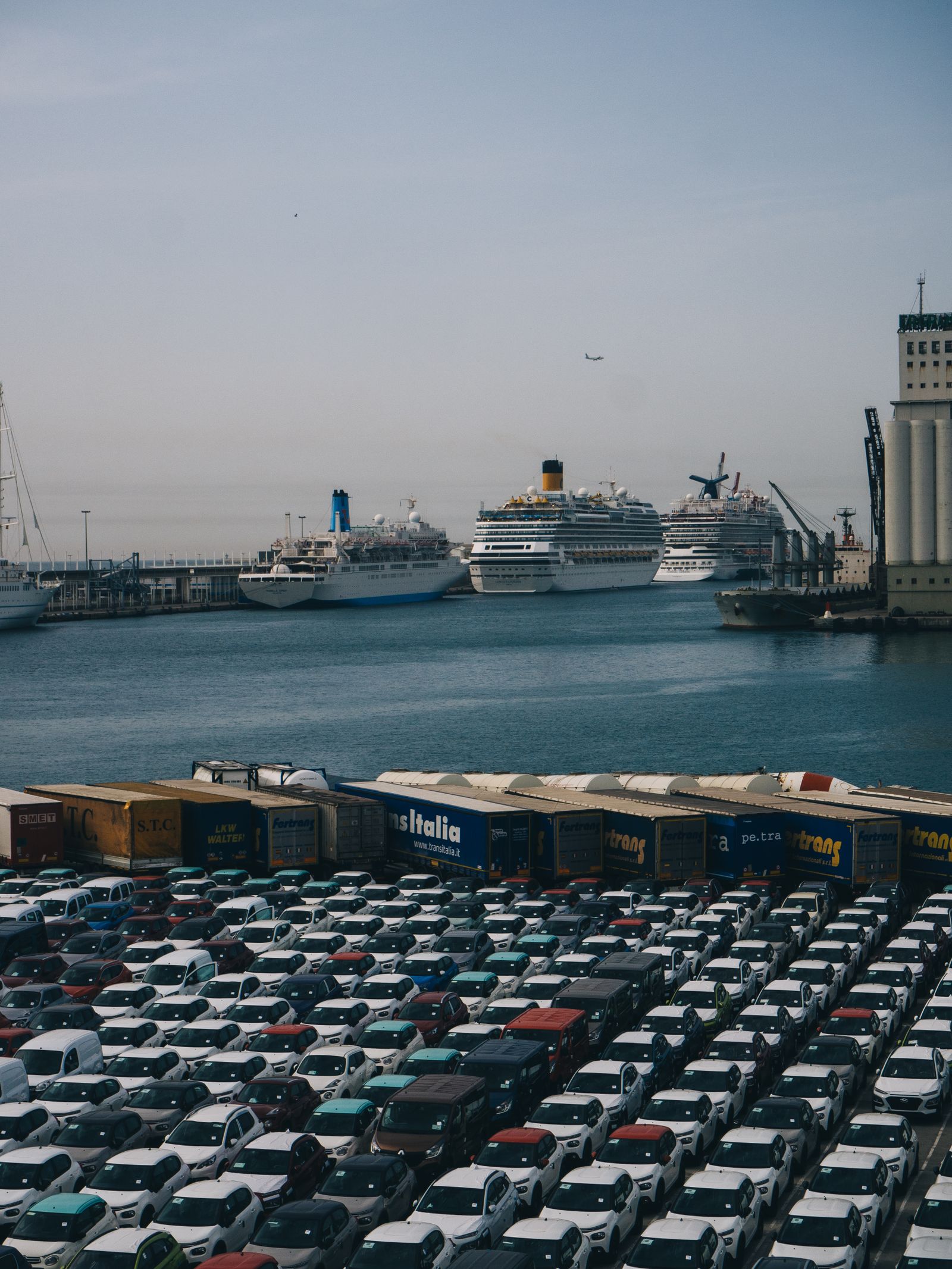
Not yet. BIMCO's Carriage of Electric Vehicles Clause 2026 is only in drafting, so EV fire risk on car carriers still sits in bespoke riders.
Not as a standard form — not yet. BIMCO's Documentary Committee only began drafting a dedicated suite of EV carriage clauses in December 2025, and the Carriage of Electric Vehicles Clause 2026 is expected to publish before the end of this year. Until it lands, the largest new cargo risk on a car carrier is allocated by bespoke riders, house terms and default law written for a cargo that did not exist.
What BIMCO is actually drafting
A unified contractual foundation for EV carriage, designed to work back-to-back down the chain. At its meeting on 11 December 2025 the Documentary Committee confirmed a subcommittee was embarking on a suite of dedicated standard clauses for the transport of electric vehicles on ro-ro vessels and car carriers, with containerised carriage and stationary Battery Energy Storage Systems to follow. The scope covers EVs, hybrids, plug-in hybrids and BESS, and the drafting group is deliberately mixed — shipowners, charterers, car and battery manufacturers, P&I clubs and legal experts. Industry consultation opened in April 2026 and the clause returned to the Committee at its 29–30 April session in Copenhagen, described there as a novel contractual project rather than a revision of an existing form.
That composition is the tell. A clause negotiated only between owners and charterers would allocate loss. One that includes the manufacturers and the clubs is trying to allocate information — who declares chemistry, who states a charge level, who warrants condition, and what the ship may refuse.
What a fixture relies on in the meantime
Three instruments, none of which were designed for a deck of lithium packs. The first is the Hague-Visby fire exception at Article IV Rule 2(b), which relieves the carrier of loss caused by fire absent its actual fault or privity. The second is the Article IV Rule 6 dangerous-goods indemnity, under which a shipper who ships dangerous goods without disclosing their nature is strictly liable to the carrier and the cargo may be landed or destroyed. The third, where the charter incorporates it, is the Inter-Club Agreement — clause 8 apportions cargo claims mechanically between unseaworthiness on one side and loading, stowage and handling on the other. Everything else is whatever rider the parties negotiated.
Why the default position is weaker than it reads
Because both carrier defences are conditional on the carrier's own conduct, and one of them barely engages at all. Article IV Rule 6 assumes a shipper failed to disclose a dangerous good — but on a ro-ro with flag-approved vehicle spaces, IMDG Special Provision 961 places the vehicle outside the Code entirely, so there is often no declaration duty to breach. A shipper who told you nothing may have owed you nothing. Meanwhile the fire exception and the Rule 6 indemnity both sit behind the overriding obligation to exercise due diligence to make the ship seaworthy: inadequate detection on the deck, or crew unable to work the fire plan, and the shipper's silence stops rescuing the owner's position.
The Höegh Xiamen is the worked example. The NTSB traced the 4 June 2020 Jacksonville fire to an improperly disconnected vehicle battery — a shore-side failure — yet a USCG sample of 59 loaded vehicles found none secured to the time charterer's own procedure, and the loss ran to the vessel plus 2,420 used vehicles. When the procedure exists but no contract makes anyone verify it, the finding lands on the party that could not prove diligence.
What to write into a fixture before the clause lands
Treat the interim rider as an information contract, not a liability contract, and keep it consistent with what BIMCO is likely to standardise. The gaps worth closing now are the ones the regulation does not fill: SP 961 requires no chemistry, no state of charge and no damage history, and even the new Special Provision 980 — voluntary from 1 January 2027, mandatory from 1 January 2028 — creates a consignor duty to assess condition without a matching duty to transmit what was found. A rider is currently the only route from the terminal gate to the master's cargo knowledge.
- Declaration warranties: chemistry, a stated state-of-charge ceiling, and a flood or accident-damage declaration for used units, warranted by the shipper rather than assumed by the booking.
- An express right to refuse or land a unit that fails condition screening, with the cost consequence stated — the Rule 6 right is not a reliable substitute where SP 961 has removed the declaration duty.
- A seaworthiness annex naming the detection and response capability the owner will maintain, so due diligence is evidenced by a term rather than argued after the casualty.
- Back-to-back drafting down to the sub-charter and the booking note; a warranty that stops at the head fixture leaves the party holding the cargo interface with none of the protection.
- A knock-for-knock or indemnity trigger tied to declaration failure, not to fire causation — causation on a burnt vehicle deck is frequently never established.
- For underwriters: ask to see the rider. An operator contracting for chemistry and SoC is a materially different risk from one relying on the fire exception.
What the clause will and will not settle
It will settle the vocabulary, which is not a small thing — a standard form ends the per-fixture argument about what an EV is, who declares it, and what the ship may refuse, and it gives P&I clubs a consistent wording to underwrite against. What it will not do is import a duty the IMDG Code has not created. A contract can compel a shipper to state a state of charge; it cannot verify one. The verification layer stays operational, and on a deck where the manifest is a vehicle count, per-vehicle thermal and off-gas detection is the only party actually checking the cargo after the ramp closes.
How RoRoSAFE helps
Until BIMCO's clause lands, a fixture has to write its own EV terms, and a detection obligation is one of the few that both sides can check. RoRoSAFE's per-vehicle monitoring produces tamper-evident event logs and export-ready reports that owner and charterer can both see. That turns 'reasonable fire precautions' into something measurable.
Pilot: one deck · installed alongside the berth · no drydock · 6 months of dashboard access
Sources
- 1. BIMCO — 'Documentary Committee adopts new clauses and sets 2026 priorities' (12 December 2025, meeting of 11 December 2025): a subcommittee is embarking on drafting a suite of dedicated standard clauses for the transportation of electric vehicles on board ro-ro vessels and car carriers, with containerised transportation and stationary Battery Energy Storage Systems to follow — bimco.org.
- 2. BIMCO — 'What we are working on': project to develop a suite of dedicated standard clauses for the carriage of electric vehicles and batteries on board ro-ro and container vessels, covering EVs, HEVs, PHEVs and BESS; subcommittee comprises shipowners, charterers, car and battery manufacturers, P&I clubs and legal experts; expected publication 2026 — bimco.org.
- 3. BIMCO — 'Documentary Committee meets on 29 and 30 April' (2026, Copenhagen): the Standard Clause for Carriage of Electric Vehicles is on the agenda and is described as a novel contractual project — bimco.org.
- 4. Hill Dickinson — 'Legal considerations when transporting electric vehicles by sea': Article IV Rule 2(b) fire exception applies absent actual fault or privity; the Article IV Rule 6 dangerous-goods indemnity requires the carrier first to demonstrate due diligence to make the ship seaworthy; where the charter incorporates the Inter-Club Agreement, clause 8 apportions cargo claims between unseaworthiness and stowage/handling — hilldickinson.com.
- 5. NTSB — Marine Accident Report MAR-21/04, 'Fire aboard Vehicle Carrier Höegh Xiamen' (Jacksonville, 4 June 2020): fire originated from an improperly disconnected vehicle battery; a USCG sample of 59 loaded vehicles found none with batteries secured to the time charterer's procedure; vessel and 2,420 used vehicles lost, approximately $40M — ntsb.gov.
- 6. IMDG Code Special Provisions 961 and 980: SP 961 places vehicles carried on ro-ro ships with flag-approved vehicle spaces outside the Code where its conditions are met; new SP 980 requires consignors to assess vehicle safety condition before shipment, in Amendment 43-26, voluntary from 1 January 2027 and mandatory from 1 January 2028 — imo.org / bimco.org.
- 7. Companion RoRoSAFE analysis — 'Who Declares an EV as Dangerous Cargo?' (why SP 961 leaves no declaration to breach), 'Detection Retrofit: Who Pays, Owner or Charterer?' (the capex side of the same fixture), and 'Does an EV Fire Make a Ship Unseaworthy?' (why due diligence decides whether the shipper's failure helps the owner).
Questions, answered
Is there a BIMCO clause for carrying electric vehicles?+
Not published yet. BIMCO's Documentary Committee began drafting a dedicated suite of EV carriage clauses in December 2025, and the Carriage of Electric Vehicles Clause 2026 — covering EVs, hybrids, plug-in hybrids and battery energy storage systems on ro-ro and car carrier trades — is expected to publish before the end of 2026. Clauses for containerised carriage follow after that.
How is EV fire risk allocated in a charterparty today?+
By bespoke riders sitting on top of default law. The Hague-Visby fire exception at Article IV Rule 2(b) relieves the carrier absent actual fault or privity; Article IV Rule 6 makes an undisclosed dangerous-goods shipper strictly liable; and where incorporated, Inter-Club Agreement clause 8 apportions cargo claims between unseaworthiness and stowage or handling. None of the three was drafted with lithium packs in mind.
Does Article IV Rule 6 protect an owner after an EV fire?+
Less than it appears. On a ro-ro with flag-approved vehicle spaces, IMDG Special Provision 961 puts the vehicle outside the Code, so there is frequently no declaration duty for the shipper to breach. Rule 6 also sits behind the overriding obligation to exercise due diligence to make the ship seaworthy — weak detection or untrained crew, and the shipper's silence stops helping the owner.
What should owners put in an EV rider before the standard clause lands?+
Terms that move information, not just liability: shipper warranties on cell chemistry, a stated state-of-charge ceiling, and a flood or damage declaration for used units; an express right to refuse or land a failing unit with the cost consequence stated; a seaworthiness annex naming detection capability; and back-to-back drafting down to the booking note so no party holds the cargo interface unprotected.
Continue the thread
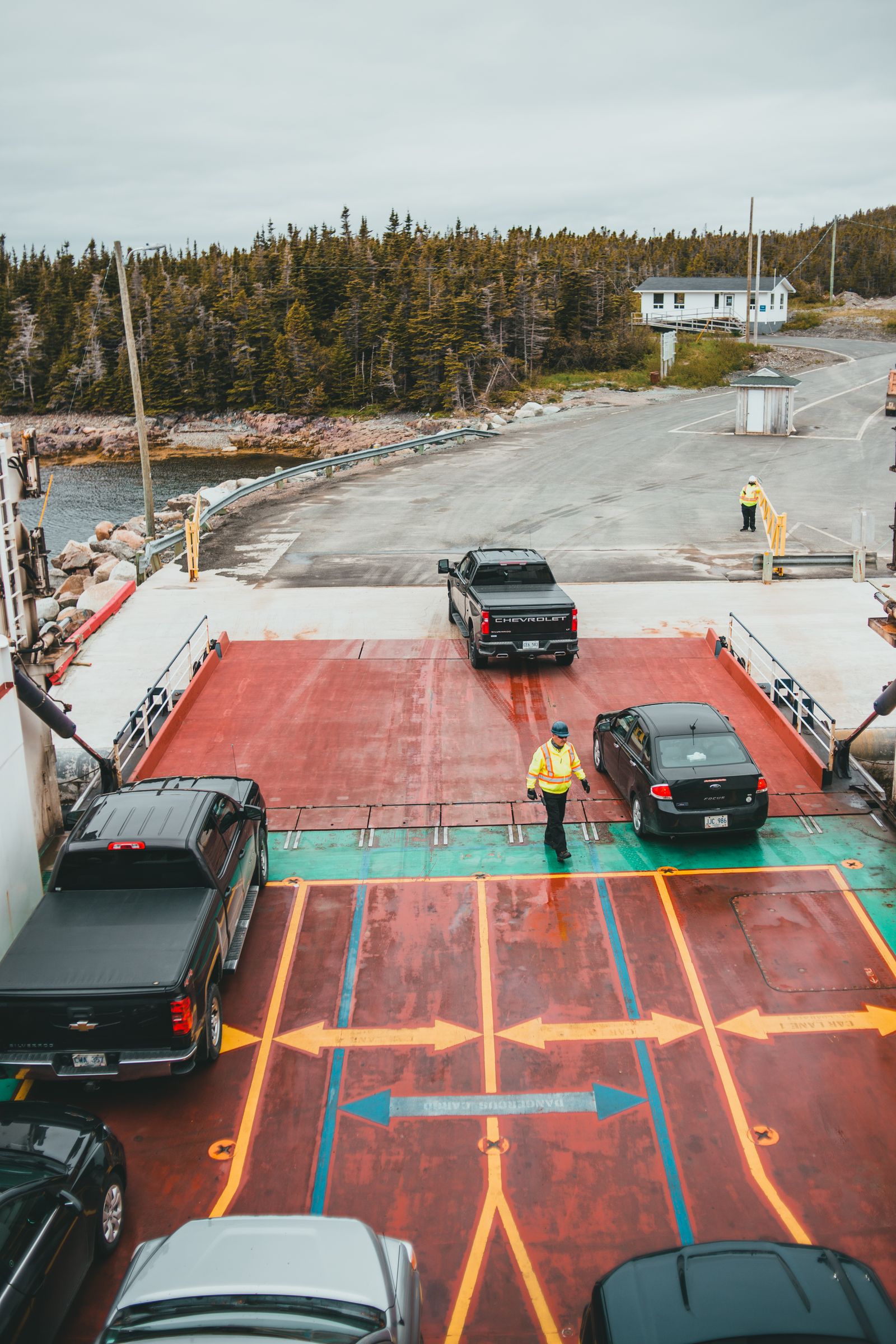
Who Declares an EV as Dangerous Cargo?
On a ro-ro, Special Provision 961 means an EV is not dangerous goods. So the ship gets no chemistry, no state of charge, no damage history.
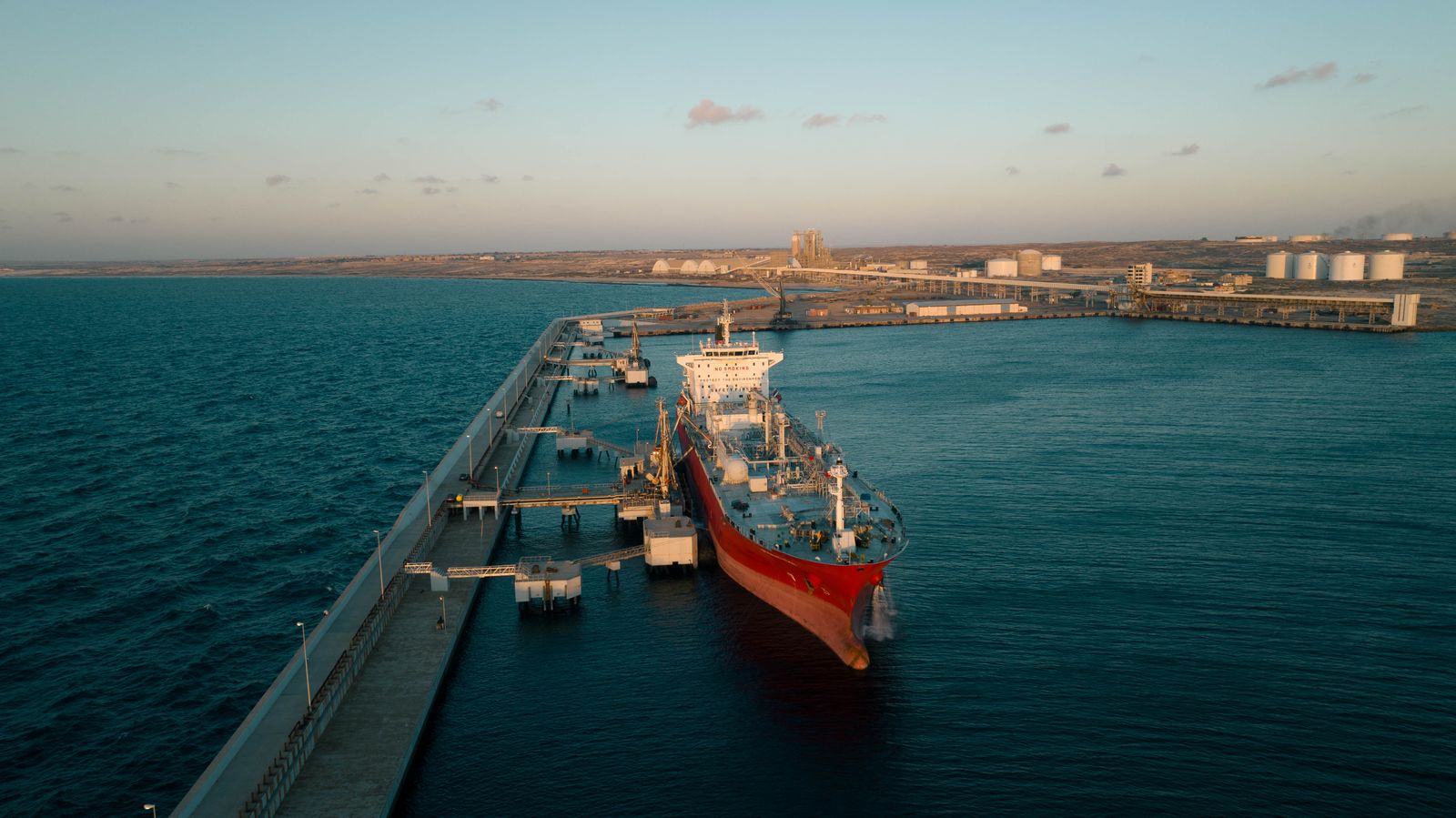
Detection Retrofit: Who Actually Pays?
The owner funds the hull retrofit; the charterer books the EVs. That split incentive is why detection waits for regulation instead of economics.
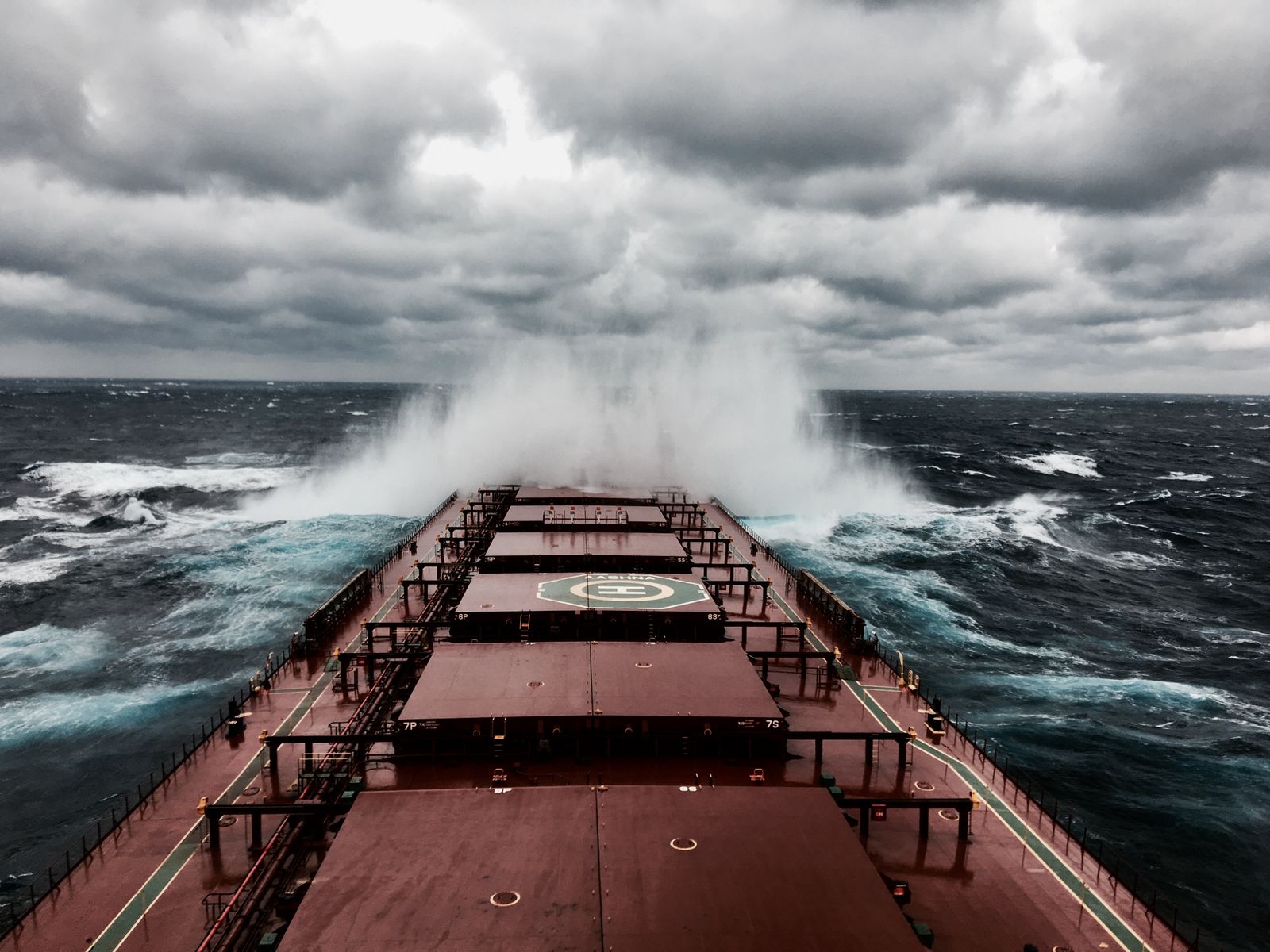
Does an EV Fire Make a Ship Unseaworthy?
A car deck fire does not automatically excuse the carrier. If unseaworthiness caused the loss, the Hague-Visby fire defence falls away with it.
Who Pays if an EV Burns After Discharge?
Probably whoever is holding it. Marine cargo cover can stop 60 days after discharge, while saltwater-damaged cells can ignite months later.