
Who Pays if an EV Burns After Discharge?

Probably whoever is holding it. Marine cargo cover can stop 60 days after discharge, while saltwater-damaged cells can ignite months later.
Most likely whoever is physically holding the vehicle when it ignites — which is rarely the party whose voyage caused the damage. A pack that took salt water at sea can enter thermal runaway weeks or months later. By then the marine cargo policy may have expired on its own terms, the carrier's period of responsibility ended at the tackle, and nobody has to prove anything about the voyage at all.
The fire can arrive long after the ship has gone
Delayed ignition is the whole problem, and it is well documented. Salt water conducts, so intrusion into a pack can leave conductive bridges between cells that corrode and short over time rather than immediately. Guidance drawn from hurricane flooding is blunt about the interval: thermal runaway may occur several weeks or even months after submersion, which is why the standing advice is to quarantine a submerged vehicle until it can be properly assessed rather than treat survival of the first week as an all-clear. NHTSA's separation guidance for submerged lithium-ion vehicles — keep them at least 50 feet from buildings and other vehicles — is a quarantine instruction in everything but name. RoRoSAFE's analysis of flood-damaged units covers the mechanism and the US Coast Guard's position on loading them; the point here is the calendar. A vehicle discharged in good order, trucked inland and parked in a compound can ignite on day 40, day 90, or later, with nothing visibly wrong with it in between.
Marine cargo cover has a hard stop
The transit clause ends the policy on a clock, not on the state of the goods. Institute Cargo Clauses (A) 2009, Clause 8, runs warehouse to warehouse — attaching when goods first move for immediate loading and continuing through the ordinary course of transit — and terminates on whichever happens first of three events: delivery to the final warehouse or place of storage, delivery to any other place the assured elects for storage or allocation, or the expiry of 60 days after completion of discharge overside from the oversea vessel at the final port of discharge.
That 60-day limb is an absolute long-stop. It runs whether or not the cargo has reached its destination, and it does not pause because the damage that will eventually destroy the vehicle was sustained during the voyage and has not yet expressed itself. On the standard wording, a fire on day 61 is outside the policy that covered the voyage, and a fire in a dealer's compound six weeks after delivery is outside it regardless of the 60 days.
The duty ends at the tackle, the clock does not
The two halves of the carrier's position are not symmetrical, and the asymmetry runs against cargo. The Hague-Visby period of responsibility is tackle to tackle: the carrier's obligations regarding care of the goods run from loading to completion of discharge, and a vehicle sitting in a terminal compound afterwards is no longer in that period. The time bar, however, is drawn far wider. Article III rule 6 discharges the carrier and the ship from all liability whatsoever in respect of the goods unless suit is brought within one year of delivery, or of the date when the goods should have been delivered.
Cargo interests argued for years that because the period of responsibility stops at discharge, the one-year bar should not reach post-discharge conduct. In FIMBank Plc v KCH Shipping Co Ltd [2024] UKSC 38, The Giant Ace, the UK Supreme Court rejected that, confirming the Article III rule 6 time bar applies to misdelivery claims arising after discharge and declining to confine the bar to the loading-to-discharge window. So the protective clock reaches past the tackle even though the duty of care does not.
Causation is where this actually breaks
The legal clock is the second obstacle; proving what happened is the first, and most claims will fail there. To recover against a carrier for a fire in a compound on day 90, cargo interests must show the vehicle sustained damage during the carrier's period of responsibility, that the damage caused the fire, and that the intervening handling did not. Every one of those is hard. The vehicle was accepted in apparent good order, so there is no clean receipt showing damage at outturn. Salt exposure ashore — a coastal compound, a wet trucking leg, road salt — supplies an alternative explanation the carrier will reach for.
Any pack that reaches full runaway largely destroys the evidence that would have identified the initiating fault. And unlike a container casualty, a car carrier discharges thousands of individually owned units to different consignees, so no single party accumulates enough of a pattern to notice that several vehicles off the same voyage failed the same way. Fremantle Highway is the visible version of what is usually invisible: roughly 1,000 vehicles came off, many appearing undamaged, and at least one caught fire on the quay. On the quay, causation was obvious. Ninety days inland it would not have been.
What it means for owners, cargo interests and underwriters
- Check where the transit clause actually ends before assuming the voyage policy responds. On standard ICC (A) wording the 60-day limb after discharge overside is a hard stop, and it is the limb most likely to expire before a delayed-ignition failure appears.
- Treat outturn condition as a record worth creating, not a formality. The evidential problem is that a vehicle accepted in apparent good order carries no documentary trace of seawater exposure — and the pack destroys that trace itself if it later runs away.
- Expect the time bar to be argued wider than the period of responsibility. The Giant Ace confirms Article III rule 6 can reach post-discharge conduct even though the carrier's duty of care does not, which is an asymmetry cargo interests should plan around rather than discover.
- Log any voyage event that could have wetted a deck. A boarding sea, a hose stream during a drill, a suppression discharge, a scupper failure — none of these produce a claim at the time, and all of them are the only contemporaneous evidence a later fire could be traced to.
- Do not assume the manufacturer absorbs it. A vehicle damaged in carriage and then ignited is not a manufacturing defect, and a product-liability route depends on the same causation evidence that is missing.
- Watch the gap between marine and land cover as a portfolio question. A terminal, a compound operator or a dealer can end up holding a marine-origin loss simply because they were the party in possession when the calendar ran out.
How RoRoSAFE helps
When a cell ignites months after discharge, the argument is about causation, and it turns on what happened during the voyage. RoRoSAFE records each vehicle's thermal and gas behaviour on board in tamper-evident logs, with export-ready reports. Owners, cargo interests and underwriters then have evidence of whether the vehicle showed any sign of trouble while it was at sea.
Pilot: one deck · installed alongside the berth · no drydock · 6 months of dashboard access
Sources
- 1. Institute Cargo Clauses (A) 2009, Clause 8 (Transit Clause) — cover attaches when the subject-matter insured is first moved for immediate loading, continues during the ordinary course of transit, and terminates on whichever occurs first: completion of unloading at the final warehouse or place of storage at the destination named in the contract; completion of unloading at any other warehouse or place of storage the assured elects to use for storage other than in the ordinary course of transit or for allocation or distribution; or on expiry of 60 days after completion of discharge overside of the subject-matter insured from the oversea vessel at the final port of discharge.
- 2. Hague-Visby Rules, Article III rule 6 — the carrier and the ship are discharged from all liability whatsoever in respect of the goods unless suit is brought within one year of their delivery or of the date when they should have been delivered; the period of responsibility under the Rules runs tackle to tackle.
- 3. FIMBank Plc v KCH Shipping Co Ltd [2024] UKSC 38 (The Giant Ace) — the UK Supreme Court held that the Article III rule 6 one-year time bar applies to claims for misdelivery occurring after discharge, rejecting the argument that the bar is confined to a period of responsibility running from commencement of loading to completion of discharge — reported by Hill Dickinson, Twenty Essex and Quadrant Chambers.
- 4. Delayed thermal runaway following saltwater exposure — salt water is conductive and can leave bridges within a battery pack that short over time; reported guidance indicates thermal runaway may occur several weeks or even months after submersion, with quarantine advised until assessment. NHTSA advises keeping submerged lithium-ion vehicles at least 50 feet from buildings and other vehicles. Warning signs include hissing, popping, smoke, unusual odours and bulging panels near the battery compartment — NHTSA; The Conversation / University of South Carolina; EV FireSafe.
- 5. Fremantle Highway — approximately 1,000 vehicles removed during the recovery, many appearing undamaged, with at least one igniting on the quay — Maritime Executive; Splash247; DutchNews.
- 6. Companion RoRoSAFE analysis — 'Are Flood-Damaged EVs a Car-Carrier Fire Risk?' (the salt-water mechanism and the USCG loading position, which this post assumes rather than re-argues), 'Does an EV Fire Make a Ship Unseaworthy?' (the carrier's position for a fire during carriage, as distinct from after it), and 'General Average: The Cost Cargo Owners Miss' (how vehicle-carrier losses distribute across cargo interests).
Questions, answered
Can an EV catch fire weeks after it leaves the ship?+
Yes. Salt water is conductive and can leave bridges inside a battery pack that corrode and short over time rather than immediately. Guidance drawn from flood events indicates thermal runaway may occur several weeks or even months after submersion, which is why submerged vehicles are advised to be quarantined and kept at least 50 feet from buildings and other vehicles until assessed.
Does marine cargo insurance still cover the vehicle at that point?+
Often not, on standard wording. Institute Cargo Clauses (A) 2009 Clause 8 terminates on the first of three events, one of which is the expiry of 60 days after completion of discharge overside at the final port. That limb is an absolute long-stop and runs regardless of whether damage sustained during the voyage has yet expressed itself. Policies are frequently endorsed, so check the operative clause.
Is the carrier liable for a fire that happens after discharge?+
The carrier's period of responsibility under the Hague-Visby Rules is tackle to tackle, so a vehicle in a compound after discharge is outside it. The one-year time bar in Article III rule 6 is drawn more widely — in The Giant Ace the UK Supreme Court confirmed it can apply to post-discharge misdelivery claims. That decision concerns misdelivery, not delayed-ignition damage.
What makes these claims so hard to bring?+
Causation, before any question of time limits. The vehicle was accepted in apparent good order, so nothing records seawater exposure at outturn; shore-side salt supplies an alternative explanation; a pack in full runaway destroys the evidence of what initiated it; and thousands of units go to different consignees, so no single party sees enough failures to spot a pattern.
Continue the thread
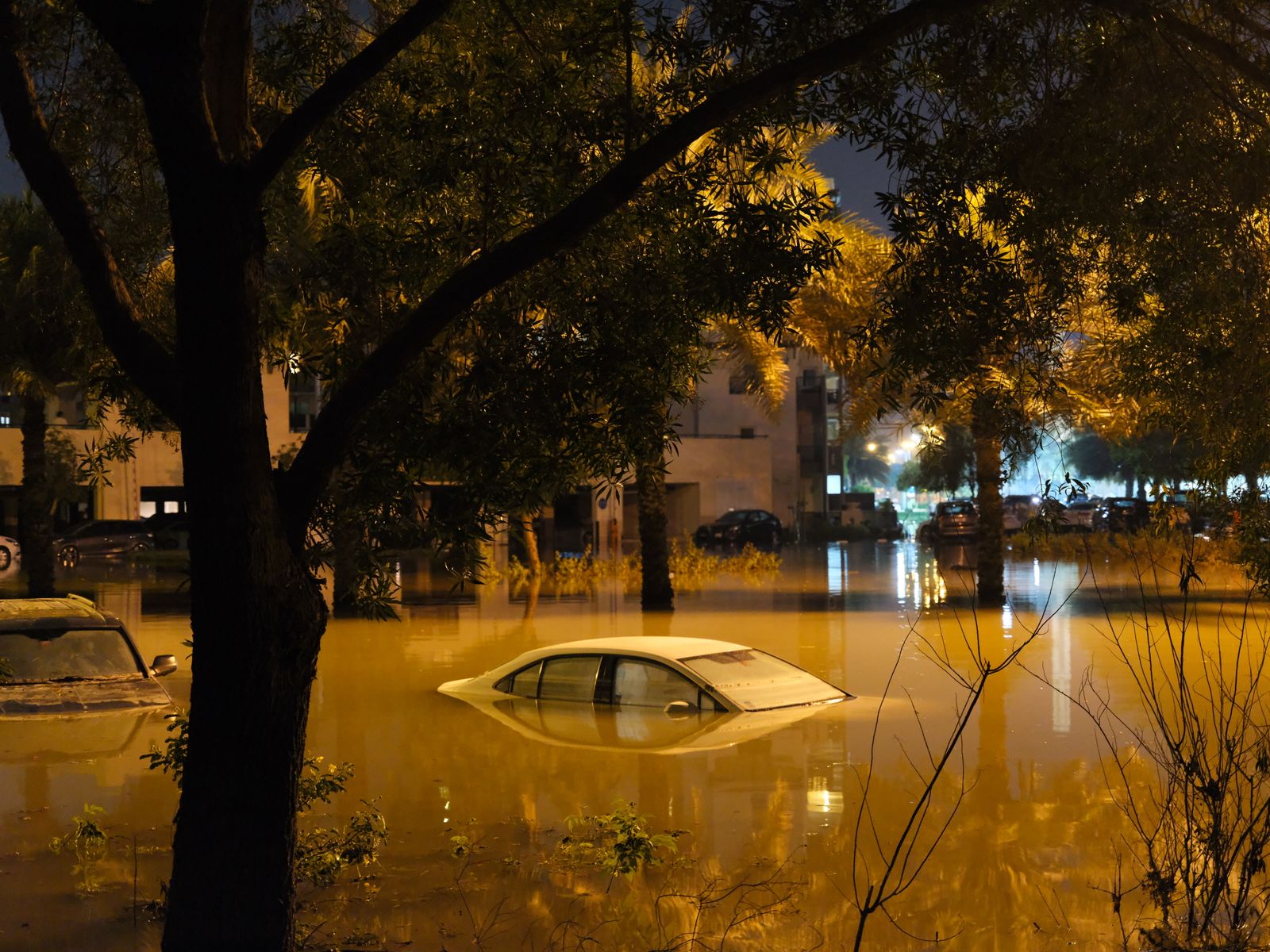
Are Flood-Damaged EVs a Shipping Fire Risk?
Yes — salt water leaves conductive bridges inside an EV pack that trigger runaway days later. The US Coast Guard tells shippers not to load them.
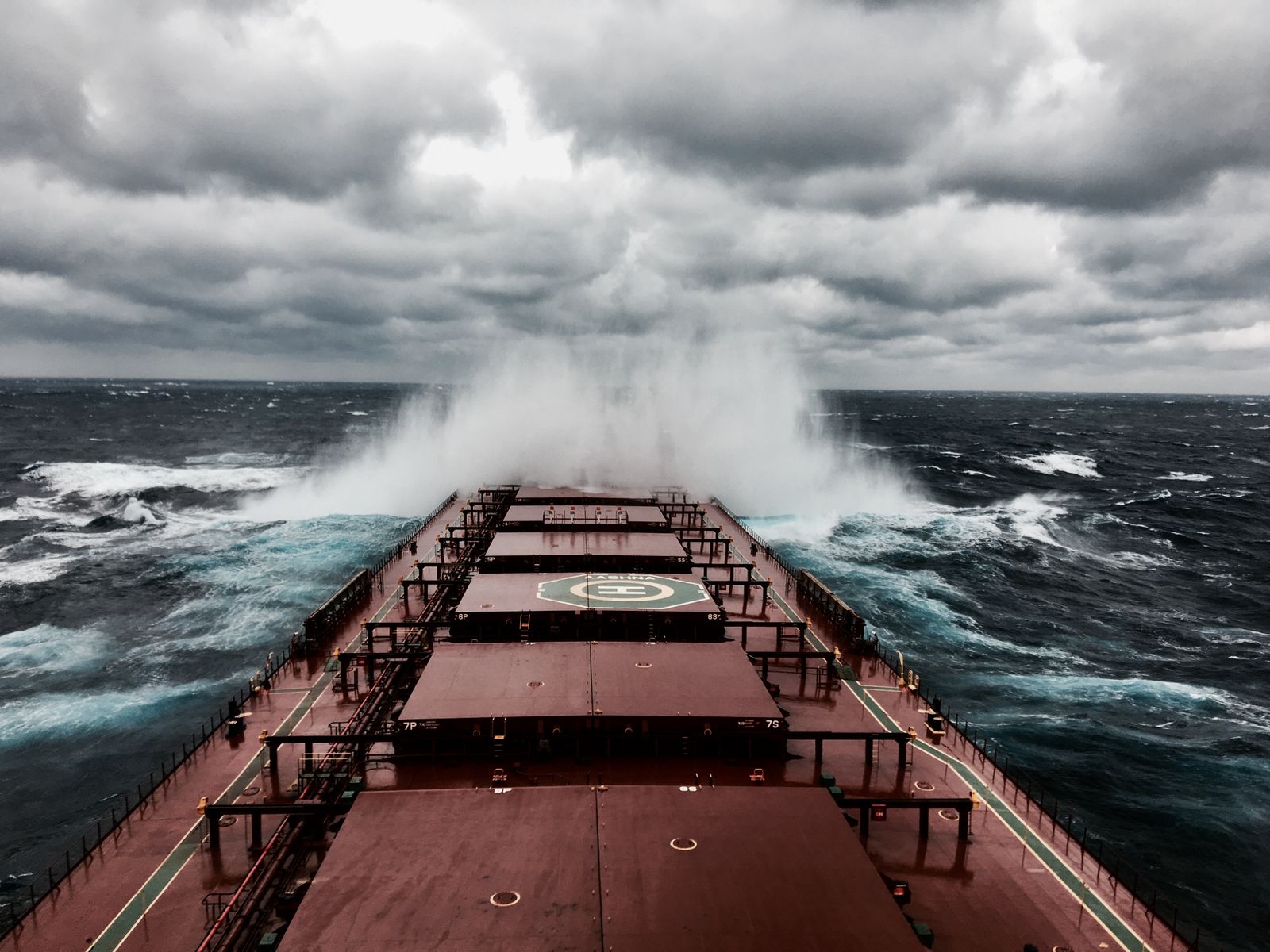
Does an EV Fire Make a Ship Unseaworthy?
A car deck fire does not automatically excuse the carrier. If unseaworthiness caused the loss, the Hague-Visby fire defence falls away with it.

General Average: The Cost Cargo Owners Miss
When a car carrier declares general average, cargo that survives pays its share. Standard cargo cover includes GA; self-insured cargo pays in full.