
Is a Ro-Ro Most at Risk of Fire in the Yard?

For the ship, it can be: 13 of 15 major US Navy ship fires since 2008 hit vessels in maintenance. Hot work, offline systems and clutter drive it.
For the ship, it can be; for the cargo, rarely, because a ro-ro in refit is usually empty. GAO's review of 15 major US Navy ship fires since 2008 found 13 on vessels in maintenance, and the Navy traced four to improper hot work. Any vehicle deck in a yard faces the same mix: fixed systems offline, a skeleton crew, contractors and clutter.
The merchant record is thinner. We found no published dataset of fires on ro-ro ships during repair comparable to the Navy's, so the evidence here is naval, plus individual merchant cases in IMO's lessons-learned files. The pattern still transfers, because the conditions that made those fires grow are not peculiar to warships. For an owner, a hull underwriter or a superintendent signing off a docking plan, the yard period is when the ship's own fire defences are weakest and the sources of ignition most numerous.
What does the record show about fires in the yard?
That maintenance is the most dangerous phase for the ships with the best data. GAO's December 2025 report, GAO-26-107716, repeats its earlier count: 15 major fires on US Navy ships from May 2008 to July 2020, 13 of them on ships in maintenance, causing billions of dollars of damage. Eleven of the 15 broke out outside normal workdays or on holidays, when reduced crews were aboard.
The Navy's own Major Fires Review of October 2021 reached the same conclusion from the inside. It made 12 findings and seven strategic recommendations, and reported that crews were prepared to fight fires at sea but not in port, with only a duty section aboard. Four of the fires it studied were tied to improper hot work by shipyard workers, and six to poor maintenance or stowage of hazardous materials. Contractors were aboard or involved in six.
Why does Bonhomme Richard matter to car decks?
Because the fire began in a vehicle deck that the overhaul had turned into a storeroom. USS Bonhomme Richard, an amphibious assault ship, was finishing a maintenance period in San Diego when fire broke out on 12 July 2020 in the Lower V. That space normally carries Marine Corps vehicles. GAO lists what it held instead: forklifts with fuel tanks, batteries and cardboard. The ship burned for four days, suffered more than $3 billion in damage and was decommissioned 17 years early.
The Navy and the ATF concluded the fire was arson, but a military judge acquitted the accused sailor in September 2022. The investigation's point did not depend on the cause. The Navy called the loss completely preventable, because the ship could not put the fire out: heat detection and firefighting systems were offline, the spaces were cluttered, and contractor oversight was weak. Reporting on the 400-page investigation put about 87% of the ship's fire stations in an inactive maintenance status that morning. An empty ro-ro vehicle deck in a refit is the obvious place to put scaffolding, pallets and the yard's own vehicles.
Why is a ship in the yard harder to defend?
Because many of its defences are switched off on purpose, while ignition sources multiply. Detection is often inhibited against dust and fumes, fixed gas systems are isolated so no one is flooded by mistake, fire and watertight doors are held open for hoses and cables, and the crew is a fraction of its sea strength. The people doing the riskiest work often do not know the ship.
IMO's lessons-learned files show how that goes wrong on merchant ships. In one case, welding sparks fell through a deckhead onto coiled cables in the engine-room workshop below. A hot work permit had been issued and an oiler posted as fire watch, but he had stepped away to attend a ballast pump. When the generators were shut down to release CO2, the emergency fire pump could not be started: its space had filled with smoke through a watertight door left open. In another, a fitter cutting brackets off a hatch cover burned through it. Sparks fell onto cargo, the CO2 and high-expansion foam systems failed, and it took about 700 tonnes of seawater from an offshore vessel's monitor to put the fire out. The fitter could not read the English permit he had signed. In a third, LPG leaking from cutting torches left open in a ballast tank exploded during repairs, killing two shipyard workers. Gas had been tested only once, that morning.
What if vehicles are still aboard?
Then the yard's hot work meets a fuel load that the ship's systems were designed for and cannot currently fight. The wreck of the car carrier Golden Ray caught fire on 14 May 2021, as salvors cut the hull with torches during wreck removal in St Simons Sound. The US Coast Guard said a torch had likely sparked it, even though crews were spraying seawater as a precaution. The fuel was possibly residual bunkers and the cars still inside. Our Golden Ray case study covers the capsize behind it.
Ro-ro ships can also carry vehicles through work that is not a full docking: repairs alongside between sailings, lay-ups at anchor with cargo aboard, or repair after a fire, when burnt EV batteries remain a reignition source. Our Diamond Highway case study makes the point for salvors and recyclers: treat a fire-damaged car carrier as a fire risk for hot work.
What should owners ask a repair yard?
Who covers each defence that the work will take offline, and when:
- A written fire safety plan for the ship in the yard, in line with NFPA 312 and, at US yards, OSHA 29 CFR 1915 Subpart P.
- Fire watches who do nothing else while hot work is under way and stay at least 30 minutes afterwards, as 29 CFR 1915.504 requires, with every adjacent space covered.
- Hot work permits that the person holding the torch has read and understood, in a language they read.
- A list of which detection, fixed systems and fire pumps are offline, for how long, and what replaces them meanwhile.
- Vehicle decks kept clear of stored materials, or treated and watched as a store if they cannot be.
- Night, weekend and holiday fire cover planned explicitly, since 11 of the Navy's 15 fires broke out outside normal workdays.
- Repeated gas tests in tanks and enclosed spaces through the shift, not only at the start of the day.
How RoRoSAFE helps
A refit's fire risk sits mostly in hot work and stored material on an empty deck, which the yard's fire plan and fire watches must cover; RoRoSAFE does not replace them. Once vehicles are back aboard, it watches each one with infrared thermal and battery-vent gas sensing, alerting bridge and shore by deck and bay before visible smoke. It installs alongside the berth, with no drydock, drilling or hull changes, and holds no class type approval yet.
Pilot: one deck · installed alongside the berth · no drydock · 6 months of dashboard access
Sources
- 1. US Government Accountability Office — GAO-26-107716, 'Navy Ship Maintenance: Fire Prevention Improvements Hinge on Stronger Contractor Oversight', 17 December 2025: 15 major fires May 2008–July 2020, 13 on ships in maintenance; 11 of 15 outside normal workdays or on holidays; Bonhomme Richard damage over $3 billion, decommissioned 17 years early; forklifts with fuel tanks, batteries and cardboard in the vehicle stowage space; offline heat detection and firefighting systems; arson finding and September 2022 acquittal.
- 2. US Navy — 'Navy Releases Extensive Bonhomme Richard Fire Report, Major Fires Review', October 2021: loss 'completely preventable'; Major Fires Review with 12 findings and seven strategic recommendations.
- 3. USNI News — 'Navy Board Set to Improve Fire Safety After Report Finds Sailors Unprepared to Fight Blazes in Port', 21 October 2021: crews prepared at sea, not in port; contractors involved in six fires.
- 4. Defense News — 'Why didn't the Navy see the USS Bonhomme Richard fire coming?', 25 October 2021: four fires tied to improper hot work by shipyard workers, six to hazardous materials.
- 5. Military Times — 'USS Bonhomme Richard fire spread wildly due to repeated failures, investigation finds', 19 October 2021: about 87% of fire stations in inactive equipment maintenance status.
- 6. IMO — Lessons learned from casualties, consolidated version 'Fire – Explosion': welding sparks igniting workshop cables with fire watch absent and emergency fire pump space smoke-logged; hatch-cover hot work fire extinguished with about 700 tonnes of seawater; ballast-tank LPG explosion in a repair yard killing two shipyard workers.
- 7. US OSHA — 29 CFR 1915.504, Fire watches: no other duties during hot work; remain at least 30 minutes after hot work is completed.
- 8. NFPA 312, Standard for Fire Protection of Vessels During Construction, Conversion, Repair, and Lay-Up (2026 edition): scope.
- 9. Insurance Journal (Associated Press) — 'Teams Assess Damage After Fire on Overturned Cargo Ship in Georgia Port', 17 May 2021: Golden Ray wreck fire during torch cutting; Coast Guard spokesman on likely cause and possible fuel.
- 10. Diamond Highway: treat a fire-damaged car carrier as a fire risk for hot work. As covered in RoRoSAFE's case study 'Diamond Highway: The Hull That Burned Twice'.
Questions, answered
Are ships more likely to catch fire in a shipyard?+
For the US Navy, which has the best public data, yes. GAO found 13 of 15 major Navy ship fires between May 2008 and July 2020 occurred on ships in maintenance, and 11 of the 15 broke out outside normal working hours. No comparable public dataset exists for merchant ro-ro ships, but the drivers transfer to them.
What started the USS Bonhomme Richard fire?+
The Navy and ATF concluded it was arson, but a military judge acquitted the accused sailor in 2022. The fire began in the Lower V, a vehicle stowage space filled during the overhaul with fuelled forklifts, batteries and cardboard. The Navy said the ship was lost because it could not put the fire out, with detection and firefighting systems offline.
How long must a fire watch stay after hot work?+
At US shipyards, 29 CFR 1915.504 requires the fire watch to remain in the hot work area for at least 30 minutes after the work is completed, unless the area is surveyed and found free of fire hazards. The fire watch may not be given other duties while hot work is under way.
Can hot work set fire to a car carrier with vehicles aboard?+
Yes. The wreck of the car carrier Golden Ray caught fire in May 2021 while salvors cut the hull with torches, and the Coast Guard said a torch had likely sparked it despite seawater spraying. Possible fuel included residual bunkers and cars still on the cargo decks.
Continue the thread
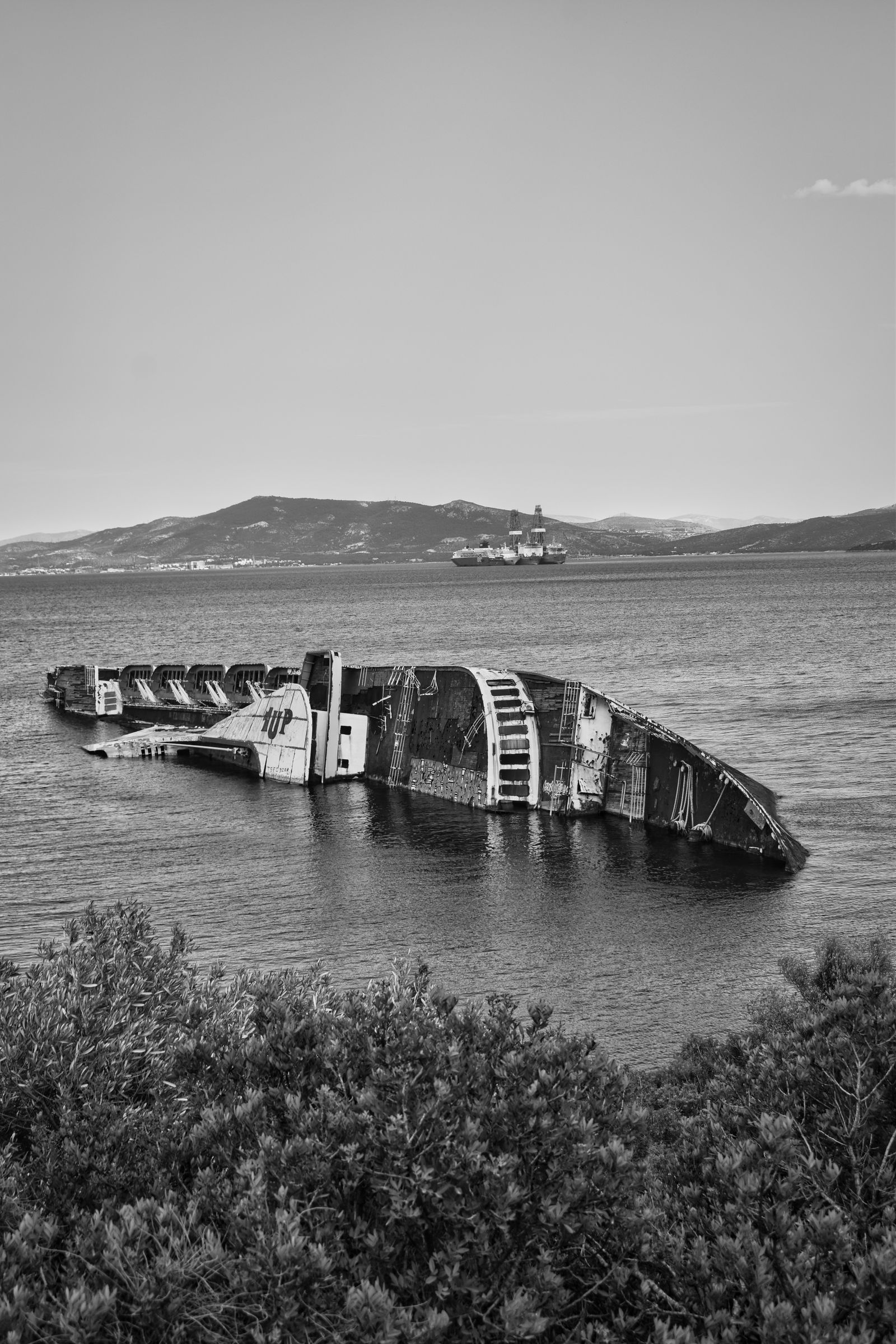
Golden Ray — Anatomy of a Stability Capsize
The Golden Ray capsized 40 minutes out of Brunswick in 2019 — a ballast-entry error, a $62.5M hull, and an $842M-plus wreck removal.

Diamond Highway: The Hull That Burned Twice
Diamond Highway burned off Reed Bank in June 2019 and was a total loss. Four years on, stranded by a typhoon, it caught fire again under a scrap torch.
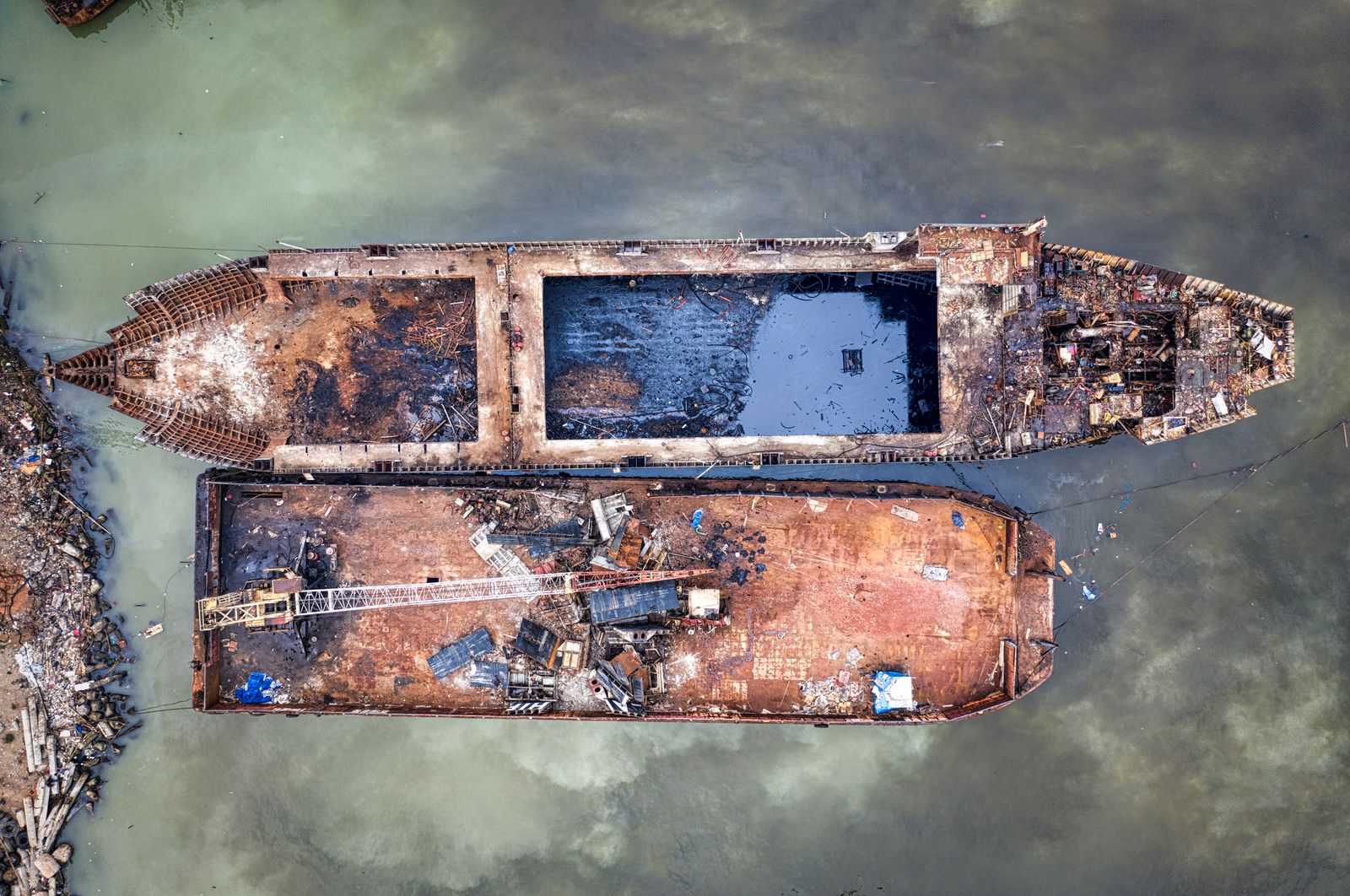
What Happens When a Car Carrier Is Scrapped?
The Hong Kong Convention came into force in June 2025 — and it binds ships in service, not just at the yard. A retrofit changes the inventory.
Why Do Car Carrier Fires Reignite?
Because 'extinguished' on a car deck usually means smothered, not cooled. Stranded battery energy, hidden smoulder and returning air all restart fires.
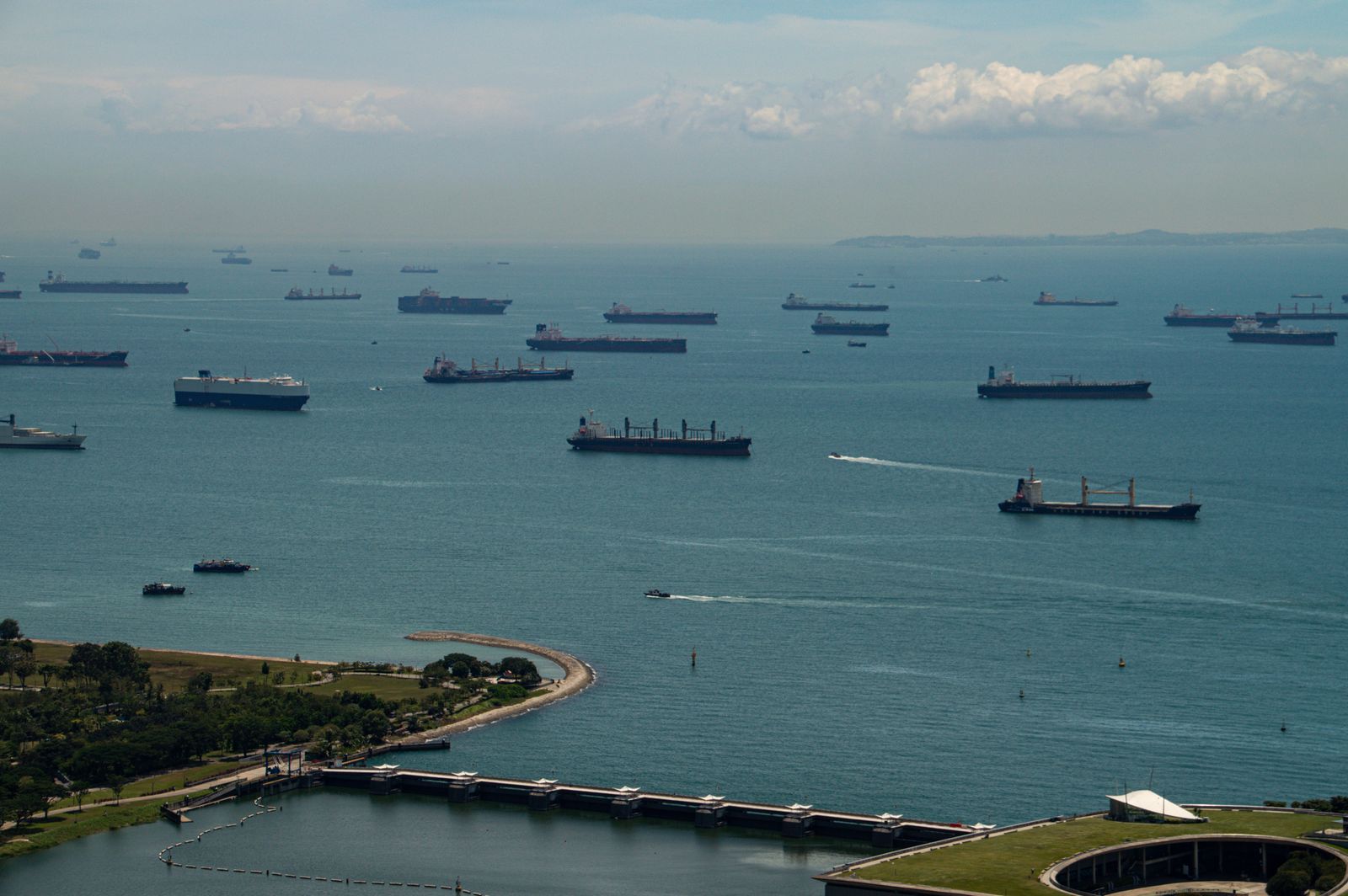
Scenario: Detection in Lay-Up and Anchorage
Reference scenario: a laden car carrier at anchor on reduced manning for six weeks, and what a detection layer must do to stay live and report ashore.
Is Fire Detection Off While the Ship Loads?
Usually, yes — smoke sections are muted while loading. From 2026 the FSS Code allows it but keeps heat detection on; 1 in 4 ro-ro fires start in port.