
Detection During Lay-Up and Anchorage
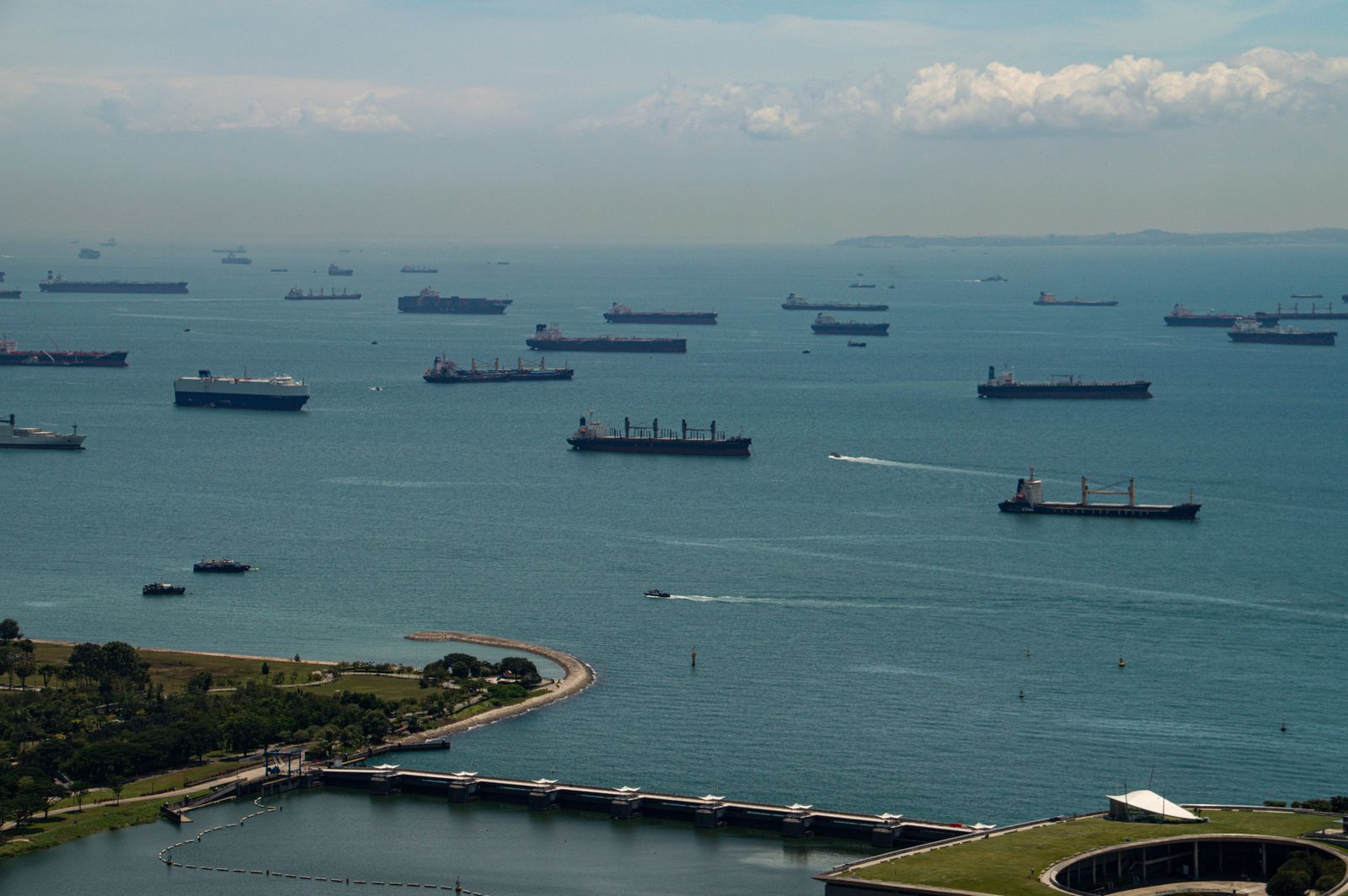
A laden car carrier at anchor stops moving, not risking. Through a six-week idle period on reduced manning, the layer stayed live and reported ashore.
A car carrier at anchor stops moving; its cargo does not stop being cargo. This pilot kept the per-vehicle thermal and gas layer live through roughly six weeks of anchorage wait and warm lay-up on a laden PCTC under reduced manning, routing alarms and system health to a shore console rather than to a bridge that was barely staffed. Nothing ignited — which is the point. The risk that idles with the ship is the unprovoked one.
Why an idle ship is not a safe ship
Because the failure mode that matters needs no trigger. Loading stops, engines stop, the deck goes quiet — but a damaged or salt-water-flooded pack self-heats on its own schedule, days or weeks after whatever damaged it, with no charging or driving to announce it. A vessel waiting for a berth, or held offshore awaiting a port of refuge as the Fremantle Highway was in 2023, is simply a full deck of lithium sitting still. Activity-based thinking says the quiet ship is the safe one; the chemistry disagrees. The exposure does not idle just because the schedule does.
What lay-up actually does to detection
It can switch the fixed systems off and hand the job to a person. DNV's lay-up guidance sets the expectation plainly: a laid-up vessel keeps at least fire, leakage, mooring and security watches, with minimum manning covering them — precisely because in a cold lay-up much of the ship is de-energized. That substitution is the gap. A fire watch walking rounds can confirm what is visible in an access lane; it cannot see a pack self-heating under a chassis in the middle of a packed deck, which is exactly where the event starts. The watch is a control for the ship. It is not a control for the cargo.
What the pilot did
- A laden PCTC held at anchorage awaiting a berth, then moved into a warm lay-up — roughly six weeks idle with reduced manning aboard.
- The per-vehicle thermal and gas layer stayed energized through the vessel's reduced power state rather than being shut down with the rest of the ship.
- Alarms and system-health status were routed to a shore console, so the skeleton watch aboard was not the only reader.
- The baseline was re-established for the idle condition — no engine heat, no ventilation cycling, and large day/night solar swings on a stationary hull.
The idle baseline is a different baseline
The calibration that works under way does not transfer. At sea a deck's thermal baseline is dominated by ventilation, engine heat and vessel motion; at anchor all three disappear, and the dominant signal becomes the diurnal solar cycle on a hull that is not moving — including what the sun does to one side of the ship for hours at a time. Anchorages also tend to sit in hotter, more humid air than a North Atlantic crossing. The layer had to re-learn the idle regime, the same convergence the retrofit and fleet-alarm data showed but in different conditions. A threshold set for a voyage will either nuisance or go deaf at anchor.
Why routing ashore mattered
Because under reduced manning the reader is the weak link, not the sensor. With a full crew, an alarm has a bridge and a duty officer. In lay-up there may be a skeleton watch covering fire, moorings and security across an entire ship, at night, in weather. Sending alarms and health status to a shore console means the layer is still being read by someone whose only job is to read it — and, just as important, that the layer is continuously proving it is alive. An unmonitored detector on an unmanned deck is a compliance artefact, not a control.
What it means for owners and underwriters
For operators, lay-up and long anchorage waits get treated as a cost problem and rarely as a cargo-risk problem — but DNV's own guidance concedes the risk by requiring a fire watch precisely when the fixed systems go down. If the cargo stays aboard, the detection should stay on. For underwriters, a laden vessel under reduced manning is the cleanest case of a loss that could start with nobody watching: the same unprovoked vent a flooded or damaged EV brings aboard, on a deck with fewer eyes and possibly de-energized systems. The idle period is not a gap in the risk. It is a gap in the observation.
How RoRoSAFE helps
A laden ship at anchor, on reduced manning, is still carrying the same fire load. RoRoSAFE keeps monitoring through lay-up with an idle baseline for each vehicle, and routes alerts ashore, so a reduced crew is not the only line of watch. The same grid covers the voyage, the anchorage and the idle period.
Pilot: one deck · installed alongside the berth · no drydock · 6 months of dashboard access
Sources
- RoRoSAFE lay-up / anchorage monitoring record (operator under NDA): laden PCTC, ~6-week anchorage-and-warm-lay-up period under reduced manning; per-vehicle layer kept energized through the reduced power state; alarms and health routed to a shore console; idle-condition baseline re-established.
- DNV — Guideline No. 22, 'Lay-up of Vessels', and the 'Know your vessel lay-up options' guidance paper: a laid-up vessel keeps at least fire, leakage, mooring and security watches, with minimum manning covering them, because much of the ship is de-energized in cold lay-up — dnv.com.
- Fremantle Highway (2023) — held off the Dutch coast before Eemshaven was designated a port of refuge: the precedent for a laden casualty waiting offshore while the fire continued — maritime-executive.com.
- Companion RoRoSAFE analysis — 'Are Flood-Damaged EVs a Shipping Fire Risk?' (the unprovoked, delayed vent with no trigger) and 'What a Season of At-Sea Alarm Data Shows' (baseline convergence and calibration).
Questions, answered
Is a car carrier at anchor safer than one at sea?+
Not for the cargo. Movement and loading stop, but a damaged or salt-water-flooded lithium pack self-heats on its own schedule — days or weeks later, with no charging or driving to trigger it. A ship waiting for a berth, or held offshore awaiting a port of refuge as the Fremantle Highway was, is a full deck of lithium sitting still. The schedule idles; the exposure does not.
What happens to fire detection during lay-up?+
It can be switched off. DNV's lay-up guidance expects a laid-up vessel to keep at least fire, leakage, mooring and security watches with minimum manning — precisely because much of the ship is de-energized in a cold lay-up. That substitutes a human fire watch for the fixed systems, and a watch walking rounds cannot see a pack self-heating under a chassis in the middle of a packed deck.
Why does the idle baseline differ from the voyage baseline?+
Because the signals that dominate at sea disappear. Under way, a deck's thermal baseline is driven by ventilation, engine heat and vessel motion. At anchor those stop, and the dominant signal becomes the day/night solar cycle on a stationary hull — often in hotter, more humid air than an ocean crossing. Voyage thresholds carried into an anchorage will either nuisance-alarm or go deaf.
Why route alarms ashore during lay-up?+
Because under reduced manning the reader is the weak link, not the sensor. A skeleton watch may be covering fire, moorings and security across a whole ship. Routing alarms and system health to a shore console keeps someone reading whose only job is to read it, and keeps the layer continuously proving it is alive. An unmonitored detector on an unmanned deck is a compliance artefact, not a control.
Continue the thread

Detecting EV Faults in the Yard, Not at Sea
Four shore-side pilots — OEM yard, port terminal, BMS-pull, battery warehouse — show detection catching EV faults before the cargo reaches a deck.
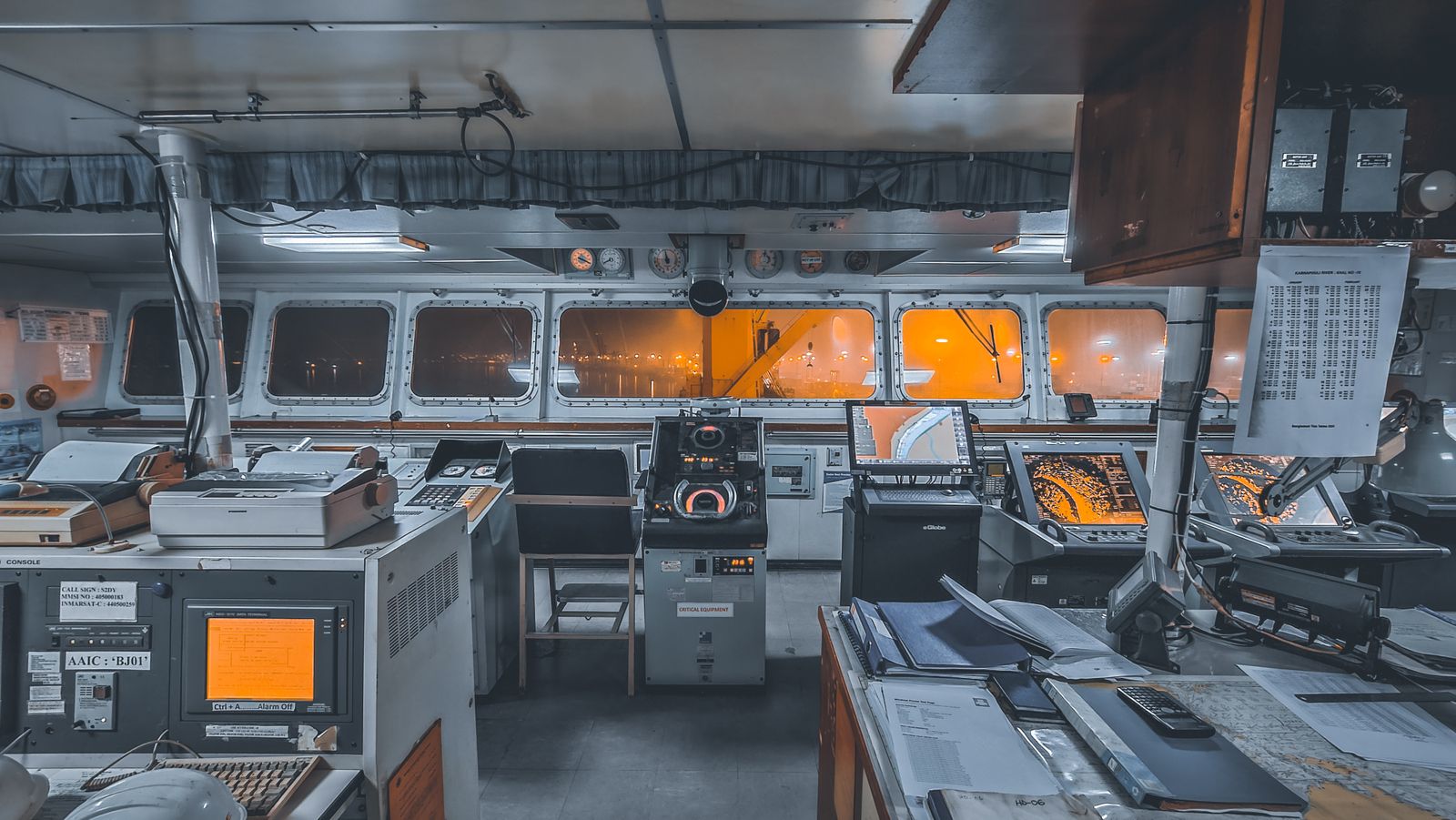
What a Season of At-Sea Alarm Data Shows
A fleet season of live vehicle-deck alarm data: where nuisance trips come from, and how per-vehicle baselining held the false-positive rate near zero.
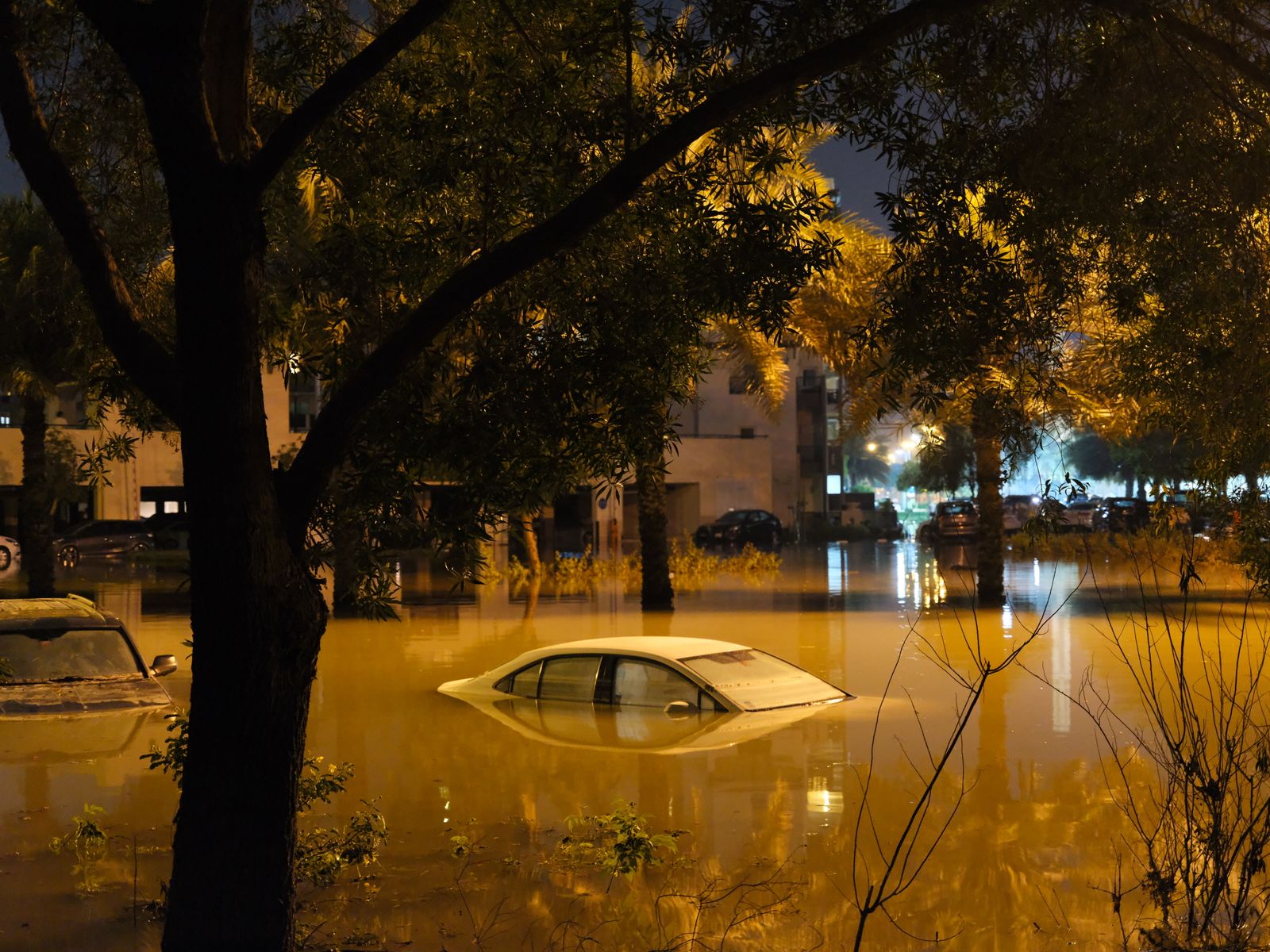
Are Flood-Damaged EVs a Shipping Fire Risk?
Yes — salt water leaves conductive bridges inside an EV pack that trigger runaway days later. The US Coast Guard tells shippers not to load them.
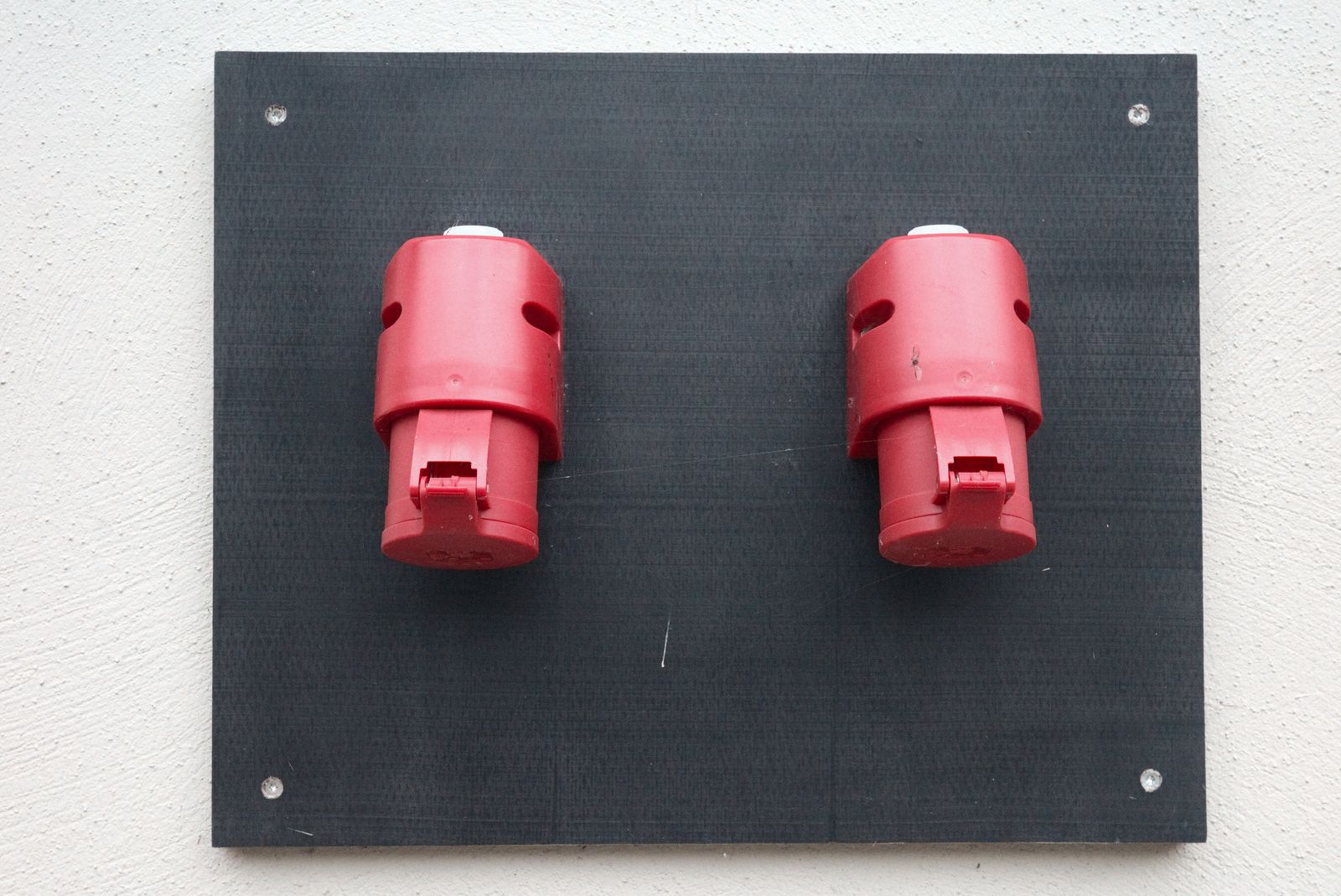
Reefer-Socket Monitoring Pilot: Ro-Pax Results
48 reefer sockets on a short-sea ro-pax, one season. Two high-resistance joints found under load — neither tripped a breaker, as the physics predicts.

Used-EV Terminal: Pre-Loading Screening
A trial screening mixed-make used EVs at unknown state-of-health at an export terminal — external thermal and damage checks before they reached the deck.