
Can a Language Gap Slow a Ship's Fire Response?

Yes, though it is rarely proven as the cause. Norman Atlantic's investigators flagged some crew's English as possibly weak and told the owner to act.
Yes, though it is rarely proven as the cause. After the Norman Atlantic fire of 28 December 2014, Italy's marine investigators noted that some junior crew might not know the ship's working language, English, well. They said that could have hindered their duties in the emergency, and told the owner to make sure the language was really known and used.
The first minutes of a vehicle-deck fire are spent talking. A patrol describes what it sees, the bridge decides what that means, and someone is told which valve to open. On a ro-pax, the people in that chain can work for two employers and share no first language. Owners, charterers and P&I clubs audit drills and certificates; few test whether a deckhand can describe a fire by radio and be understood.
What do the rules require?
One declared language, and English for safety calls off the ship. SOLAS Chapter V, Regulation 14 requires every ship to establish a working language and record it in the log book. It also requires English on the bridge for safety communications with other ships and the shore, and with a pilot, unless those involved share another language. The regulation points to IMO's Standard Marine Communication Phrases, in Resolution A.918(22).
The UK goes a step further. Section 51 of the Merchant Shipping Act 1995 allows a UK ship to be detained if crew cannot understand orders in English and there is no arrangement for giving orders in a language they do understand. The Norman Atlantic report states the test most usefully. Each crew member must understand the working language and, for some tasks, give orders and reply in it.
What did Norman Atlantic's investigators find?
A language that was set on paper and uneven in practice. The owner, Visemar di Navigazione, supplied 22 of the 55 crew, and the charterer, part of the Anek Lines group, supplied 33, including some of the lashing team and cabin staff. They were Italian and Greek. The safety manual allowed Italian or English depending on the crew, and English was in use. In interviews, investigators noticed that some lower-ranking crew might not know it well, which could have caused difficulty in lashing, in connecting refrigerated trailers and in managing the emergency.
The concern predated the fire. Emails between the master, owner and broker on 25 to 27 December had raised possible language problems with a Greek electrician joining the ship. Part of the team plugging in refrigerated trailers came from each employer, and the report says the Greek member seems to have acted independently. It calls language a probable source of misunderstanding in those tasks, and it recommended a review of the 'deck and engine' charter arrangement.
Did language cause the drencher error?
No: the report does not say so. The bridge passed the fire's position, deck 4 at frame 156, to the engine control room several times. The first engineer, who said he opened the valves for that area, had opened the ones for deck 3. The report attributes the confusion to valves that were not clearly identified, possible smoke in the valve room, night, stress and lost time. It also says the owner's and charterer's crews were not always in step, which probably made things worse.
The earlier exchange is just as telling. The seaman sent to deck 4 reported a running trailer engine producing smoke, and asked 'do you understand?'. It was not treated as dangerous, and the fire alarm followed about six minutes later. Nothing in the transcript shows a language failure. It shows how little a vague report over a radio can carry, in any language, and why a weak second language leaves even less margin.
How strong is the wider evidence?
Strong that it matters, weak on how often. A peer-reviewed study in Maritime Policy & Management (2026) coded 515 accident reports from 2012 to 2022 and found low language proficiency the most critical of the factors it modelled, with stress, fatigue and time pressure making communication worse. But it kept only reports where language or communication had already been named as a cause or contributor. It describes how such accidents work, and cannot say what share of accidents language causes. It covers all ship types, not ro-ro fires.
What should an operator test?
Whether the message gets through, not whether a certificate is on file:
- Have each patrol member report a simulated fire by radio: deck, frame, what is burning, smoke colour. Have the bridge repeat it back.
- Run drills with the owner's and charterer's crews mixed, as they will be on the night.
- Mark drencher valves and zones with numbers and colours that need no translation, and use the same numbers on the bridge plan.
- Agree a short list of fire phrases from IMO's Standard Marine Communication Phrases and post it at each valve station.
- Check the working language for charterer-supplied crew before they join. The report asked both companies to check English among those staff.
- Plan how announcements reach passengers and drivers who share no language with the crew.
How RoRoSAFE helps
A spoken report has to survive noise, stress and a second language. RoRoSAFE gives the bridge one that does not depend on it: infrared thermal and battery-vent gas sensing under each parked vehicle, with tiered bridge and shore alerts naming the deck and bay before visible smoke. Crew still have to act on it together, so it does not replace drills or a shared language. It complements SOLAS systems and holds no class type approval yet.
Pilot: one deck · installed alongside the berth · no drydock · 6 months of dashboard access
Sources
- 1. DIGIFEMA (Italian Ministry of Infrastructure and Transport) — 'Fire on board of the ro-ro pax Norman Atlantic, 28 December 2014', Final Report, English version: crew composition; §4.1.3 working language; §4.2 emergency management; §4.7 emails; §5.1 conclusions; recommendation 004/2015-04.
- 2. UK Maritime and Coastguard Agency — draft MGN 610 (M+F) Amendment 2, guidance on SOLAS Chapter V (updated 2 September 2026), §§18.2–18.5: working language, English on the bridge, section 51 of the Merchant Shipping Act 1995, Standard Marine Communication Phrases.
- 3. Liu, Khan, Afzaal, Asad, Du and Yang — 'Studying the impact of contextual factors on language barriers in maritime safety', Maritime Policy & Management, 4 May 2026, DOI 10.1080/03088839.2026.2660896: 515 reports, 2012–2022; selection criteria in §3.2.3.
Questions, answered
Does SOLAS require a common language on board ships?+
Yes, in effect. SOLAS Chapter V, Regulation 14 requires each ship to establish a working language and record it in the log book. English is required on the bridge for safety communications with other ships, the shore and pilots, unless those involved share another language. IMO's Standard Marine Communication Phrases support this.
Was language a factor in the Norman Atlantic fire?+
Investigators said it could have been. They noted that some junior crew might not know English, the working language in use, well, and that this could have caused difficulty during the emergency. They did not blame it for the drencher being opened on the wrong deck, which they linked to unclear valve marking, possible smoke, stress and poor coordination.
How often do language problems cause ship accidents?+
The study cited here cannot say. It examined 515 accident reports from 2012 to 2022 and found low language proficiency the most critical factor it modelled. However, it included only accidents where language or communication had already been identified as a cause or contributor, so it shows how those accidents develop rather than how common they are.
How can a ferry operator test crew communication in a fire?+
Ask patrol members to report a simulated fire by radio, giving deck, frame, what is burning and smoke colour, and have the bridge repeat it back. Run it with the crew mix that will actually sail, including charterer-supplied staff. Number and colour-code drencher valves, so the right one can be identified without translation.
Continue the thread
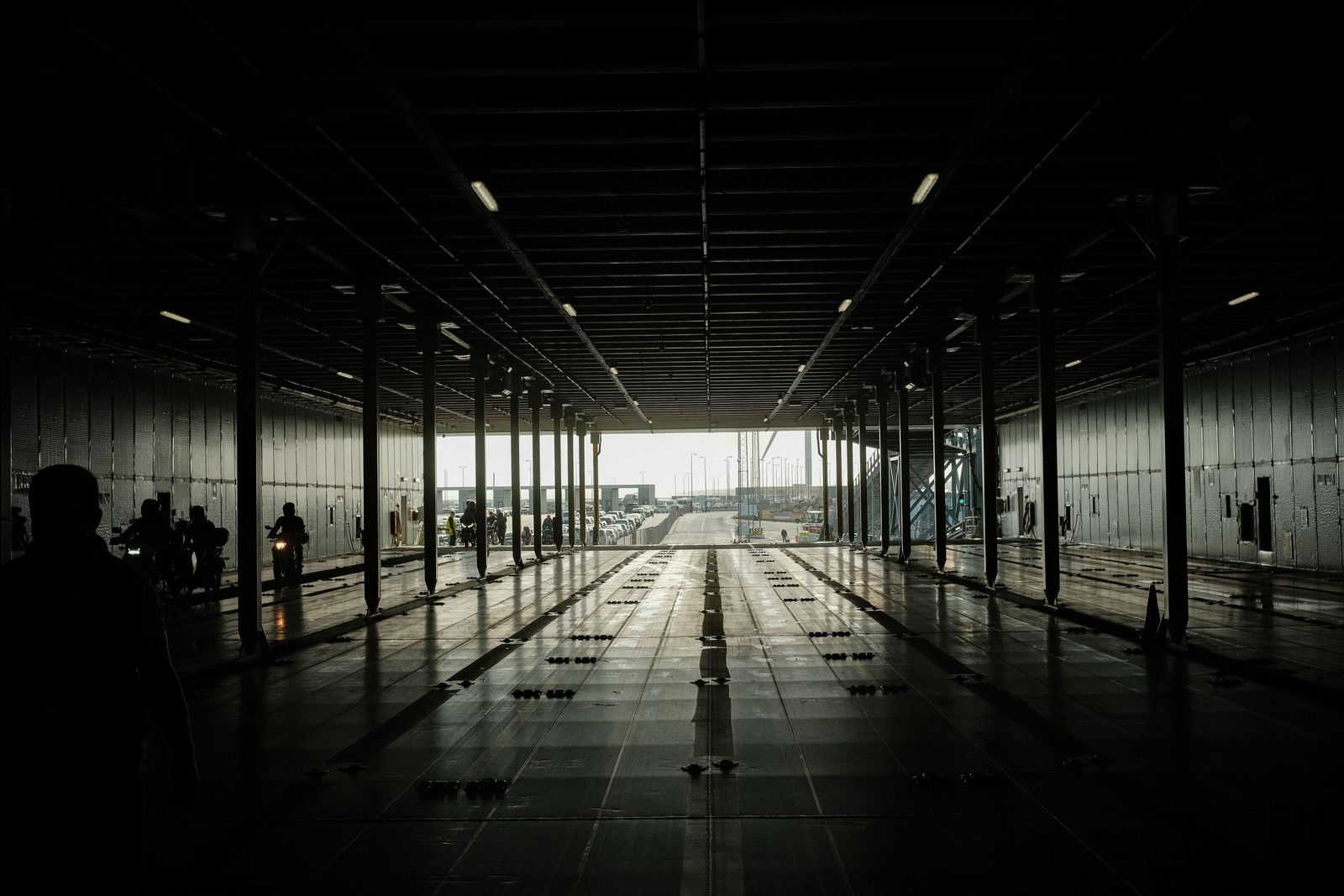
Norman Atlantic: Fighting the Wrong Deck
The 2014 Norman Atlantic fire killed around 31 people. The hold held 43 reefer trucks and 40 outlets, and the crew drenched the wrong deck.

Can Crews Find the Right Drencher in Smoke?
Not reliably. Urd's crew picked the section from memory; on Norman Atlantic, deck 3's valves were opened for a deck 4 fire. SOLAS 2026 now sets signage.

What Should a Car-Carrier Fire Drill Test?
Whether the fixed system goes in within 15 minutes. New VCSF guidelines swap the routine monthly drill for six fire scenarios of rising severity.
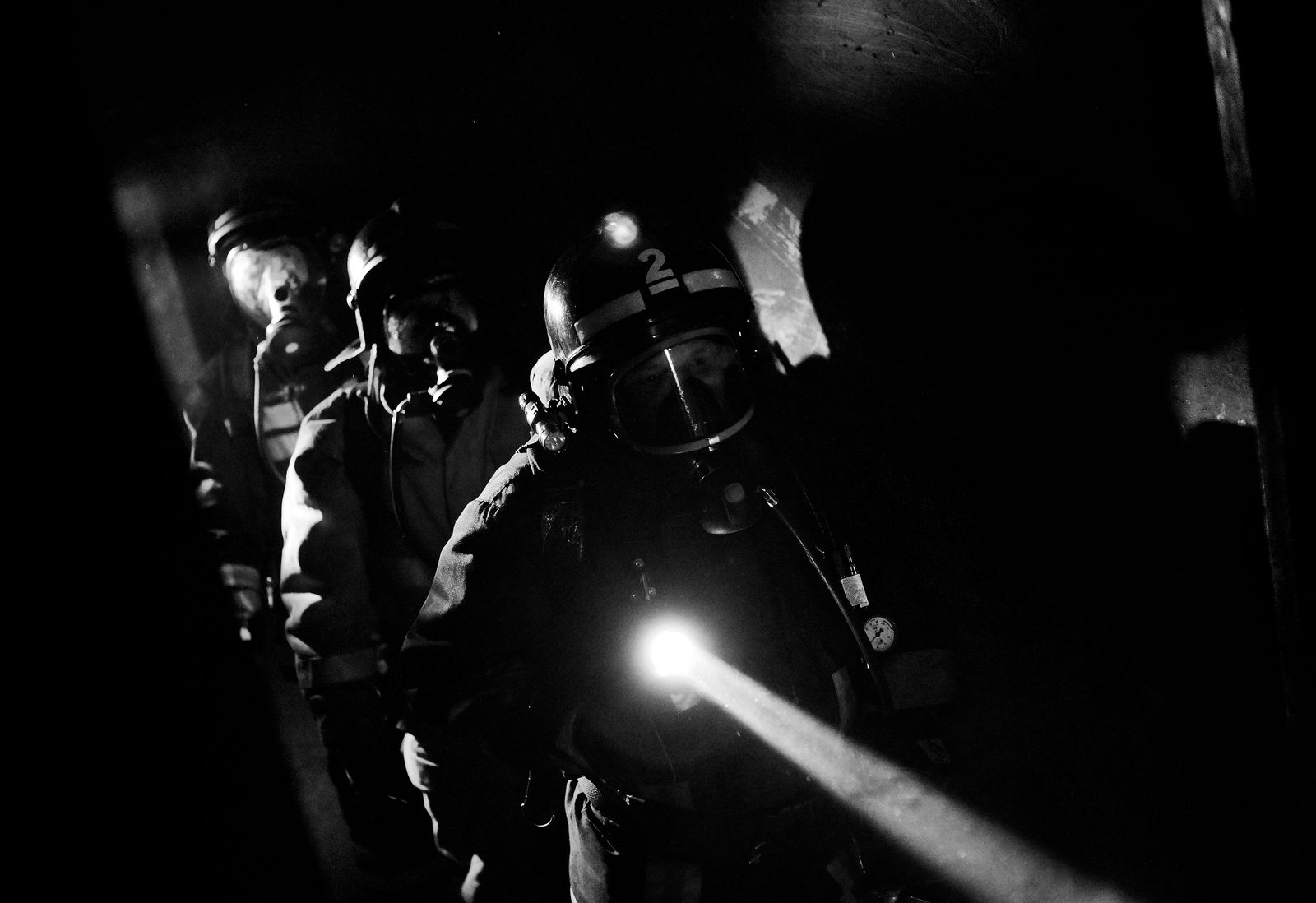
Do Fire Patrols Still Work on a Car Deck?
SOLAS still relies on fire patrols in ro-ro spaces. On a packed car deck they confirm alarms far better than they find fires, as four casualties show.

Does a Ferry Know How Many People Are Aboard?
Not always. Holiday Island's bridge had 182 passengers listed in a 2022 fire; 236 came ashore. On vehicle ferries the count can fail at the ramp.