
Will Solid-State EVs Make Car Decks Safer?

Partly, and not soon. Solid-state cells cut the flammable liquid, but lab data shows they can still run away, and decks will carry mixed packs for years.
Partly, and not soon. Solid-state cells replace most or all of the flammable liquid electrolyte, and in some failure modes they release far less heat than today's lithium-ion cells. But peer-reviewed tests show they can still go into thermal runaway, and a short circuit can still release their stored energy as heat. The cars carried in the 2030s will still be mostly liquid-electrolyte EVs, so a car deck will hold several battery chemistries at once.
What is actually on the road now?
Semi-solid packs are on sale. True solid-state cars are still announcements. Semi-solid cells keep a small amount of liquid or gel electrolyte. SAIC began delivering an MG4 with a semi-solid battery in China in December 2025, and says its liquid electrolyte is cut to about 5%. NIO's 150 kWh pack, built by WeLion, uses semi-solid cells at about 260 Wh/kg. In 2024 it was offered only by subscription through NIO's battery-swap network. All-solid-state cells, with no liquid at all, are still at sample and pilot-line stage. Toyota targets its first solid-state models for 2027–28, Samsung SDI targets 2027 production, and QuantumScape began shipping B-sample cells in 2025. Industry analysts place volume adoption around 2030.
Does removing the liquid remove the fire?
It removes much of the fuel. It does not remove the stored energy. The most-cited analysis is Bates et al. in Joule (2022), from Sandia National Laboratories. It built thermodynamic models of heat release for solid-state and lithium-ion cells under several failure scenarios. In an external fire, a hybrid cell with a little liquid at the cathode released about a fifth of the heat of a lithium-ion cell, and an all-solid-state cell released almost none. In an internal short circuit, all three designs performed alike. A cell that dumps its stored energy through a short becomes a heat source whatever its electrolyte.
Chemistry adds a second caution. Rui et al., in Energy & Environmental Science (2023), tested sulfide solid electrolytes against charged nickel-rich (NCM) cathodes. They found both glassy and crystalline sulfides released more heat than a liquid electrolyte in the same pairing. Glassy sulfides such as Li₃PS₄ reacted with oxygen from the cathode at about 200 °C, giving off large amounts of heat and toxic sulphur dioxide. Crystalline sulfides such as Li₆PS₅Cl held out until about 300 °C before reacting with cathode breakdown products. A separate 2023 study in the same journal found that polymer quasi-solid electrolytes raise the temperature at which runaway starts, but still run away once the polymer melts.
What changes for the signals a detector looks for?
The early gas signal may weaken, but heat stays. Today's first warning of a failing lithium-ion cell is usually vented electrolyte vapour: the carbonate solvents that escape before smoke or flame. A cell with 5% liquid has far less of that solvent to vent, and an all-solid-state cell has none. If a sulfide cell fails, the gases it gives off are different, sulphur dioxide among them. A heating cell still heats, though, whatever is inside it. Detection built only around one chemistry's gas fingerprint will lose some of its warning as packs change. Detection that also watches each vehicle's temperature does not depend on what the electrolyte is.
How fast will the cargo mix actually change?
Slowly, and unevenly by trade. Car carriers mostly ship new vehicles, so the deck follows the model mix of each export market. If solid-state models reach volume around 2030, they will join decks that already carry NMC and LFP lithium-ion, hybrids, early sodium-ion models and semi-solid packs. Used-EV exports keep older packs at sea for years after the new-car mix moves on. A nearer change is regulatory. China's GB 38031-2025 requires a traction battery to contain a single-cell runaway with no fire or explosion for 120 minutes. It applies to new models from 1 July 2026 and to existing approved models from 1 July 2027, whatever the chemistry. In practice, the deck of the late 2020s will hold more packs designed to fail quietly, not more packs that cannot fail.
What should operators do in the meantime?
- Don't relax a carriage policy on a chemistry claim. 'Semi-solid' and 'solid-state' are marketing categories until there is independent abuse-test and fire data.
- Ask for battery chemistry in the vehicle loading data, alongside state of charge, so the stow plan knows what is aboard.
- Treat manufacturer safety claims as cell-level results. A nail test without smoke for two hours describes one cell, not a pack on a ventilated deck at sea.
- Keep detection and response chemistry-agnostic. Heat, the vented gas mix and the time to escalate will all keep changing over the life of a ship.
How RoRoSAFE helps
Solid-state cells will change how a battery fails, not whether a deck needs to see it fail. RoRoSAFE puts an infrared thermal and battery-vent gas cell under each parked vehicle, so a heating pack shows up as temperature even as its gas signature changes with the chemistry. Alerts reach the bridge and shore naming the deck and bay. It installs alongside the berth without a drydock and complements the ship's SOLAS detection.
Pilot: one deck · installed alongside the berth · no drydock · 6 months of dashboard access
Sources
- 1. Bates, A.M. et al. (Sandia National Laboratories), 'Are solid-state batteries safer than lithium-ion batteries?', Joule 6(4):742–755, 2022.
- 2. Rui, X. et al., 'Distinct thermal runaway mechanisms of sulfide-based all-solid-state batteries', Energy & Environmental Science, 2023, DOI 10.1039/d3ee00084b: glassy sulfides (Li₃PS₄, Li₇P₃S₁₁) react with cathode-released oxygen near 200 °C, releasing heat and SO₂; crystalline sulfides (Li₆PS₅Cl, Li₁₀GeP₂S₁₂) react with transition-metal oxides near 300 °C.
- 3. Energy & Environmental Science, 2023, DOI 10.1039/d3ee03073c, safety study of quasi-solid-state (polymer) electrolytes: the polymer matrix raises the thermal-runaway trigger temperature, but runaway still occurs after the matrix melts.
- 4. SAIC Motor / MG — delivery of the semi-solid-state MG4 in China, December 2025: liquid electrolyte reduced to about 5%; manufacturer-reported nail-penetration test with no smoke, fire or explosion for two hours.
- 5. NIO / WeLion — 150 kWh semi-solid-state pack, about 260 Wh/kg, offered by subscription through battery-swap stations (Electrive, April 2024).
- 6. Announced solid-state timelines: Toyota first models 2027–28; Samsung SDI all-solid-state production target 2027; QuantumScape QSE-5 B-sample shipments 2025.
- 7. SAMR / SAC — GB 38031-2025, Safety requirements for power batteries for electric vehicles: single-cell thermal runaway with no fire or explosion for 120 minutes; mandatory for new models from 1 July 2026 and existing approved models from 1 July 2027.
Questions, answered
Are solid-state EV batteries fireproof?+
No. They replace most or all of the flammable liquid electrolyte, which cuts heat release in some failure modes. Sandia's 2022 analysis found an all-solid-state cell released almost no heat in an external fire, but performed like a lithium-ion cell in an internal short circuit. Sulfide solid electrolytes can also react with cathode oxygen at around 200–300 °C and release heat and sulphur dioxide.
Are there solid-state EVs on car carriers today?+
Only semi-solid ones, in small numbers. SAIC began delivering a semi-solid MG4 in China in December 2025, with about 5% liquid electrolyte, and NIO offers a 150 kWh semi-solid pack. True all-solid-state cars are still at sample stage. Toyota targets 2027–28 for its first models, and analysts place volume adoption around 2030.
Will solid-state batteries make EV fire detection on ships unnecessary?+
No. They change the signals rather than remove the risk. Less liquid electrolyte means less of the vented solvent vapour that warns of a failing lithium-ion cell today, and sulfide cells give off different gases. A failing cell still heats up. Car decks will also carry mixed chemistries for years, so detection needs to work regardless of chemistry.
Does China's GB 38031-2025 matter more than solid-state for ships?+
In the near term, yes. GB 38031-2025 requires a pack to contain a single-cell runaway with no fire or explosion for 120 minutes. It applies to new models from 1 July 2026 and to existing approved models from 1 July 2027, whatever the chemistry. It will reach far more vehicles on car decks this decade than solid-state cells will.
Continue the thread

Does LFP vs NMC Chemistry Change Fire Risk?
Partly. LFP cells run cooler and don't release oxygen like NMC, so they burn less violently — but still vent toxic, flammable gas on a packed deck.
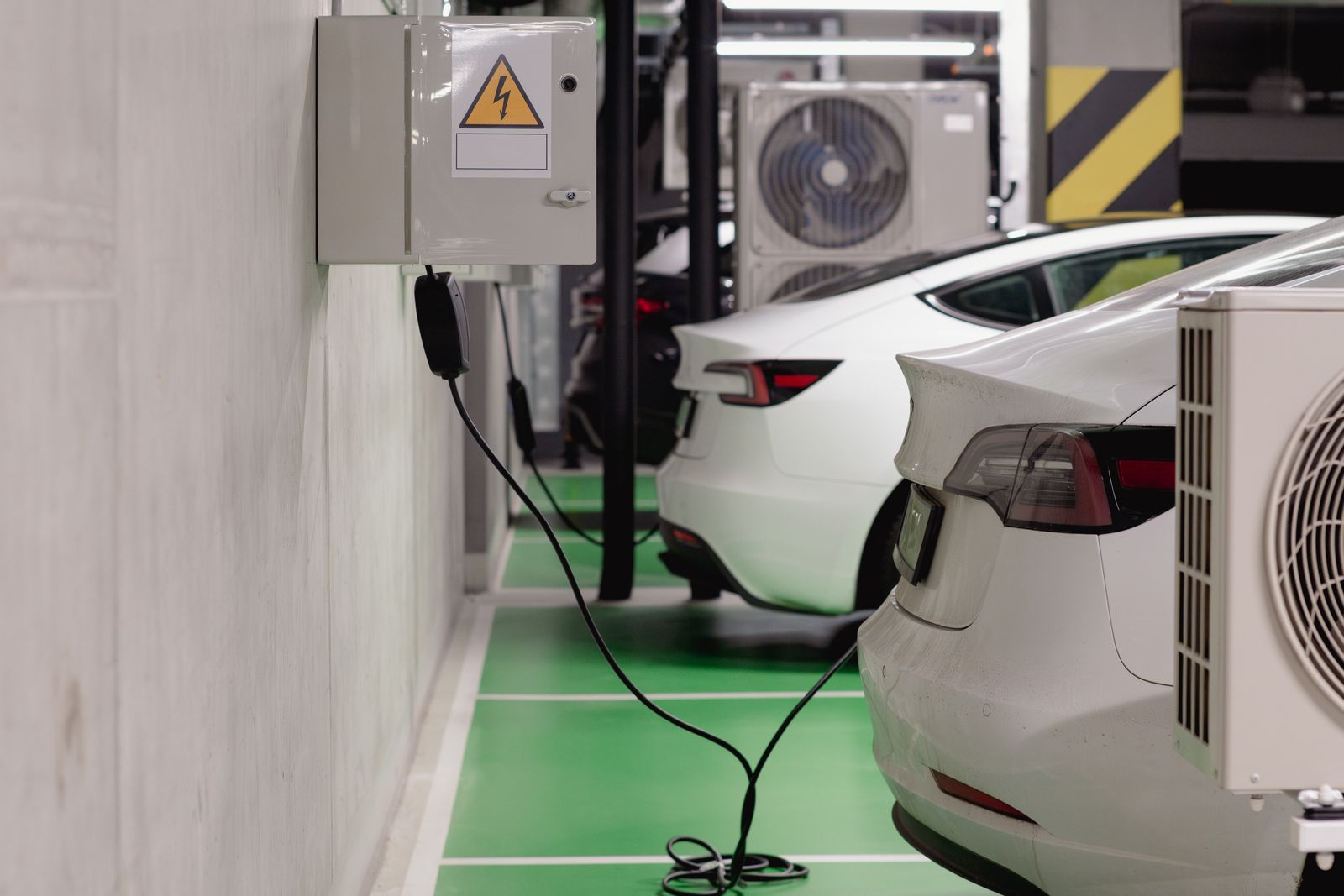
Does GB 38031 Change Marine Detection?
GB 38031-2025 makes an EV pack contain a cell runaway for 120 minutes with no fire. At sea that makes silent off-gas detection more vital, not less.
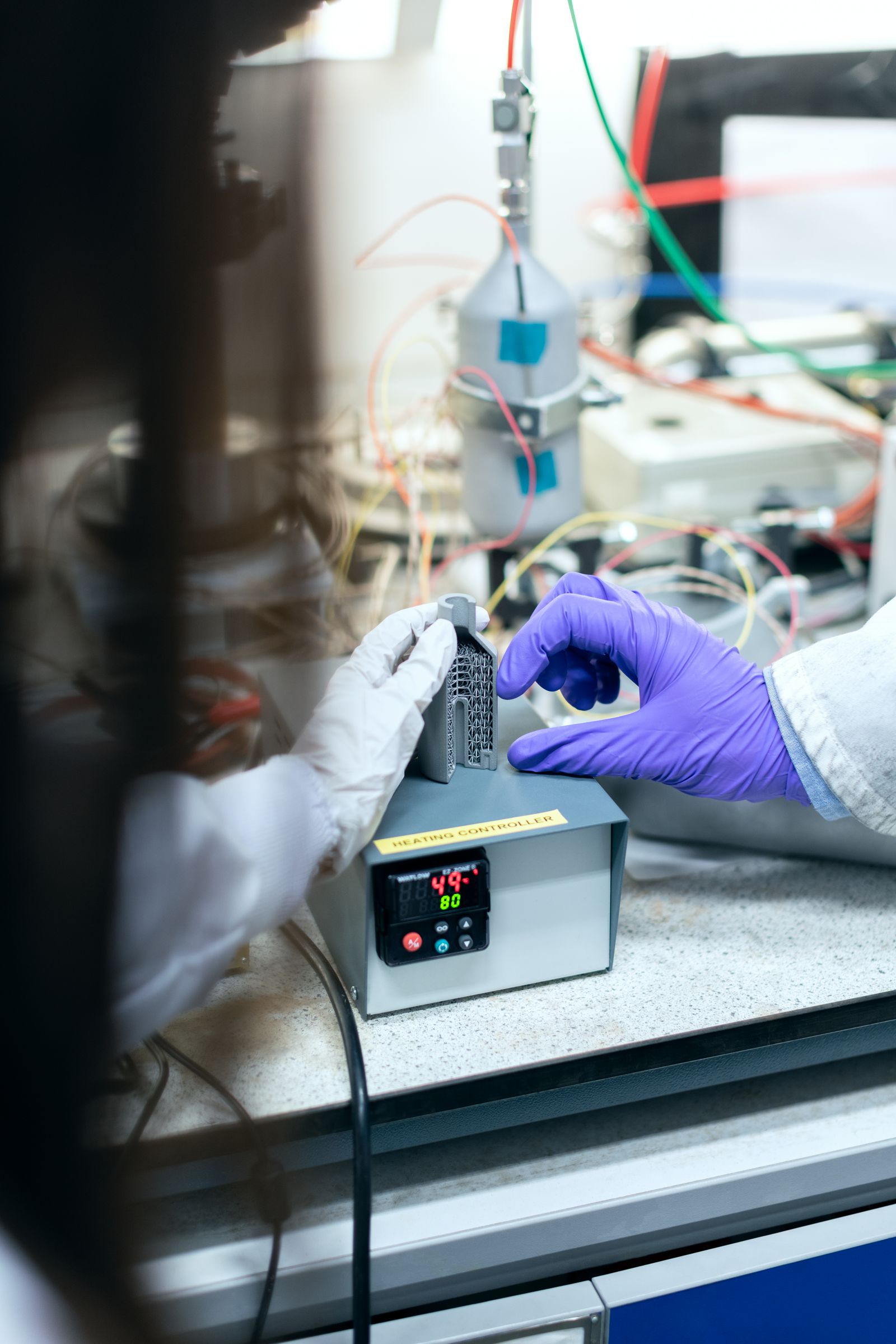
Do Sodium-Ion Cells Need New Thresholds?
Yes. NVPF sodium-ion peaks at 265°C against LFP's 446°C and NMC's 1050°C, and carries only 15% hydrogen. The safest chemistry is the hardest to see.
Can Electrolyte Vapour Warn Before Fire?
A failing lithium cell vents electrolyte-solvent vapour — DMC boils near 90°C — before any combustion gas or heat. That VOC is the earliest signature.

Are Used EV Exports a Hidden Fire Risk?
Yes — used EVs ship with unknown state of charge and hidden accident damage, the conditions the NTSB links to higher fire risk than new cars.

What the New Vehicle Loading Guidance Requires
ICS/IGP&I Common Guidance sets a booking-to-discharge data chain for vehicles: declared propulsion type, recorded SOC, and an OEM emergency guide.