
Do Sodium-Ion Cells Need New Thresholds?
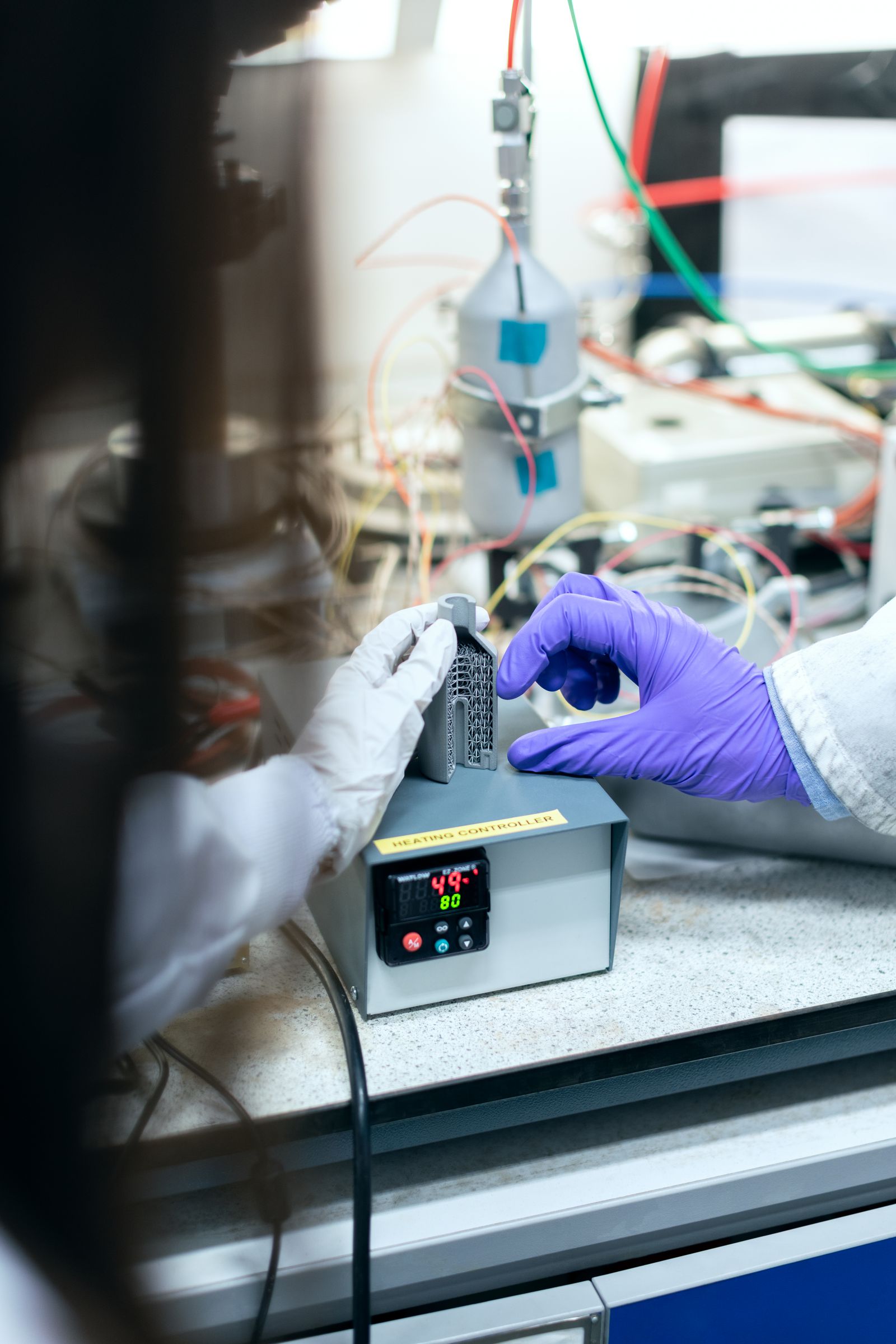
Yes. NVPF sodium-ion peaks at 265°C against LFP's 446°C and NMC's 1050°C, and carries only 15% hydrogen. The safest chemistry is the hardest to see.
Yes, and in the direction that catches people out. Sodium-ion is genuinely the milder chemistry on every severity measure — lower peak temperature, slower temperature rise, higher trigger threshold. Those same properties make it the hardest of the three to detect. A deck tuned on NMC already under-warns on LFP; add sodium-ion and it under-warns further, on the thermal channel and the hydrogen channel at the same time.
Where sodium-ion actually sits
It is not simply 'between' the two lithium chemistries — it sits differently on each axis, which is the whole problem. On gas volume it is in the middle: comparative bench work puts NVPF sodium-ion at about 0.05 mol/Ah of vent gas, against roughly 0.02 for LFP and 0.07 for NMC. So on quantity alone, a sodium-ion vent is not the faintest event a detector has to catch. On temperature it is nowhere near the middle. Maximum vent-gas temperature runs about 265°C for NVPF sodium-ion, 446°C for LFP and 1050°C for NMC — sodium-ion peaks at roughly a quarter of the NMC figure and well under two-thirds of LFP's. And the composition moves too: where LFP's vent stream is about 41% hydrogen and NMC's about 19%, NVPF sodium-ion is around 42% CO₂, 17% electrolyte solvent, 15% hydrogen and 10% CO.
The thermal channel is where it breaks
A 265°C peak is a thin thermal signature to build an alarm on, and the rate of rise is thinner still. The sibling argument for LFP was that its cooler vent starves a detection scheme calibrated on NMC's extremes; sodium-ion starves it considerably harder, because the whole thermal event is smaller in both magnitude and slope. Comparative studies report sodium-ion temperature rise rates above roughly 2 K/s against above 10 K/s for lithium-ion — a factor of five on the slope. A rate-of-rise trigger tuned to catch a lithium event may simply never satisfy its condition on a sodium-ion cell, and a magnitude threshold set against NMC's 1050°C has an enormous amount of headroom above anything sodium-ion will produce. Reported onset figures point the same way: sodium-ion cells have been measured with self-heating onset around 102°C at full charge and a thermal-runaway trigger near 221°C, higher than comparable lithium cells. Safer to initiate, and quieter once initiated.
The gas channel moves away from hydrogen
Hydrogen is the most useful primary for LFP and it is the weakest for sodium-ion, which inverts the tuning logic. At about 15% of the vent stream, sodium-ion's hydrogen fraction is the lowest of the three — roughly a third of LFP's 41%. What replaces it is the least helpful species available: CO₂ at around 42%. A vehicle deck carries a substantial and highly variable ambient CO₂ background driven by ventilation state, and on a ro-pax by people as well, so a CO₂-dominant signature is competing against exactly the noise a detector cannot subtract reliably. Carbon monoxide at 10% is lower than either lithium chemistry, so it does not rescue the discrimination either.
The one channel that gains is the earliest one. At roughly 17%, electrolyte solvent is proportionally the richest component of the sodium-ion vent stream relative to the other two chemistries — which means the volatile-organic signature that precedes combustion gases carries proportionally more of the total signal here than it does for LFP or NMC. If a scheme is going to hold up across three chemistries, the solvent-vapour channel earns more weight for sodium-ion than the hydrogen channel it is usually paired behind.
Setting thresholds for a three-chemistry deck
- Treat the envelope as three-chemistry now, not two. Under IMDG Amendment 42-24 sodium-ion vehicles have their own entry, so a mixed vehicle deck can carry NMC, LFP and sodium-ion simultaneously with nothing on the manifest to distinguish them.
- Do not carry hydrogen forward as the assumed primary. It is the strongest channel for LFP and the weakest for sodium-ion; a scheme that leans on it inherits a blind spot as sodium-ion share rises.
- Set thermal magnitude and rate-of-rise against the mildest chemistry present, not the average. A threshold that comfortably catches NMC may never be satisfied by a 265°C peak rising at 2 K/s.
- Weight the electrolyte-vapour channel higher where sodium-ion is expected — it is proportionally the richest part of that vent stream, and it is the earliest signature available on any of the three.
- Be explicit about which cathode chemistry a threshold was derived from. 'Sodium-ion' is not yet a single detection target, and a spec that does not name the cell it was tuned against cannot be audited later.
How RoRoSAFE helps
A mixed-chemistry deck needs a detection scheme that does not depend on one chemistry's signature. RoRoSAFE fuses per-vehicle thermal and vent-gas channels, so a cell with a weak thermal signal can still be caught on the other channel. It watches each vehicle against its own baseline and flags a developing event before visible smoke, whatever is in the pack.
Pilot: one deck · installed alongside the berth · no drydock · 6 months of dashboard access
Sources
- 1. Batteries (MDPI), 2025, 11(9):323 — 'NVPF Sodium-Ion Versus NMC and LFP Lithium-Ion Batteries in Thermal Runaway: Vent Gas Composition and Thermal Analysis'. Per-Ah vent-gas volume: LFP ~0.02, NVPF sodium-ion ~0.05, NMC ~0.07 mol/Ah. Composition: LFP ~41% H₂ / 27% CO₂ / 8% CO; NVPF sodium-ion ~42% CO₂ / 17% electrolyte solvent / 15% H₂ / 10% CO; NMC ~36% CO / 24% CO₂ / 19% H₂. Maximum vent-gas temperature: NVPF ~265°C, LFP ~446°C, NMC ~1050°C.
- 2. Comparative sodium-ion vs lithium-ion thermal-runaway studies (Journal of Power Sources / Journal of Energy Storage, 2025): thermal-runaway onset reported at 135–165°C for sodium-ion against 140–172°C for lithium-ion; sodium-ion self-heating onset ~102°C at 100% SoC with thermal-runaway trigger ~221°C; temperature rise rate above ~2 K/s for sodium-ion against above ~10 K/s for lithium-ion; maximum pressures 1.2–4 bar for sodium-ion against 1.42–5.8 bar for lithium-ion.
- 3. IMDG Code Amendment 42-24: sodium-ion is formally brought into scope, with sodium-ion battery powered vehicles carried under their own UN entry (UN 3558) rather than the retired generic UN 3171 — imo.org.
- 4. Sodium-ion cathode chemistries are not a single detection target: NVPF (sodium vanadium phosphate fluoride) and layered-oxide sodium-ion cells are distinct materials families with different thermal behaviour, and the comparative figures above describe NVPF specifically.
- 5. Companion RoRoSAFE analysis — 'LFP vs NMC: Tuning Detection Thresholds' (the two-chemistry envelope this post extends), 'Can Electrolyte Vapour Warn Before Fire?' (the solvent channel that gains weight here), and 'EVs Got a New UN Number — Does It Help?' (how sodium-ion vehicles enter the cargo mix).
Questions, answered
Is sodium-ion safer than lithium-ion?+
On severity, yes. Reported peak vent-gas temperature for NVPF sodium-ion is around 265°C against 446°C for LFP and 1050°C for NMC, the temperature rise rate is roughly five times slower, and self-heating onset and thermal-runaway trigger temperatures are higher. Lower pressures have also been reported. Those are real advantages — they just do not make it easier to detect.
Why is a safer chemistry harder to detect?+
Because detection depends on signal strength, not hazard severity, and the two point opposite ways here. A 265°C peak rising at about 2 K/s produces a far thinner thermal signature than an NMC event, so magnitude and rate-of-rise thresholds calibrated on lithium may never be satisfied. The milder the event, the less there is for a detector to see.
Does hydrogen still work as the primary gas channel?+
Not for sodium-ion. Hydrogen is about 15% of the NVPF sodium-ion vent stream against roughly 41% for LFP, so the channel that serves LFP best serves sodium-ion worst. The dominant species is CO₂ at around 42%, which is the weakest discriminator on a vehicle deck because ambient CO₂ varies with ventilation and, on a ro-pax, with people.
Do these numbers apply to all sodium-ion cells?+
No. They describe NVPF — sodium vanadium phosphate fluoride — which is one cathode chemistry, not the class. Layered-oxide sodium-ion cells are a separate materials family with different thermal behaviour and are an active research line. Treating one cathode's vent profile as representative of all sodium-ion would repeat the single-chemistry mistake this analysis exists to avoid.
Continue the thread

LFP vs NMC: Tuning Detection Thresholds
LFP vents about a third the gas of NMC and burns far cooler, but proportionally richer in hydrogen. A detector tuned only on NMC under-warns on LFP.
Can Electrolyte Vapour Warn Before Fire?
A failing lithium cell vents electrolyte-solvent vapour — DMC boils near 90°C — before any combustion gas or heat. That VOC is the earliest signature.
EVs Got a New UN Number — Does It Help?
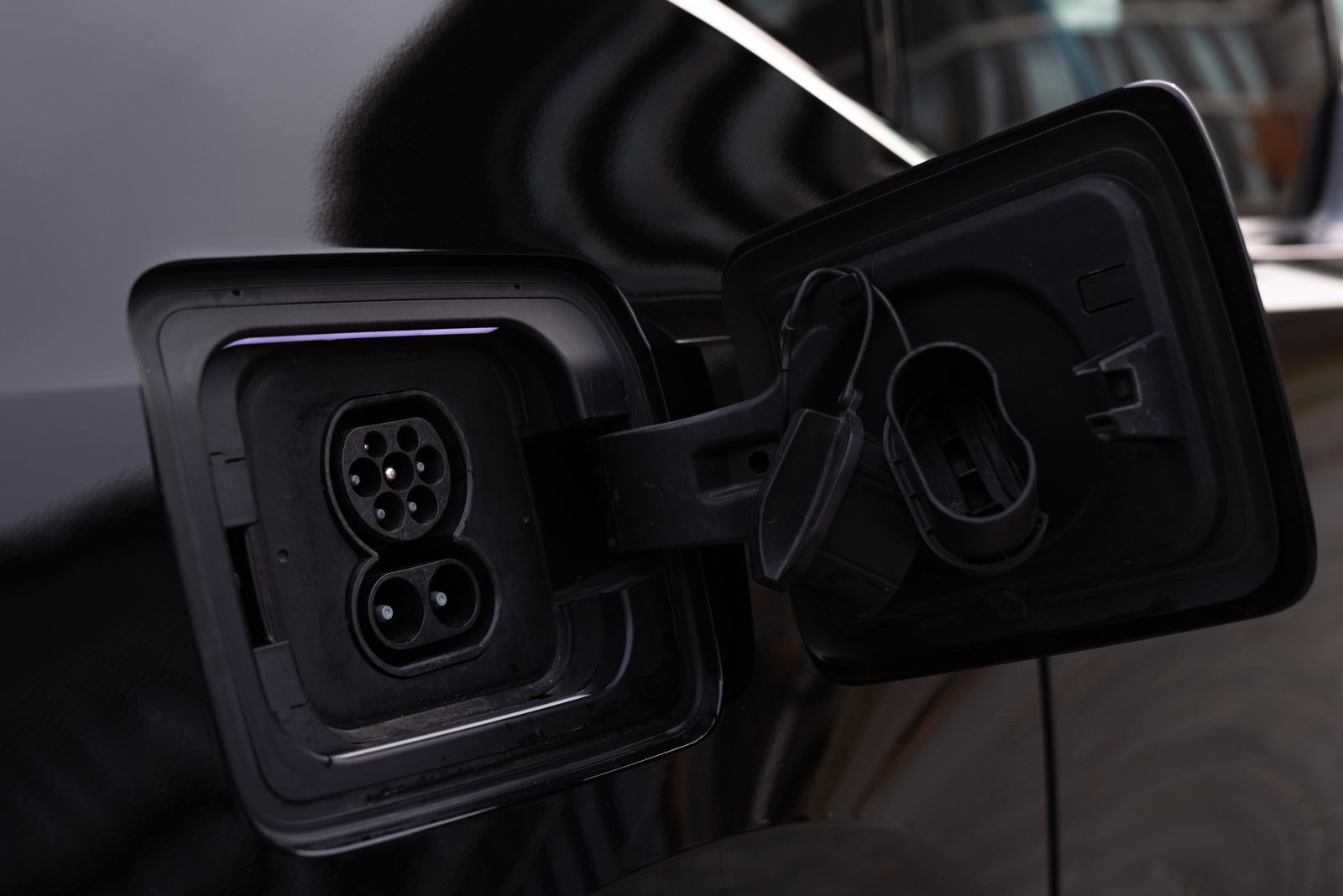
From IMDG 42-24, lithium EVs ship as UN 3556, not the generic UN 3171. But SP 961 still exempts them on a ro-ro, so the code rarely reaches the deck.

Baselining a Three-Chemistry Car Deck
The manifest never says which chemistry is aboard. So a mixed deck cannot be baselined per chemistry — only per position, against the weakest signal.