
What Will the 2027 P&I Renewal Ask of RoRo?

Brokers expect a 2.5–5% general increase at the February 2027 P&I renewal. For car carriers and ro-ros, each fleet's own fire record sets the real price.
A modest headline and a hard individual conversation. Ahead of the 20 February 2027 renewal, Gallagher projects International Group general increases of 2.5–5%, and Lockton expects around 5%. That is below the roughly 6% of 2026. For car-carrier and ro-ro owners, the general increase is only the floor. Each fleet's fire record and evidence will decide what it actually pays.
The timing matters now, not in February. Clubs publish their renewal circulars in the autumn, brokers submit fleet information before Christmas, and the individual negotiation runs through January. An owner who wants a car-deck fire programme to count at this renewal has to put it in front of the club in the next three months.
What do brokers expect for February 2027?
Another increase, but a smaller one. Gallagher's pre-renewal analysis, published in September 2026, projects general increases of 2.5% to 5% for the 2027/28 policy year. Lockton's September market report points to an average of about 5%. At the 2026 renewal, broker trackers recorded a mean of about 6%, with five clubs at 5% and the highest at 8%.
Tysers' annual report describes the coming season as potentially 'comparatively benign'. It notes that all twelve clubs finished 2025/26 in overall surplus, and its author suggests the strongest clubs should consider returning excess funds to members. It also expects many clubs to keep asking for increases as they work towards a balanced underwriting result. Club circulars, due over the autumn, will set the actual figures.
Why is the market calmer but not cheaper?
Because investment income, not underwriting, produced the surplus. Gallagher puts the market-wide underwriting loss for 2025/26 at about US$250 million, a 28% improvement on the prior year's US$352 million deficit. The average combined ratio was 105–108%, so clubs still paid out more in claims and costs than they took in premium. Investment gains of about US$1.1 billion turned that into a surplus and lifted free reserves to around US$6.8 billion. Only five of the twelve clubs made a technical profit, according to Tysers.
Reinsurance is the other pressure. Gallagher reports that the International Group raised its reinsurance programme limit by US$250 million, so a claim of up to US$3.35 billion is now protected, including US$1 billion of overspill cover. Pool retained losses for 2025/26 were a little over US$300 million and may rise. After the Dali bridge strike, Gallagher expects reinsurance rates to rise further into 2027/28, with the sharpest focus on fully cellular container ships.
Where do car carriers and ro-ros sit in this?
On their own record, with fire as the exposure underwriters watch. The general increase applies to every member, but P&I is mutual and priced on each fleet's claims history and risk profile, so two car-carrier operators can see very different results. Allianz's 2026 review records a vehicle-carrier fire roughly every 37 days. More than 200 large-vessel fires occurred in 2025, the second-highest total in a decade.
The P&I bill from a serious car-carrier casualty can be very large. Insurers paid around US$900 million on Golden Ray, most of it for wreck removal. Wreck removal, pollution, crew injury and place-of-refuge costs all land in P&I, while the hull and cargo losses sit with other markets. A fleet that has had a fire, or that carries a high share of used or electric vehicles, should expect the questions to start there.
What should owners do between now and 20 February?
Assemble the evidence early and give it to the broker before the submission goes in.
- October–November: brief the broker on the fleet's fire-risk controls, and read each club circular as it lands for general increase, deductible and any vessel-type commentary.
- Before submissions: compile the loss record with root causes and corrective actions, the state-of-charge and used-vehicle loading policy, and the 2026 SOLAS compliance status for each ro-pax.
- Detection evidence: what is fitted beyond the SOLAS minimum, how alarms reach the bridge, and records showing it works, such as alarm logs, false-alarm rates and drill reports.
- December–January: answer club questionnaires with documents rather than assurances, and ask directly what evidence would move the individual rating.
- Plan the next renewal too. Controls introduced after February count from 2028, so pilots and retrofits started now should be designed to produce reviewable data.
What could change the picture before February?
A large casualty, the reinsurance placement, or a surprise in the circulars. A major vehicle-carrier fire with a wreck-removal tail before the renewal would reset the conversation for the whole sector. The International Group's reinsurance placement, settled over the autumn, will fix how much of the Dali-driven cost reaches each vessel type. Tysers has said it will publish a further update on clubs' renewal strategies in December.
How RoRoSAFE helps
At this renewal a car-carrier fleet is priced on its own fire record and the evidence behind it. RoRoSAFE gives owners per-vehicle infrared thermal and battery-vent gas detection beneath each parked vehicle, with tamper-evident logs and export-ready reports that can go straight into a broker submission. A one-deck pilot includes a joint insurer and class review at the end of six months. It complements SOLAS detection and suppression; it replaces neither.
Pilot: one deck · installed alongside the berth · no drydock · 6 months of dashboard access
Sources
- 1. Reinsurance News — 'P&I reinsurance rates expected to increase further heading into 27/28 renewals: Gallagher Specialty' (8 September 2026): general increase range 2.5–5% for 2027/28; International Group programme limit up US$250 million, claims up to US$3.35 billion protected including US$1 billion overspill; pool retained losses 2025/26 just over US$300 million; average combined ratio 105–108%; market-wide loss US$250 million vs US$352 million prior year; investment gain about US$1,125 million; free reserves about US$6.8 billion, up US$850 million; gross premium up just over 5%; further reinsurance rate rises expected with focus on fully cellular container vessels.
- 2. Insurance Business UK — 'P&I Clubs post surplus across the board as reserves near US$6.8 billion' (23 September 2026), citing Tysers' annual P&I report 2025/26 and Gallagher Specialty: all twelve clubs in overall surplus; five positive technical results; 'comparatively benign renewal season' hoped; strongest clubs urged to consider returning excess funds; Tysers update planned for December.
- 3. Lockton — September 2026 P&I market report (24 September 2026): expected average 2027/28 general increase of about 5%; 2025/26 combined ratio 102.5%, down from 104.9%.
- 4. Lockton, Marsh and Gallagher 2026 renewal trackers, as summarised in RoRoSAFE's 'P&I Renewal 2026 — What Changed for RoRo Tonnage': mean general increase about 6%, seven clubs at 5%, highest 8%.
- 5. Allianz Commercial — Safety & Shipping Review 2026 (June 2026): a vehicle-carrier fire roughly every 37 days; more than 200 large-vessel fires in 2025, the second-highest total of the decade.
- 6. TradeWinds — 'Insurers pay out $900m as car carrier claims soar': about US$900 million paid on Golden Ray, mostly related to wreck removal.
Questions, answered
What general increase is expected at the 2027 P&I renewal?+
Brokers expect a smaller increase than in 2026. Gallagher projects general increases of 2.5% to 5% across the International Group clubs for 2027/28, and Lockton expects an average of about 5%, against roughly 6% at the 2026 renewal. Clubs set the actual figures in their autumn circulars ahead of the 20 February 2027 renewal date.
Are P&I clubs profitable going into 2027?+
Overall yes, but not from underwriting. Gallagher estimates an average combined ratio of 105–108% for 2025/26 and a market-wide underwriting loss of about US$250 million. Investment gains of around US$1.1 billion produced surpluses at all twelve clubs and lifted free reserves to about US$6.8 billion.
How will car carriers be priced at the P&I renewal?+
Mainly on their own record. The general increase applies to all members, but each fleet's claims history, cargo profile and evidence of risk controls drive its individual rating. Fire is the exposure underwriters focus on for vehicle carriers, because a serious fire can bring wreck-removal, pollution and crew claims, as Golden Ray's roughly US$900 million payout showed.
What evidence helps a car-carrier owner at P&I renewal?+
Documents rather than assurances: the loss record with root causes and corrective actions, state-of-charge and used-vehicle loading policies, SOLAS compliance status, and records of detection fitted beyond the minimum, such as alarm logs, false-alarm rates and drill reports. It needs to reach the broker before the submission, typically before the end of the year.
Continue the thread

P&I Renewal 2026 — What Changed for RoRo Tonnage
The 2026 P&I renewal set a ~6% average general increase across the International Group. For car carriers, each fleet's record sets the real price.

Can a Car Carrier Fire Hit the P&I Pool?
One car-carrier fire rarely breaks the reinsurance tower — but its wreck-removal and pollution tail climbs fast into the P&I pool every owner funds.
Is Wreck Removal a Car Carrier's Biggest Risk?
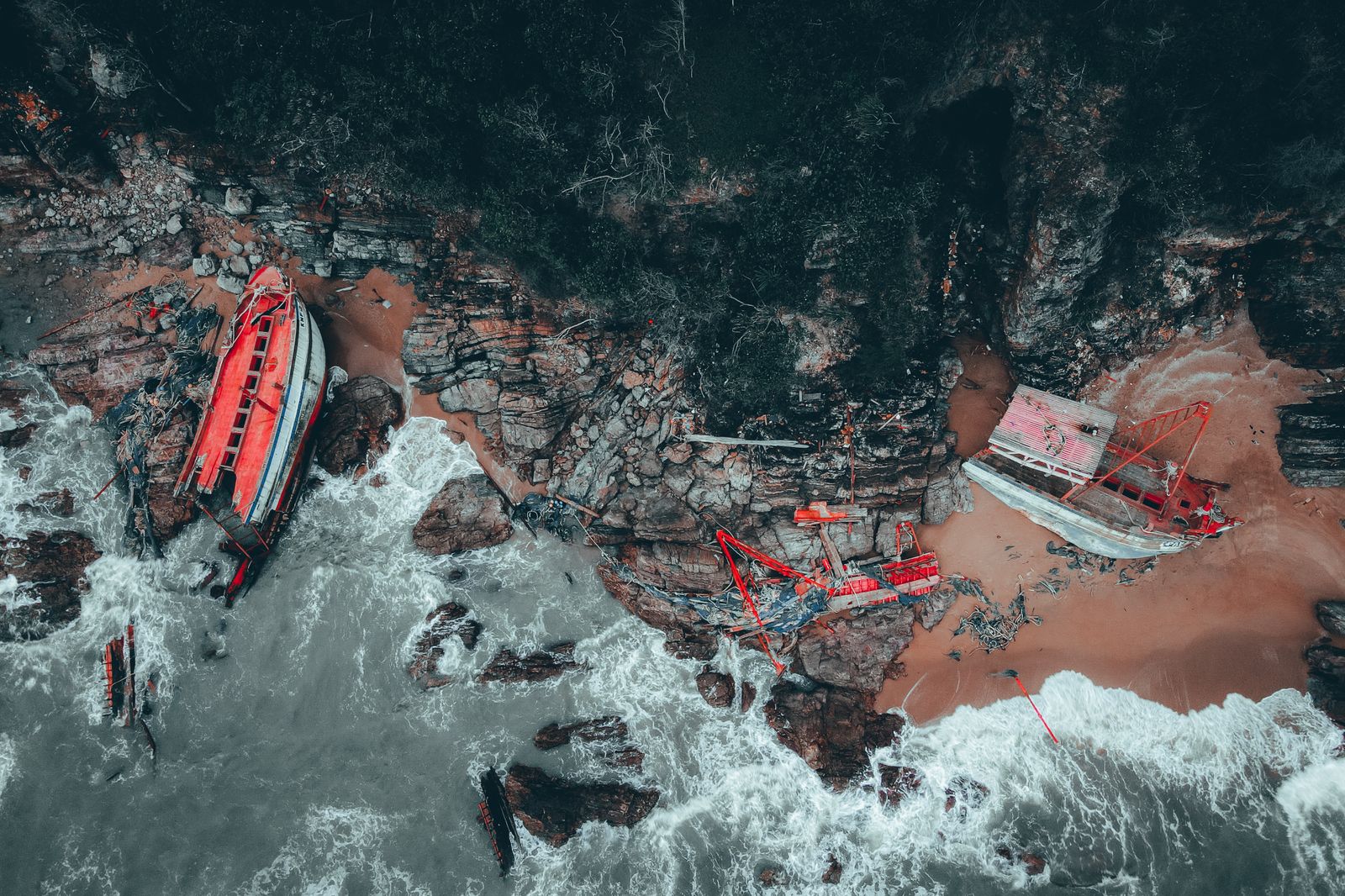
Under the Nairobi Convention, removing a wreck is strict-liability — and many states cap it at nothing. On Golden Ray it ran ~13x the hull value.

A Vehicle-Carrier Fire Every 37 Days
Allianz's Safety & Shipping Review 2026 records a vehicle-carrier fire every 37 days and warns the EV fire risk at sea is 'not under control'.

Does Detection Pay Back Against One Fire Loss?
Yes, lopsidedly. A single car-carrier fire runs into the hundreds of millions; a per-vessel detection retrofit is a fraction of one hull deductible.

Scenario: How Insurers Evaluate Detection
Reference scenario: how a hull underwriter, a Lloyd's syndicate, a P&I club and a loss adjuster would test whether detection evidence holds up.