
What If an Island's Freight Ferry Burns?

Blue Carrier 2's fire trapped freight for Samos, Kos and Rhodes. What a freight ro-ro fire costs islands, hauliers and cargo owners beyond the ship.
When an island's freight ferry burns, the loss reaches far beyond the ship. The fire on Blue Carrier 2 on 25 September 2026 trapped 166 lorries and trailers on a Piraeus–Syros–Samos–Kos–Rhodes service. 38 of them were bound for Samos, and freight for Rhodes and Kos stayed aboard a ship that was still burning days later. Islands, hauliers and cargo owners all carry part of the cost.
The fire-safety facts of that casualty are covered in our earlier post. This one follows the cargo: who waits for it, who owned it, and who pays when a single freight ro-ro drops out of an island network with no warning.
The islands: one ship is a supply line
For an island, a freight ro-ro is not one ship among many; it is the scheduled delivery of fuel, food and building materials. Blue Carrier 2 ran a fixed rotation from Piraeus through Syros and Vathy on Samos to Kos and Rhodes. Local reports said freight for Rhodes and Kos remained trapped aboard, and 38 of the units were destined for Samos, raising concern over local supplies and commercial activity.
Replacement capacity does not appear overnight. Within days, Dodecanese MP Manos Konsolas called for alternative arrangements to prevent disruption to supplies for Rhodes and Kos, and said he would contact the shipping ministry about alternative freight services. Until that capacity is found, trucks move to passenger ro-pax sailings with limited lane space, and the islands at the end of the route wait longest.
The hauliers: the truck is cargo too
On a ro-ro, the haulier loses the load, the trailer and often the tractor unit in one event. Most of Blue Carrier 2's units were lorries and unaccompanied trailers; only one driver was aboard. A fire that spreads through a garage destroys the working asset along with the goods, so a small operator can lose both its income and the means to earn it.
Recovering that loss from the ship is harder than hauliers expect. Under the Hague-Visby Rules, which govern much international sea carriage, a carrier is not liable for loss from fire unless it was caused by the carrier's own actual fault or privity. Domestic services are governed by national law and the ferry's terms of carriage, but the practical lesson is the same: a haulier's own vehicle and goods-in-transit cover pays first, and pays faster.
The cargo owners: general average and perishables
Cargo owners can be asked to pay even when their goods survive. When a shipowner spends extraordinarily to save ship and cargo from a common danger, such as salvage tugs and firefighting at sea, it can declare general average. Every cargo interest then contributes in proportion to the value saved, and the carrier can hold cargo until security is posted. Whether Blue Carrier 2's owner has declared general average has not been reported.
Perishables fail first. Greek press described the lorries' loads as supermarket goods, including meat and dairy. After days aboard a burning, unpowered ship, chilled cargo is a loss whether or not the flames reached it, and a claim for it runs through cargo insurance, not the carrier.
The operator: a fleet one ship short
For the operator, the ship's own damage is only part of the bill. Attica Group said the vessel's firefighting procedures were activated immediately and that it had appointed specialist companies for environmental protection and management of the ship. A local outlet reported the ship may be a total loss. Either way, the operator now has a scheduled freight service to cover with one ship fewer, plus salvage, possible wreck handling and the claims that follow.
What shippers and operators can do before the next one
- Hauliers: carry goods-in-transit and vehicle cover that responds to a sea leg, and check it includes general average contributions.
- Island suppliers: spread time-critical loads such as fuel, medicine and fresh food across more than one sailing or operator where the network allows.
- Operators: have a continuity plan that names which vessel covers which rotation if one ship is lost, and how passenger ro-pax lane space is allocated to freight in the meantime.
- Operators: treat the freight garage as the high-value space it is. The earlier a fire is found, the more likely the loss stays with one trailer instead of the whole ship.
How RoRoSAFE helps
The cause of the Blue Carrier 2 fire is not yet known, but the cost pattern is clear: once a garage fire spreads, the loss reaches islands, hauliers and cargo owners as well as the ship. RoRoSAFE puts a thermal and battery-vent gas sensor cell under each parked vehicle and alerts the bridge and shore to the deck and bay before visible smoke. It complements SOLAS detection and suppression; it does not replace them.
Pilot: one deck · installed alongside the berth · no drydock · 6 months of dashboard access
Sources
- 1. Breakbulk News — 'Blue Carrier 2 fire disrupts Aegean freight as salvage operation continues' (September 2026): scheduled service Piraeus–Syros–Vathy–Kos–Rhodes–Kos–Piraeus; 166 trucks and 29 cars; 38 units destined for Samos; freight for Rhodes and Kos trapped aboard; Attica Group statement; Manos Konsolas MP on alternative freight services.
- 2. The Maritime Executive — 'Greek Cargo Ro/Ro Continues to Burn After Three Days' (27 September 2026): still burning on day three; towed south-west of Tinos.
- 3. SAFETY4SEA — 'Fire still burning aboard Blue Carrier 2 as response enters third day' (September 2026): trucks and unaccompanied trailers; possible total loss per Cyclades24; preliminary investigation by the Tinos port authority.
- 4. Shippax — 'Fire on board RoRo BLUE CARRIER 2 north of Mykonos, all 29 evacuated safely' (25 September 2026): 28 crew and one lorry driver aboard.
- 5. To Vima — 'Crews Work to Stabilize Blue Carrier 2, Fire Partially Contained' (26 September 2026): lorry loads described as supermarket goods including meat and dairy.
- 6. Hague-Visby Rules, Article IV(2)(b): carrier not responsible for loss or damage arising from fire, unless caused by the actual fault or privity of the carrier.
- 7. York-Antwerp Rules (as incorporated in the contract of carriage): general average contribution and security.
Questions, answered
How did the Blue Carrier 2 fire affect island supplies?+
Blue Carrier 2 ran a scheduled freight service from Piraeus to Syros, Samos, Kos and Rhodes. When it caught fire on 25 September 2026, 38 of its 166 lorries and trailers were bound for Samos, and freight for Rhodes and Kos was trapped aboard. A Dodecanese MP asked the shipping ministry for alternative freight services to protect supplies.
Can hauliers claim from the ferry operator after a fire?+
It is often difficult. Under the Hague-Visby Rules, a carrier is not liable for fire loss unless it was caused by its own actual fault or privity, and domestic services follow national law and the ferry's terms of carriage. In practice, a haulier's own vehicle and goods-in-transit insurance pays first and faster than a claim against the ship.
What is general average and why does it matter to cargo owners?+
General average is the rule that when a shipowner spends extraordinarily to save ship and cargo from a common danger, such as salvage and firefighting, every cargo interest contributes in proportion to the value saved. The carrier can hold cargo until security is posted, so uninsured owners may have to pay cash before getting their goods back, even if undamaged.
How can island supply chains reduce the risk of one ferry being lost?+
Suppliers can spread time-critical loads across more than one sailing or operator, hauliers can carry insurance that responds to a sea leg and to general average, and operators can plan which vessel covers each rotation if one ship is lost. Finding a garage fire early also matters, because it decides whether the loss is one trailer or the whole ship.
Continue the thread
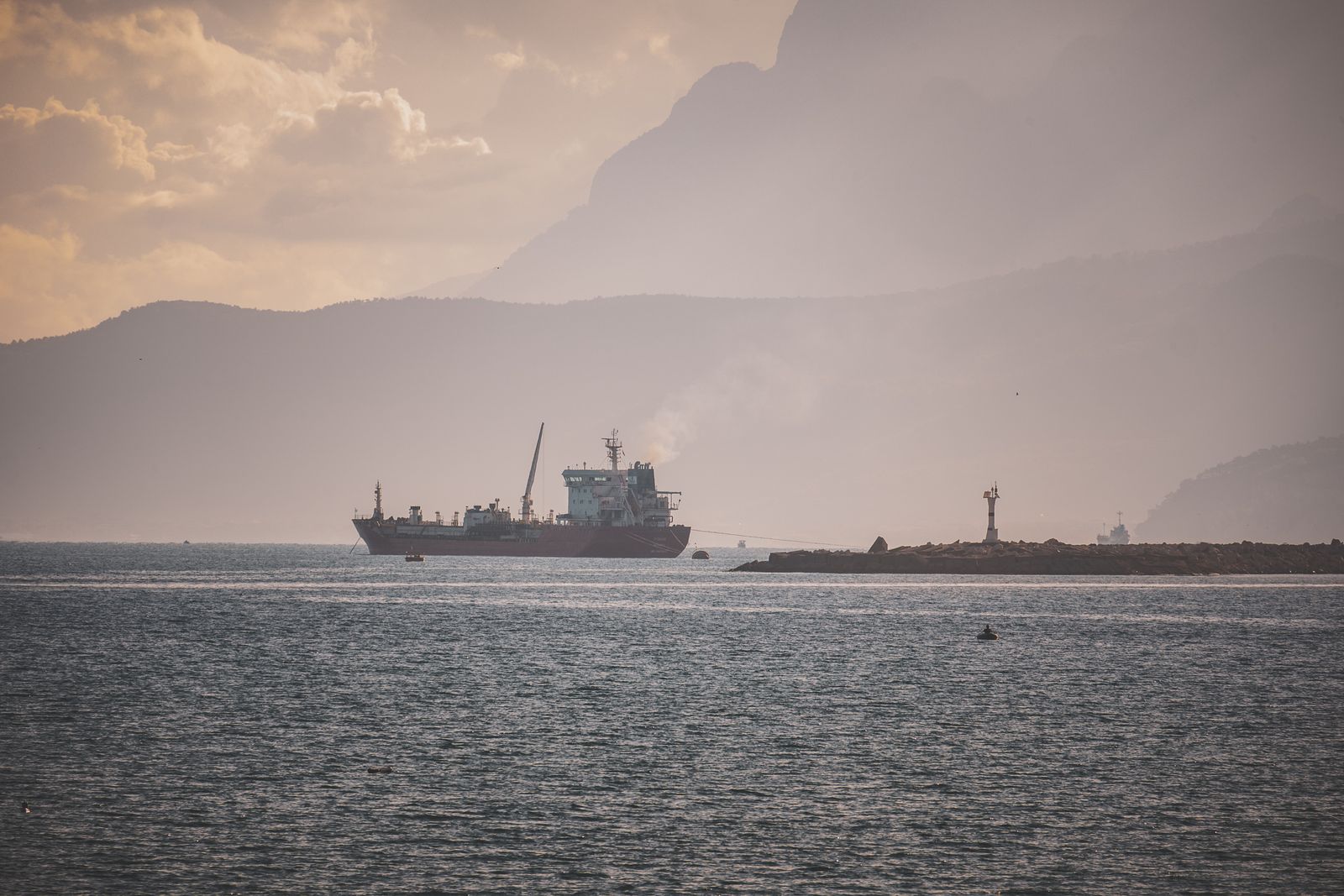
What Does the Blue Carrier 2 Fire Tell Us?
Blue Carrier 2 caught fire off Mykonos on 25 September 2026 with 166 lorries aboard. All 29 got off; three days on it burned. What we know, and don't.

General Average: The Cost Cargo Owners Miss
When a car carrier declares general average, cargo that survives pays its share. Standard cargo cover includes GA; self-insured cargo pays in full.
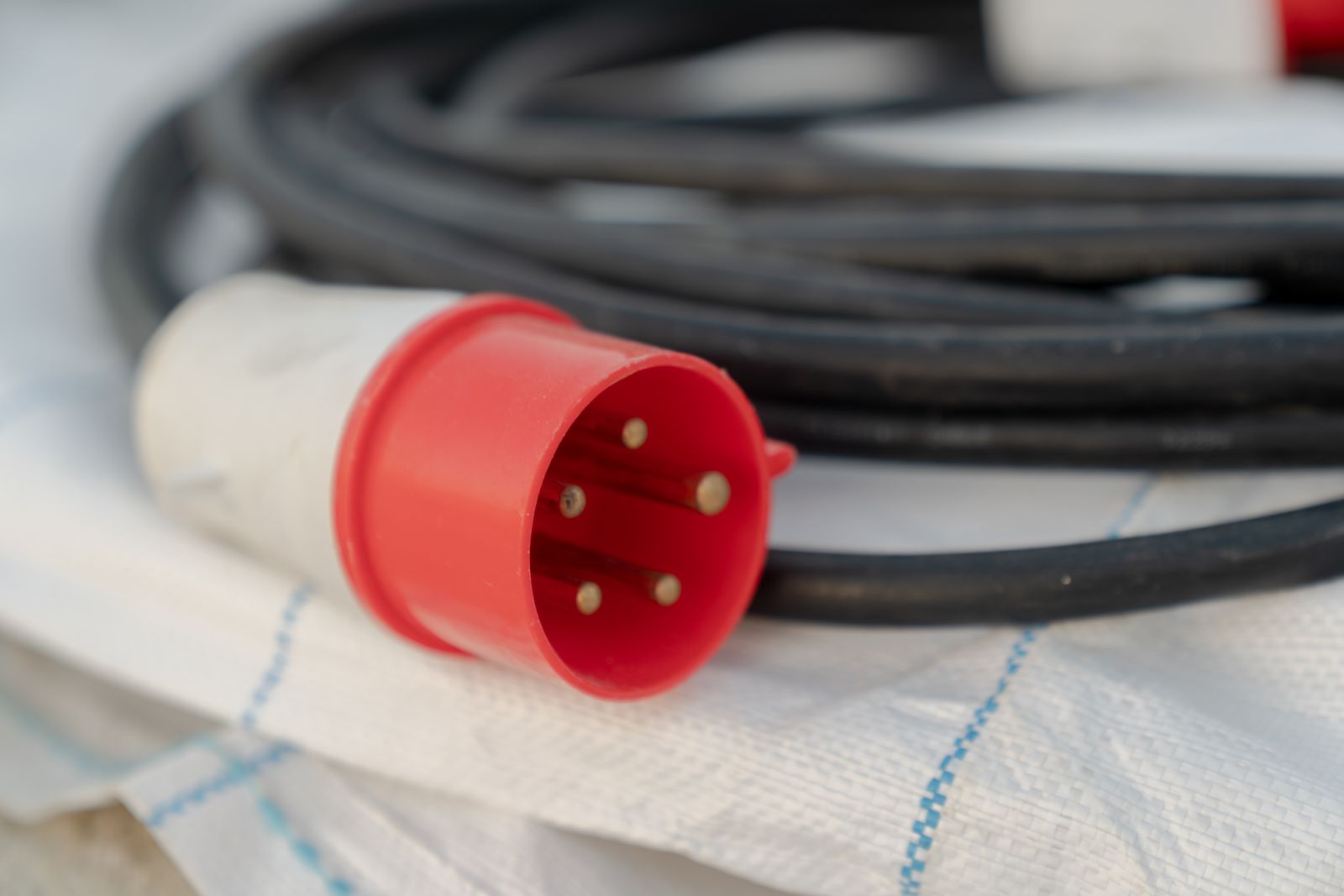
Are Reefer Trailers a Ferry's Hidden Fire Risk?
Yes. EMSA found reefer units the most fire-prone ro-pax cargo, and the weak point is often the plug and cable linking the trailer to the ship's power.
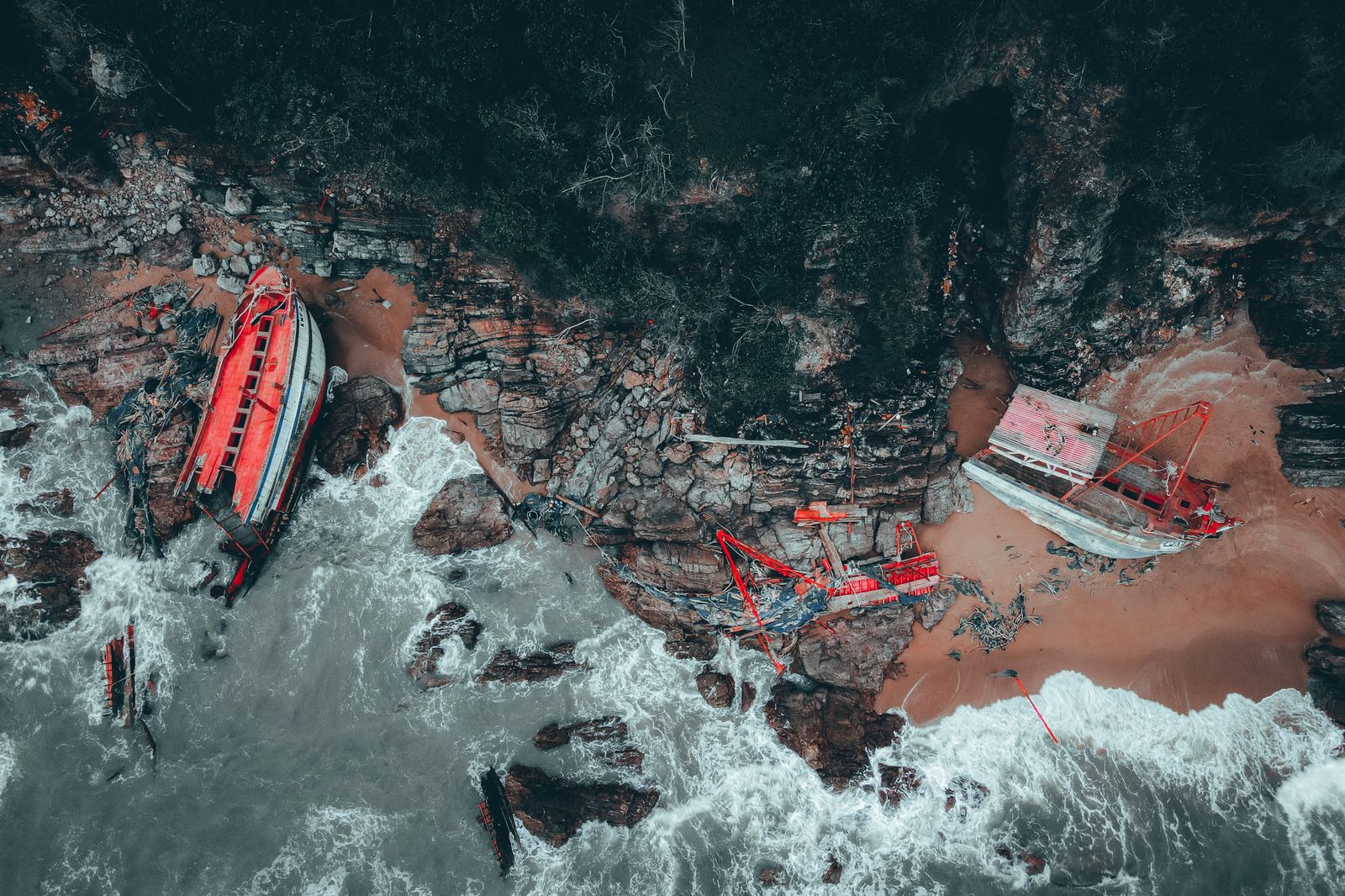
Is Wreck Removal a Car Carrier's Biggest Risk?
Under the Nairobi Convention, removing a wreck is strict-liability — and many states cap it at nothing. On Golden Ray it ran ~13x the hull value.
What Do IUMI's 2026 Numbers Say About Ro-Ro?
IUMI's 2026 figures: hull premium up 9.4% on currency, a fourth year of USD 50m+ hull claims led by fires, and car carrier values down 10.2%.