
Inside a Class-Witnessed Test Program

In a class-witnessed test, surveyors stage the events, run the clock and judge against their own band. What that takes, and where RoRoSAFE stands today.
A class-witnessed test is one the classification society watches rather than takes on trust. Surveyors attend, set up their own recording, time each staged event with their own equipment and judge the result against an acceptance band fixed before the test starts. It is the step that turns a detection vendor's claim into evidence a charterer or underwriter will accept. RoRoSAFE has not yet been through one: it holds no class type approval or notation, and this piece describes the programme it is preparing for.
An earlier version of this page described completed witnessed programmes and a granted notation. Those figures were an illustrative composite, not results, and they have been withdrawn. The structure below is how such a programme works and what RoRoSAFE's own will have to show.
Why is witnessed testing different from a vendor test?
Because the vendor no longer controls the conditions, the clock or the pass mark. In a vendor test the supplier chooses the events, starts the timer and decides what counts as detection. In a witnessed test the surveyors record the set-up, timestamp each event independently and judge against a band defined by the class rule or agreed in advance, not by the supplier. A result the vendor cannot retune after the fact is worth more to a buyer than any performance figure quoted without a witness.
That is also why a witnessed report travels. The same document answers an underwriter at renewal, a charterer auditing detection and a port state control officer asking what is fitted, without each of them having to take the supplier's word.
What does a witnessed detection programme test?
Detection against staged events, false alarms against an undisturbed period, and behaviour under damage. A credible programme for a vehicle-deck detection layer covers at least four things:
- Staged events across the range the system claims to see, from a sub-runaway thermal anomaly through controlled cell venting to a full vent, each timed by the surveyor against a reference detector.
- A separate observation window with no staged events, long enough to measure the false-alarm rate under normal deck conditions rather than in a quiet test hall.
- Integrity of the record: that alarms, acknowledgements and timestamps are retained and cannot be altered, checked against the surveyors' own capture.
- Behaviour under partial failure, such as a cut cable or a lost controller, witnessed rather than described.
Split between a bench facility and an instrumented vessel deck, a programme like this takes the bench's repeatability and the ship's real ventilation, vibration and cargo. Neither alone is enough: bench results flatter a system, and a ship cannot safely stage a battery vent.
How does a witnessed test lead to type approval or a notation?
The surveyor report is an input, not the outcome. Type approval certifies that a product meets the society's requirements for the equipment category, including the marine environmental and electromagnetic standards and, for a networked detection system, the IACS UR E26/E27 cyber-resilience requirements. A class notation is a separate, ship-level award: ClassNK's AFVC(FD)(EV), first granted in October 2024, and DNV's EV fire-safety qualifier recognise early detection and response arrangements above the SOLAS floor on a specific vessel.
For RoRoSAFE the sequence is type-approval engagement with IACS member societies once the engineering revision is frozen for first deployment, then witnessed testing against the agreed requirements, then publication of any certificate on the Compliance page when it is awarded. Until then, the honest statement is the one in the site FAQ: no class type approval, no notation, and bench figures labelled as bench.
What should owners and underwriters ask for now?
The evidence that exists today, labelled for what it is. Before any detection layer has class approval, the useful questions are how it was tested (bench, full-scale or at sea), who timed it, what the acceptance criteria were and whether they were set before the test. A one-deck pilot reviewed jointly with the insurer and class society produces operating data that a later witnessed programme can build on, and it lets the owner judge the system on their own ship rather than on a brochure.
How RoRoSAFE helps
RoRoSAFE holds no classification-society type approval or notation yet, and says so. Type-approval engagement with IACS member societies begins as the engineering revision freezes, and certificate details will be published on the Compliance page when awarded. Until then, a one-deck pilot with six months of dashboard data and a joint insurer and class review is the evidence route open to operators.
Pilot: one deck · installed alongside the berth · no drydock · 6 months of dashboard access
Sources
- 1. RoRoSAFE product FAQ — 'Is RoRoSAFE type-approved or certified?': no classification-society type approval or ISO/IEC 27001 certification held; type-approval engagement with IACS member societies begins as the engineering revision freezes; certificates to be published on the Compliance page once awarded.
- 2. IACS Unified Requirements E22, E26 and E27 — fire detection as a Category III computer-based system; cyber resilience of ships and of on-board systems and equipment. As analysed in the companion post 'Does UR E26/E27 Apply to Fire Detection?'.
- 3. ClassNK — AFVC(FD)(EV) notation (additional fire safety for vehicle carriers, FD = early fire detection and response), first awarded to Positive Challenger on 11 October 2024; DNV EV fire-safety notation, as on NOCC Pacific. As analysed in 'Class Fire Notations Beyond the SOLAS Floor'.
- 4. Directive 2014/90/EU (Marine Equipment Directive), IEC 60092-504 and IEC 60533 — the marine equipment, environmental and EMC standards a detector must meet alongside its detection standard. As analysed in 'Is EN 54 Enough for a Marine Detector?'.
- 5. Companion RoRoSAFE analyses — 'Class-Society Fire Notations for RoRo', 'The Class-Society Evidence Package', 'Validating Detection vs Staged Li-Ion Tests' and 'How to Evaluate Fire Detection for a PCTC'.
Questions, answered
What is a class-society-witnessed detection test?+
A test the classification society observes directly rather than accepting on the vendor's word. Surveyors attend, set up their own recording, time each staged event with their own equipment and judge the results against an acceptance band fixed in advance. The surveyor report then feeds type-approval or notation work.
What is the difference between type approval and a class notation?+
Type approval certifies a product for its equipment category, covering performance, marine environmental and electromagnetic standards and, for networked detection, IACS cyber requirements. A class notation is awarded to a specific ship for arrangements above the SOLAS floor, such as ClassNK's AFVC(FD)(EV) for early detection and response on vehicle carriers.
Does RoRoSAFE hold class type approval or a notation?+
No. RoRoSAFE does not currently hold classification-society type approval or a notation. Engagement with IACS member societies begins as the engineering revision freezes for first deployment, and any certificate will be published on the Compliance page once awarded. Bench test figures are labelled as bench.
How can an owner check a supplier's approval claim?+
Ask for the certificate number, the issuing classification society and the certificate's scope, then confirm it with the society. Ask how any performance figure was produced: bench, full-scale or at sea, who timed it, and whether the acceptance criteria were set before the test. A claim without a certificate is a plan, not an approval.
Continue the thread
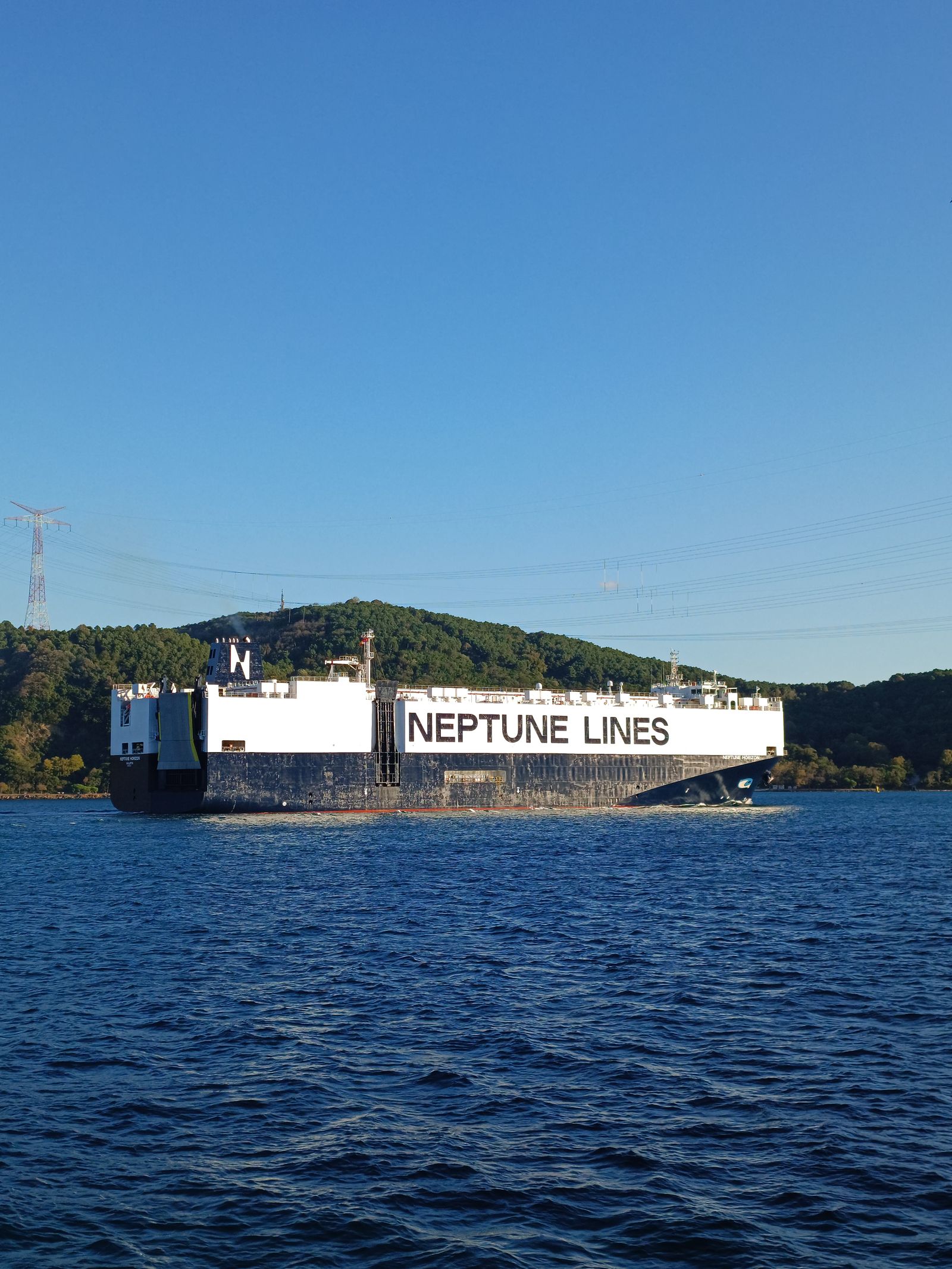
Class Fire Notations Beyond the SOLAS Floor
SOLAS is the floor. Class notations like DNV's F-AMC and ClassNK's AFVC(FD)(EV) certify the early detection and evacuation owners add above it.

The Class-Society Evidence Package
Class approval isn't a sales document — it's a defensible, reproducible body of test evidence that a detection system does what its spec claims.

How Insurers Evaluate a Detection Layer
Four insurance evaluations — hull underwriter, Lloyd's syndicate, P&I club, loss adjuster — tested whether the evidence holds up, not just the alarm.
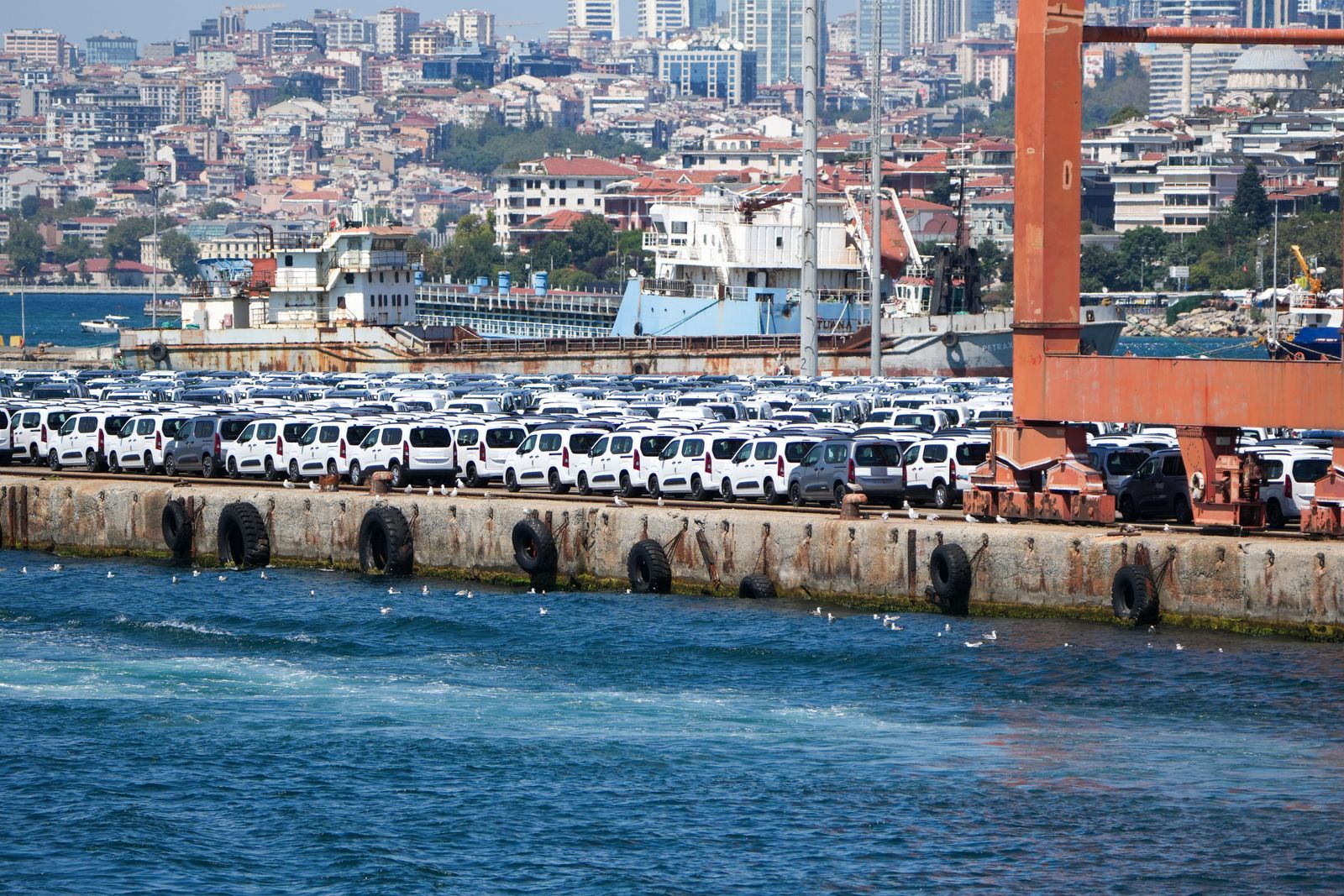
How to Evaluate Fire Detection for a PCTC
Judge PCTC fire detection on five things: how early it alarms, proven coverage on a loaded deck, false-alarm data, approvals and installation downtime.

Does UR E26/E27 Apply to Fire Detection?
Yes. UR E22 puts fire detection in Category III, so a networked grid is a Category III CBS needing E27 security capabilities and class approval.