
The EV-Percentage Tipping Point
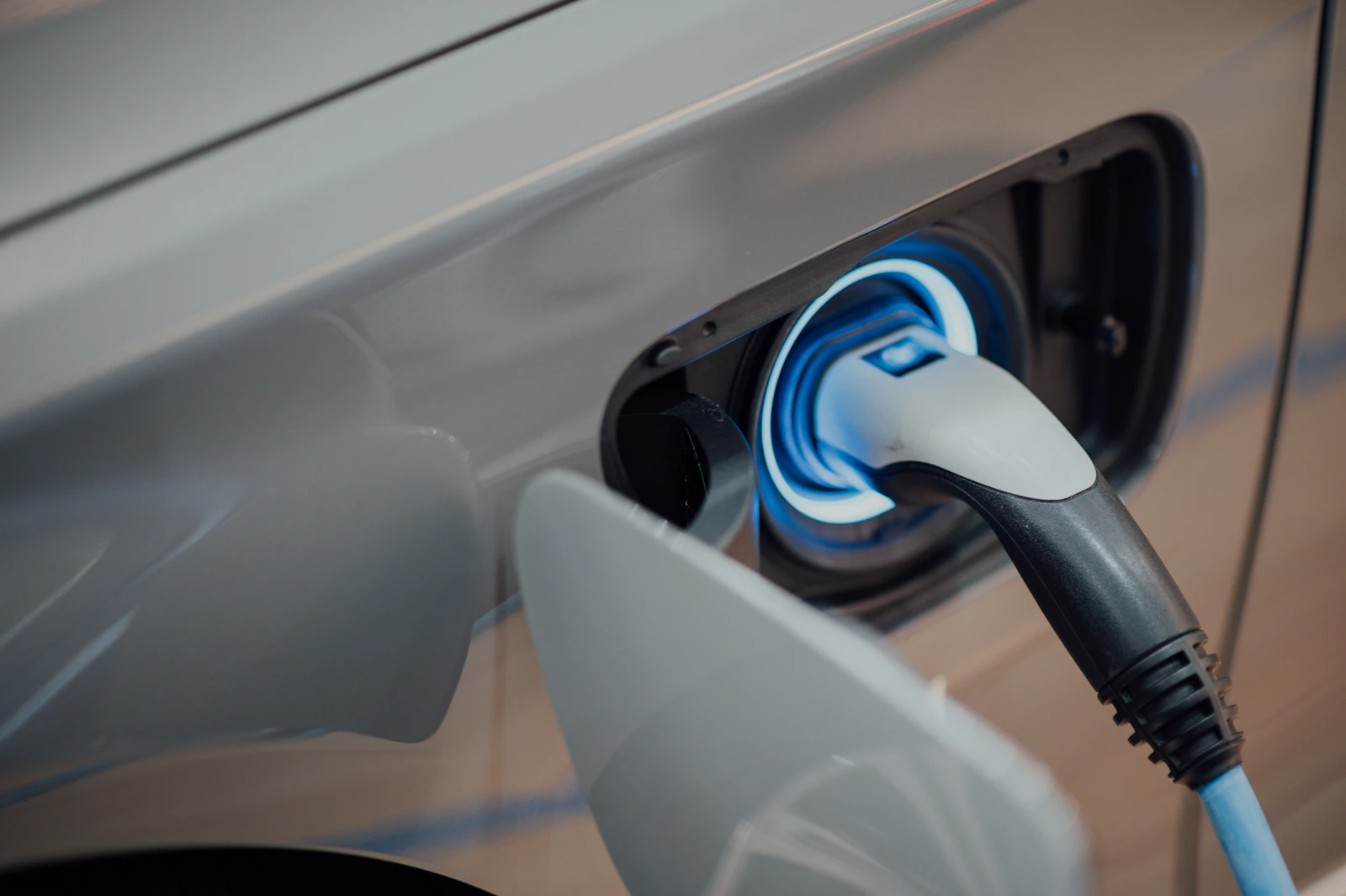
Operators talk about 'mixed cargo' in public; internally it's a hard EV percentage above which sailings get re-routed. That number is moving.
In private operator briefings we hear the same number repeatedly: 30%. Above 30% battery-electric vehicles in the cargo manifest, internal risk policies start to flag the sailing for additional review. A year ago that line was at 50%.
Why the line is moving
Two things are happening simultaneously. First, the EV share of new-vehicle exports from major manufacturing countries is climbing past 40% on some routes. Second, suppression-system capability has not improved — most cargo decks still rely on legacy gas-flooding systems rated for hydrocarbon, not battery, fires.
What operators are doing about it
- Splitting EV cargo across more sailings to keep per-deck percentages low.
- Negotiating EV-only routings on dedicated tonnage.
- Investing in detection layers that change the underwriting math.
The third path is where we see the most movement in 2026 — because it changes the conversation with the underwriter rather than the manufacturer.
Sources
- ACEA — EU Passenger Car Registrations and Exports data, 2025–2026.
- IUMI — "Risk mitigation for the safe ocean and short-sea carriage of electric vehicles" (Sept 2025 revision).
- NFPA 855 — "Standard for the Installation of Stationary Energy Storage Systems," for Li-ion suppression context.
- Vehicle Carrier Safety Forum (VCSF) — published guidance (2024–2025).
- [VERIFY: 30% operator-internal review threshold (2026) and 50% (2025) — operator-private policy ranges from briefing notes; no consolidated public disclosure.]
- [VERIFY: "42% EV share, EU vehicle exports H1 2026" — pending confirmation against ACEA / EU Eurostat H1 2026 release.]
Questions, answered
Is there an EV-percentage threshold above which operators re-review a sailing?+
Privately, yes. Operators repeatedly cite around 30% battery-electric vehicles in the manifest as the point where internal risk policies flag a sailing for additional review. A year earlier that line sat closer to 50% — the threshold is tightening.
Why is the internal threshold dropping?+
Two things at once: EV share of new-vehicle exports is climbing past 40% on some routes, while suppression capability has not improved — most decks still rely on legacy gas-flooding systems rated for hydrocarbon, not battery, fires. Rising exposure meets static defence.
What are operators doing about rising EV percentages?+
Splitting EV cargo across more sailings to keep per-deck percentages low, negotiating EV-only routings on dedicated tonnage, and investing in detection layers that change the underwriting math. The third path is where most movement is in 2026, because it changes the conversation with the underwriter rather than the manufacturer.
Continue the thread
The Argument Over State-of-Charge at Loading
No public standard sets the state of charge of an EV as it rolls onto a vehicle carrier. The number is argued hard behind closed doors — and it matters.

IMO Sub-Committee Outcomes for 2027
Late-2025 CCC sub-committee outcomes telegraph a regulatory floor for vehicle-deck monitoring. Operators that wait to retrofit will be behind a hard date.

Car-Carrier Fire Risk: Detection, Not EVs
The powertrain debate misses the point. On an enclosed car deck the variable that decides a total loss is how early a fire is caught — not EV share.