
The Newbuild Wave Scaling EV-Fire Exposure

The car-carrier fleet is on track to grow ~40%, concentrating roughly €250m of cargo value per hull — and EV-fire exposure is scaling with it.
The global car-carrier fleet is on course to grow by about 40%, led by 7,000-plus-CEU newbuilds like Sallaum Lines' just-delivered Ocean Express and Ocean Navigator. Each loaded hull concentrates roughly €250m of cargo value, and IUMI reports a rising frequency of car-carrier fires. Capacity — and the EV-fire exposure riding on it — is scaling faster than detection is being fitted.
How fast is the fleet actually growing?
Clarksons Research puts car-carrier fleet growth at about 12% in 2025 and 8% in 2026, against cargo-demand growth of just 1–2% — and the orderbook has run near 37–40% of the existing fleet.
The fleet stands at roughly 760 vessels and 4 million CEU. The newbuilds are large and multi-fuel: about 85% of the capacity on order is alternative-fuel capable, mostly LNG. Sallaum's pair — 7,400 CEU across 13 decks, LNG dual-fuel, built at China Merchants Jinling — is a representative unit, not an outlier.
Why more ships means more concentrated risk
Bigger hulls concentrate value: IUMI's own worked example puts a 6,000-car load at around €250m in cargo exposure, before the hull itself.
More vessels and larger decks raise the aggregate value at sea at the same time EV penetration of the cargo mix is climbing. IUMI notes an increasing frequency of fires aboard car carriers — even as it finds EV fires are neither more frequent nor more severe than internal-combustion fires, with none to date found solely attributable to an EV. The exposure problem is one of concentration and detectability, not of EVs being uniquely incendiary.
Are the newbuilds solving the detection gap?
Not on their own. New tonnage is delivered against fire-detection rules that are still catching up to current EV volumes, and the existing fleet — the majority of hulls afloat for the next decade — is largely un-retrofitted.
IUMI's 2025 best-practice guidance is explicit that early fire detection and verification is critically important, alongside keeping EV state of charge low at loading and maintaining an extended re-ignition watch. Detection that triggers on smoke or flame leaves little margin; the guidance points to thermal imaging and AI-assisted systems precisely because conventional alarms fire too late to prevent a runaway.
What this means for operators and underwriters
The lever is detection coverage that scales with the fleet, not with the next regulatory deadline.
- For operators: a newbuild delivered today still carries a decade-plus service life under detection rules written for a lower-EV era. Independent early detection is what an underwriter can price against.
- For underwriters: aggregate exposure is rising on two axes at once — more hulls and higher EV value per deck. A demonstrable detection-to-response interval is the variable that separates a contained event from a total loss.
- For both: the existing fleet, not the orderbook, holds most of the exposure through 2035 — and that is a retrofit question, not a newbuild one.
Where RoRoSAFE fits
RoRoSAFE targets the retrofit gap: non-invasive vapour-phase and thermal detection that flags a cell in trouble ahead of smoke or flame, with continuous logged data — fitted to hulls already trading, not only to newbuilds.
How RoRoSAFE helps
As the fleet grows and each hull carries more value, the value of catching a fire at one vehicle rises with it. RoRoSAFE fits newbuilds and existing tonnage alike: installed alongside the berth, with no drydock and no drilling. It adds per-vehicle thermal and gas detection to the SOLAS systems each ship already carries, and scales from one deck to a vessel and then a fleet without an architectural change.
Pilot: one deck · installed alongside the berth · no drydock · 6 months of dashboard access
Sources
- Splash247 — "Car carrier fleet poised to expand by 40%" (Clarksons Research data).
- Brookes Bell — "Global Car Carrier Fleet to Grow by 40%."
- Marine Log — "Clarksons looks at car carrier trade trends" (fleet, orderbook, alt-fuel share).
- IUMI — "Risk mitigation for the safe ocean and short-sea carriage of electric vehicles," 2025 best-practice review (≈€250m exposure example; early-detection guidance).
- IUMI — press release on the 2025 EV carriage guidance.
- MarineLink — "Sallaum Takes Delivery of LNG Dual-Fueled Car Carrier Newbuild Pair" (Ocean Express / Ocean Navigator, 7,400 CEU).
Questions, answered
How fast is the global car-carrier fleet growing?+
Clarksons Research projects car-carrier fleet growth of around 12% in 2025 and 8% in 2026, against cargo-demand growth of just 1–2%, with the orderbook having run near 37–40% of the existing fleet. The result is a fleet on track to expand by roughly 40% over the next few years, led by large LNG and multi-fuel newbuilds of 7,000-plus CEU.
Does a bigger car-carrier fleet increase fire risk?+
It increases concentrated exposure. IUMI's worked example puts a 6,000-car load at around €250m in cargo value, and more, larger hulls raise the total value at sea as EV penetration of the cargo mix climbs. IUMI reports a rising frequency of car-carrier fires, though it finds EV fires no more frequent or severe than combustion-engine fires, with none to date solely attributable to an EV.
Do newbuild car carriers come with better EV-fire detection?+
Not necessarily enough. New tonnage is delivered against fire-detection rules that lag current EV volumes, and most hulls trading through 2035 are existing ships that aren't retrofitted. IUMI's 2025 guidance calls early detection and verification critically important — pointing to thermal imaging and AI-assisted systems because conventional smoke- or flame-triggered alarms react too late to prevent a runaway.
What should operators and underwriters prioritise as the fleet grows?+
Detection coverage that scales with the fleet rather than the next regulatory deadline. For underwriters, a demonstrable detection-to-response interval is what separates a contained event from a total loss. For operators, independent early detection — fitted to existing hulls, not just newbuilds — is what an insurer can price against as aggregate exposure rises on both hull count and EV value per deck.
Continue the thread

Do Pure-EV Car Carriers Change the Risk?
Carmakers like BYD now run near-fully-electric car carriers — BYD Shenzhen holds 9,200 vehicles. That concentrates the fire load, but also the knowledge.

Did Felicity Ace Change Car-Carrier Insurance?
Less than the headlines said. It cost cargo insurers ~$400M of cars, hull one 2005 PCTC, MOL a failed subrogation; what changed was conditions, not rates.
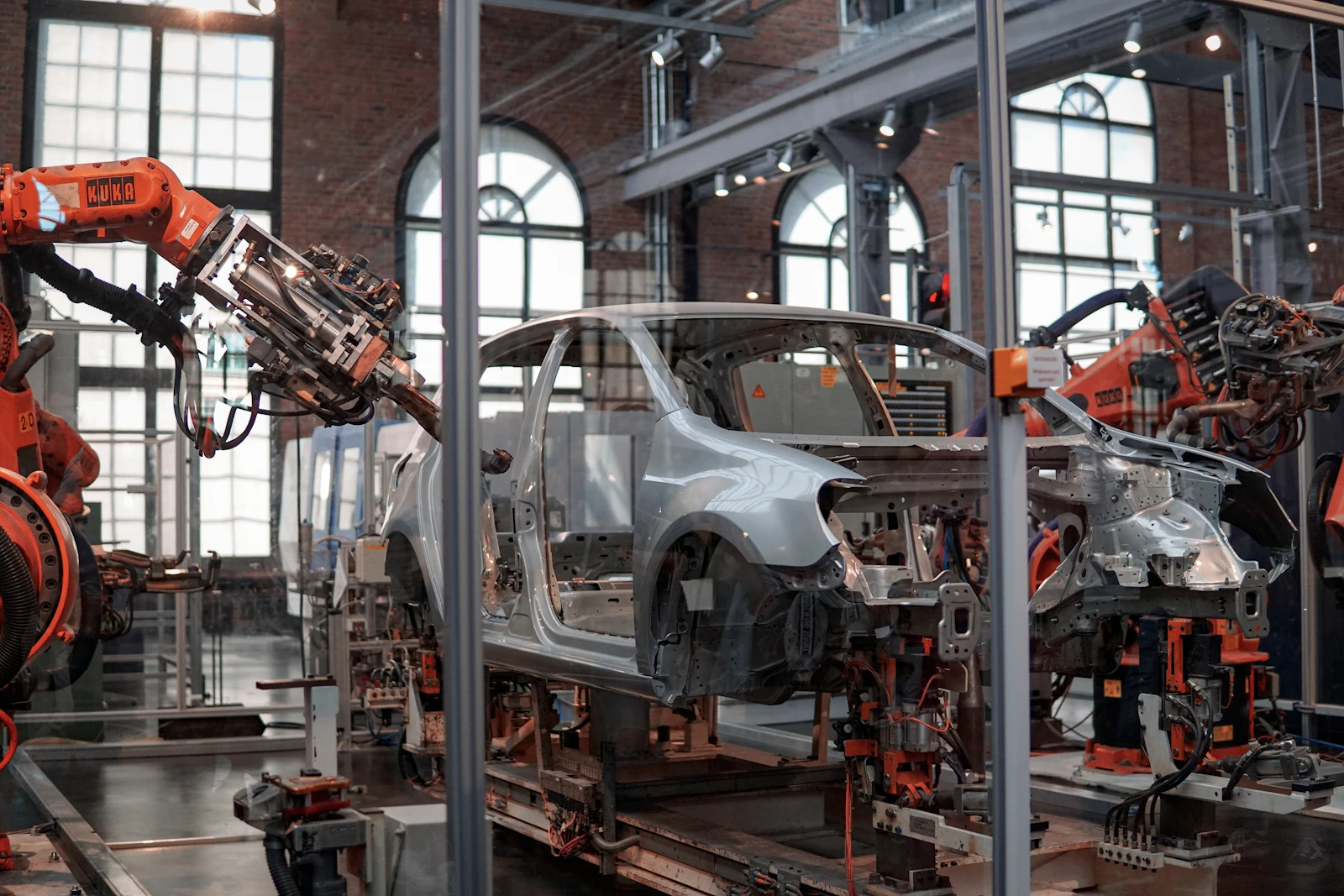
How Multi-Fuel PCTCs Change the Deck
Ammonia detection alarms at 25 ppm, far below anything that burns. On a multi-fuel PCTC the sensing priority inverts from fire to toxicity.
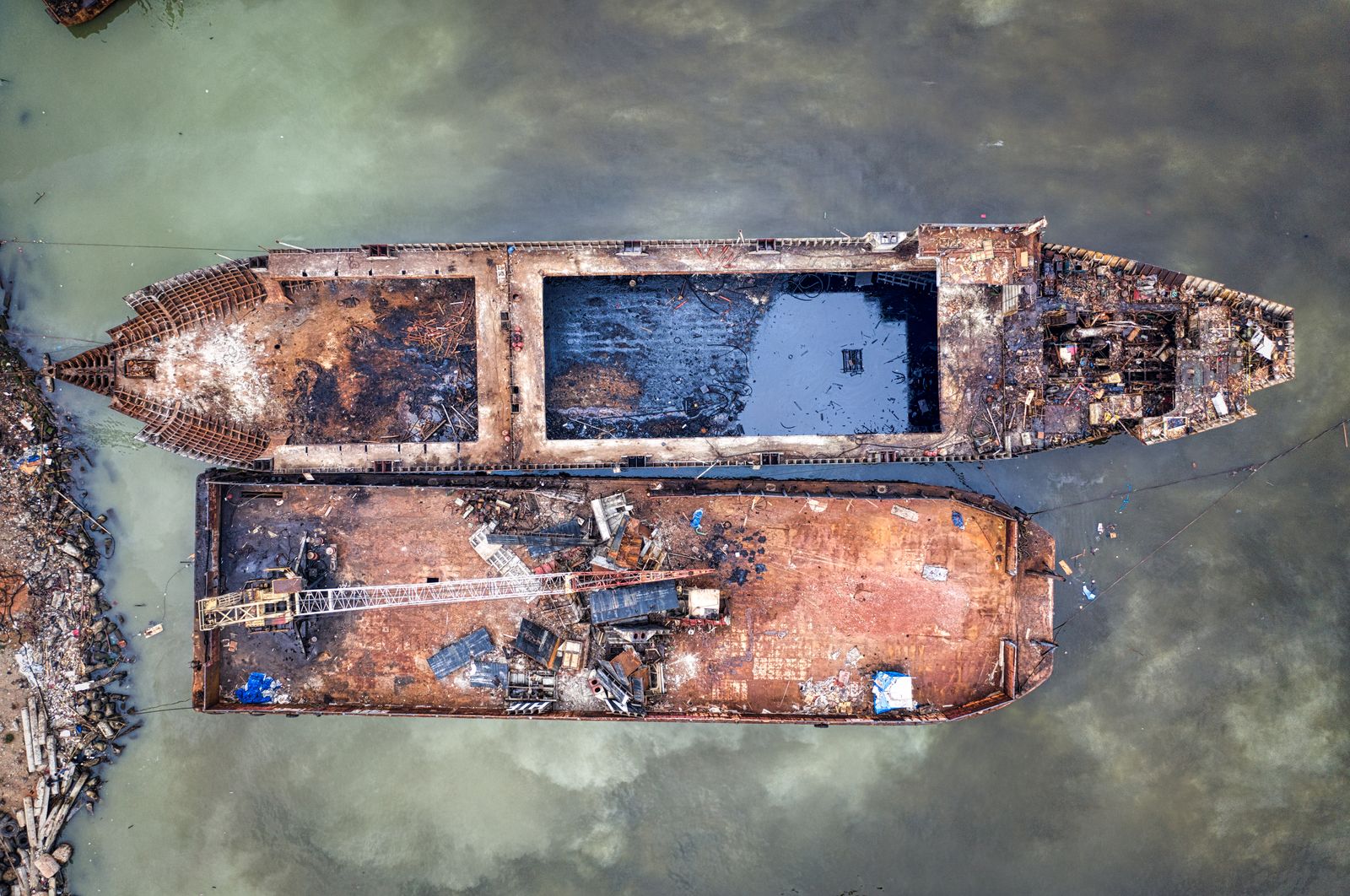
What Happens When a Car Carrier Is Scrapped?
The Hong Kong Convention came into force in June 2025 — and it binds ships in service, not just at the yard. A retrofit changes the inventory.
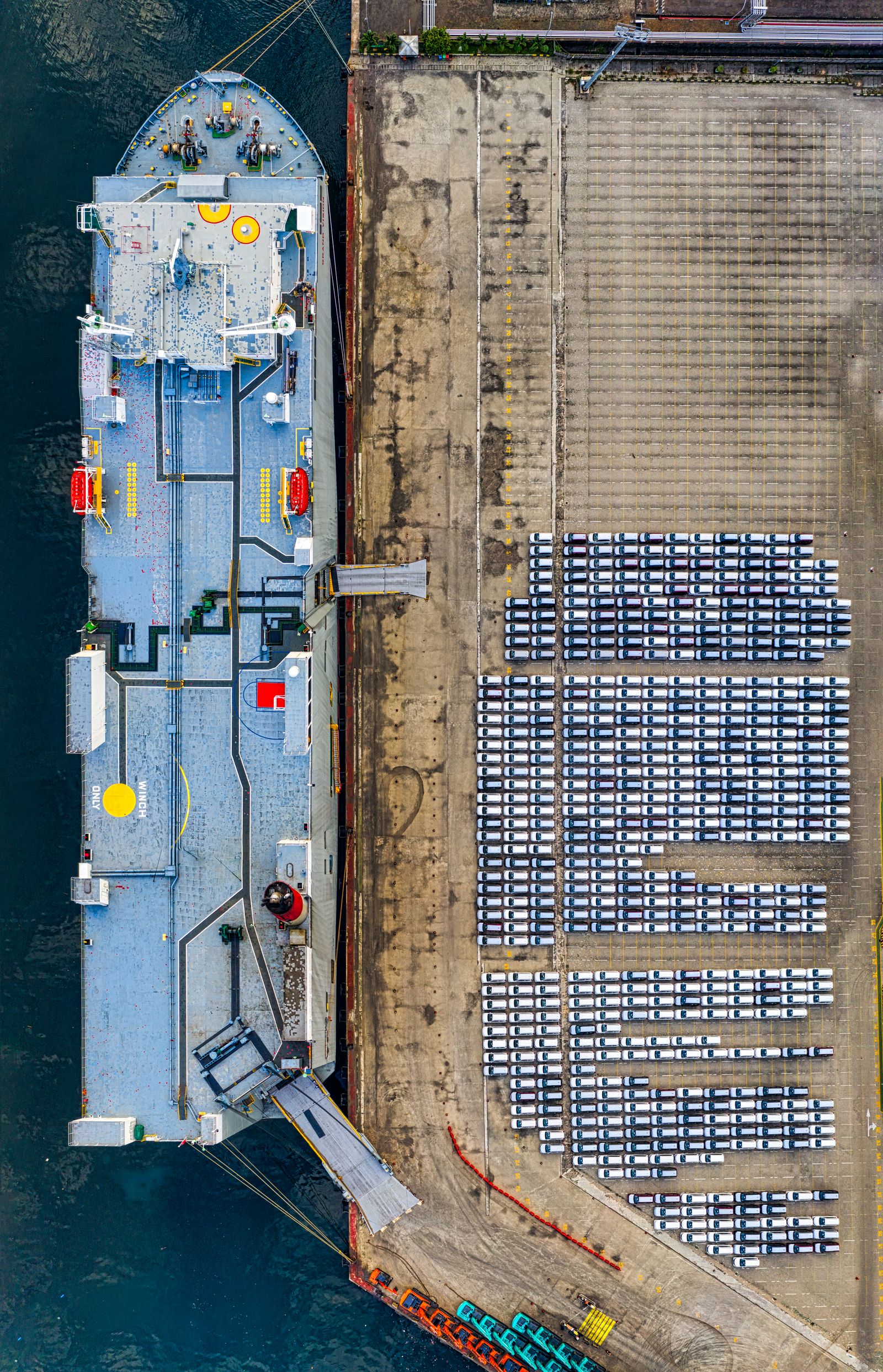
Who Pays When a Carmaker Owns the Ship?
Increasingly the carmaker itself. BYD and SAIC now run their own car carriers, and owning both hull and cargo dismantles the usual risk transfer.

How EU MRV and FuelEU Touch Detection
2026 is the first emissions year at full ETS coverage and the year methane and N2O enter it. That bill is surrendered on 30 September 2027.