
Is a Car Deck's Stow Plan a Fire Plan?
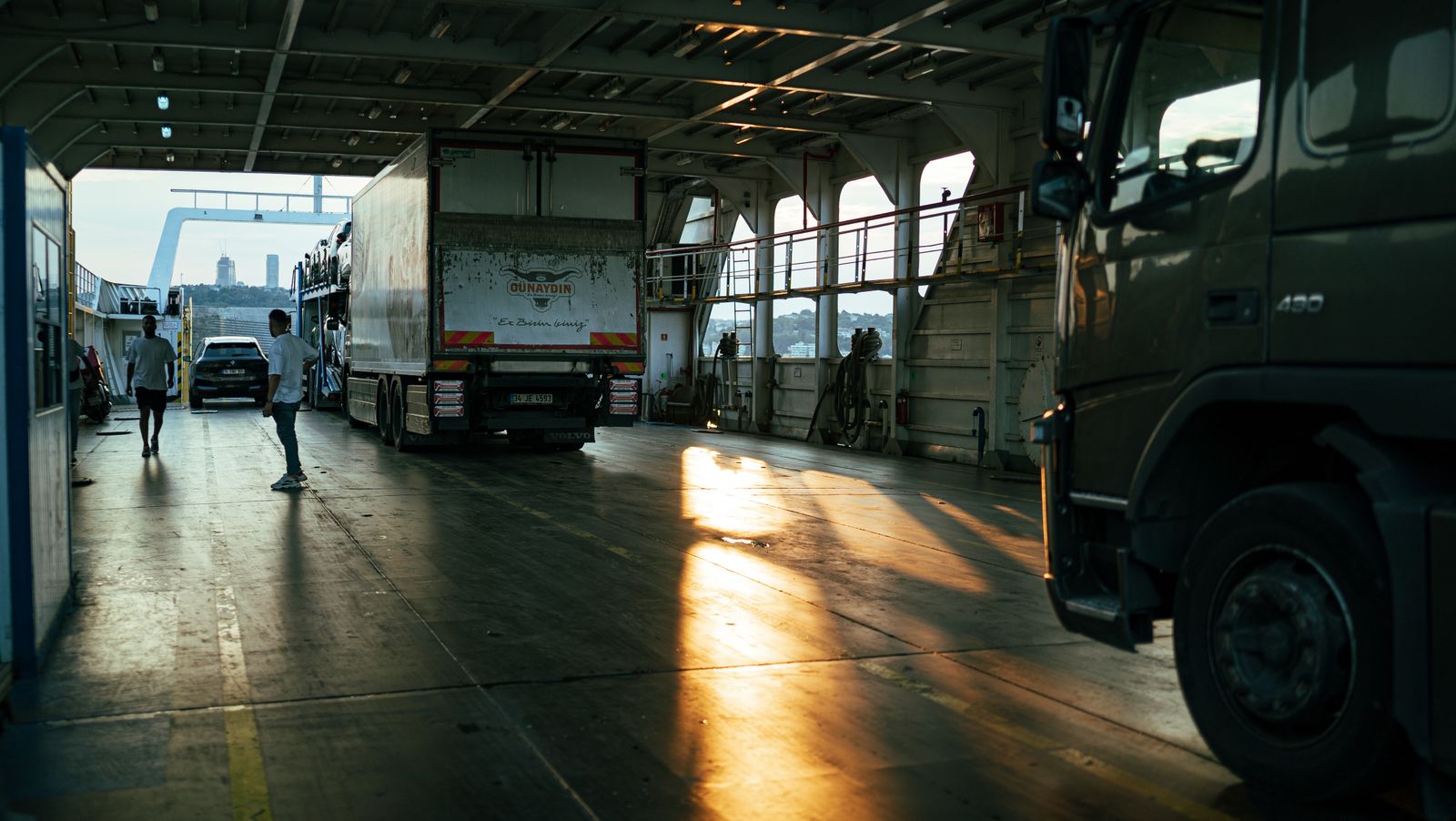
On a packed car deck, crews can't reach an established fire — which is why 'fixed first' exists. Where an EV is stowed decides what can be fought.
Yes — more than most operators treat it as. On a fully loaded car deck, vehicles sit 10–30 cm apart with no room for a hose team to reach a fire between or under them, which is exactly why class doctrine on a pure car carrier is now 'fixed suppression first, manual firefighting second.' If a crew cannot reach the core of a packed deck, then where each vehicle is stowed decides which fires can be fought at all. The stowage plan is a firefighting plan that no one labelled as one.
You can't fight your way into a packed deck
Manual firefighting is not a reliable fallback once a fire is established among the cargo — often it is not possible. Tightly packed vehicles limit access, blunt the reach of extinguishers, and let a fire spread rapidly before anyone gets near it. On a pure car and truck carrier the decks are large, undivided horizontal spaces, and class and industry guidance is explicit that crew access during an established fire is unsafe — which is the whole rationale for applying fixed extinguishing systems before committing people. When the doctrine itself assumes the crew can't get to the fire, the question stops being 'how do we fight it' and becomes 'what did the stow leave reachable.'
Which makes stow position a fire decision
If access is fixed by the stow, then position is a safety variable, not just a loading-efficiency one. EMSA's guidance for carrying alternative-fuel vehicles in ro-ro spaces already says EVs should be stowed in designated areas away from critical zones. Where a vehicle sits sets four things at once: its proximity to an access lane a crew could actually use, its distance from bunker tanks and machinery spaces, whether it falls under a fixed-suppression nozzle's coverage, and how close it is to a boundary that can be cooled from the space next door. Each is a fire-outcome lever, and each is decided at loading — long before any alarm.
The EV cargo makes it sharper
Because the highest-risk unit is the one you most want reachable and correctly zoned. An EV in thermal runaway reignites and cannot be smothered by foam, so the realistic play is early detection, boundary cooling and containment — and all three depend on where the pack is. A venting EV beside a usable access lane, under fixed-suppression coverage and near a coolable boundary is a containable event; the same pack buried mid-block on an upper deck is not. Segregating and positioning EV and used-vehicle cargo is not bureaucratic caution — it is putting the hardest fire where the ship still has a move to make.
Stow to the detection and suppression zones
The practical version is to treat the deck plan as a document the safety officer reads, not only the cargo planner.
- Keep real access lanes clear and known — not just the IMO-minimum aisles that then fill with lashing gear and become impassable.
- Align higher-risk stow with fixed-suppression zone coverage and with detection that can name the zone, so an alarm maps to a reachable action rather than 'somewhere on deck 6.'
- Position EV and used-vehicle cargo per EMSA's AFV guidance — away from bunker tanks and machinery, near boundaries that can be cooled from the adjacent space.
- Record chemistry and stow position together, so the crew knows not just that a vehicle is an EV but where it is when it alarms.
What it means for owners and underwriters
For operators, the deck plan quietly encodes the firefighting plan; a stow tuned only for capacity can leave the worst cargo unreachable, and no drill fixes a position decided at the ramp. For underwriters, 'fixed first' is itself an admission that manual response is constrained — so the controls that carry weight sit upstream of the fire: stow discipline, EV segregation, and detection that localizes to a zone the crew can act on. A vessel that cannot say where a fire is, on a deck no one can walk into, has already lost the only window that was ever reachable.
How RoRoSAFE helps
Stow position decides what can be fought; detection decides when. RoRoSAFE watches every parked vehicle and maps each alert to its bay, so the crew knows where a battery event sits relative to detection and suppression zones, before visible smoke. Stowage and detection then work as one plan instead of two.
Pilot: one deck · installed alongside the berth · no drydock · 6 months of dashboard access
Sources
- 1. ABS — Regulatory News, 'Fire Safety Requirements for Ro-Ro Passenger and Cargo Ships' (2025): tightly packed vehicle decks limit access and facilitate rapid fire spread; PCTC rationale for applying fixed suppression before manual firefighting — eagle.org.
- 2. EMSA — 'Guidance for the carriage of alternative-fuel vehicles (AFVs) in ro-ro spaces' (stow EVs in designated areas away from critical zones), and the LASH FIRE ro-ro space fire database and statistical analysis — emsa.europa.eu.
- 3. IMO — SOLAS Chapter II-2 and the FSS Code: fixed fire-extinguishing arrangements and access provisions for ro-ro and vehicle spaces (the fixed-first doctrine context).
- 4. French Ministry for the Sea (DGAMPA) — study on the specific risks of EV transport on ro-ro passenger ships (January 2026) — mer.gouv.fr.
- 5. Companion RoRoSAFE analysis — 'Who Fights a Mid-Ocean Car-Carrier Fire?' and 'Can One EV Fire Take the Whole Car Deck?'
Questions, answered
Can a crew reach a fire on a fully loaded car deck?+
Usually not, once it is established. Vehicles are stowed 10–30 cm apart with no room for a hose team to reach a fire between or under them, extinguishers lose effectiveness, and fire spreads quickly. On a pure car carrier the decks are large, undivided spaces where crew access during an established fire is unsafe — which is why doctrine applies fixed suppression before any manual firefighting.
Why does where an EV is stowed matter for fire safety?+
Because position sets what the ship can do about a fire. Where a vehicle sits decides its proximity to a usable access lane, its distance from bunker tanks and machinery, whether it falls under fixed-suppression coverage, and how close it is to a coolable boundary. EMSA's AFV guidance already recommends stowing EVs in designated areas away from critical zones for exactly these reasons.
What is the 'fixed first' approach and why does it exist?+
It is the doctrine that on a car carrier fixed extinguishing systems are applied before crew attempt manual firefighting. It exists because PCTC decks are large, undivided spaces where fire spreads rapidly and crew access during an established fire is unsafe. In effect it concedes that the packed deck cannot be entered — which is what makes the stowage and detection decisions upstream so important.
How should EVs be positioned on a car deck?+
Per EMSA's alternative-fuel-vehicle guidance: in designated areas away from critical zones such as bunker tanks and machinery, ideally near a usable access lane and a boundary that can be cooled from the adjacent space, and under fixed-suppression coverage. Recording each EV's chemistry together with its stow position also lets the crew know where a vehicle is when it alarms, not just that it is an EV.
Continue the thread

PCTC Drencher Zoning and Fixed-First
FSS Code Ch.7 sets a PCTC drencher at 5.0 L/min/m² — whether 'Fixed First' suppresses or floods the deck depends on how precisely detection zones it.

Who Fights a Mid-Ocean Car-Carrier Fire?
Often no one, for days. The Morning Midas burned for six days before the first tug arrived and twelve before a firefighting tug did — then it sank.
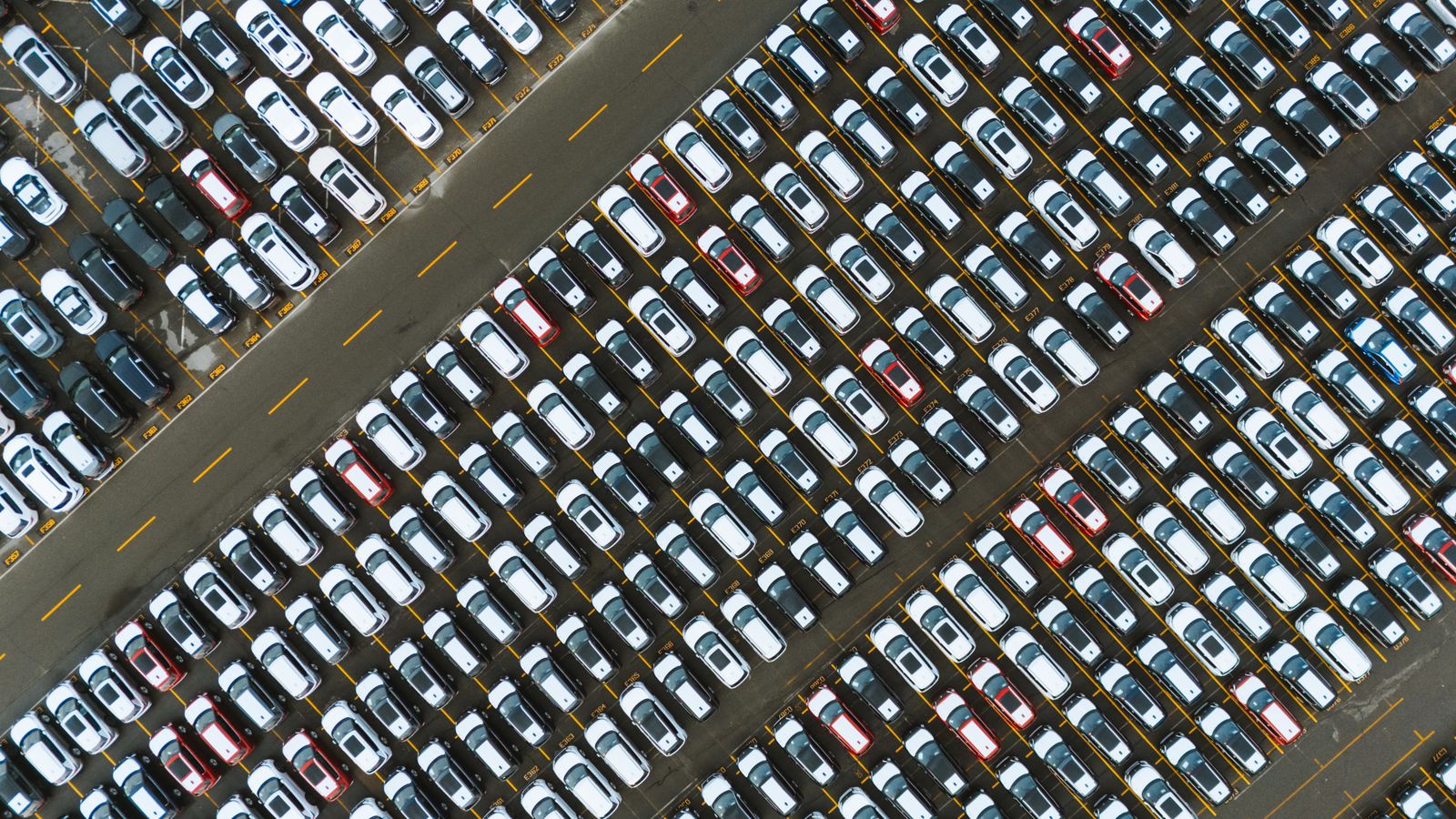
Can One EV Fire Take the Whole Car Deck?
Yes — radiant heat bridges car-to-car across a tightly packed deck, so an EV thermal runaway rarely stays one vehicle. Loss size is a spread problem.