
Are Ports Ready to Fight a Ship Fire?

Mostly not. The NTSB's 2025 safety alert found land firefighters lack the marine training in-port vessel fires demand — after deaths at Port Newark.
Mostly, no — and the NTSB now says so in writing. After a fatal 2023 fire aboard the Grande Costa d'Avorio at Port Newark, the NTSB issued a 2025 safety alert warning that land-based firefighters who respond to in-port ship fires generally lack the training and vessel familiarity the job demands. Shoreside firefighting is built to extinguish; marine firefighting is built to contain. Treating a ship like a building has already killed firefighters.
What the NTSB actually said
Fire departments that serve ports are, with few exceptions, not prepared for the vessels at their own berths. The NTSB's 2025 safety alert — developed with input from the IAFF — found that many land-based firefighters lack familiarity with vessel layouts and fixed fire-protection systems, and recommended that port-serving departments build training plans referencing NFPA 1405 (Guide for Land-Based Fire Fighters Who Respond to Marine Vessel Fires) and NFPA 1010, run vessel-familiarisation tours with their local ports, and coordinate response procedures in advance rather than on the night.
Why a ship is not a building
The core mismatch is the objective. Structural firefighting aims to put the fire out; marine firefighting on a large commercial vessel aims first to contain it — different tactics, different resources, and a built environment most land crews never train in.
- Layout: enclosed, multi-level steel garage decks with limited access and disorienting smoke — not rooms with windows and predictable egress.
- Fixed systems: CO2 and other gas systems depend on sealing a fire boundary; a land crew may not know which doors must stay shut or where the controls are.
- Stability: uncontrolled boundary cooling and firewater can threaten the vessel itself, a risk with no shoreside equivalent.
- Objective: containment until the fire burns down or specialist marine resources arrive — not an aggressive interior attack to extinguish.
The casualties behind the alert
This is not theoretical — it is a repeating US-port pattern. Aboard the Grande Costa d'Avorio (Port Newark, 5 July 2023), two Newark firefighters became disoriented in a smoke-filled garage deck and died; six other responders were injured. Three years earlier, the Höegh Xiamen fire at Jacksonville (June 2020) burned for over a week and injured nine firefighters. Both were vehicle/ro-ro carriers, both at US berths, both fought initially by land crews — and both feature in the NTSB's case for specialised training.
What closes the gap
The fix the NTSB names is people and planning, not just hardware: training to NFPA 1405, familiarisation tours so crews know the ship before they board it under smoke, and pre-agreed roles between the port, the vessel, and the responding department. Technology has a supporting part — per-deck situational awareness that tells responders which deck is involved and which boundaries are open can inform a containment decision — but it does not substitute for crews who have trained for marine fires. Detection and telemetry help a prepared responder; they cannot make an unprepared one safe.
What it means for ports, operators, and underwriters
For ports and their fire departments, the alert is a direct prompt: arrange familiarisation tours and adopt NFPA 1405-based plans before the next casualty, not after. For vessel operators, fire-boundary integrity and clear external controls are part of making a ship fightable from outside the zone. For underwriters, port-response readiness is becoming a visible risk factor at the berth — the place where, as Port Newark and Jacksonville show, a contained casualty and a fatal one diverge.
How RoRoSAFE helps
If shore firefighters arrive without marine training, every minute before they arrive has to count. RoRoSAFE flags a developing vehicle fire before visible smoke and sends it to the bridge and to shore at the same time, naming the deck and bay. That gives the crew and the terminal the earliest possible start, and gives shore responders a precise location when they come aboard.
Pilot: one deck · installed alongside the berth · no drydock · 6 months of dashboard access
Sources
- 1. NTSB — Safety Alert on land-based firefighters responding to marine vessel fires (2025), recommending training to NFPA 1405 and NFPA 1010 and vessel-familiarisation with local ports; cites three investigated fires with land-firefighter injuries — ntsb.gov, with IAFF input (iaff.org).
- 2. NTSB — Marine Investigation Report MIR-25/16, Grande Costa d'Avorio (Port Newark, 5 July 2023); two firefighters killed, six injured — ntsb.gov.
- 3. NTSB — Marine Accident Report MAR-21/04, Höegh Xiamen (Jacksonville, June 2020); fire burned over a week, nine firefighters injured — ntsb.gov.
- 4. Reporting on the NTSB safety alert and recommendations — marinelog.com, safety4sea.com, firerescue1.com.
Questions, answered
Are land-based fire departments trained to fight ship fires?+
Mostly not. The NTSB's 2025 safety alert found that many land-based firefighters who serve ports lack familiarity with vessel layouts and fixed fire-protection systems, and are not trained for marine firefighting. It urged port-serving departments to train to NFPA 1405 and NFPA 1010 and to arrange vessel-familiarisation tours with their local ports in advance.
How is fighting a ship fire different from a building fire?+
The objective differs: structural firefighting aims to extinguish, while marine firefighting on a large vessel aims first to contain. Ships add enclosed multi-level steel decks with disorienting smoke and limited egress, fixed gas systems that depend on sealing a boundary, and stability risks from firewater — conditions most land crews never train for.
What incidents prompted the NTSB alert?+
The NTSB cited three vessel fires it investigated in which land-based firefighters were injured for lack of marine training. The clearest was the Grande Costa d'Avorio at Port Newark in 2023, where two firefighters became disoriented in a smoke-filled garage deck and died. The Höegh Xiamen fire at Jacksonville in 2020 injured nine firefighters.
What should ports do about it?+
Adopt NFPA 1405-based training plans, run vessel-familiarisation tours so crews know ship layouts before responding under smoke, and pre-agree response roles between the port, the vessel, and the fire department. Technology that shares fire location and boundary status with responders helps, but the NTSB's emphasis is training and planning, not hardware alone.
Continue the thread

What Bridge Crew Need From Detection
We sat with masters and chief officers across four operators. The list of what they want is shorter — and more pragmatic — than most product teams assume.

The First Ten Minutes After an EV Alarm
Detection buys time only if the crew knows what to do with it. On a vehicle carrier the decisive variable isn't the alarm — it's the rehearsed response.
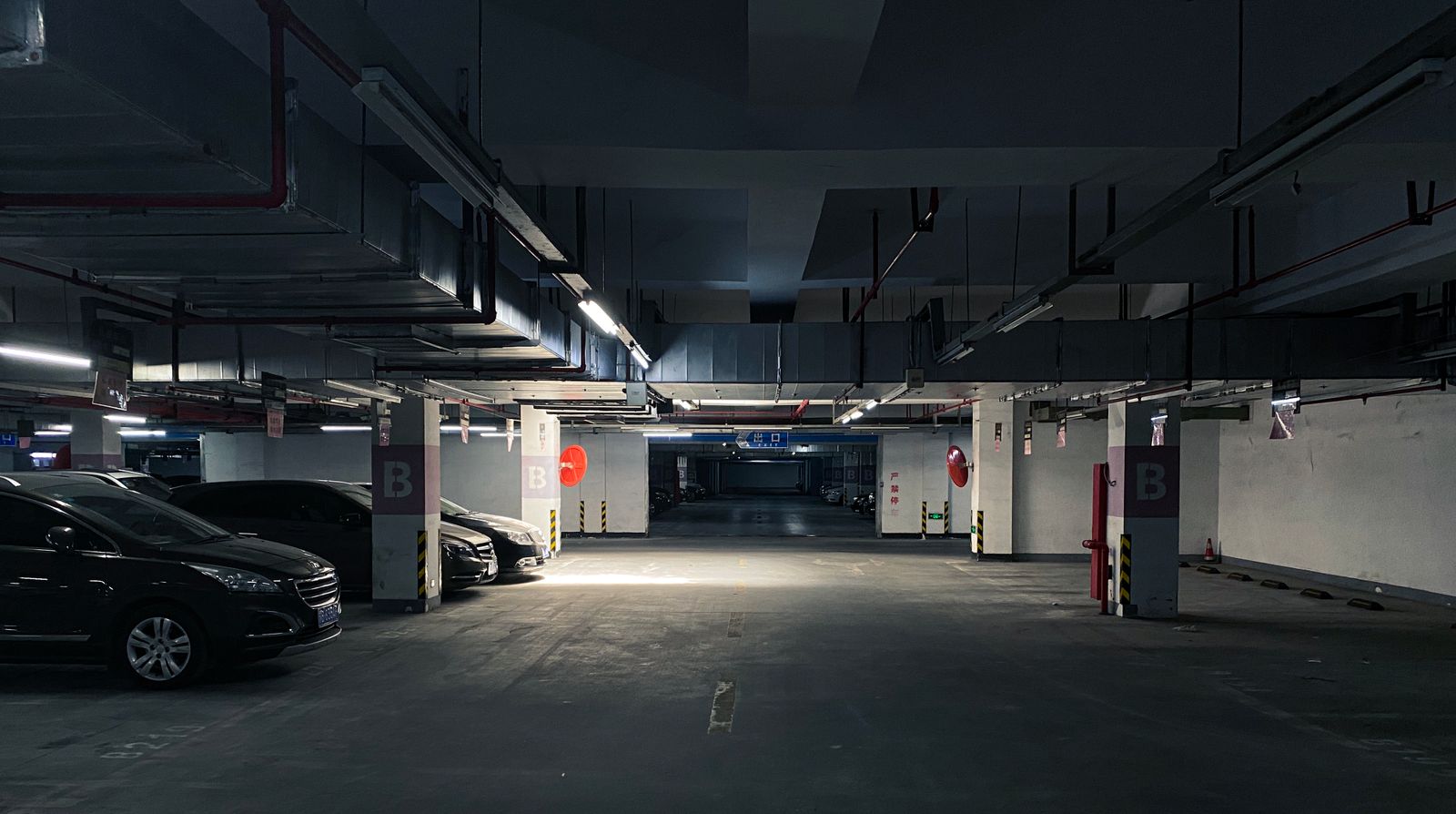
Why Fire Detection Is Difficult on Ro-Ro Vehicle Decks
Ventilation dilutes the smoke, cargo hides the source, loading mutes the detectors, and a fire can spread car to car in about 20 minutes. Here is why.
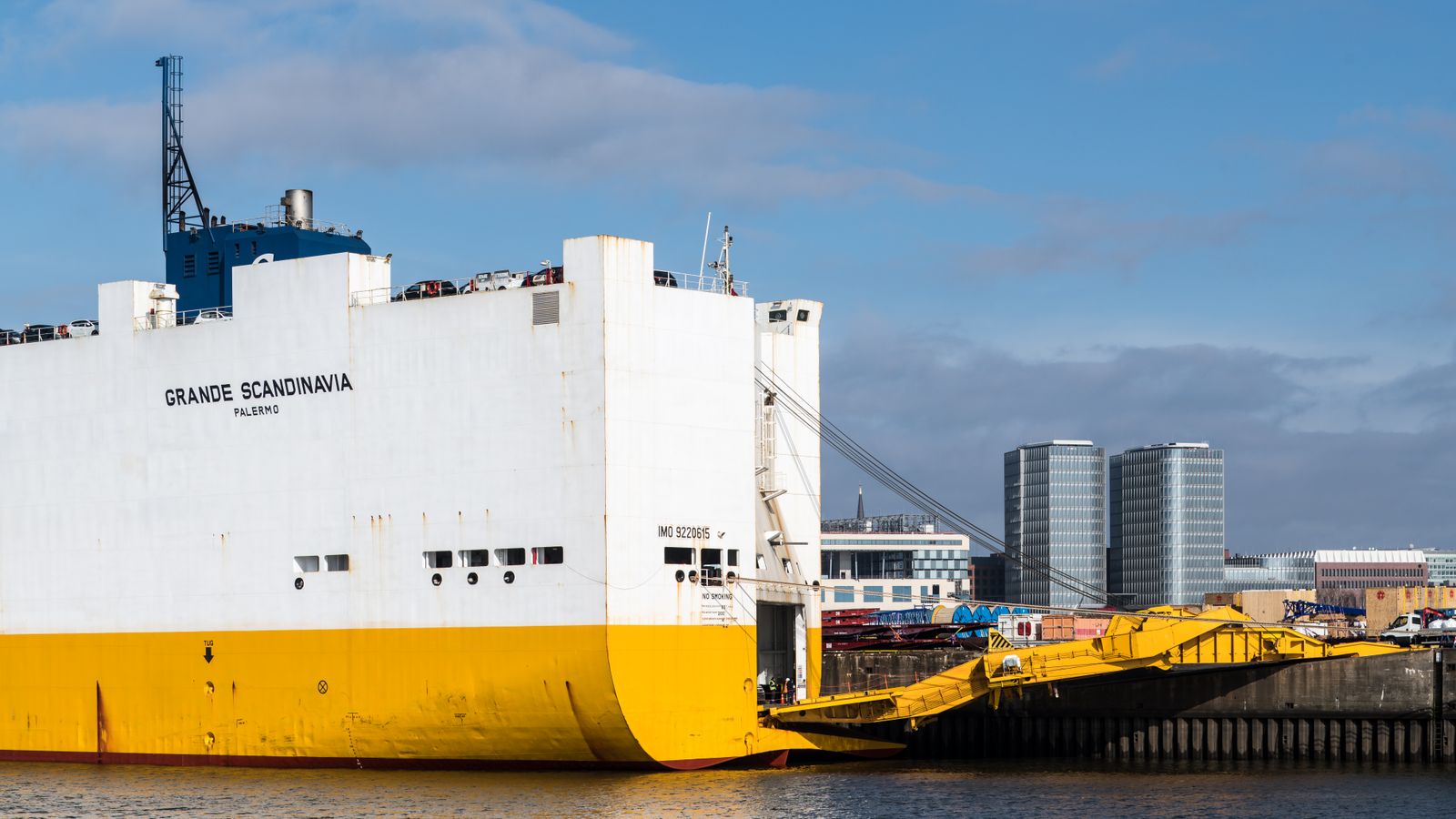
The Fire Boundary the Crew Couldn't Close
On the Grande Costa d'Avorio the crew couldn't seal the CO₂ zone — the door control sat inside it — so the fixed fire system was defeated.